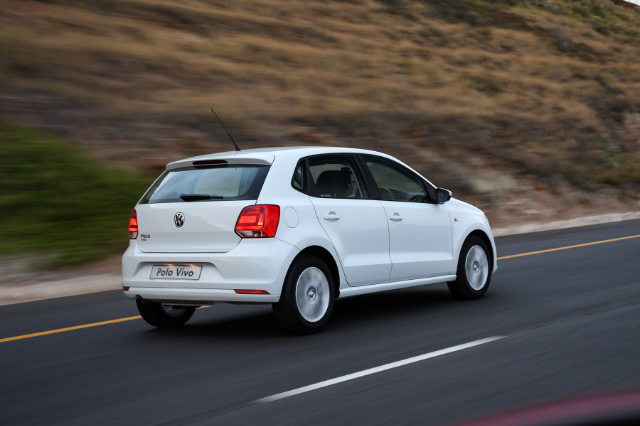
The Volkswagen Polo Vivo follows the same trend as the Citi Golf from way back when, where you continue a successful model as a legacy vehicle under a different name. The Polo Vivo started with the Mk4 Polo as its base and followed suit with the Mk5 (6C/6R), the second generation, which we're diving into today. The Polo Vivo followed the same ethos as the Polo it's based on, offering even more affordable yet dependable transportation while adding some personality. This generation of the Polo Vivo was available only in hatchback form, and we'll cover what we've learned about this vehicle.
Related: Volkswagen Polo (6R/6C/Mk5) Buyer's Guide

Volkswagen Polo Vivo Line-up including Special Editions
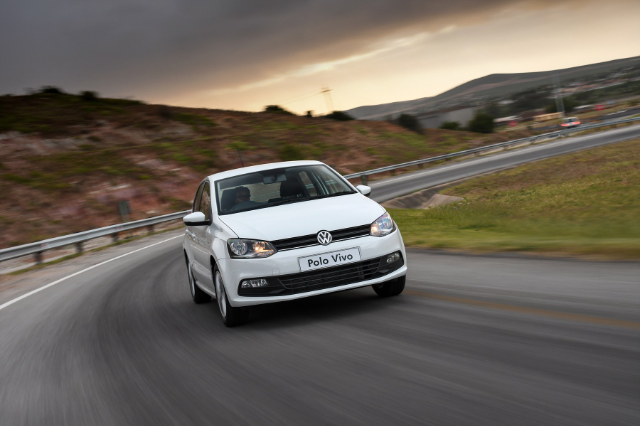
The second-generation Polo Vivo, launched in 2018, is based on the original Mk5 Polo but is sold alongside the Mk6 Polo. The Polo Vivo serves as the more budget-friendly option. There isn't a model code designation like the Mk5 6C/6R Polo, but we'll refer to the Vivo here as the second generation for the purposes of this article. It's worth noting that the Vivo isn't far removed from the Polo it's based upon, so much of what you'd expect from that vehicle is largely the same here, bar some differences. The second generation has undergone a facelift recently, but its aesthetic adjustments primarily include spec updates and infotainment improvements.
Variants
Pre-facelift (2017-2024)
Trendline - This is the entry-level variant in the Polo range. These came equipped with either a low-power or higher-power 1.4-litre petrol engine and were paired with a 5-speed manual transmission.
Comfortline - This is the mid-spec model with additional features. These came further equipped, in addition to what's found on the Trendline. You could also get the Comfortline with a 1.6-litre petrol engine and a Tiptronic automatic transmission.
Highline - This is your full-house variant, in addition to what the Trendline and Comfortline have. With the Highline, though, you can only have it with a 1.6-litre petrol engine and a 5-speed manual.
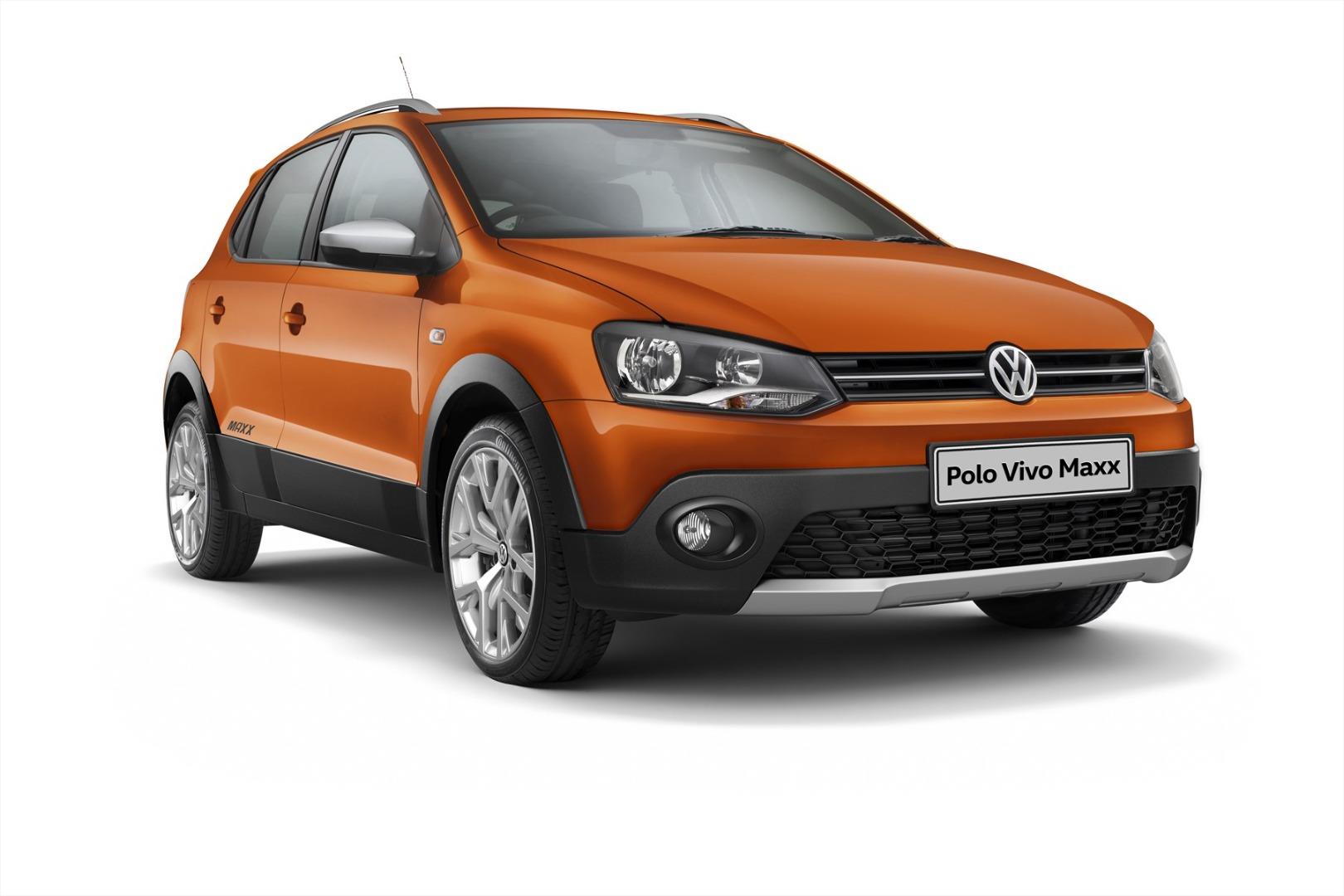
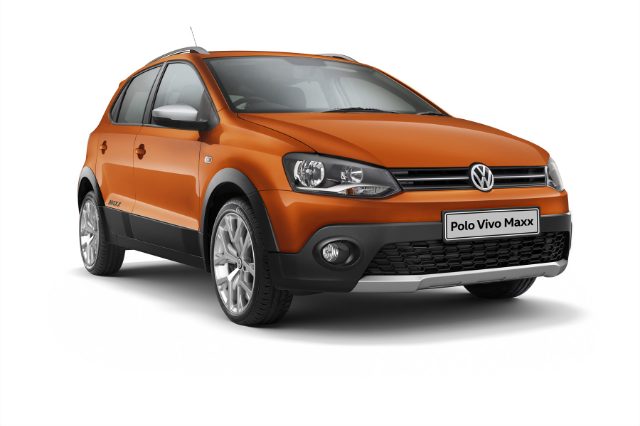
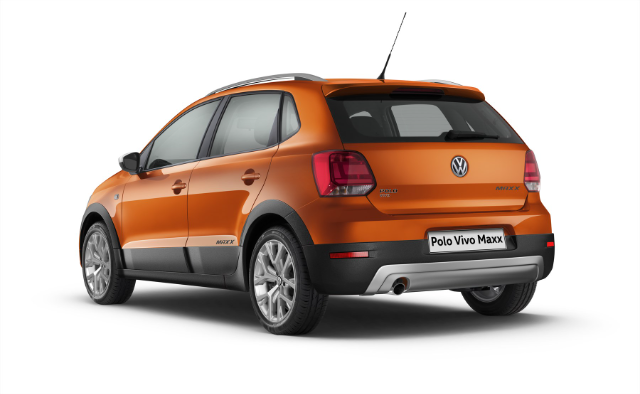
Maxx - This is essentially the Cross Polo, a more adventurous, lifted version of the regular Polo, but you don't get a turbodiesel engine here; rather, the 1.6-litre engine found in the other Polo Vivo variants.
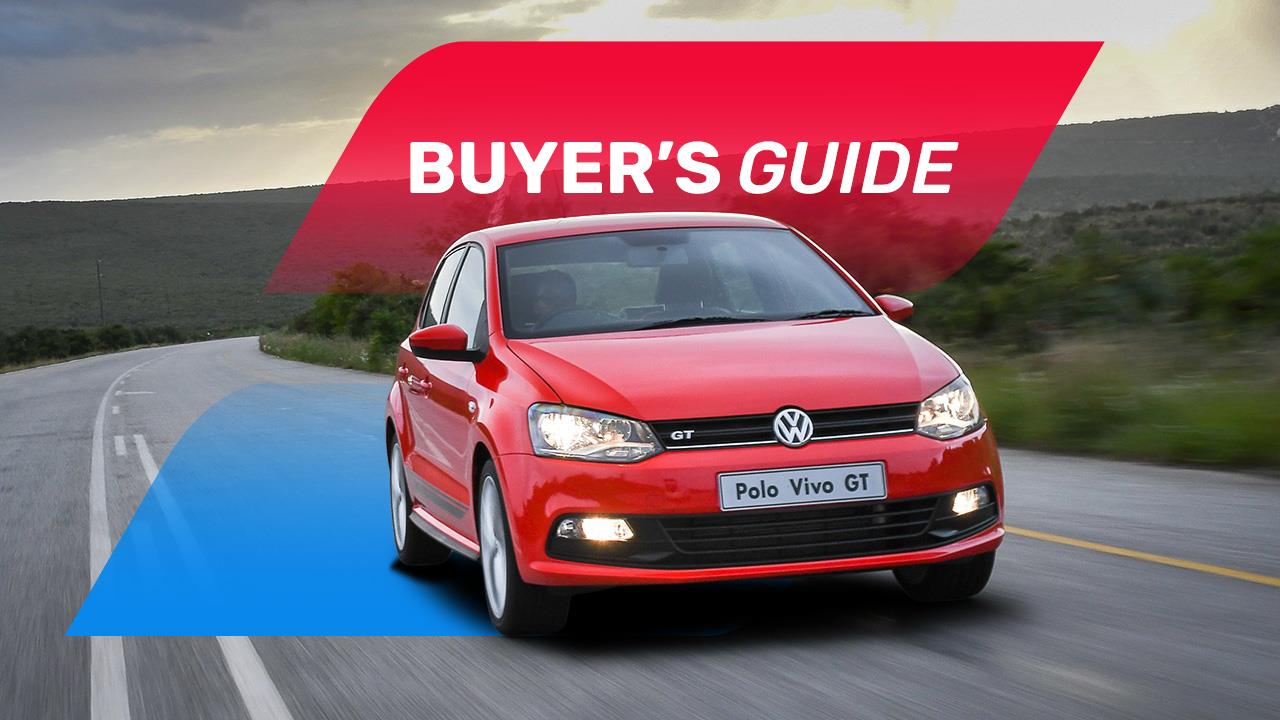
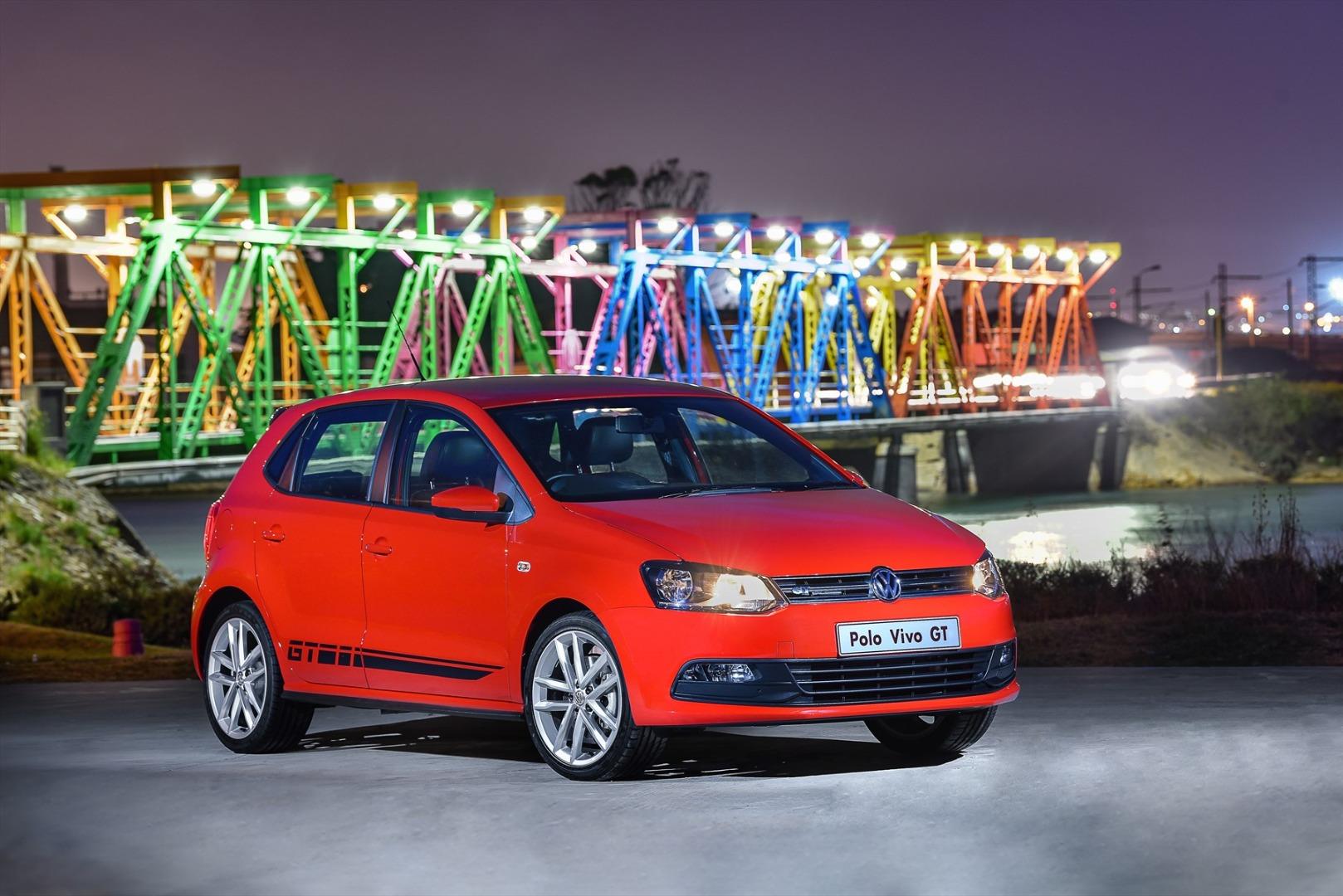
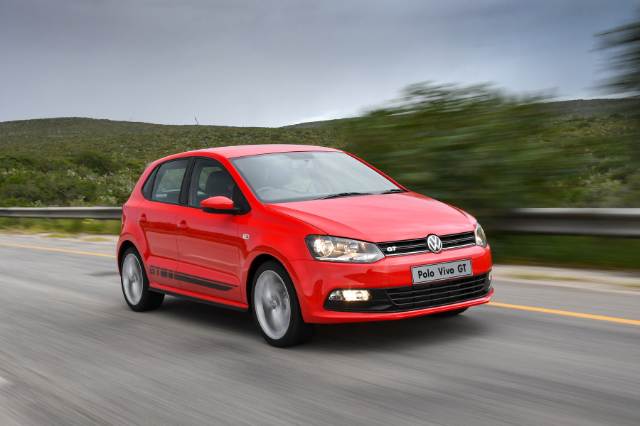
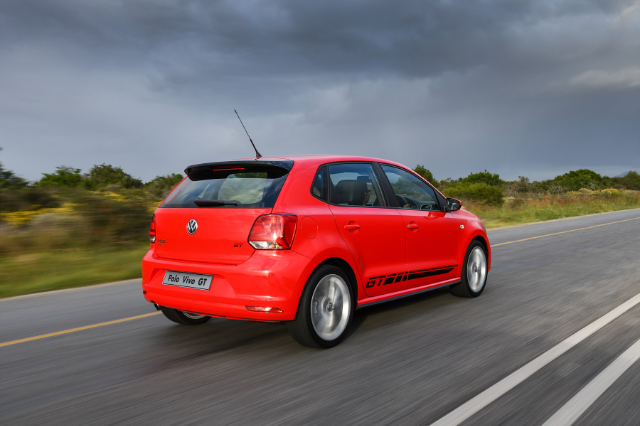
GT - This is the sportier variant of the Polo Vivo, complete with minor exterior additions, lowering springs, sports seats, and to crown it all, a saucier 1.0-litre 3-cylinder turbocharged petrol engine and a 6-speed manual.
Facelift (2024-Present)
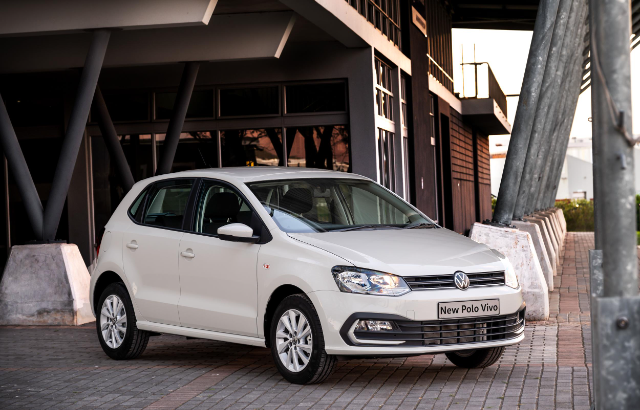
The naming conventions for the Polo Vivo have changed since its facelift, so this is what you'll receive, along with Infotainment, interior, and exterior additions and revisions.
Polo Vivo 1.4 hatch - This is the base-spec Polo, equipped with the lower-power 1.4 engine and 5-speed manual gearbox.
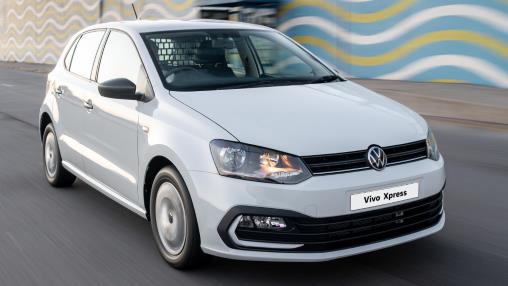
Xpress - This is the panel van variant of the Polo Vivo, with the boot area and rear seats converted to a cargo bay. This variant has the higher-power 1.4-litre engine with a 5-speed manual gearbox.
Life - This variant is a step up from the base-grade Polo Vivo. It replaces the Comfortline range. Featuring a more powerful 1.4 litre or 1.6 litre paired with a Tiptronic auto, alloy wheels and more.
Style - A high-grade variant replacing the Highline range. This variant comes with more spec, including the 1.6-litre engine, but only with a 5-speed manual gearbox.
GT - The GT variant largely remains the same as the pre-facelift model but benefits from the aforementioned facelift upgrades.
Special Editions
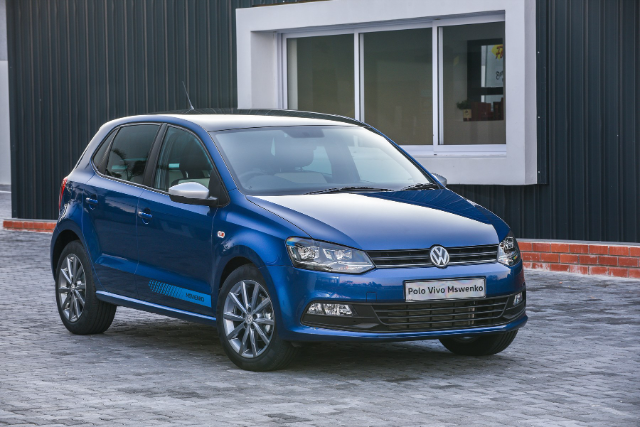
Mswenko - An aesthetic package with a black and blue motif. Based on the 1.4 High Power Comfortline.
Black Style - An aesthetics package with a black motif. Based on the Comfortline and Highline derivatives.
Beats - This features a Beats sound system and minor aesthetics package. Based on the 1.4 High Power Comfortline derivative.
Edition 15 - An aesthetics package celebrating 15 years of the Polo Vivo. Based on the Life 1.4 and 1.6 derivatives.

Engine Descriptions, Strengths and Weaknesses
The Polo Vivo range uses a variation of the engines from the Volkswagen EA series. EA means Entwicklungsauftrag or Development Assignment. This engine line dates back to the 1970s but has been developed upon and improved over time. One would regard the EA series as garden-variety Volkswagen engines.
How can you check what engine the Polo Vivo has? There are a few locations for this. The engine itself typically has the code stamped directly onto it. Some locations include: near the oil filter housing, near the transmission housing, in front of the engine block or cylinder head. If the car in question has a service book or log book, you'll find the engine code there; it's either a 4-letter or 3-letter code that we'll use in this article. There may also be a code plaque in the boot, located under the carpet, generally near the spare tyre. You can't miss it.
We consulted a few specialist technicians, querying what to watch out for on these vehicles.
EA111 - Naturally Aspirated Petrol Engines
The majority of the Polo Vivo engines were from this category, featuring 1.4-litre and 1.6-litre variants. The engines featured here are a variation of the EA111 designated for the Polo Vivo.
1.4 -litre CLP (CLPB and CLPA) (Used across the range)
This is a 4-cylinder DOHC (Dual Overhead Cam) 16-valve engine, chain-driven.
There are 2 versions of this engine, with the primary difference being power output. The first engine is the CLPB, a lower-power variant making 55 kW / 130 Nm, tuned more for fuel economy than power. Those seeking more power can opt for the CLPA, a higher-power variant that makes 63 kW / 132 Nm.
Strengths
These are fairly robust engines if they have been appropriately maintained. They are fairly fuel-efficient, with the CLPB achieving a claimed 5.5 L/100 km and the CLPA achieving 5.9 L/100 km. The weaknesses below do happen, but not commonly.
Weaknesses
Issues with this engine have been reported to be less common. There are reports of water leaks from these engines, namely from the Welsh Plugs on the block and sometimes from the water pump. Since these are interference engines, improper maintenance can cause the timing chain to fail, resulting in catastrophic failure. The ignition coil packs have been reported to fail, leading to misfires, and the injectors can also fail, causing misfires. The PCV systems can clog, too.
1.6-litre CLSA (Used across the range)
This is the bigger engine in the Polo Vivo range. It's essentially the above CLP engines but with a bigger displacement and more power at 77 kW / 153 Nm. Claimed fuel consumption is 6.2L/100km for the manual and 6.5L/100km for the Tiptronic.
Strengths
These follow the same line of strengths as the above CLP engines, but with more power to boot. They're also robust when appropriately maintained.
Weaknesses
These engines have the same weak points as the CLP range, but apparently are more sensitive to overheating. However, these failures aren't common according to reports.

EA211 Turbocharged Petrol Engine
1.0-litre TSI CHZD (Used in the Vivo GT)
This is a 3-cylinder turbocharged petrol engine making 81 kW / 200 Nm. It is a belt-driven engine. This engine was lifted from the 6R/6C Polo, which was fitted to the R-Line model, with some minor revisions, but it still largely follows the strengths and weaknesses we covered in our Polo 6R/6C Buyer's Guide.
Strengths
The CHZ engine family prides itself on frugality, but in the case of the Polo Vivo GT, it strikes a balance between performance and frugality, consuming only a claimed 4.8L/100km.
Weaknesses
The CHZ engine family has been reported to suffer from oil pump issues after 80 000 km. Turbocharger actuator issues have also been noted. Carbon buildup on the intake valves due to direct injection has been observed. However, reports from technicians with the Vivo GT state that there have been failures, but they are not common.
Transmissions
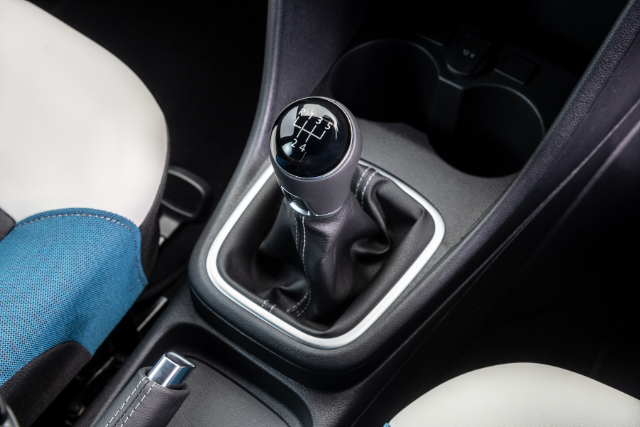
- 5-speed manual (Code:02T) (Paired with the 1.4-litre and 1.6-litre models)
- 6-speed manual (Code:0DQ) (Paired with the Vivo GT)
- 6-speed Tiptronic auto (Code: 09G) (Paired with the 1.6-litre)
There are three transmissions available in the Polo Vivo Mk2 range.
Strengths
The 5-speed and 6-speed manual transmissions are strong gearboxes with next to no reported failures and are easy to operate for any driver. The 6-speed manual in the Vivo GT is nicely matched. The Tiptronic is a smooth and effortless transmission.
Weaknesses
The Tiptronic transmission did suffer from gear hunting, but it was largely a software-related issue. Manual transmissions can suffer from input shaft bearing failure, but this depends on how the vehicle was driven.
Suspension Notes
The Polo Vivo Mk2 is still fairly current, so suspension bushing and component failure haven't really been a thing. Bushes can fail depending on where and how the car was being driven, leading to premature failure. From the Polo it's based on, those have also been regarded as having robust suspension components.
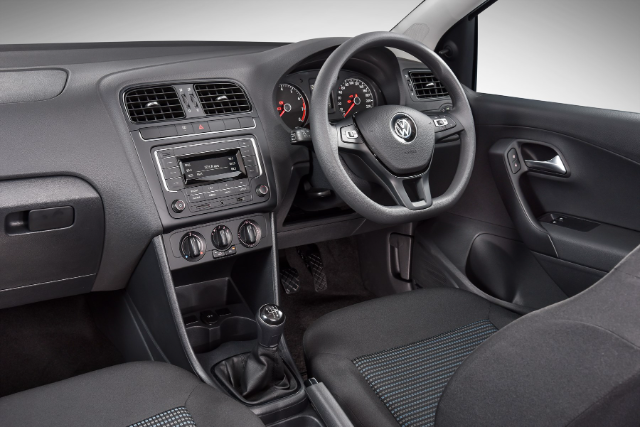
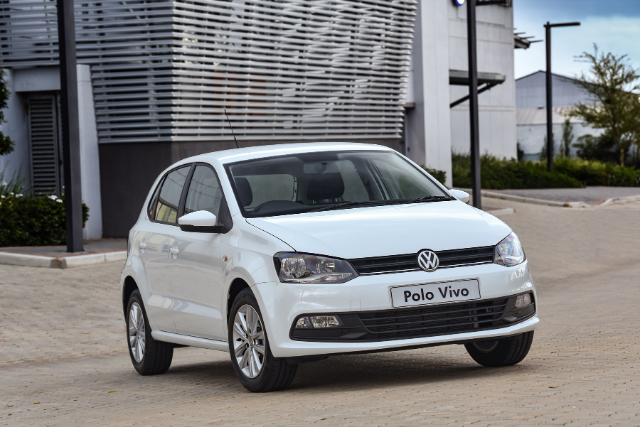
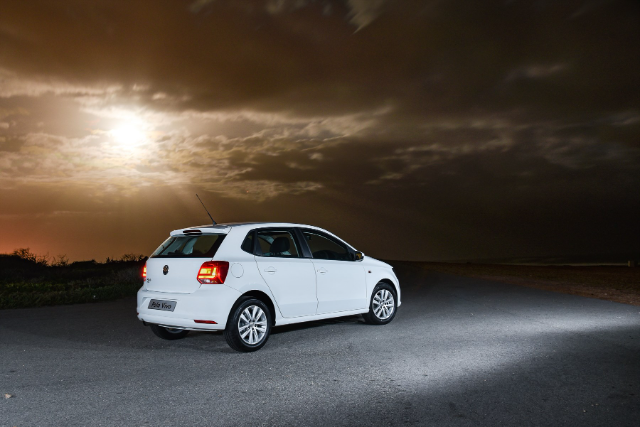
Exterior and Interior Information
At a recent Volkswagen Indaba event where my colleague Mr
The only notable thing we need to mention is that this Polo Vivo was subject to the Takata Airbag recall, so it's best to check whether the specific vehicle you have in mind has been addressed.
Spare Parts Availability and Servicing
Some parts are shared with the original Polo 6C/6R, but beware, some bits are bespoke to the Polo Vivo. The VAG group does have some universal parts, though. Since this vehicle is still in production, there is a wealth of OEM and aftermarket parts available. It covers all categories, including electrical, exterior, interior, and engine parts.
Regarding servicing, since these vehicles are still in production and some models have fairly low mileage, some examples may still be on the optional service plan. When it comes to where to go, your standard Volkswagen dealership can handle routine servicing, and even RMI workshops can handle this. These aren't complicated vehicles to work on, so you shouldn't have any trouble with them.
Running Costs Per Engine
1.4 -litre CLP Series | 1.6-litre CLSA | 1.0-litre TSI CHZD | |
| Claimed fuel economy (Combined Cycle) | 5.5 L/100km (CLPB) , 5.9l /100km (CLPA) | 6.2 L /100km (Manual) / 6.5 L /100km (Tiptronic) | 4.8L /100km |
| Routine Service Cost | Low | Low | Low-Moderate (Turbocharged engines inherently demand more maintenance) |
| Risk of Catastrophic Failure | Unlikely if the engine is maintained correctly. | Unlikely if the engine is maintained correctly. | Unlikely if the engine is maintained correctly. |
| SA Parts availability | Readily Available | Readily Available | Readily Available |
| Cost of ownership verdict | Not bad; however, the coilpack and water-leak repairs could be budgeted for in the future. | Not bad; however, the coilpack and water-leak repairs could be budgeted for in the future. | Not bad, but be wary of any potential turbocharger issues in future. The timing belt can be a pricey job when it needs to be done. |
Volkswagen Polo Vivo Test Drive Checklist
Here are some things to pay attention to apart from the usual test drive checklist:
High Priority
- For the 1.4 and 1.6 engines, listen out for ticking on a cold engine start. Because those engines are chain-driven, if you hear ticking, then it means the timing chain could be tired and is due for replacement.
- 1.0 TSI - See how the engine feels when it comes onto power. If there isn't a surge, the turbocharger could be acting up, or there is a boost leak somewhere.
- If all three engines are feeling rough, there could be a misfire, and a coil pack needs to be replaced.
- If you're after a Tiptronic-equipped Vivo, be sure to check that the latest software updates have been done.
- Airbag Recall History
Low Priority
Though durable, check the interior electrical switches, such as window switches, for proper operation. If available, have someone with a computer diagnostics machine check for any error codes.
General Car Buying Advice
Tyres: Ensure the tyres are from a reputable brand, as this is often a sign of a well-maintained car. If the owner/dealer cuts corners by purchasing cheap tyres for a vehicle, that should ring alarm bells about where else they cut corners.
Modifications: A modified car poses a significantly greater risk than a used car purchase compared to a standard model. A person who modifies their performance vehicle generally drives it more aggressively, increasing the risk of potential issues. The Polo Vivo is notorious for modifications, so please be careful about any history relating to that, especially regarding lowering the vehicle and applying questionable modifications for the sake of style.
Service history: The Polo Vivo can provide many years of reliable service, provided it has been serviced regularly with high-quality oil and genuine or high-quality OEM-equivalent parts. It's best to make sure the vehicle has a full service history.
Accident damage: Inspect the paint and check key welding points under the bonnet and the vehicle's boot to ensure the car has not been in a significant accident. The Polo Vivos, as mentioned before, do tend to be lowered, so be sure to check the frame rails for damage. Some spray work on the front and rear bumpers is standard, as dings and rock chipping are minor in the grand scheme of things. However, if the vehicle's structure has been damaged, it's best to steer clear.
Which Volkswagen Polo Vivo is for you?
| Buyer Profile | Recommended Engine | Rationale for recommendation |
| Urban Daily Driver | 1.4l CLP Series | These are just fine if you're puttering about in town and need something easy on maintenance |
| Long Distance Driver | 1.6l CLSA with Tiptronic | If you want something effortless for long-distance driving, this should fit the bill. |
| Ultimate fuel saver | 1.0 TSI CHZD | Though the Vivo GT is more performance orientated, funny enough, if you drive frugally, it will reward you with exceptional fuel consumption. |
How much should you pay?
We'll touch on the Pre-facelift models, since those have aged, but omit the facelift models, since they have only recently launched at the time of typing this. We'll look at launch-year models for the table below.
| Model | Average Price Range and Mileage |
| Trendline | R150 000 / 140 000km |
| Comfortline 1.4 | R160 000 / 110 000km |
| Comfortline 1.6 | R190 000 / 120 000km |
| Highline | R175 000 /130 000km |
| Maxx | R191 000 / 108 000km |
| GT | R181 000 / 120 000km |
| Special Editions | |
| Mswenko | R220 000 / 60 000km |
| Black Style | (No Information Available) |
| Beats | (No Information Available) |
*Pricing and mileage stated here is indicative to the market and not conclusive. It is subject to change without prior notice and was checked on 25 February 2026.
Our Verdict, Our Best Pick
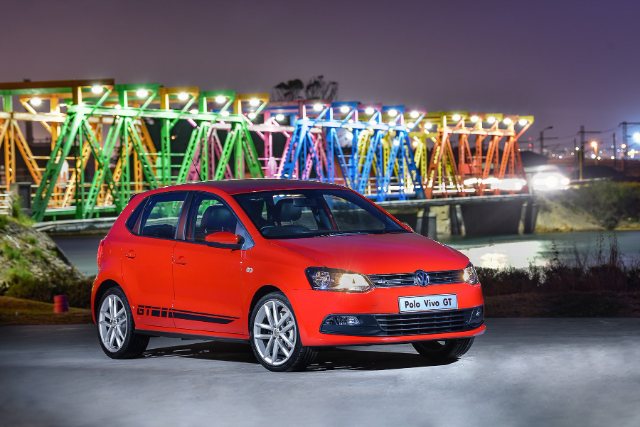
For fuss-free motoring, our pick would be a Comfortline 1.6 Tiptronic, though I have to commend the Vivo GT with its frugal 1.0 TSI engine, which is also fun to drive. These are pretty good cars, and since they're a continuation of a legacy model, many of the issues the Polo 6C/6R (on which this Vivo is based) seem to have been ironed out.
Just make sure the history of the Polo Vivo you have in mind is clean, and you should be right as rain.