Your car Is lying to you, and here's why
We rely on our cars to get us from A to B, but we also rely on them for information. The sleek digital displays and analogue gauges on our dashboards present a wealth of data: speed, fuel levels, engine temperature, and estimated fuel consumption. We've come to trust these numbers implicitly. But what if I told you that, in many cases, your car is telling you a little white lie?

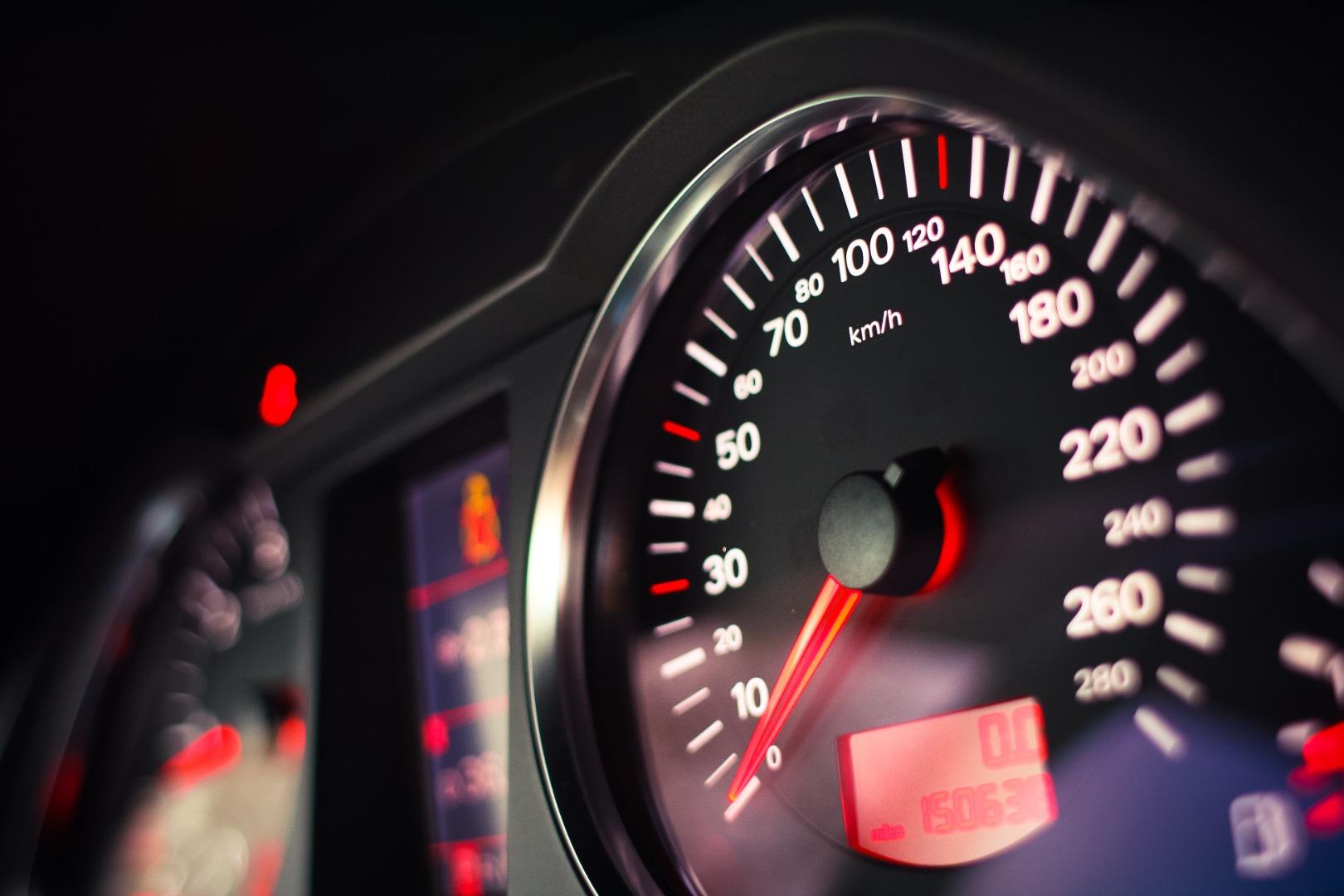
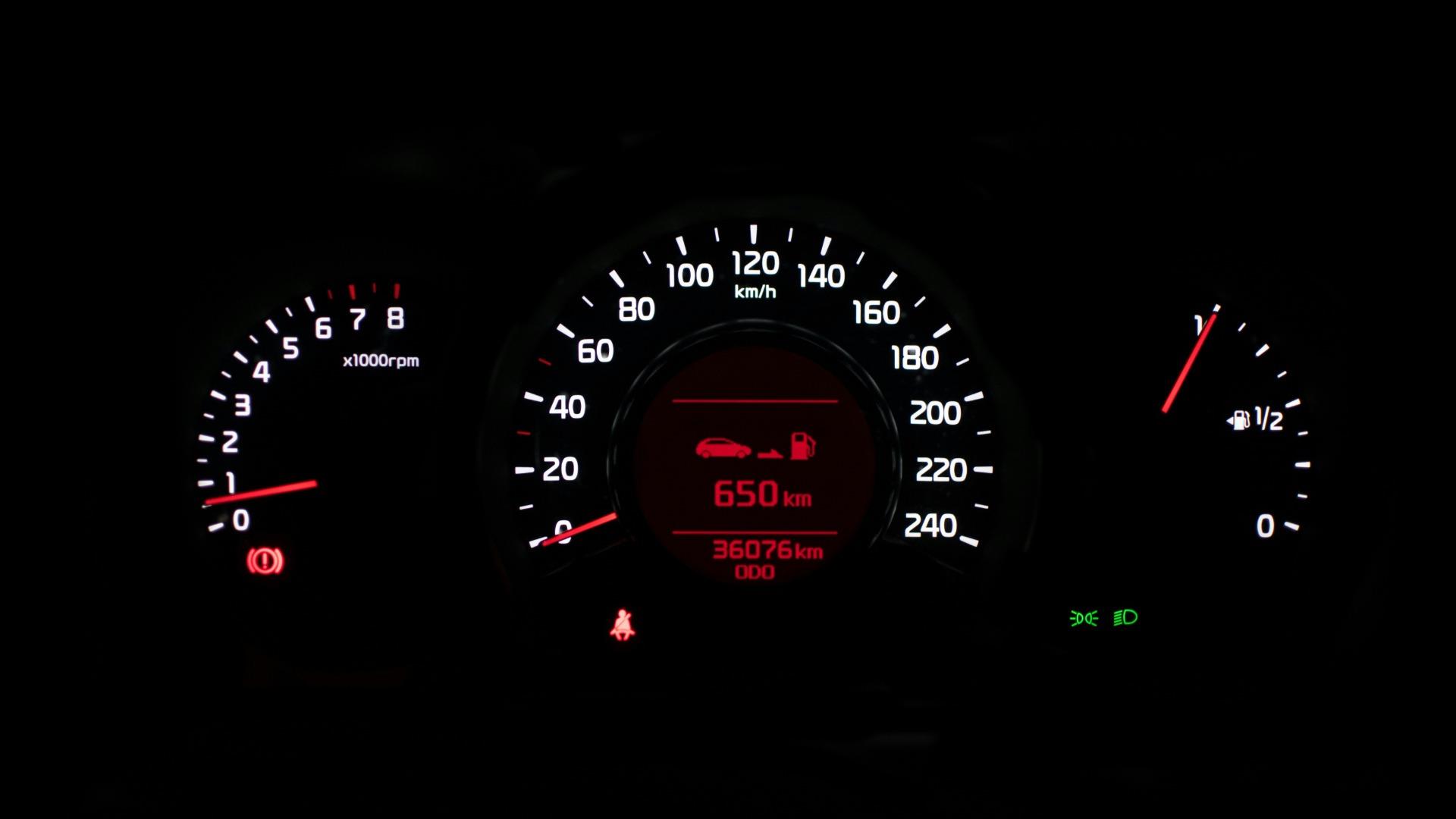

The modern automobile is a masterpiece of engineering and a product of compromises and legal requirements. The numbers you see on your dashboard aren't always a precise reflection of reality. They're often carefully calibrated to err on the side of caution or to meet specific regulations.
Related: What are the best petrol-saving cars in South Africa?
The Speedometer: A Legal Lie
You're cruising down the highway, and your speedometer reads 120 km/h. You feel confident that you're within the legal limit. But in reality, you're almost certainly going slower than that.
This isn't a glitch; it's a deliberate design choice and mandated by law in many parts of the world. In the European Union, for example, UNECE Regulation 39 dictates that a car's speedometer "shall not indicate a speed less than the true speed of the vehicle." Furthermore, the indicated speed "shall not be more than 10 per cent + 4 km/h" above the true speed.
Why this discrepancy? The primary reason is safety. A speedometer reading slightly higher than your speed acts as a buffer. It encourages drivers to slow down, reducing the risk of speeding tickets and accidents. It's a slight nudge towards safer driving habits.
The discrepancy also accounts for variations in tyre size and wear. A tyre with a larger diameter will rotate fewer times to cover the same distance as a smaller one, meaning your car's computer needs to adjust its calculations. Rather than creating a complex system that perfectly accounts for every variable, manufacturers build in a margin of error that's always in the same direction: indicating a speed slightly higher than the actual speed.
How to see your true speed
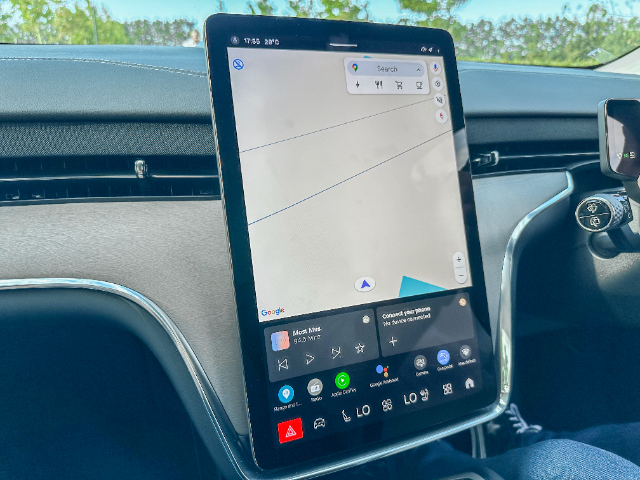
If you want to see how fast you travel, a GPS is your most reliable tool. While your car's speedometer is legally calibrated to overstate your speed (as a safety measure to prevent you from accidentally speeding), a GPS device or a smartphone app calculates your speed based on satellite data, which is generally more accurate. Most modern cars now come equipped with Apple CarPlay and Android Auto, allowing you to mirror apps on your infotainment screen seamlessly. You can get a real-time, ground-based speed reading by enabling the speed function on a navigation app like Google Maps or Waze.
As you drive, compare the speed shown on your GPS with your car's speedometer. You will typically find that the GPS reading is a few kilometres per hour lower. This difference is your car's built-in "lie"; understanding it can help you avoid unintended speeding fines and become a more precise driver. It’s important to remember that while GPS is highly accurate, it can have minor fluctuations due to signal interference from tunnels, tall buildings, or heavy cloud cover. However, a consistent speed check on a clear road is the best way to get an accurate reading.

The Fuel Consumption Display: The Optimist's Gauge
You've just refuelled, and your dashboard proudly displays a figure like "6.5 L/100km." This number gives you a sense of satisfaction, a feeling that your car is being economical. But don't break out the celebratory champagne just yet.
Like the speedometer, the fuel consumption display is often more of a guideline than a precise measurement. The number you see is an estimate based on several factors, including:
Engine load: How hard is the engine working?
Throttle position: How far is the accelerator pedal pressed?
Airflow: How much air is flowing into the engine?
Vehicle speed: How fast are you going?
The car's computer uses these inputs to calculate an estimated fuel consumption. However, these calculations are not always perfectly accurate. They don't always account for real-world variables like wind resistance, tyre pressure, or the fuel quality you've put in the tank.
Furthermore, the number is often presented in a way that makes your car look more efficient than it is. Manufacturers know fuel economy is a significant selling point and will frequently calibrate the display to be slightly optimistic. They want you to feel good about your purchase and driving habits. While not massively inaccurate, we have found minor discrepancies in our fuel consumption when measuring our real-world economy versus what the dashboard tells us.
How to calculate your car's actual fuel consumption
While your vehicle gives you a good idea of your consumption, if you'd like to be precise, here's how to calculate it:
The most reliable method is the "full tank" approach. Here's how it works: first, fill your car's fuel tank to the brim, preferably until the pump nozzle automatically clicks off, and then reset your trip meter to zero. Drive your car as you normally would until the tank is nearly empty. Then, return to the petrol station and fill the tank to the same full level again, noting the amount of litres you've just put in. Finally, divide the total kilometres you've driven (from your trip computer) by the number of litres you just added, then multiply the result by 100. This calculation will give you a much more accurate figure in litres per 100 km, giving you a more accurate picture of your car's fuel efficiency under specific driving conditions.
Other lies
Beyond the dashboard, your car continues to mislead you, though for good reasons. Here are a few more examples:
The "Empty" Fuel Tank Warning Light: That low fuel warning light isn't a distress signal. It's an early warning. When the light comes on in most cars, you still have enough fuel for another 50 to 80 kilometres. This isn't just a kind gesture; it's a built-in safety margin to prevent you from running out of fuel and potentially damaging the fuel pump, which can be an expensive repair.
The Oil Change Reminder: Modern cars often have a "service required" or "oil change soon" light that illuminates based on an algorithm, not directly measuring your oil's condition. While this is helpful, it's not a precise one. If you primarily do short trips with a lot of stop-and-go driving, your oil might degrade faster than the car's algorithm anticipates. Conversely, if you do a lot of highway driving, your oil may last longer than the car suggests. It's a general, conservative recommendation. Oil is vital for your engine, so always change it sooner rather than later.
The "Distance to Empty" Display: This is perhaps the most famous liar on the dashboard. The "distance to empty" or "range" display is a calculated estimate based on your recent driving habits and the current fuel level. If you've been driving on the highway for an hour and then hit city traffic, the "range" will drop much faster than expected. It's a convenient feature, but you should never rely on it as a precise measure of how far you can go.

What's the Takeaway?
Your car isn't a malicious liar. It's not trying to deceive you for its benefit. Instead, it's a carefully crafted machine designed to meet a complex set of regulations, safety standards, and marketing goals. The speedometer's lie is a safety feature, a gentle reminder to slow down. The fuel consumption display's optimism is a marketing tool to make you feel good about your car.
Understanding these "lies" isn't about distrusting your car. It's about being a more informed and aware driver. The next time you're on the road, remember that the numbers on your dashboard are not absolute truths. They are a starting point for your judgment and a reminder that a little bit of caution goes a long way when it comes to driving.