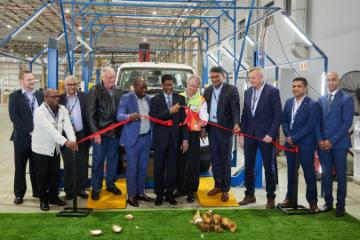
What it really costs to own an LDV T60 in South Africa
The double cab market in South Africa has exploded recently, with many new entrants all seeking to claim the crown. LDV was one of the entrants to the market just a year ago. If you are interested in one of these premium Chinese-made double cabs, this is what it will cost you.


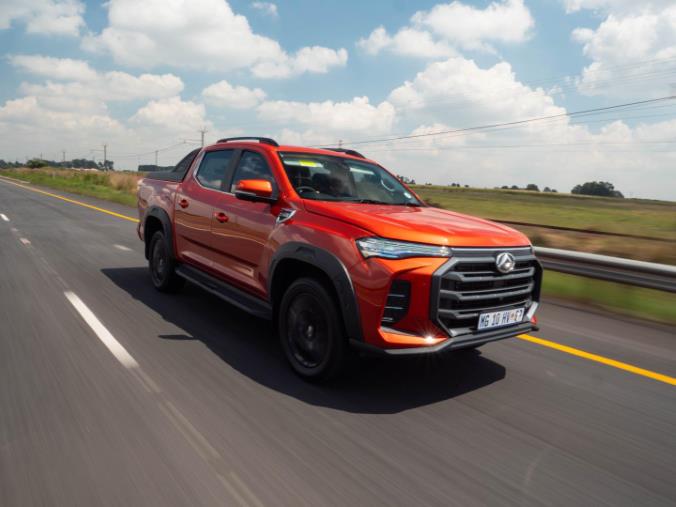
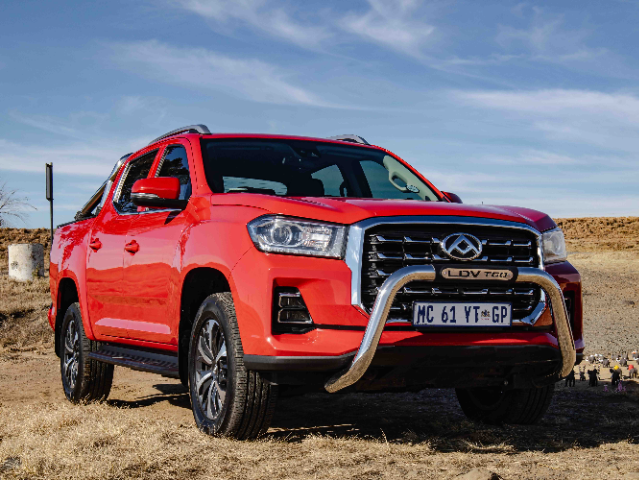
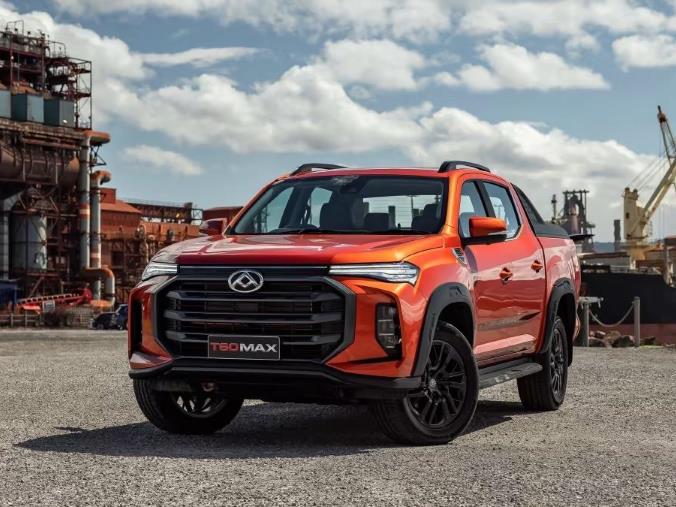
Released in South Africa in early 2024, LDV (Leyland DAF Vehicles) has slowly carved a niche, offering a hardy yet premium double-cab bakkie to rival the likes of Isuzu and Mitsubishi.
Related: LDV T60 Max Luxe (2024) Review
Beyond the initial purchase price, the true cost of owning a vehicle like the LDV T60 in South Africa is a multifaceted sum of ongoing expenses. While the LDV T60 is positioned as a competitively priced bakkie, potential buyers must consider various factors that will impact their budget over the long term. Here is a breakdown of the key ownership costs to consider.
How does the JAC T9 compare to the LDV T60?
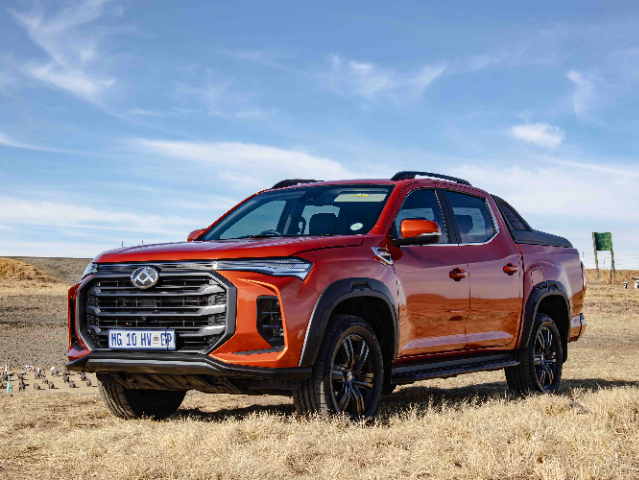
Servicing and Maintenance
Service Plan and Warranty: All new LDV T60 models have a 5-year/100 000 km service plan and a 5-year/200 000 km factory warranty. This warranty covers scheduled services, a significant factor in managing costs for the first few years of ownership.
What's Not Included: It's crucial to remember that the service plan does not cover "wear and tear" items. These are components that naturally degrade over time and with use, such as:
Brake pads and discs
Wiper blades
Tyres
Post-Service Plan Costs: Once the 5-year/100 000 km service plan expires, the owner will be responsible for the full cost of all routine services, including parts and labour. It is advisable to budget for this, as bakkie services can be more expensive than those for a standard passenger car.
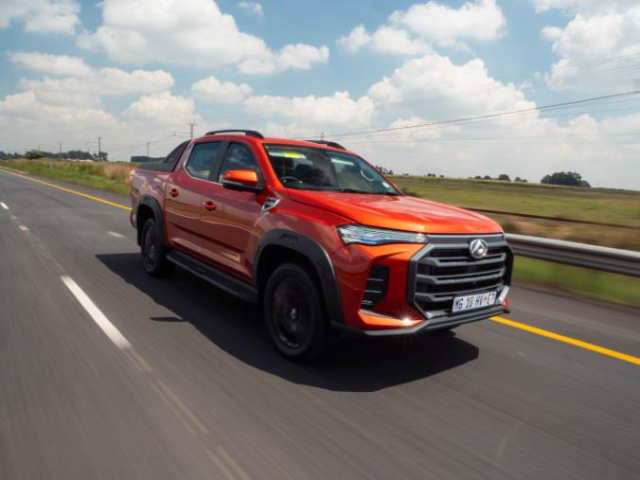
Fuel Consumption
Official Figures: LDV South Africa lists the T60's fuel consumption as 9.3 L/100 km (combined cycle). However, a real-world review by AutoTraderSA for the T60 Max Luxe noted a consumption of 8.2 L/100 km over 600 km of mixed driving.
Impact of Driving Style: Your fuel consumption will vary based on your driving habits, load, and the terrain you frequent. Heavy-footed acceleration, towing, or frequent urban driving in traffic will push these figures higher.
Fuel Type: The LDV T60 runs on diesel, so when budgeting, account for the fluctuating diesel price in South Africa.
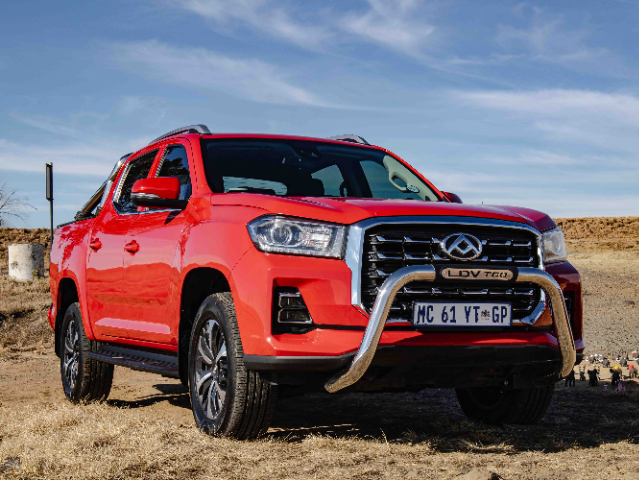
Insurance
Key Factors: The cost of car insurance is highly individual and depends on several factors, including:
The specific model and value of the LDV T60
Your age, driving history, and claims record
Where you live and where the vehicle is parked (e.g., in a secure garage vs. on the street)
Your credit score
Comprehensive Coverage: Comprehensive insurance for a new vehicle like the LDV T60 is strongly recommended. You can get quotes from various insurers to find the best deal.
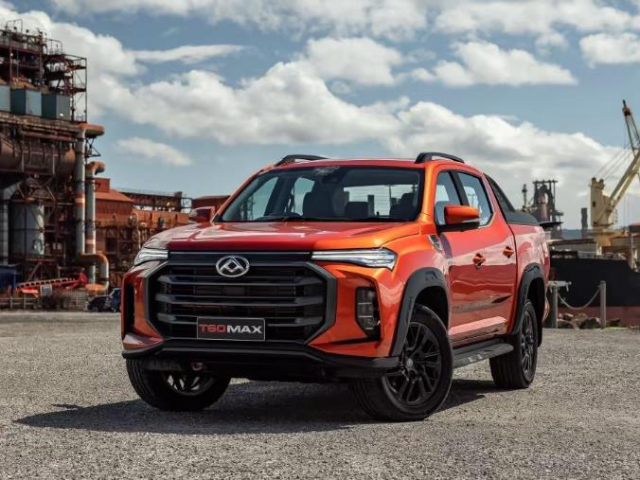
Potential for unexpected repairs
Warranty Coverage: The 5-year/200 000 km warranty provides peace of mind against mechanical and electrical failures.
Online Reports: While the T60 is relatively new to the South African market, some overseas ownership reviews and forums have highlighted potential issues, including:
Rust spots appearing on the bodywork
Electronic glitches (e.g., issues with cruise control, reverse camera, or infotainment)
Vibrations from the driveline
Occasional reports of power loss or engine issues
Importance of a Good Dealer: A strong dealer network is key to managing these issues. A reliable service centre that promptly addresses any warranty-related problems is essential.
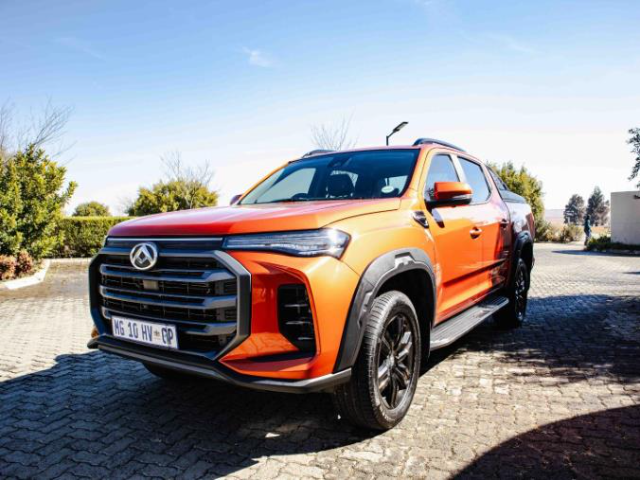
Other ownership costs
Licensing and Registration: You must budget for annual vehicle license renewals.
Tyre Replacement: The cost of replacing bakkie tyres can be substantial. The T60 comes with either 16 or 17.0-inch wheels, and the price of new tyres will depend on your brand and model.
Financing: If you are financing your purchase, your monthly instalments will be a significant part of your ownership cost.
In conclusion
While the LDV T60 has an attractive starting price, the total cost of ownership is a long-term commitment. The generous service plan and warranty are major advantages. Still, you must be prepared for ongoing expenses like fuel, insurance, and the eventual costs of wear-and-tear items and post-warranty repairs.