


The National Consumer Commission (NCC) has issued an update regarding recalls initiated by various suppliers, impacting Jeep Wrangler, Chrysler 300C, Citroen C4, DS4, DS5, Mercedes-Benz CLA (118), Mercedes-Benz S-Class (W223), Audi e-tron GT, VW Polo Sedan, and Volvo XC90 models.
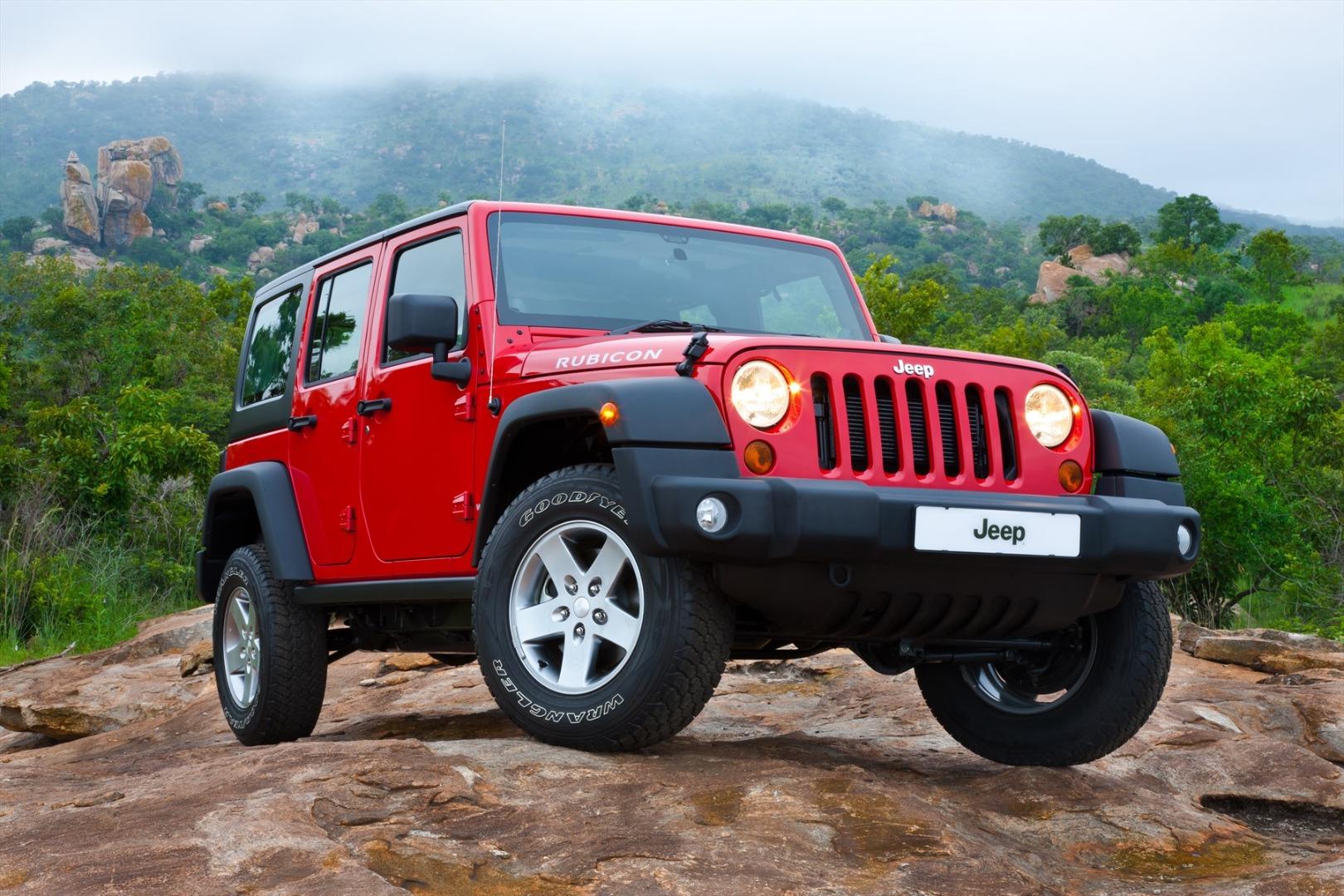
Jeep Wrangler and Chrysler 300C Recall: Takata Airbag Defect
Stellantis South Africa (Pty) Ltd has announced a recall for Jeep Wrangler and Chrysler 300C models manufactured between 2014 and 2016. The issue pertains to a potentially faulty Takata passenger airbag inflator. According to the supplier, excessive internal pressure during airbag deployment could cause the inflator to rupture, potentially sending metal fragments towards vehicle occupants, leading to serious injury or even death. Owners of these vehicles are urged to visit their nearest authorised dealership for a free repair or replacement of the airbag.
Citroen C4, DS4, and DS5 Recall: Airbag Inflator Rupture Risk
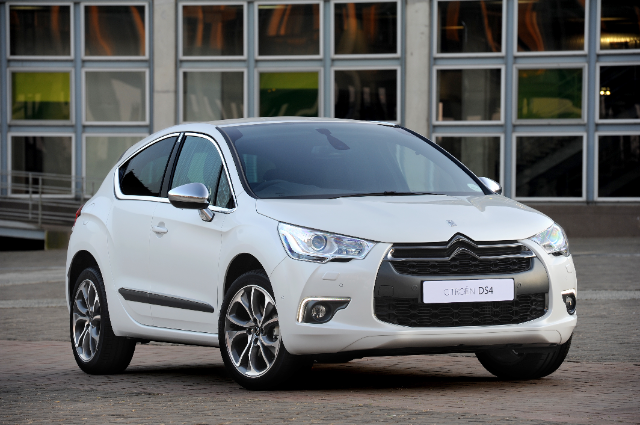
Stellantis South Africa (Pty) Ltd also recalls Citroen C4, DS4, and DS5 models sold between 2009 and 2016. These vehicles have driver and passenger airbag inflators that may rupture upon deployment. The forceful deployment could cause metal fragments to detach and fly towards the occupants, posing a risk of serious injury or fatality in a worst-case scenario. Affected owners should contact their nearest authorised dealership for necessary repairs.
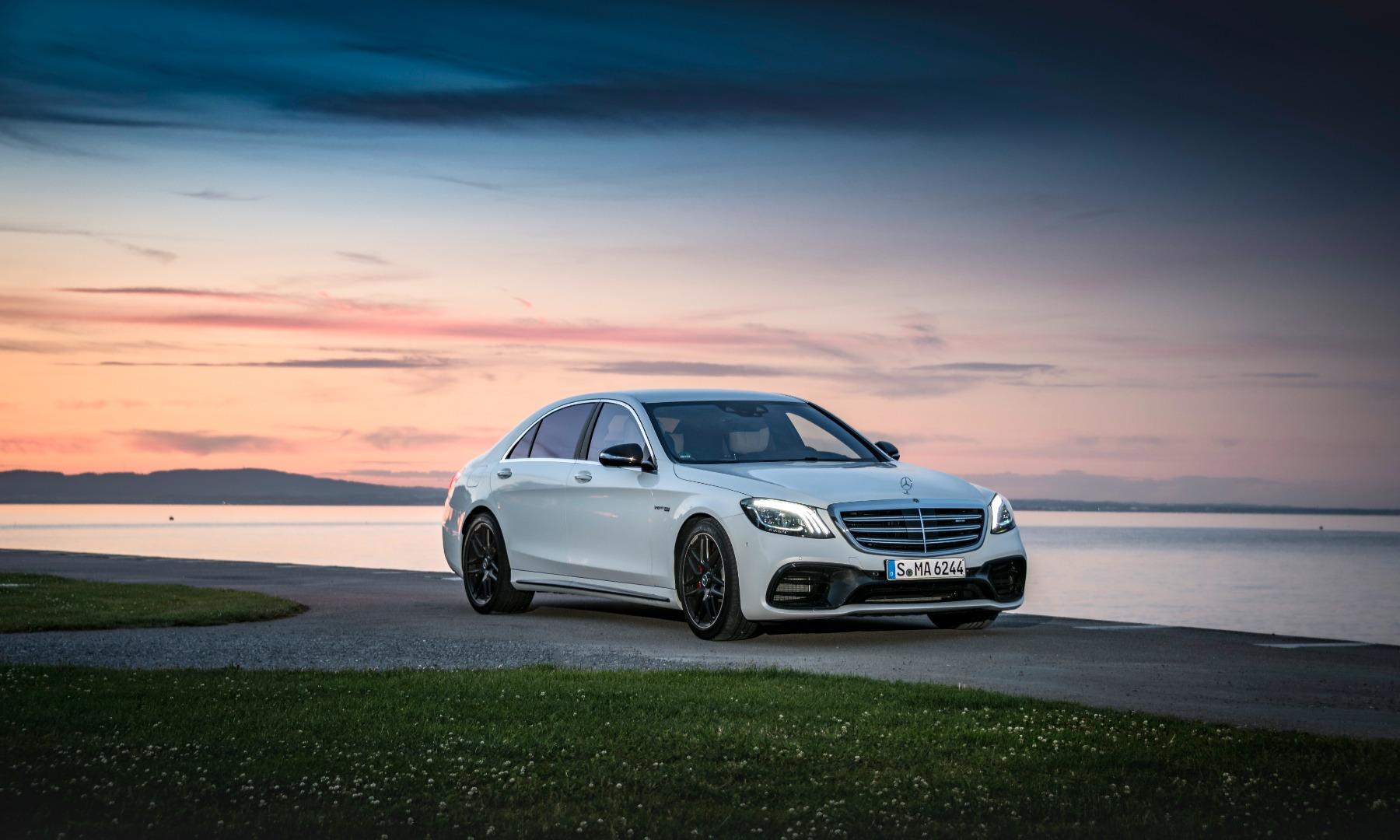
Mercedes-Benz CLA (118) and S-Class (W223) Recall: Brake Hose Issues
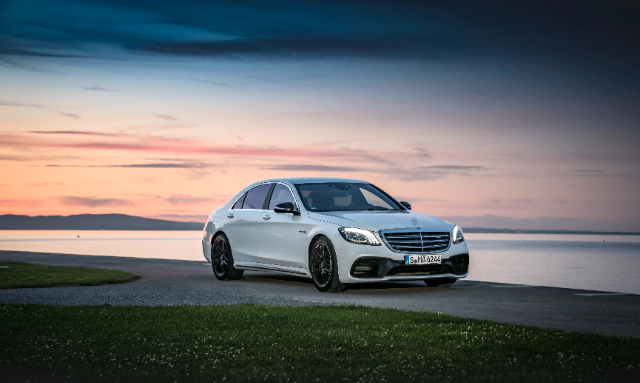
Mercedes-Benz AG South Africa has identified a potential issue with certain CLA (118 platform) vehicles where the rear axle brake hoses may not meet specifications. This could lead to the hoses contacting surrounding components, chafing over time, and eventually leaking brake fluid. The resulting loss of brake fluid in one of the brake circuits could reduce braking performance and increase the risk of an accident.
Similarly, certain S-Class (model series 223) vehicles produced between 2020 and 2023 are recalled due to potentially leaking front axle brake hoses. In hot and moist conditions and after extended use, these hoses could develop leaks, leading to brake fluid loss and impaired braking power in one circuit, thereby increasing the risk of an accident. Owners of affected Mercedes-Benz vehicles should contact their local dealership for inspection and necessary repairs.
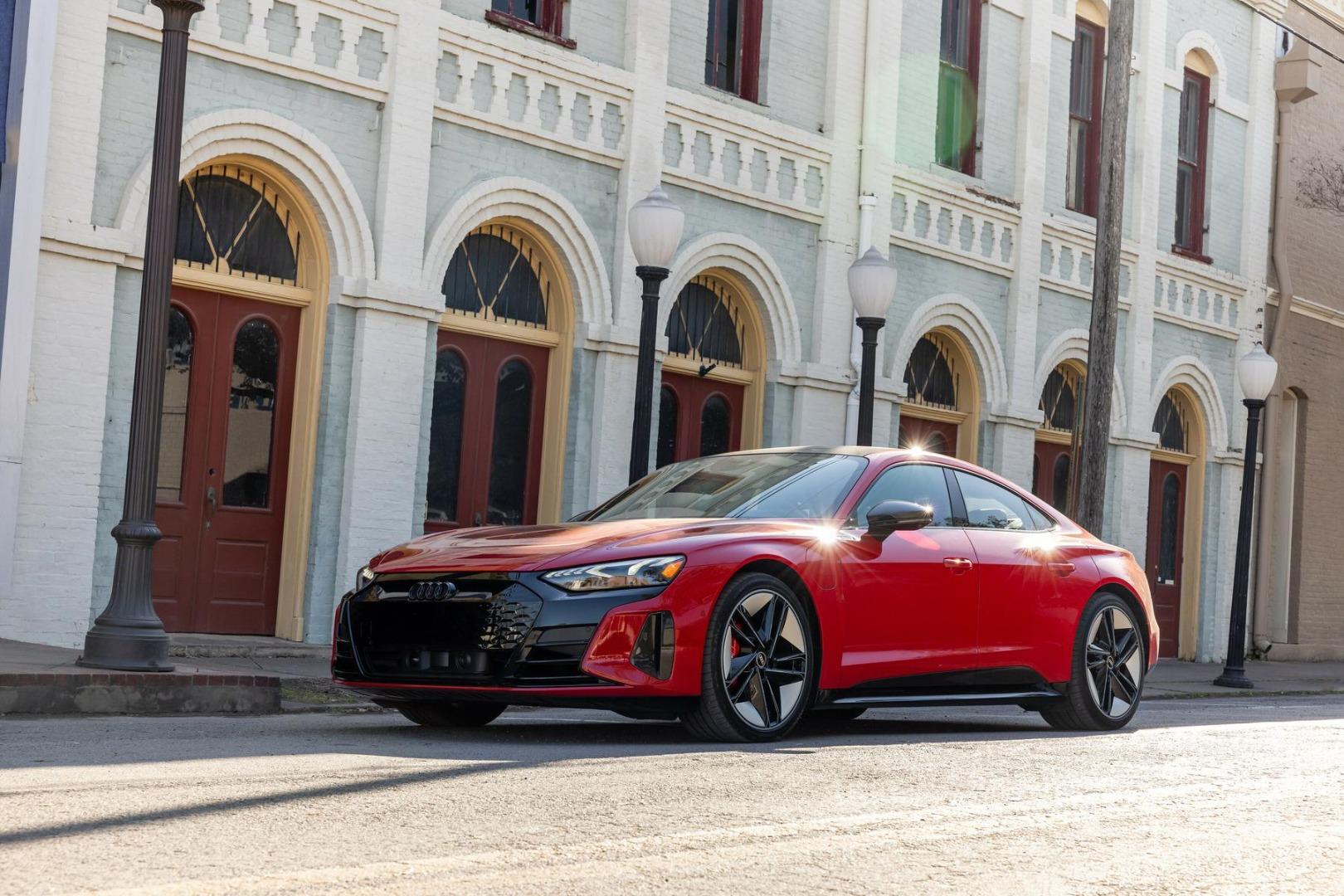
Audi e-tron GT Recall: High Voltage Battery Overheating Risk
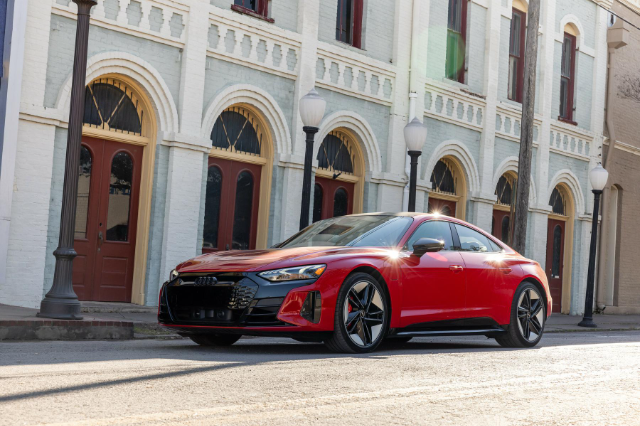
Audi South Africa is recalling 46 units of the Audi e-tron GT manufactured from October 27, 2021. The recall is due to potential technical irregularities in some individual cell modules of the high-voltage battery. This could lead to the battery overheating and posing an acute fire hazard, with a significant risk of severe or fatal injuries to individuals inside or outside the vehicle and potential property damage. Affected owners are advised to take their vehicles to any Audi SA-approved dealer for a check and potential module replacement.
VW Polo Sedan Recall: Rear Seat Belt Latch Plate Insufficiency
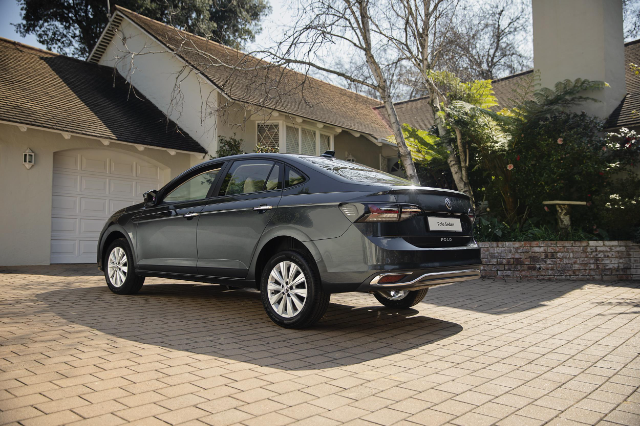
Volkswagen of South Africa Limited has issued a recall for the VW Polo Sedan, specifically those sold from April 2, 2025, with 905 affected vehicles nationwide. The issue concerns the rear seat belt latch plates, which may have been produced with insufficient hardness. In the event of strong deceleration, such as during an accident or hard braking, this could reduce the retention or protective effect of the seat belts, increasing the risk of injury. Owners of these vehicles are urged to contact an approved Volkswagen dealer for a check and, if necessary, replacement of the affected components.
Volvo XC90 Recall: High-Voltage Battery Overheating Potential
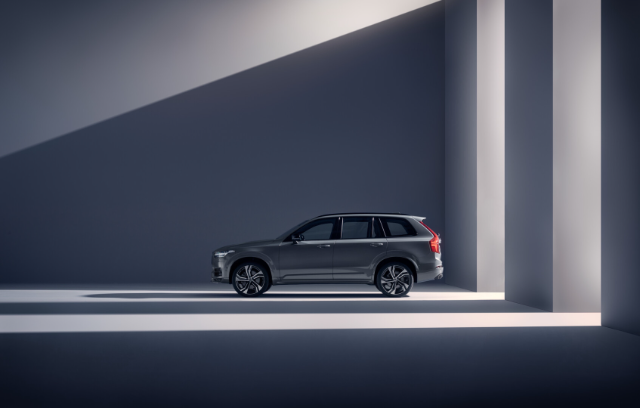
Volvo Car South Africa is recalling 27 Volvo XC90 models from the 2020 to 2022 model years. The recall is related to a potential issue with the high-voltage battery. According to the supplier, the battery cells could overheat when the battery is fully charged, potentially leading to a thermal event in a worst-case scenario. If necessary, owners of affected Volvo XC90 vehicles are requested to book them in at the nearest approved agents or dealerships for inspection and replacement.
What Should Affected Vehicle Owners Do?
Consumers have to take recalls very seriously. It can be safety risk, but it doesn’t necessarily have to be a safety risk. Consumers have a lot of rights under the Consumer Protection Act. If a car has been recalled, they (the consumer) have the right to a free repair.- George Mienie, AutoTrader CEO
If you own one of the vehicles listed above within the specified production dates, it is crucial to:
-Contact your nearest authorised dealership for the respective brand immediately.
-Schedule an inspection and the necessary repairs, which will typically be done free of charge.
-Follow the specific instructions provided by the manufacturer or dealership.
-Vehicle safety is paramount; these recalls are essential to address potential risks. Stay informed and take the necessary steps to ensure your vehicle is safe.


