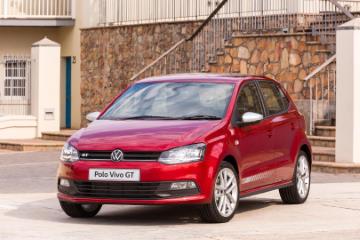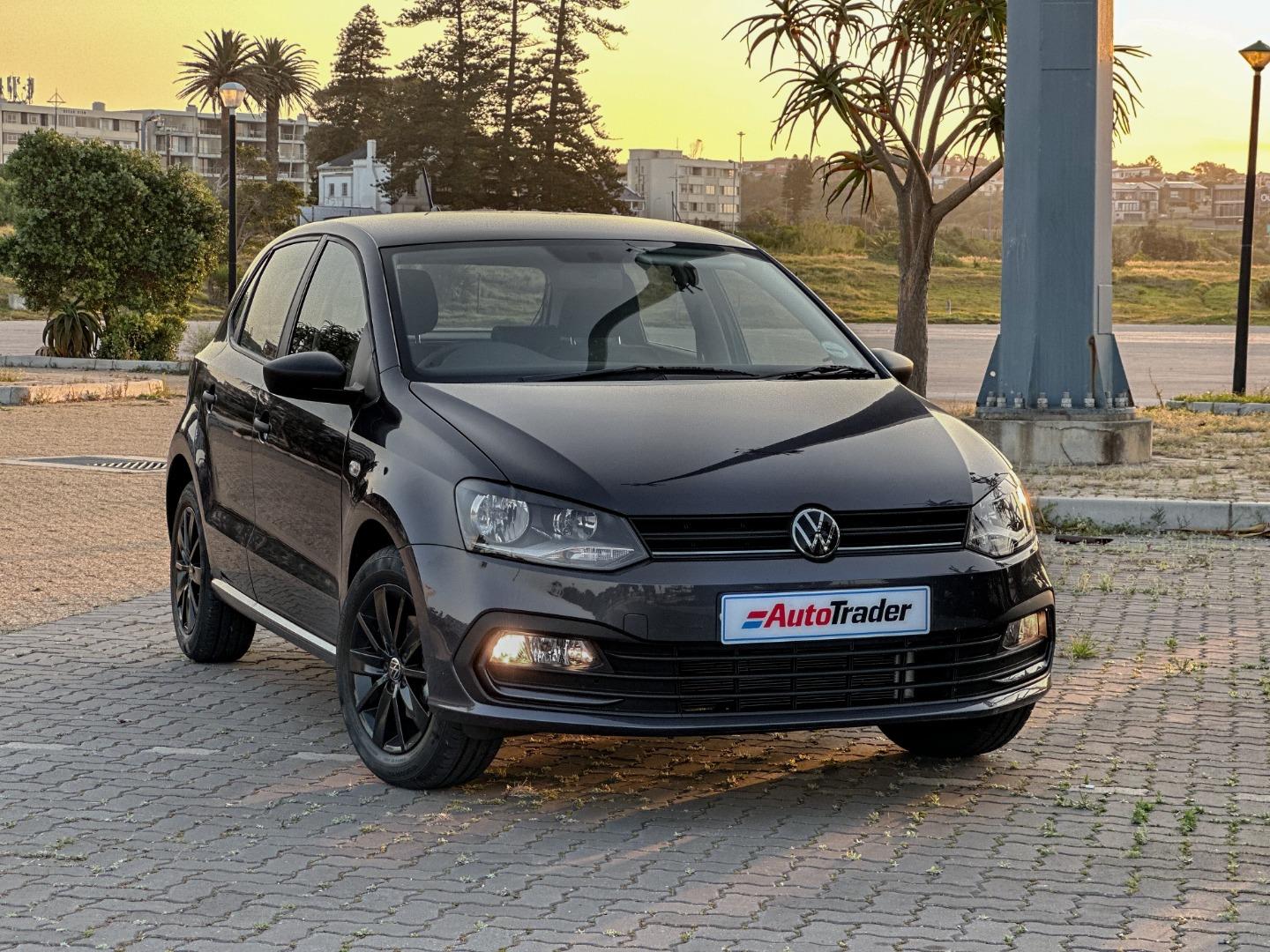
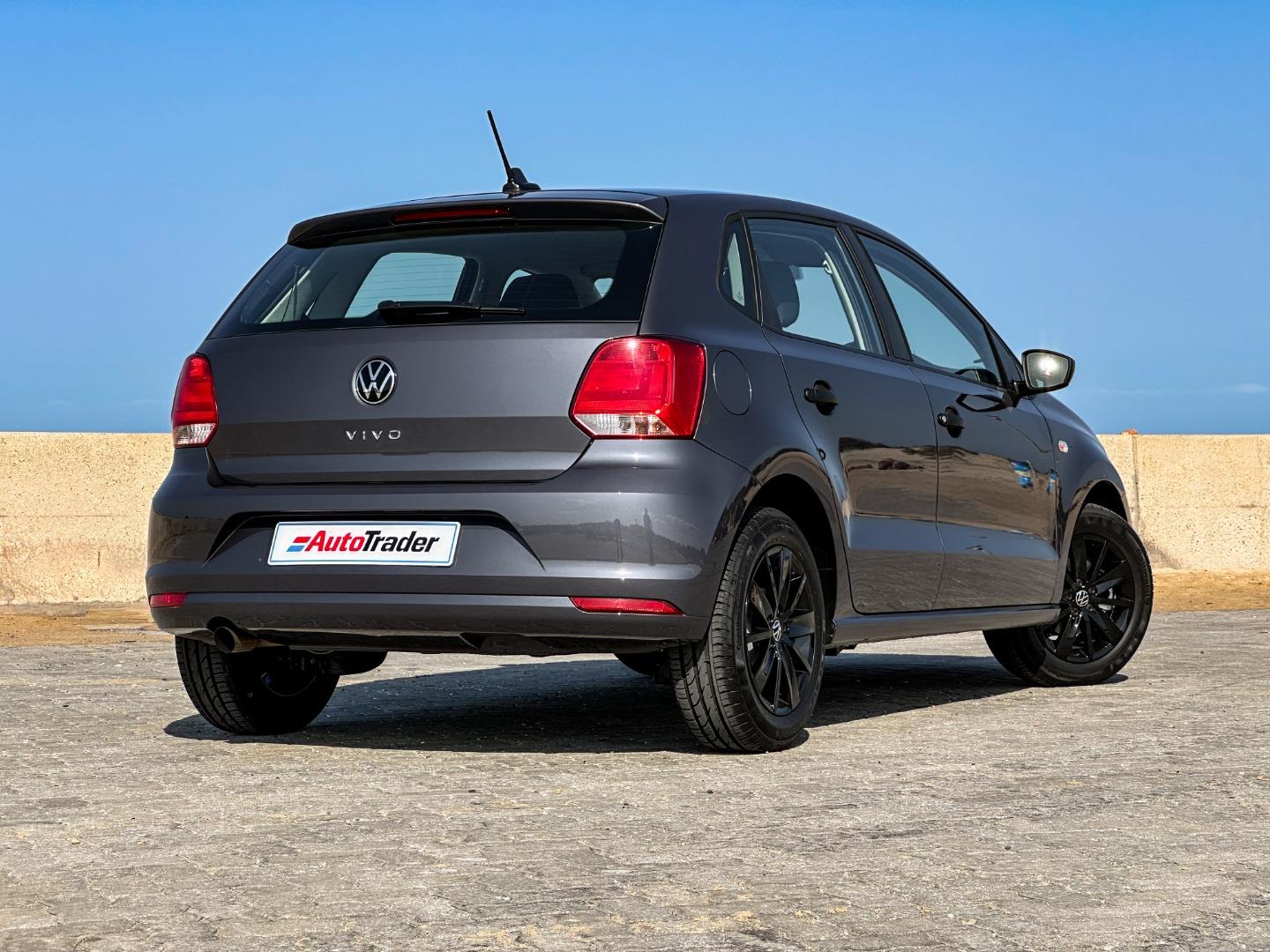
An updated version of the Polo Vivo has been unveiled and will be available at Volkswagen dealerships in September 2024. We headed to the Eastern Cape, where the models are locally developed and built for the South African market. Several other African markets will also receive the updated model. Here's what you need to know about the updated Polo Vivo.
Related: Volkswagen Polo Vivo GT (2023) - Video Review
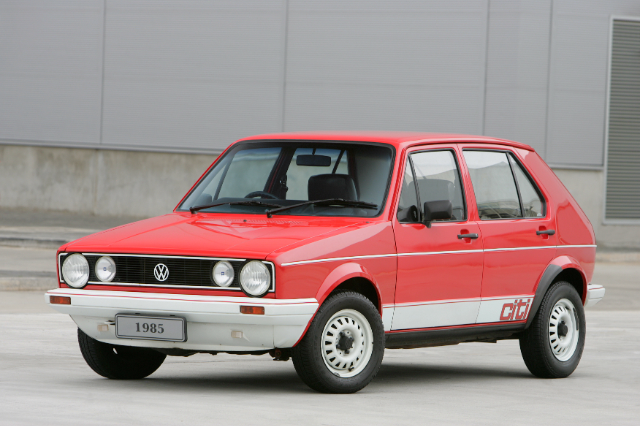
Citi Golf to Polo Vivo
The first generation of the Volkswagen Golf morphed into the beloved Citi Golf, and in the same way, the fourth-generation Polo became the first Vivo. While many still consider the Citi an icon, and rightfully so, it's incredible to think that Volkswagen has sold more Polo Vivos than Citi Golfs, with the former now surpassing 425 000 sales in 14 years versus the 370 000 Citi Golf models sold over 25 years!

Polo Vivo dominance
Since its 2010 introduction, the Polo Vivo has, in the same way as its Citi Golf predecessor, dominated the A0 hatchback segment. The first Vivo, sold from 2010-2017, was based on the VW240 Polo and its PQ24 platform, with a range of naturally aspirated MPI engines cementing it as a frugal, reliable, cheap-to-maintain budget car. Moving on to the current Vivo, introduced in 2018 and based on the 6R Polo and built on the PQ25 platform, the MPI engines remain, but a turbocharged EA211 1.0-litre motor was introduced, too. The more substantial feel of the new car was a big positive, yet its pricing was contentious. Despite this, the brand had nearly 25% of the A0 market at the time of writing with just the Vivo alone!

New Polo Vivo exterior
Some six years later, changes had to be made amidst the introduction of impressive rivals such as the Suzuki Baleno and Toyota Starlet twins. As such, Volkswagen South Africa went about developing the product by itself. You'd be hard-pressed to spot the key differences, but the most notable is certainly on the lower end of the front bumper, where the brand has inserted a blade-style element on either side. The brand has included the new two-dimensional VW logo, which was available in more recent pre-facelift models, too. At the same time, daytime running lights and mildly updated headlights round off the changes in the front.


New Polo Vivo Interior
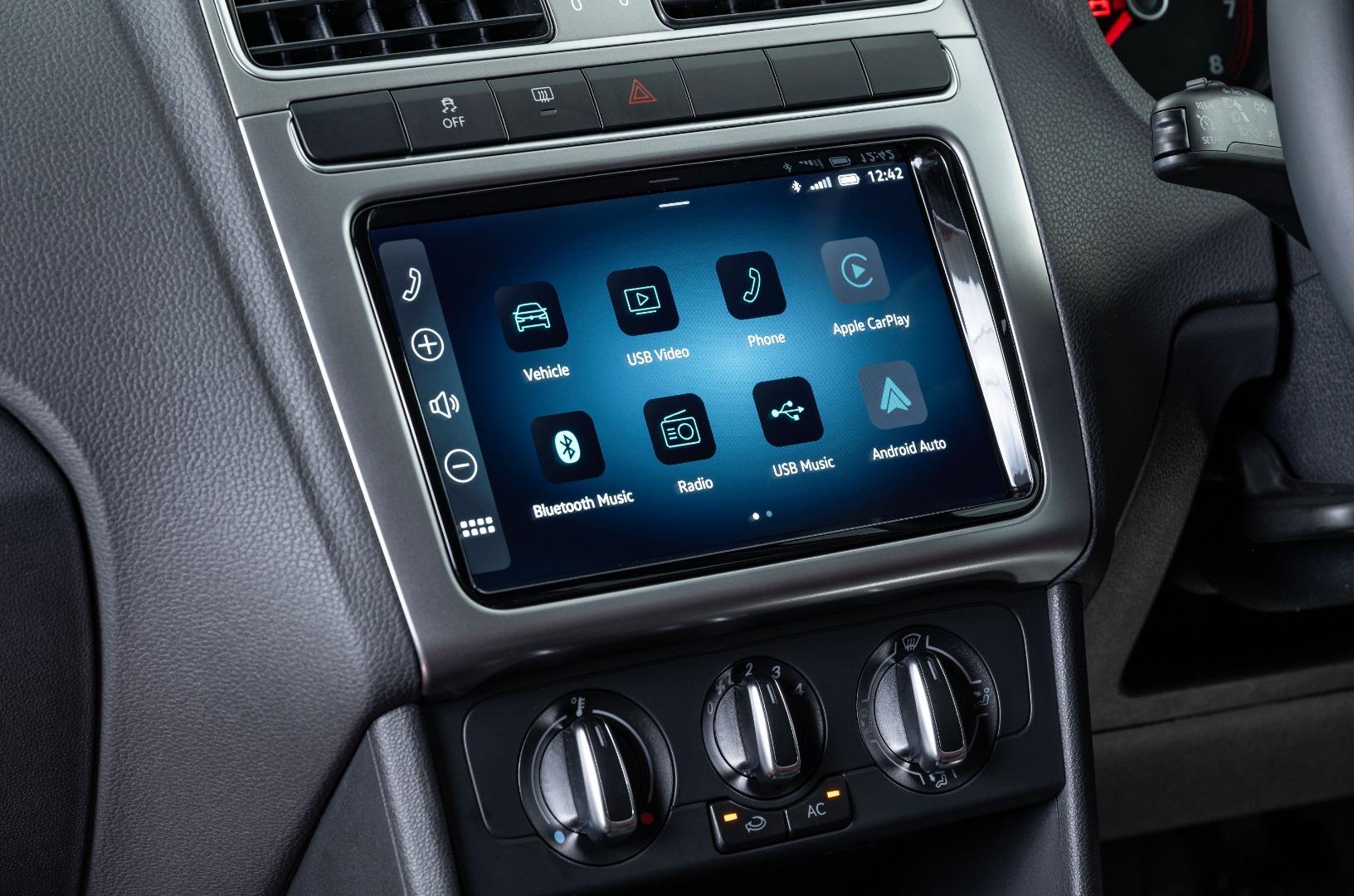
Since the Vivo is targeted at youngsters, the biggest update to the new model is a new 9.0-inch Mirgor infotainment system, which has done away with buttons in favour of screen real estate. The system is easy to use, has solid resolution and features both Apple CarPlay and Android Auto functionality, instantly modernising what is now a nearly 15-year-old interior design! The system is connected to four or six speakers, a problem that will likely be remedied by the new owner at the nearest sound shop!

Volkswagen has also changed the seat design for all models and updated the information display binnacle in the instrument cluster.

Safety
Nothing is more important than safety regarding a car targeted at a younger audience. While the Vivo isn't an impenetrable fortress, there is ABS, Electronic Stability Control (ESC), dual front airbags, remote central locking and additional side airbags mounted in the seat on the Style and GT derivatives. The Vivo, the most common passenger car on local roads, is always a target for hijacking, which must be considered. Prevention is the answer because if everyone stopped buying a specific car, a new best-seller would emerge, becoming the new target for hijacking.
Related: Don’t let it happen to you! Top tips on Hijack Prevention
Grade walk
The Vivo model range remains broadly the same. However, the nomenclature has changed, with the Trendline now being Vivo, the Comfortline now being Life, and the Highline now being Style, with GT remaining unchanged. The range is still offered with 1.4 and 1.6 MPI four-cylinder and three-cylinder 1.0 turbocharged petrol engines.
Vivo 55kW
The base model Vivo is powered by a 1.4-litre 55kW/130Nm that sips fuel at a claimed rate of 5.5 L/100 km. Standard features include a multi-function steering wheel, a 9.0-inch infotainment system, 'Iceberg' cloth seat trim, front electric windows, a full-size spare wheel, body-coloured bumpers,
front fog lights, cornering lights with Daytime Running Lights, dual front airbags, ESP, tyre pressure monitor and hill start assist. The model can be optioned with 15-inch alloy wheels and floor mats.

1.4 and 1.6 Life
The life specification models are available with either a 63kW/132Nm version of the 1.4-litre engine, which is claimed to consume 5.9 L/100km, or a 1.6-litre motor with 77kW/153Nm paired with either a 6-speed manual or 6-speed automatic gearbox. Fuel consumption for the 1.6-litre models is claimed at 6.2 and 6.5 L/100km, respectively.
The Life-spec models come with body-coloured door handles, twin headlamps with integrated high beams, the new 15-inch Ubomi wheels, a new 'Halftone' seat trim, boot lighting and a height-adjustable driver's seat. Options include cruise control, side airbags, rain-sensing wipers, automatic lights, a rear-view camera with rear PDC, a storage pack and floor mats.

1.6 Style
The Style gets the same 77kW/153Nm engine but is only available with a 6-speed manual gearbox. The model features the new 'Quad' cloth seat design on the sport seats, a multifunction display in the instrument cluster, 6-speaker sound, 16-inch Portage wheels, side airbags and cruise control. The same options in the Life model are available in the Style.
1.0 GT
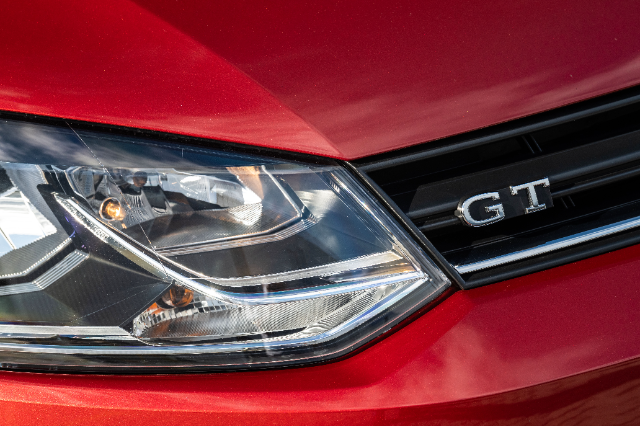
The flagship GT, which also features a new font for its logo, is again powered by a 1.0-litre turbocharged engine with 81kW/200Nm. The top speed is just shy of 200km/h and is claimed to use just 4.8 L/100km. GT models get the 'Sentry' design on the sport seats, a leather-trimmed gear level, 17-inch Mirabeau wheels painted grey, a black painted roof, a spoiler, a chrome-tipped exhaust, bumper and grilled trimmed in chrome, GT badging, sports pedals, floor mats, cruise control and a rain sensor. Options include the Storage Package, Parking Package and an LED Headlights Package.
Limited Black Style Package
The brand has also made just 1 000 Black Style Package models available. These feature a black painted roof, mirror caps, and 15-inch Tosa wheels available on Vivo and Life models.
Pricing
Polo Vivo 1.4 55kW Vivo R266 600
Polo Vivo 1.4 63kW Life R288 500
Polo Vivo 1.6 77kW Life Tiptronic R320 200
Polo Vivo 1.6 77kW Style R318 000
Polo Vivo 1.0 TSI 81kW GT R356 000
*The Volkswagen Polo Vivo comes standard with a 3-year/120 000km warranty and a 5-year/150 000km engine warranty. Service and maintenance plans are optional.
Verdict
The updates made to the Vivo are minor but should be enough to ensure that this budget car continues selling in impressive numbers locally. The pricing may seem steep, but allow me to contextualise it. In 2010, I bought the brand new 6R Polo in Trenline Guise, a comparable car to the base model Vivo sans the infotainment upgrade on the new model. That cost R155 000 14 years ago, and when adjusted for inflation, sits at R315 467.37 at the time of writing, making the R266 600 for the new car seem reasonable.