Before I get into the nitty gritty, please note that this is pure speculation based on quotes from Toyota's Head of Powertrains. With that in mind, let's get into it.
The technical green light—Modular engineering
Toyota's Head of Powertrains, Takashi Uehara, has confirmed that the new V8 engine architecture is built around two critical concepts: Modularity and compliance. The new V8 is rumoured to be a 4.0-litre twin-turbo unit. Crucially, it's designed with a high degree of commonality with smaller Toyota engines (reportedly the new 2.0-litre four-cylinder). This "Lego-block" approach has been emplyed by many brand, perhaps most famously BMW with its B-series of engines. This strategy significantly reduces development and manufacturing costs, making it financially viable to use the engine in a variety of vehicles—not just low-volume supercars.
The game-changer is the admission that the V8 "...can even be engineered as a diesel engine, complete with a full hybrid setup." as stated by Uehara recently.
The diesel factor: This confirms the V8 layout is robust enough to handle the higher compression and internal forces of a diesel cycle.
The hybrid solution: This is the key to unlocking the V8’s future in the face of increasingly strict global emissions legislation (like Euro 7). By integrating a non-plug-in hybrid (full or mild hybrid) system, the V8 diesel can achieve:
Emissions Compliance: The electric motor assists during low-speed driving and start-stop functions, significantly reducing CO2 and Nitrogen Oxide (NOx) output.
Torque Flattening: The electric motor provides instant, massive torque at zero RPM, eliminating the dreaded turbo lag and making for phenomenal low-end responsiveness—perfect for South African towing and serious off-roading.
In short, the technical barriers preventing the old V8 diesel from continuing have been resolved by marrying it with electric assistance.
Why the V8 Diesel is sacred
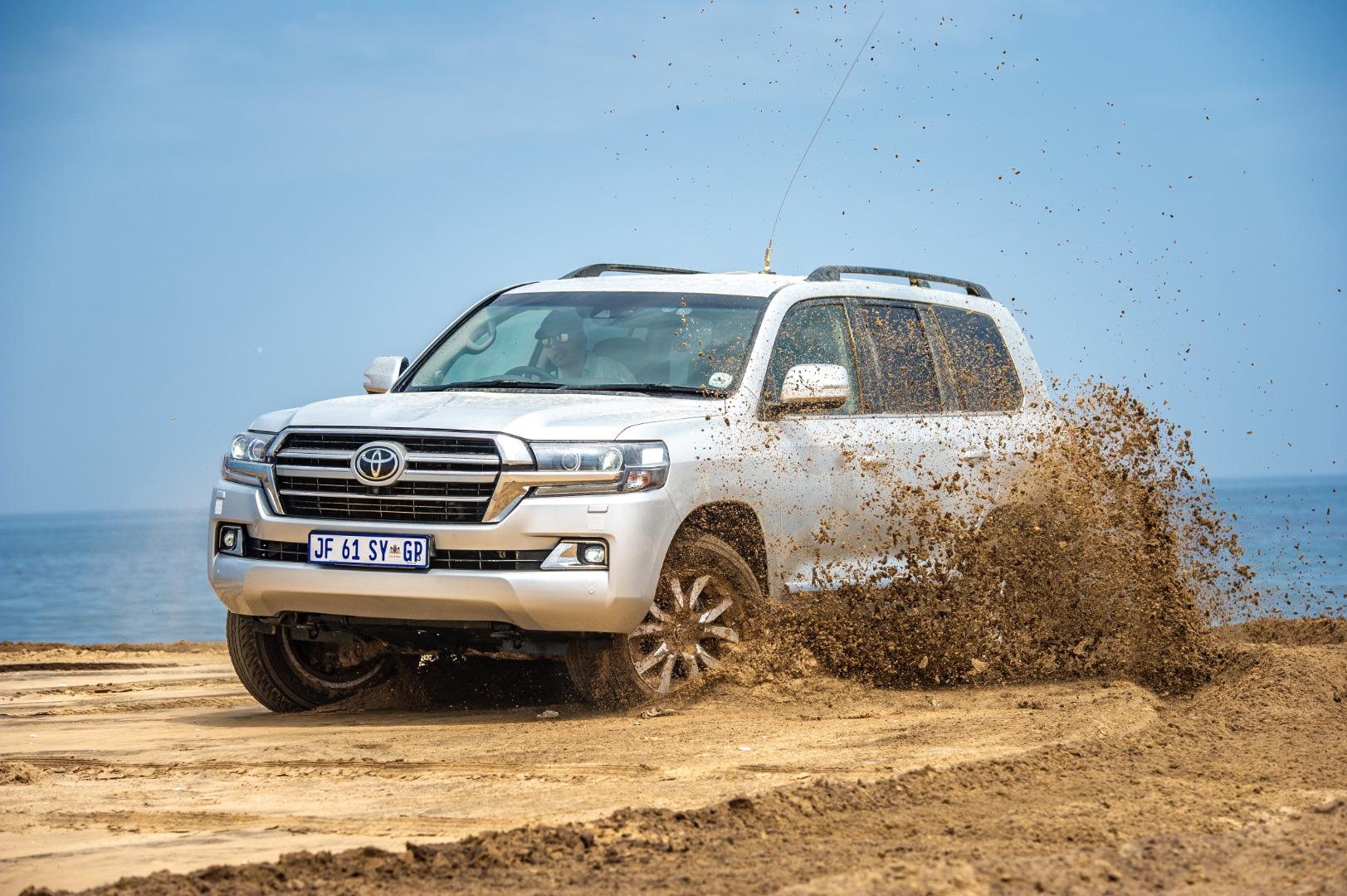
In South Africa and Australia, the V8 diesel is not merely a preference; it’s a cultural cornerstone of the utility and 4x4 segment.
The average price for the V8-powered Land Cruiser 200 models is still strong, depite high mileage.
Market demand is not a "nice-to-have"; it's a business imperative in key global markets that Toyota cannot ignore.
Model-specific feasibility
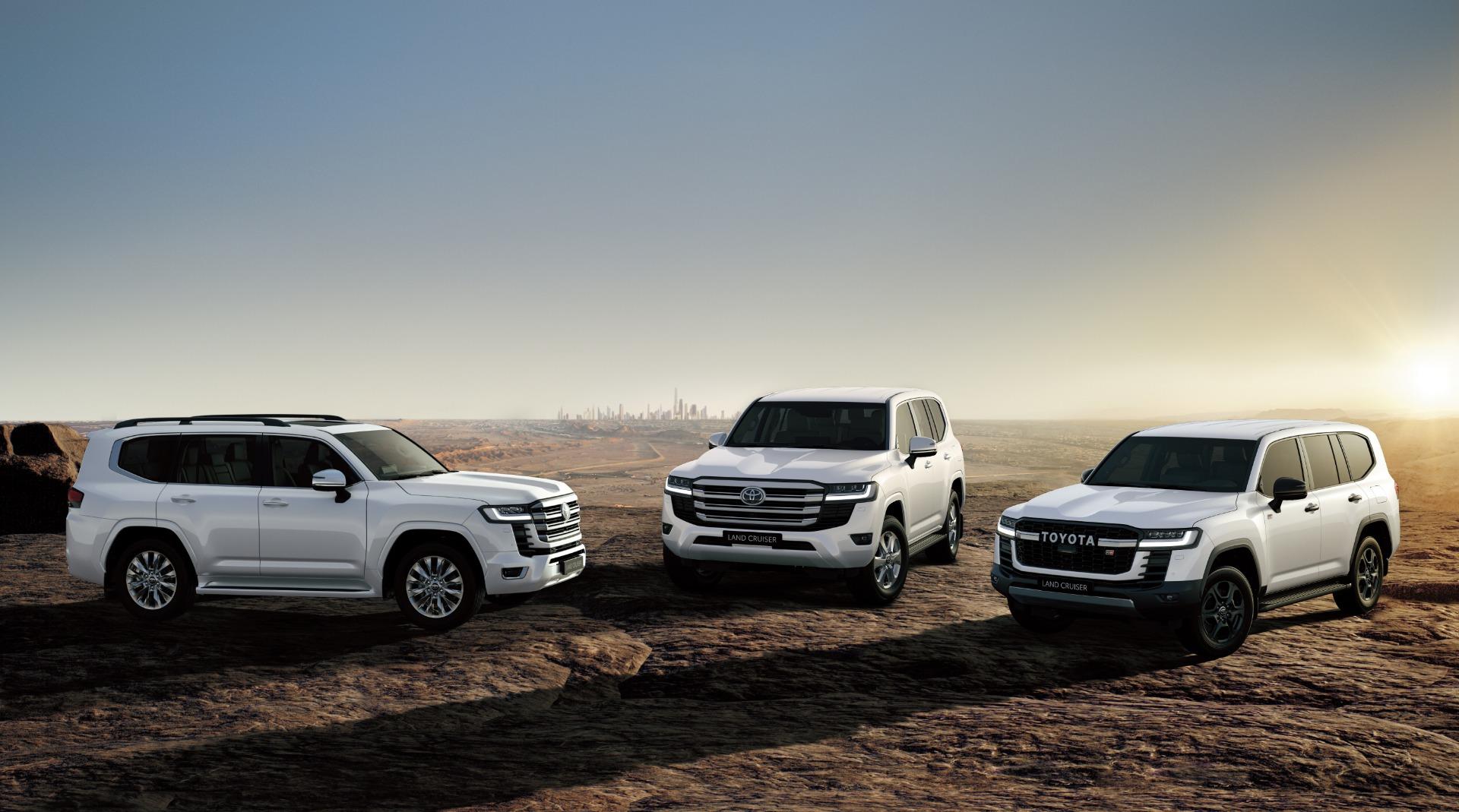
1. Toyota Land Cruiser 300 (LC300)
Feasibility: High
The LC300 is the most logical recipient. The V6 diesel is already a world-class engine, but a 4.0-litre V8 Diesel Hybrid variant would serve as the undisputed global flagship.
The Proposition: A LC300 VX-R V8 Hybrid would command a significant price premium (likely upwards of R2.5 million), but it would sell out instantly to the high-end private and fleet buyers demanding the most power and prestige.
Engineering Fit: Uehara’s comments directly imply the V8 block can fit where the V6 currently sits. The hybrid components (battery pack, electric motor) can be integrated into the existing modular architecture (TNGA-F platform), similar to how they plan to hybridise the Tundra and Sequoia.
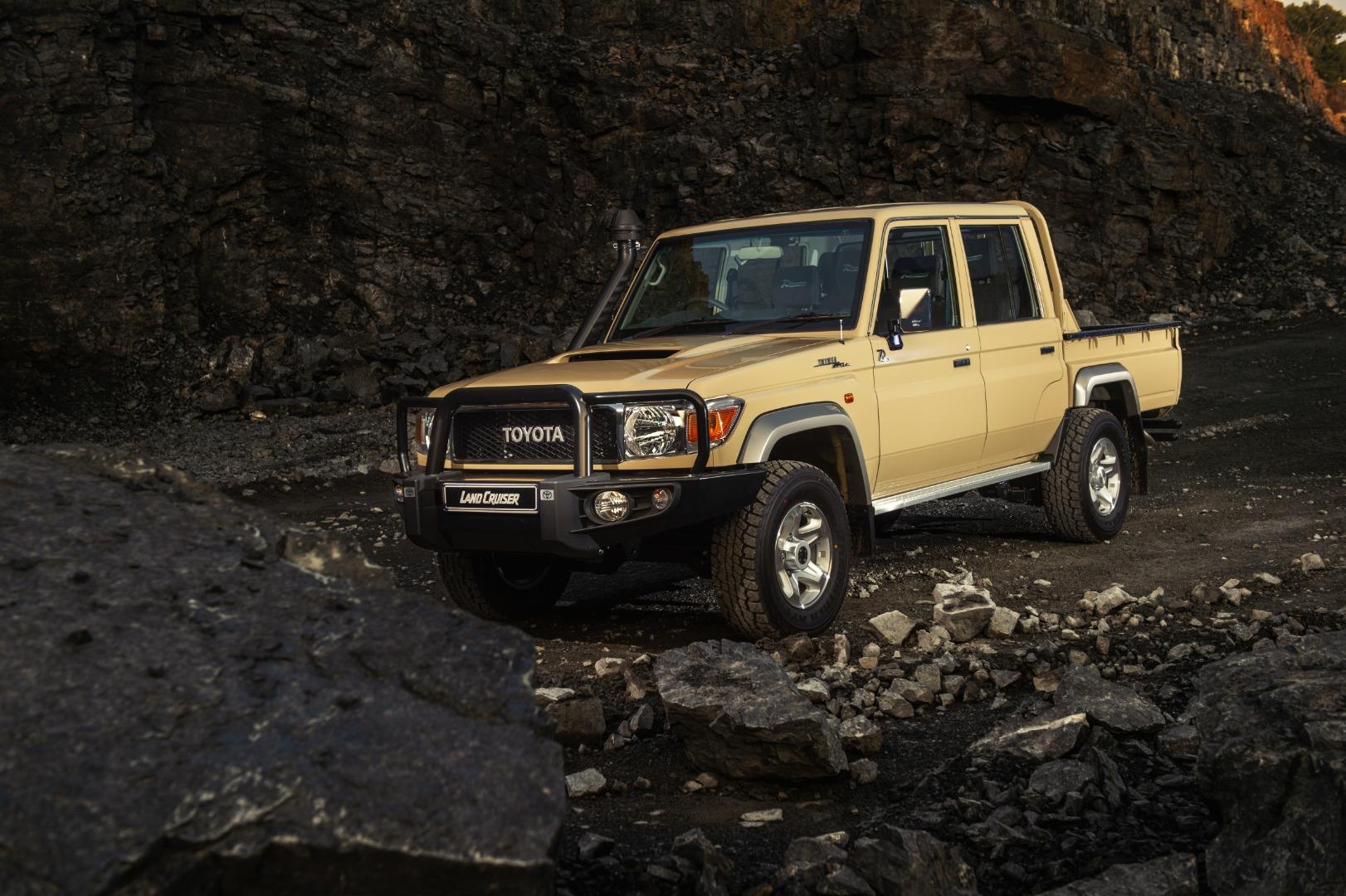
2. Land Cruiser 70-Series (LC70)
Feasibility: Medium-High (Long Term)
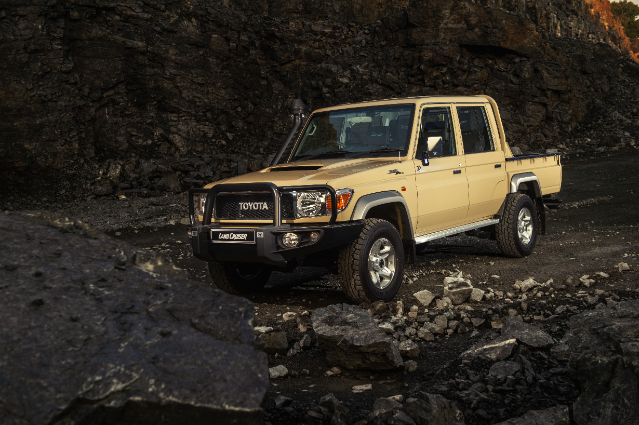
The recently updated LC70 uses a new 2.8L four-cylinder diesel alongside the ageing 4.5L V8 diesel (1VD-FTV). Emissions limit the future of the 1VD-FTV.
The proposition: A bespoke, non-hybrid version of the new V8 diesel, perhaps detuned for longevity and simplicity, is the most natural replacement for the 1VD-FTV. Given the LC70's status as a lifetime vehicle, the extra cost of the full hybrid system might be too much for the typical buyer (fleet, mining, farm).
The perfect scenario: Toyota could introduce a stripped-down, mechanical-injection version (if feasible) of the new diesel V8 for the LC70 to ensure the lineage continues without the complexity of a hybrid system, preserving its workhorse reputation.
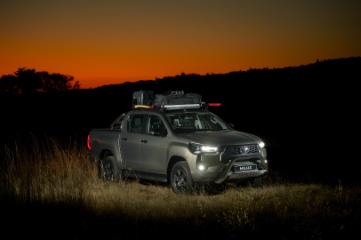
3. Toyota Hilux (Special Editions)
Feasibility: Low
A factory-fitted V8 Hilux is technically the most significant stretch, but would have the biggest marketing and emotional impact, not to mention offering serious competition for the likes of the Ford Ranger Raptor.
The challenges:
Packaging: The Hilux engine bay is smaller than that of the LC300. Fitting a V8, and especially one with twin turbos and hybrid components, would require significant re-engineering of the frame and front clip.
Cost & ROI: The resulting price tag would push it far beyond the current R1 million mark, making it a very low-volume Halo product rather than a mainstream seller.
The justification: If Toyota wants a definitive answer to the performance bakkies from Ford and others, a Hilux GR V8 Diesel could be the ultimate "bakkie with a badge." It would be a factory-authorised competitor to specialist tuners, designed to offer enthusiasts
Conclusion
The biggest hurdle—technical feasibility with emissions compliance—has been cleared. Toyota has developed an engine that can serve as a high-performance petrol V8 for the Lexus LFA successor and a high-torque diesel V8 hybrid for other models.
The question is no longer can they, but will they. The decision now rests on the business case: Is the combined demand from key V8-loving markets (Australia, South Africa, and the Middle East) strong enough to justify the manufacturing investment for a high-volume unit?