The Chinese car influx: Why are there so many brands entering SA?
China's massive domestic overproduction of cars is forcing its automakers into a relentless global export drive. Learn how this flood of affordable, feature-rich vehicles is reshaping South Africa's car market, driving price wars, and potentially establishing a new global manufacturing hub on African soil.

The overcapacity push: Finding a home for ICE cars
Exporting ICE: Due to the rapid transition to electric vehicles (EVs) in China, the domestic market for traditional Internal Combustion Engine (ICE) vehicles has collapsed, leaving immense overcapacity in their ICE factories.
Market receptivity: South Africa, like many emerging markets in the Global South, is still a predominantly ICE market. Consumers are highly price-sensitive, and the infrastructure for charging EVs is still nascent. This makes it an ideal destination to sell the surplus of modern, affordable, gasoline-powered cars that can no longer compete in China.
Market opportunity and value proposition
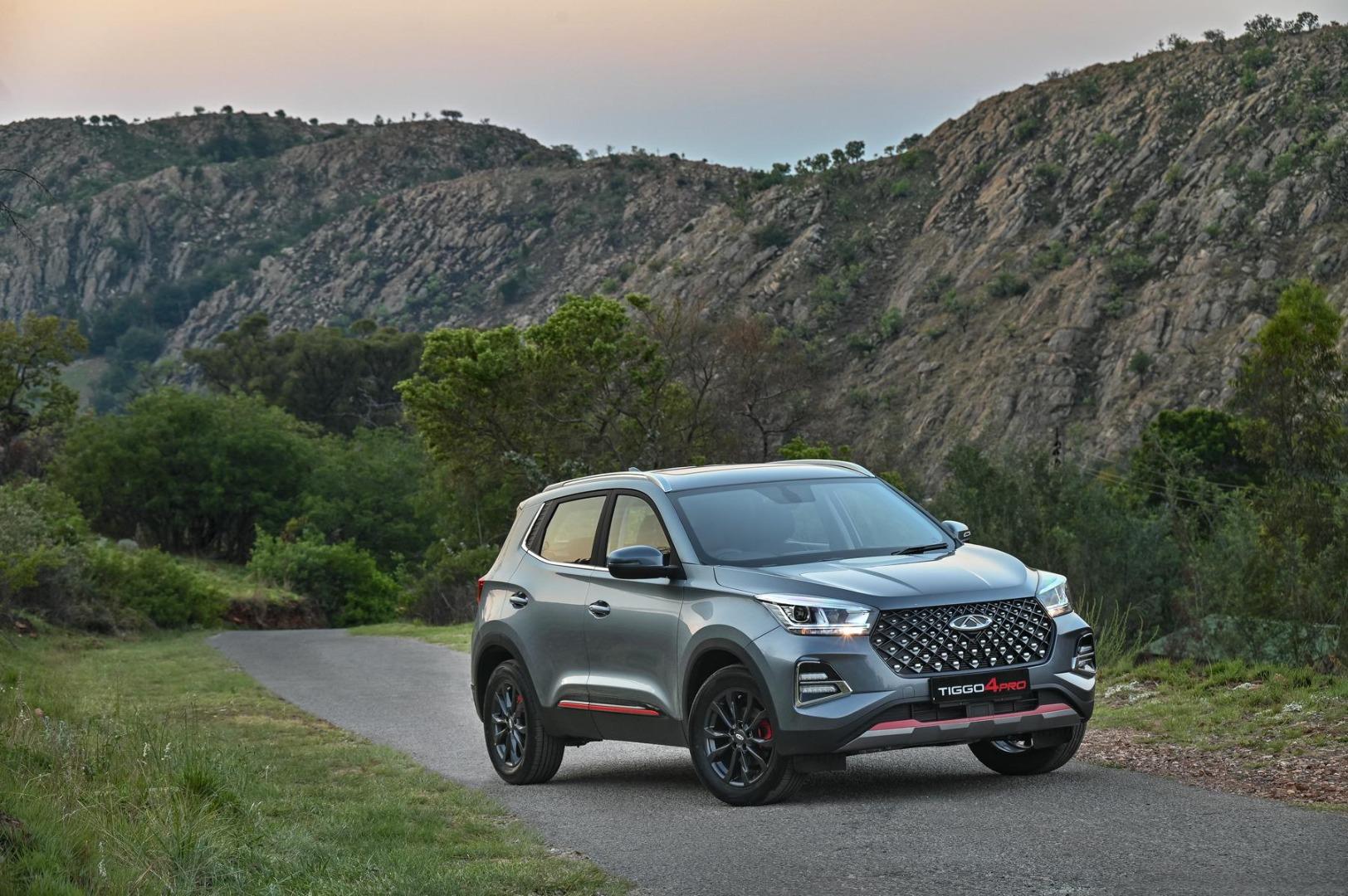
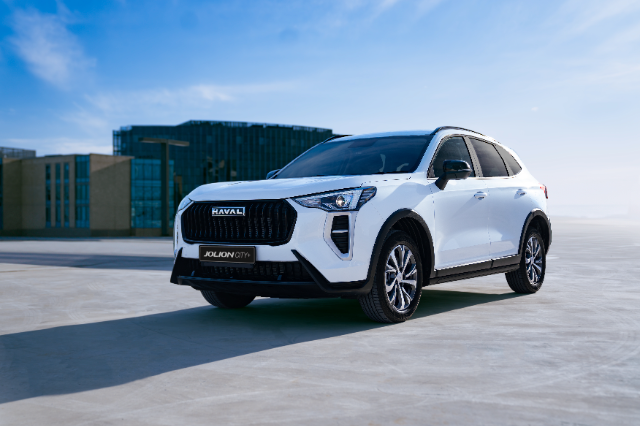
Affordability and value: South African consumers, facing rising costs and economic pressure, are increasingly prioritising value. Chinese brands like Chery and Haval have successfully undercut traditional European and Japanese competitors by offering feature-rich SUVs (a highly popular segment) at significantly lower prices, made possible by economies of scale and alleged price subsidising from China. They are appealing to the middle class, looking to "buy down" to a more affordable, yet modern, vehicle.
Technological catch-up: The quality and technology of Chinese cars have dramatically improved. They offer advanced features (semi-autonomous driving aids, modern infotainment, etc.) that were previously exclusive to luxury or high-end models, providing a strong value-for-money proposition.
South Africa as a gateway to Africa
Regional hub: South Africa is widely recognised as the automotive manufacturing and trade hub for the entire Southern African region and often the wider African continent. Establishing a strong presence here is a crucial first step for brands seeking to achieve continental dominance.
AfCFTA Potential: Future integration under the African Continental Free Trade Agreement (AfCFTA) makes local production in South Africa an even more attractive long-term strategy for accessing other African markets duty-free or with favourable tariffs.
Strategic manufacturing and export base
Export incentives: Our local government actively promotes local manufacturing through programs like the Automotive Production and Development Programme (APDP), which offers financial incentives and benefits.
Access to Europe: South Africa has preferential, duty-free trade access to Europe for specific products. For Chinese automakers, local assembly (or even complete manufacturing) in South Africa could offer a way to bypass potential Western tariffs and export their New Energy Vehicles (NEVs) to the lucrative European market. Chinese companies are already conducting feasibility studies to establish assembly plants in the country.
In essence, the aggressive move into South Africa is a dual strategy: immediately relieving the pressure of overcapacity by exporting current models, while simultaneously establishing a long-term strategic foothold for future manufacturing and expansion across the African continent.
The Impact
Loss of market share
The most direct impact is the visible drop in market share for traditional players.
Rapid Chinese growth: Chinese brands have rapidly increased their presence, moving from approximately 2.8% of the new vehicle market in 2020 to around 11.8% to 15% by 2024/2025. Brands like Chery (with the Tiggo range) and Haval (GWM) have successfully broken into the top-selling charts.
The squeeze: This growth is often coming at the expense of non-market leaders, particularly European and Japanese volume brands (like Renault, Honda, Nissan, and parts of the VW Group) and Korean brands (like Hyundai and Kia) that compete heavily in the middle-to-lower price segments. Although it remains the dominant force, Toyota is no doubt taking note of the influx of Chinese brands into SA!
The feature-price war
Chinese brands have effectively reset consumer expectations for value for money.
They offer more features (e.g., modern infotainment, leather interiors, advanced safety features, sophisticated SUVs) for the same price or even lower prices than a comparable stripped-down model from a Japanese or European competitor.
This forces traditional brands to either sacrifice margins by adding more features or reduce their prices to remain competitive, creating a brutal price war they historically avoided.
Shift in consumer loyalty
Younger, price-sensitive buyers are proving less loyal to legacy brands.
The new generation of South African buyers is looking for modernity and affordability over decades of brand heritage, accelerating the switch to Chinese brands.
The response of traditional automakers
The reaction from Japanese and European manufacturers has been a combination of strategic shifts and aggressive defence:
The pricing and product defence (Japanese and Korean)
Focusing on entry-level: Japanese and Korean automakers (like Suzuki and Toyota) are countering by heavily importing extremely budget-friendly models (e.g., Suzuki Swift, Toyota Vitz, often imported from India) to compete directly with the low-cost Chinese imports and maintain their volume.
Leveraging reliability: They are heavily marketing their established reputation for reliability, durability, and better resale value, which remains a strong selling point against the still-growing trust in Chinese brands.
Protecting core segments: Brands like Toyota and Ford are defending their dominance in the bakkie market (Hilux and Ranger). In this segment, Chinese brands are only beginning to make serious inroads.
The strategic shift (European and Global)
Embracing Chinese tech: Some global brands, like Volkswagen, have acknowledged the competitive threat. Globally, they are responding by partnering with or acquiring technology from Chinese EV leaders (e.g., VW's deal with Xpeng) to quickly close the technology gap, especially in the EV space.
Reviewing local production: The South African government is in talks with Chinese automakers to establish local assembly (or manufacturing), especially for hybrids and EVs. If this materialises, it would be a significant shift, putting pressure on established European manufacturers (like BMW, Mercedes-Benz, and VW) that have been the backbone of South Africa's export manufacturing industry. They will need to accelerate their own local EV and hybrid plans to retain government support.
In summary, the Chinese expansion is creating a two-tiered market:
High-volume, price-sensitive: Dominated by Chinese, Japanese, and Korean imports focused on value and features.
Premium/luxury & core bakkie: Still held mainly by European, Japanese and American brands, but with increasing pressure from more premium Chinese sub-brands.
The traditional players are currently on the defensive, forced to innovate or cut prices to keep pace with the influx of feature-rich, affordable Chinese models.