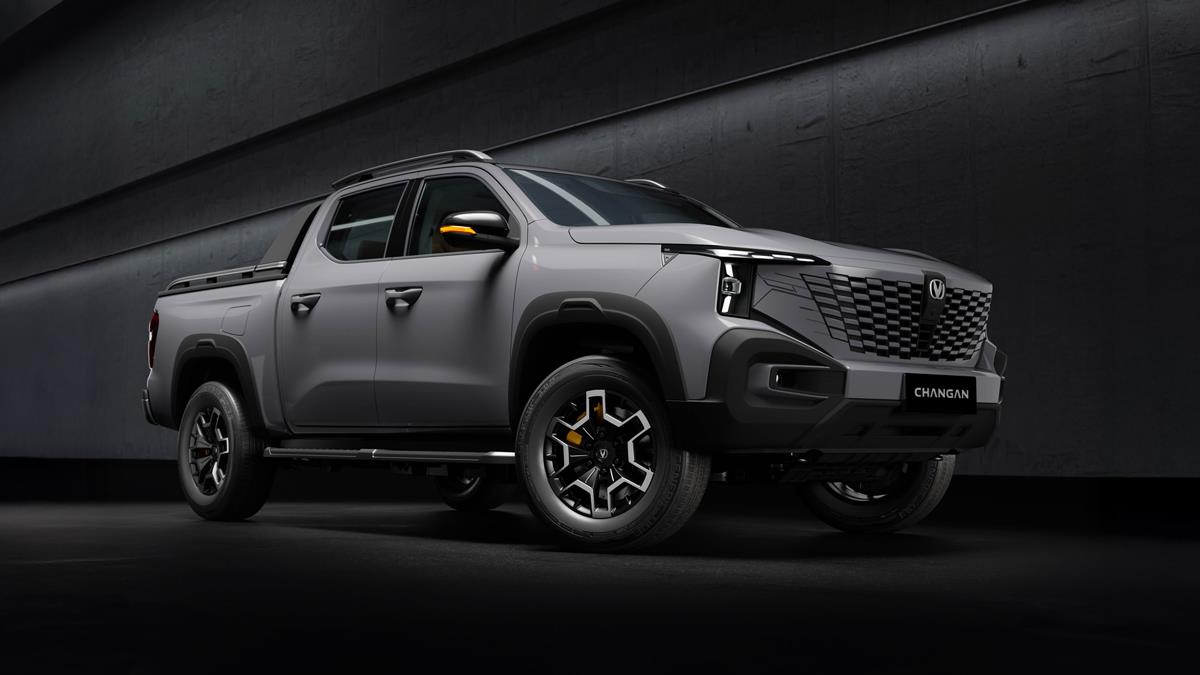

The Changan Hunter REEV (Range-Extended Electric Vehicle) is the world's first range-extended electric bakkie. It combines a 31.2 kWh battery with a 2.0-litre turbo petrol generator and is priced from R799 900 with a 5-year/150,000km warranty. It is a bit of a disruptor in the local bakkie world.
Related: Changan Hunter vs Foton Tunland vs LDV T60: Which one has the lowest running costs?
Unlike a traditional hybrid, the 2.0-litre petrol engine under the hood never actually drives the wheels; it’s just a portable generator that keeps the battery topped up while the electric motors do the heavy lifting. Whether you should buy one depends on if you're looking for a lifestyle cruiser or a hardcore workhorse.
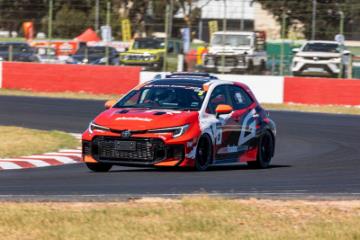
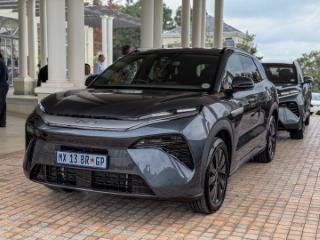
Changan Hungter REEV pricing versus BYD Shark 6

The Pros
Electric drive smoothness: Since the wheels are 100% driven by electric motors, you get instant torque ($470\text{ Nm}$) and whisper-quiet operation. It feels much more refined than a clattery diesel, especially in stop-and-go traffic.
Performance: It’s deceptively quick. With a 0–100 km/h time of around 7.9 seconds, it will outrun most mainstream diesel pickups (like the Hilux or Ranger) at a green light.
Fuel versatility: You get the benefits of an EV for short commutes (roughly 100–145 km of pure electric range) without "range anxiety." On long trips, the petrol generator kicks in to provide a total range of over 1 000 km.
V2L (Vehicle-to-Load): It essentially acts as a giant power bank. You can plug tools, camping fridges, or coffee machines directly into the 220V outlet in the load bed.
Price-to-Feature Ratio: You get a 12.3-inch touchscreen, 540-degree cameras, and a modern interior for significantly less money than a top-spec hybrid like the BYD Shark 6 or a high-end Ford Ranger.
Cons
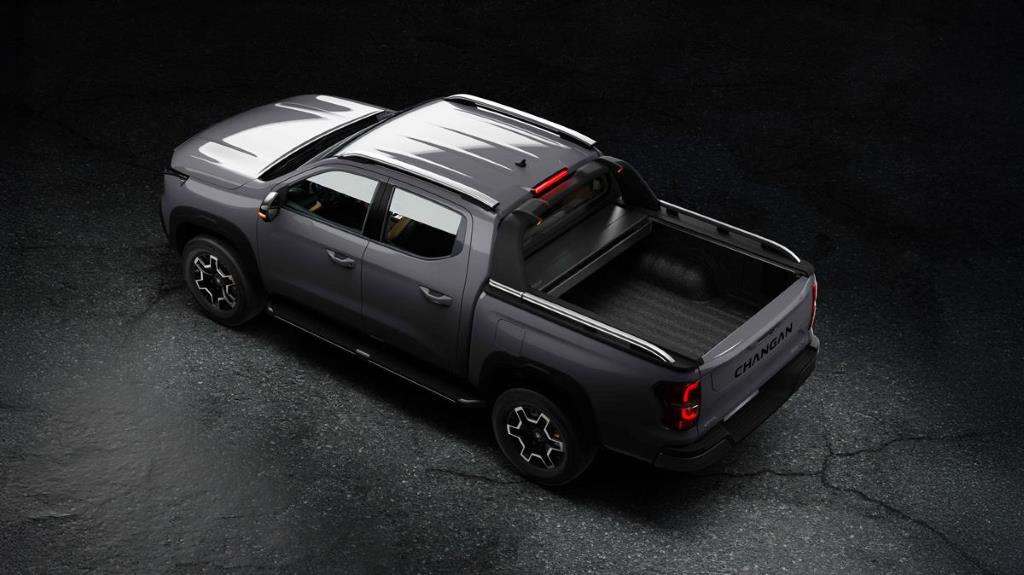
Low Payload & Towing: This is the biggest dealbreaker for "real" truck work. The payload is modest (around 495 kg in some trims), and the towing capacity is capped at roughly 2 000 kg – 2 200 kg. Most diesel rivals can pull 3,500 kg.
Off-Road Vulnerability: While it has 4x4 capability, the rear electric motor sits quite low. This limits ground clearance (220 mm) and makes the motor casing a "snag risk" on jagged rocks.
Lack of a Spare Wheel: In many configurations, the rear motor takes up the space where a full-sized spare would usually go. Not ideal for remote overlanding.
Tech Quirks: Early reviews often mention "buried" menus. Important things like light controls or driving modes are sometimes hidden in the touchscreen rather than having physical buttons.
Unproven Long-Term Resale: While Changan is a global giant, the REEV tech is new to the pickup segment. Resale value and long-term battery durability in a rugged "work" environment remain unknown.
Comparison at a Glance
| Feature | Changan Hunter REEV | Typical Diesel 4x4 |
| Drive Feel | Silent, instant torque | Loud, turbo-lag |
| 0-100 km/h | ~7.9 seconds | ~10-12 seconds |
| Towing (Braked) | 2,000 – 2,200 kg | 3,500 kg |
| Payload | ~500 kg | 800 – 1,000 kg |
| Best Use | City/Suburb & light off-road | Heavy hauling & Overlanding |
Before You Buy - Test These
- Test drive the infotainment system thoroughly - connect your phone, test CarPlay/Android Auto
- Calculate your daily driving - will you actually use electric mode most days?
- Verify your charging setup - do you have reliable home charging?
- Get warranty terms in writing - especially for battery/high-voltage components

Verdict
The Hunter REEV is a compelling package for buyers who want bakkie capability with electric efficiency, but the infotainment bugs and first-generation technology make it better suited to early adopters than to those seeking a polished, proven product. Buy it if you want a futuristic, comfortable daily driver that can handle weekend camping and save you a fortune on fuel during your daily commute. Skip it if you frequently tow heavy trailers or plan on doing serious rock-crawling.