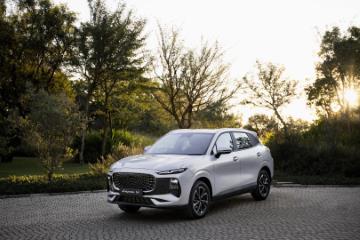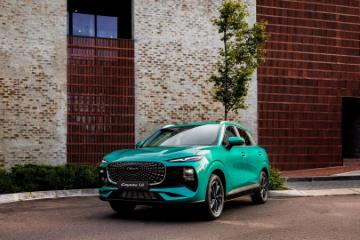


While the Lepas brand is a sub-brand of Chery, just like Jaecoo and Omoda, Lepas have a different style and ethos. Firstly, the name comes from combining "leopard" and "passion", the former evoking the animal's elegant and capable nature, and the latter the lifestyle of the typical owner. Of course, there is the "Leopard Aesthetic" design, which can be seen in elements such as the curves and, more notably, in the daytime running lights.
Before we get into our experience with the models, remember that you can sell your car quickly and easily on our website here, and you can also search for new or used Lepas models on AutoTrader here.
Auto China 2026
The main reason behind AutoTrader's visit to Beijing, China, was the Auto China 2026 show, where we saw a large number of new models launched by the Chery Group and its sub-brands. This included the launch of the Lepas L4 EV, Lepas L6 EV, Lepas L6 LSH PHEV and the flagship Lepas L8 LSH PHEV model.
A quick way we noticed the brand's excitement around these newcomers was the fact that, for the first time in six visits to China, this writer didn't just get the opportunity to sample the vehicles in a car park with dynamic layouts, but also got to drive both the L6 LSH and L8 LSH over hundreds of kilometres from Wuxi in the Jiangsu province in China, to the bustling city of Wuhu in the Anhui province. From first-hand experience and information attained from a reputable source, here is what we found.
Related: Lepas launches new models at Auto China 2026
Driving Lepas L6 LSH PHEV
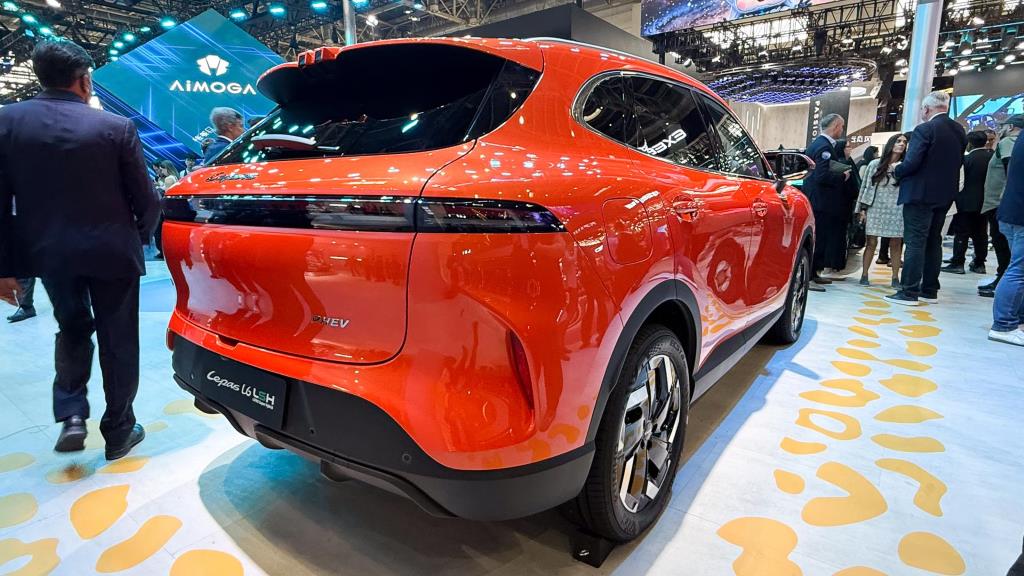
The Lepas L6 slots between the L4 and flagship L8 models as a C-segment SUV. Already an attractive package, the brand further bolstered its appeal with a plug-in hybrid drivetrain and a fully electric derivative. We got to sample the L6 LSH (Lepas Super Hybrid) PHEV derivative, but first, the styling.
Taking the Leopard theme and the design language across the L4, L6, and L8 ranges into account, it is no secret that this brand wants to appeal to Jaguar fans. And while styling is a subjective matter, we must admit that, for us, they are doing a really good job of it. Up front on the L6 LSH is a large mesh grille, which is flanked by LED headlamps lower down, and then the LED "Leopard Eye" daytime running lights up top.
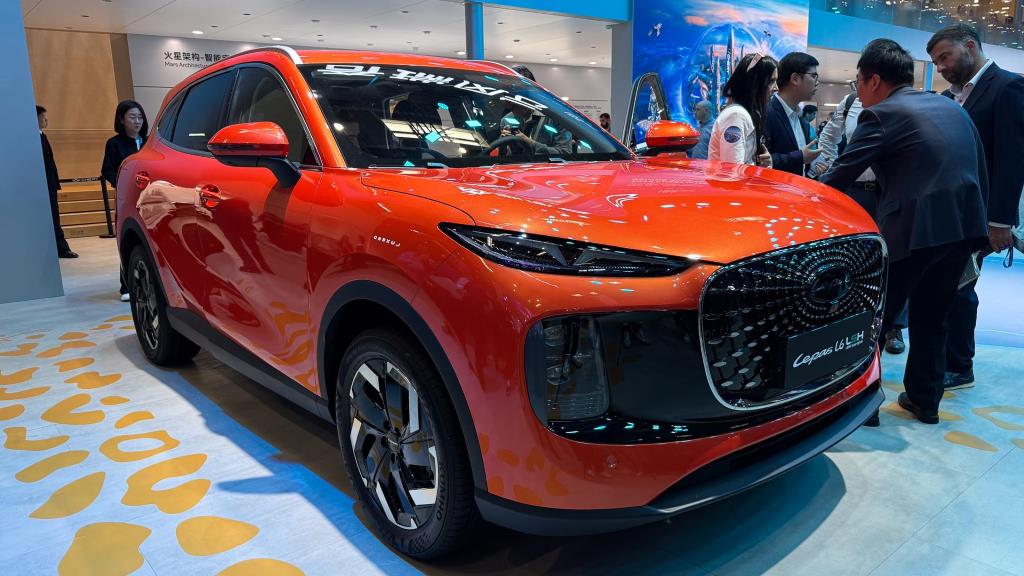
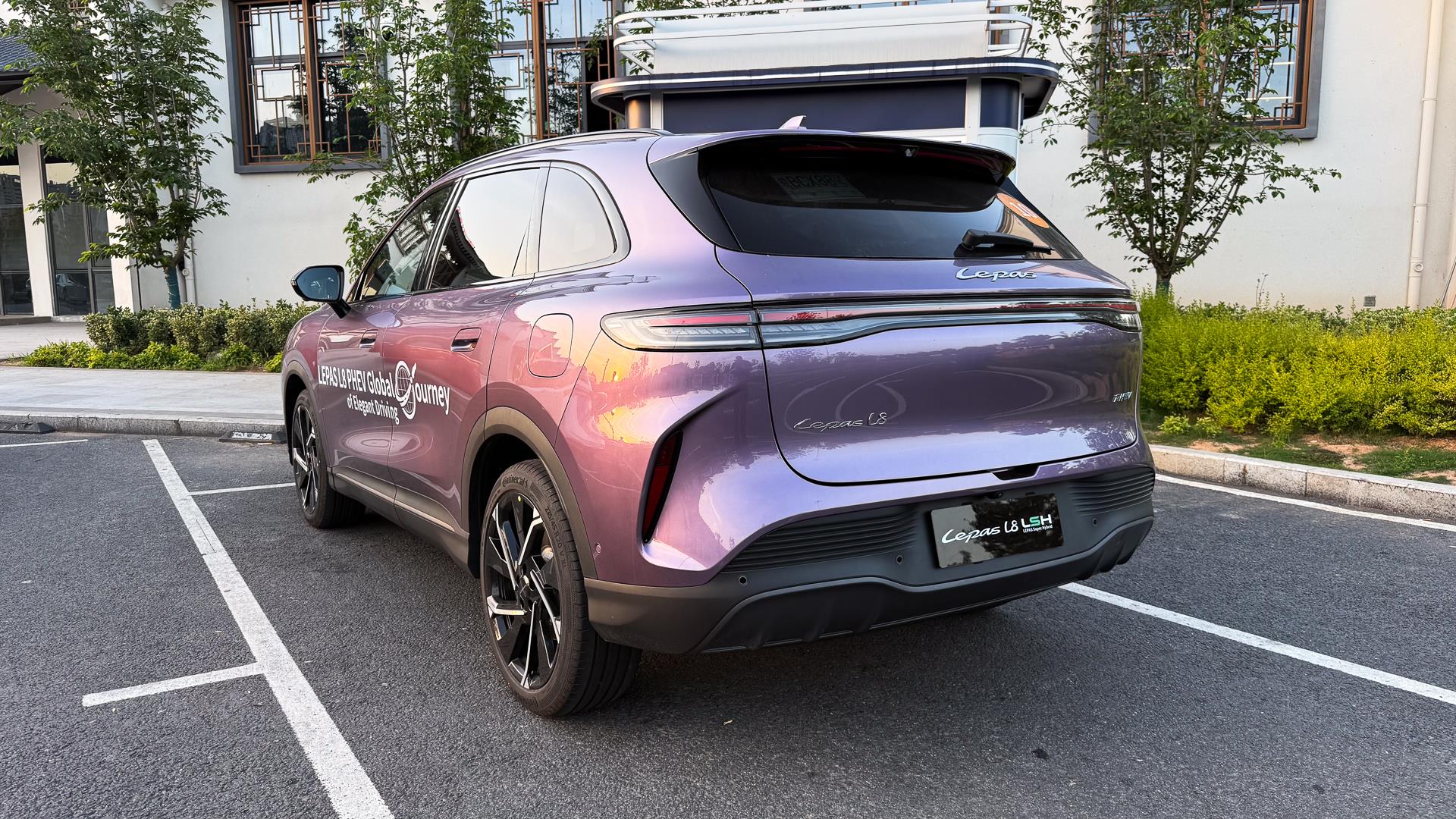
Down the sides, you get 19-inch alloy wheels as well as a sculpted silhouette further accentuated with the chrome window surrounds. At the back, a lightbar spans the width of the car and serves as the taillamps and brake lights. The styling is clean and inoffensive. The same can be said for the interior.
Up front, there are ventilated seats and a clean, uncluttered dashboard, the latter because most HVAC adjustments are made on the 13.2-inch touchscreen infotainment system, which is compatible with wireless Apple CarPlay and Android Auto. There is a 50W wireless charging pad for smartphones; USB-C and USB-A ports are also available.

In front of the driver is an 8.88-inch digital instrument cluster that displays both the vehicle speed and driving statistics, such as fuel and electricity consumption, but also provides feedback on a host of standard ADAS features, including Lane Departure Warning, Lane Keeping Assist, Adaptive Cruise Control, and the Driver Attention Monitoring system.
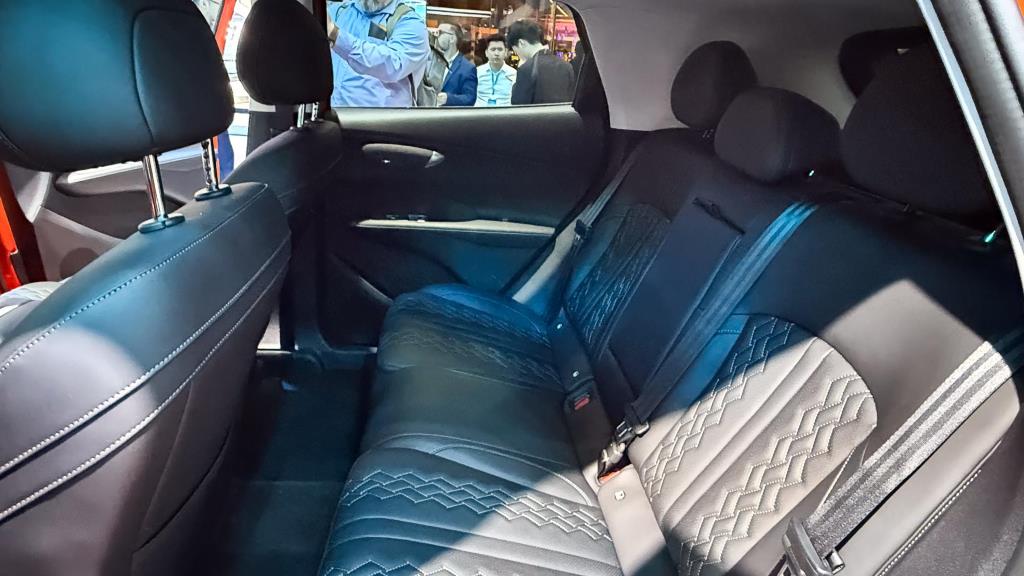
As for the sound system, it is a 6-speaker Sony system that is not top-tier, but it still performs respectably, with nice, deep bass and clear treble. Overall, the cabin is well equipped and rather spacious, with even the rear occupants getting plenty of leg, shoulder and headroom, while the model retains a 397-litre boot capacity.
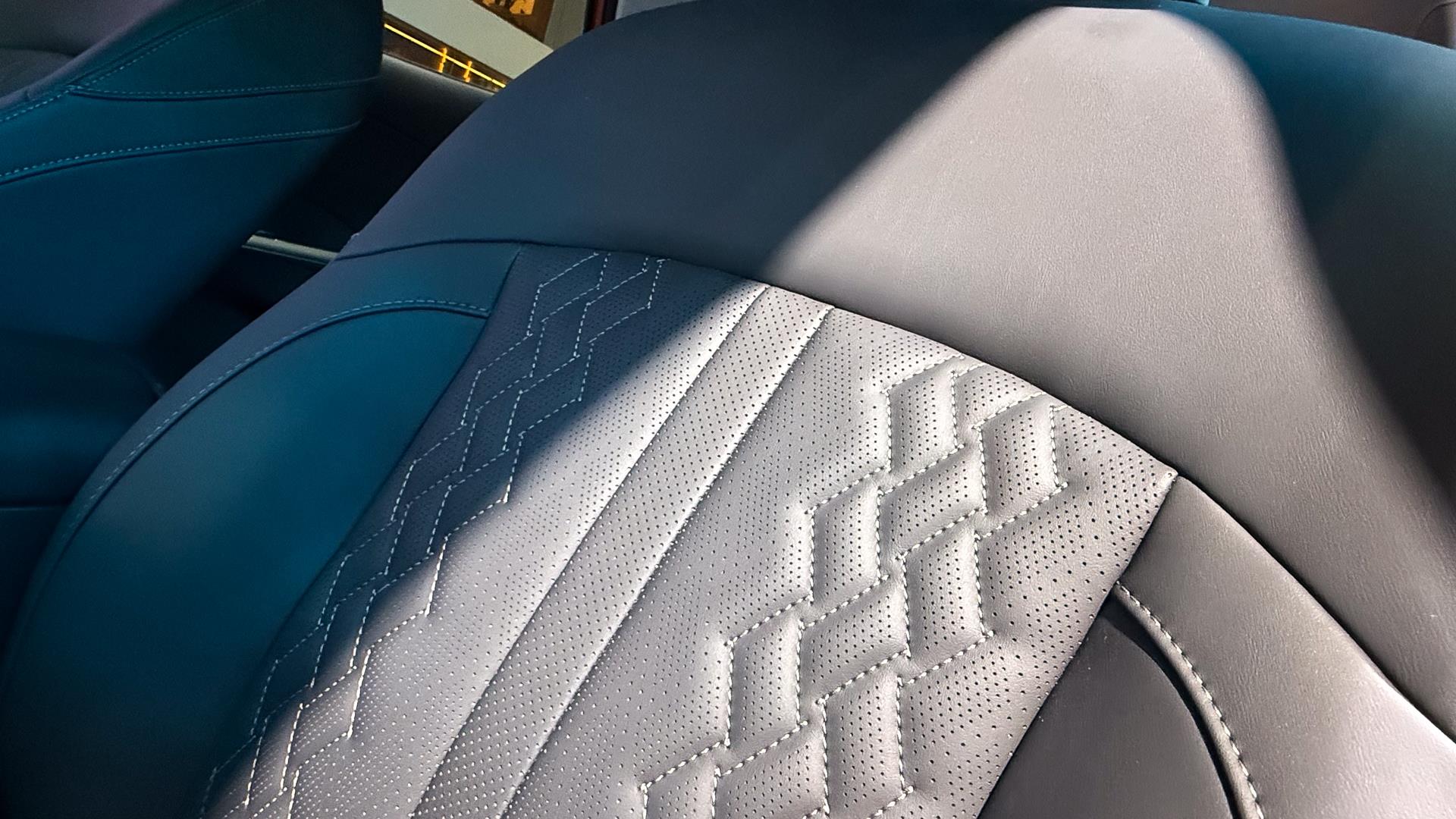
You get dark leather-like upholstery on the seats, which gives it a premium feel; however, the door cards feature many hard materials and plastics, which slightly detract from that feel. The roofliner, which surrounds the panoramic sunroof, is a bright material like that found in most C-segment SUVs
Under the bonnet, Lepas has paired a 1.5-litre, turbocharged, 4-cylinder petrol engine with an electric motor, which powers a DHT (Dedicated Hybrid Transmission) and then the front wheels. This combination results in 205 kW and 365 Nm of torque, which, while the acceleration is brisk at 8.7 seconds from 0-100 km/h, is more geared towards efficiency.
Lepas claims that if the 18.4 kWh Lithium Iron Phosphate battery is fully charged, and the vehicle is filled up, you should be able to cover around 1 200 km. Of course, this assumes you achieve the claimed average fuel consumption of around 5.0 L/100 km. During our stint, which was split 60% highway and 40% urban, we achieved around 5.9 L/100 km. We believe this is because the powertrain is better suited to city and/or urban conditions, where the electric motor does more of the heavy lifting.

As for the suspension, the primary ride is sufficiently dampened for a nice, compliant drive, and it's been well calibrated to mitigate pitching and rolling over large bumps. The secondary ride is slightly harder with small imperfections on the road surface felt in the cabin and through the steering wheel. But overall, the Lepas L6 LSH provides a nice driving experience, even in more dynamic situations.
In conclusion, we were rather impressed with the Lepas L6 LSH package and think that it will meet the needs and, in many instances, exceed the expectations of South African car buyers. As with any new car, the most important part is where the model pricing is going to land. But that will be revealed at the local launch, which we suspect will happen in Q2 of 2026.
Driving Lepas L8 LSH PHEV
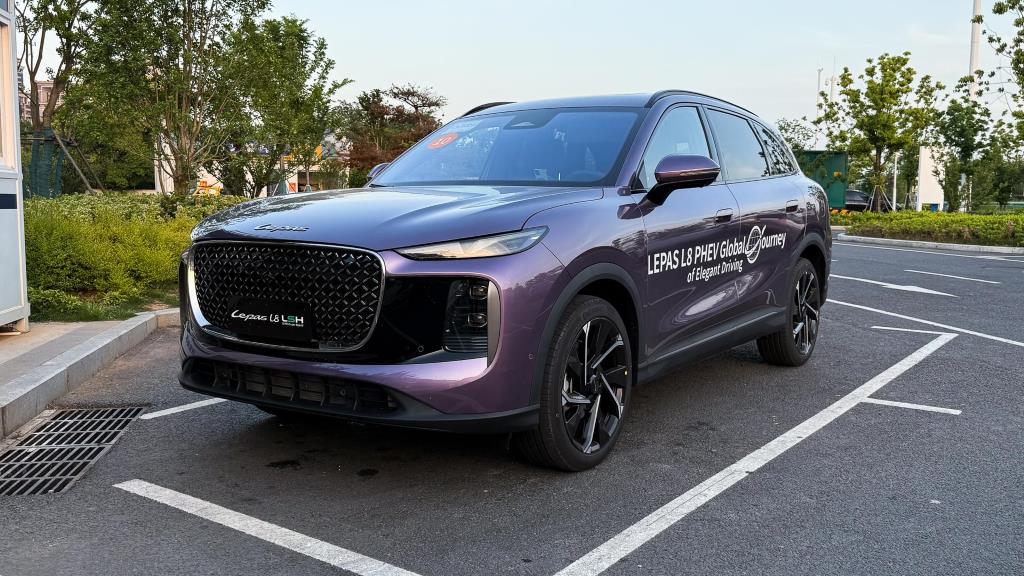
To put the L8 into perspective, it is a slightly larger but a whole lot more luxurious Lepas L6. Where the L6 measures 4,552 mm long, 1,852 mm wide, and 1,682 mm tall, the L8 measures 4,688 mm long, 1,871 mm wide, and 1,686 mm tall. This increased size translates rather well into the 5-seater interior, where the rear occupants benefit from even more leg-, shoulder- and headroom, not to mention that the boot offers 507 litres of luggage space.
On the exterior, it has a larger footprint and more premium finishes, including gloss-black details on the side skirting, window surrounds, and mirror covers. Then, the large mesh grille is very prominent, featuring a cross pattern, while at the rear, the LED taillamp lightbar adopts a revised design. You also get 20-inch alloy wheels on all four corners.
As for the engine and drivetrain, the L8 LSH PHEV offers the same configuration as the L6 LSH PHEV as described above, with the same power and torque figures. However, due to the added weight, it has a slightly higher claimed average fuel consumption of 5.2 L/100 km; we, however, managed to return a rather impressive average fuel consumption of 5.6 L/100 km.

What about the interior trim and finish? Overall, the cabin gets a lot more refinement with more soft-touch surfaces on the doorcards and centre console. The roofliner surrounding the panoramic roof and covering the pillars is finished in a dark upholstery, which further elevates the premium feel. Both front passengers not only get heated and ventilated seats, but also get massaging.
As for the tech, while the 13.2-inch touchscreen infotainment system remains largely the same as in the L6, the driver benefits from a larger 10.2-inch digital instrument cluster. The Sony sound system is also stepped up, with more speakers, and the speaker design on the door cards is also elevated. The driver also gets a new steering wheel design, but still retains physical buttons, which is appreciated.
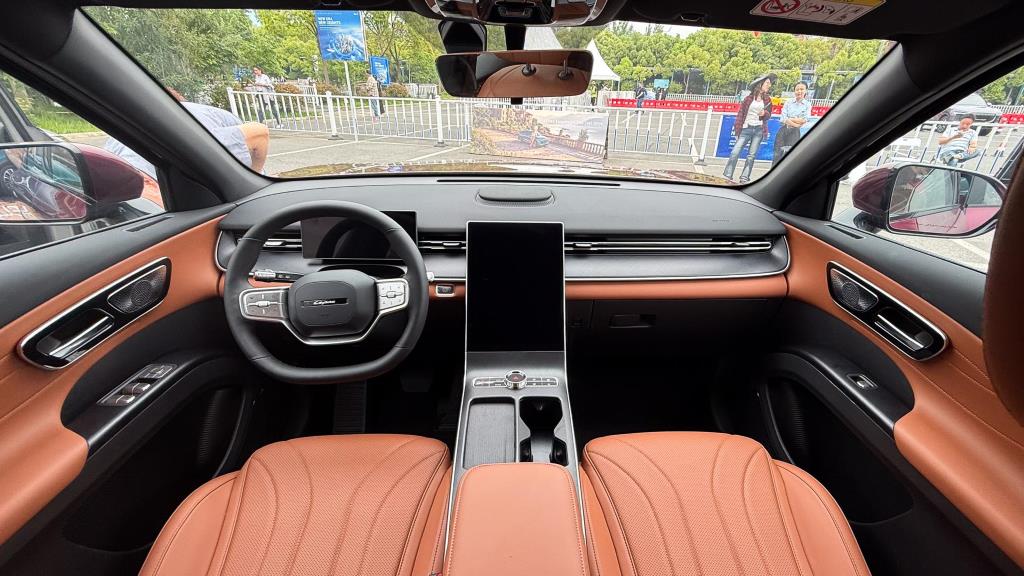
But what is it like to drive? The additional refinement does mean that the driver and passenger comfort is higher, but as for the suspension tuning, it is much like the L6. As for the power, while the L8 is slightly larger and ultimately heavier, the unchanged engine and drivetrain combination from the L6 proves more than ample for this L8. Overall, the L8, at least the derivative we drove, is rather luxurious and capable, and we are excited to see when and at what price point this plug-in hybrid will arrive.