
Ten holiday road-trip tips to keep you safe

The 12-point road trip checklist
1. Tyres: Tread, cracks, and laden pressures
- The check: Inspect cold pressures before driving. Look at the sticker inside the driver’s door jamb: you will see two sets of tyre pressures—one for unladen commuting, and one for a fully laden vehicle. When carrying passengers and luggage, inflate to the higher laden rating.
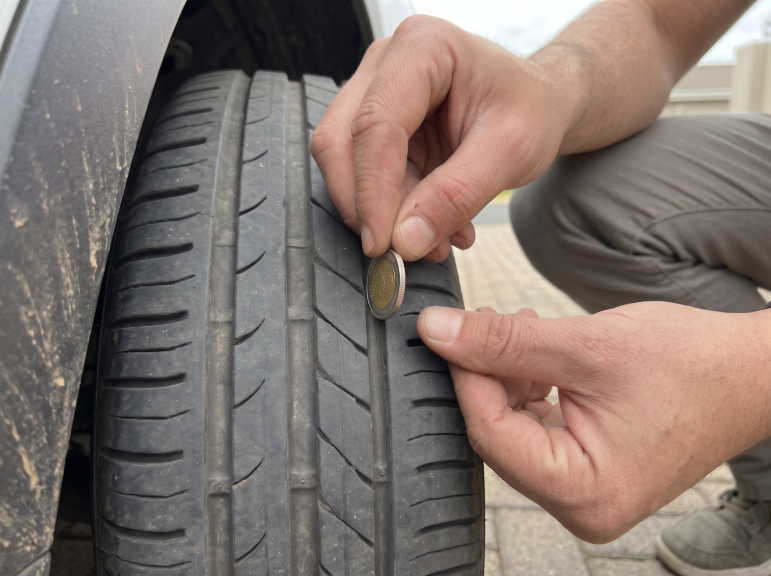
- Tread depth: While the legal limit in South Africa is 1.0 mm, anything under 3.0 mm will severely compromise your ability to disperse water during sudden Highveld afternoon thundershowers. You can check your tread depth using either of these methods:
The South African R5 coin test: Place a R5 coin upright into the main grooves of your tyre tread and look at the outer silver rim. If the silver border around the edge of the coin is hidden inside the groove, your tread depth is safe; if you can clearly see the top of the silver band, your tread is too low, and the tyre needs to be replaced. Be sure to test the inner, middle, and outer edge across multiple sections of each tyre to catch uneven wear caused by alignment or inflation issues.
Built-in Tread Wear Indicators (TWI): If you don't have a R5 coin handy, look along the sidewall of the tyre for small triangles or the letters "TWI" and follow them into the main tread grooves to find small raised rubber bars. If the surrounding tyre tread has worn down to the level of these raised bars, the tyre has reached its replacement limit and is unsafe on wet roads.
2. Battery: Summer heat is the silent killer
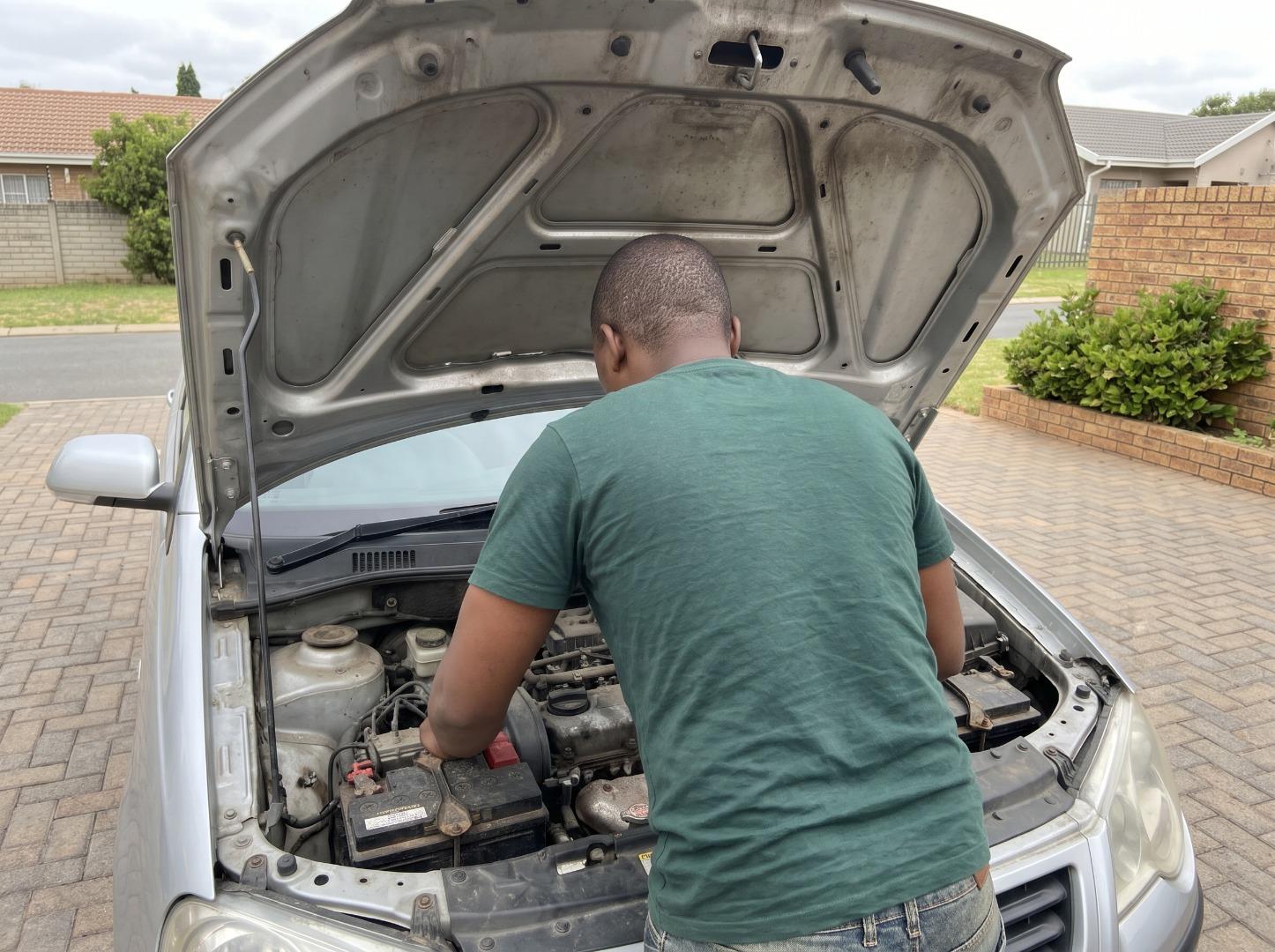
- The check: If your battery is more than three years old, pop into any tyre or fitment centre for a free load test before you hit the road.
- Corrosion: Inspect the battery terminals. If you notice a chalky, bluish-white crust, disconnect the terminals and clean them with a brush dipped in warm water and bicarbonate of soda. Tighten them down firmly so vibrations on rough regional roads don't break electrical contact.
Wet weather driving - top survival tips
3. Licence disc and legal documents
- The check: Check your vehicle licence disc and your physical driving licence card right now. If your licence disc expires in November or December, please renew it via your bank app, the post office, or online well before late November, when queues tend to be heavy. Remember: while an expired disc gives you a 21-day grace period, an expired card or disc creates an immediate administrative fine and can give your insurer an excuse to challenge a claim if an accident occurs.
- Insurance contacts: Download your insurer’s digital emergency card and save their dedicated 24-hour roadside assistance number directly into your smartphone.
Top 10 tips for road-tripping with kids
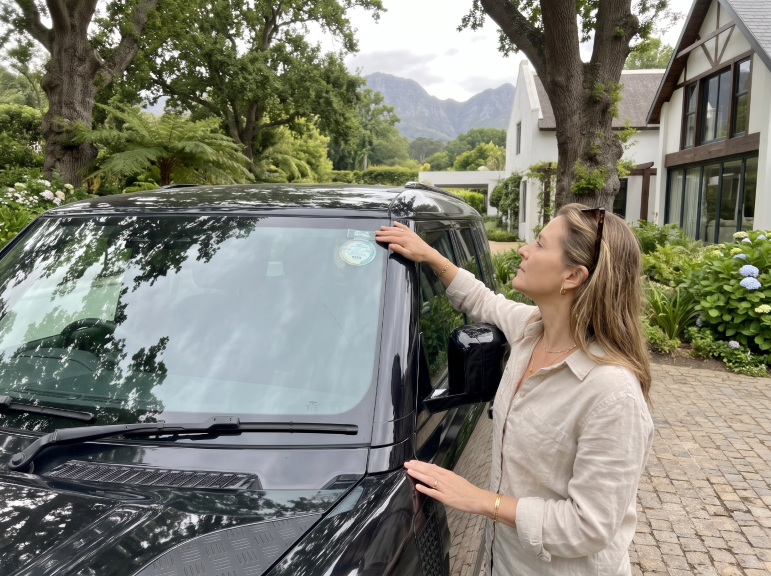
4. Service schedule: Beat the December workshop shutdown
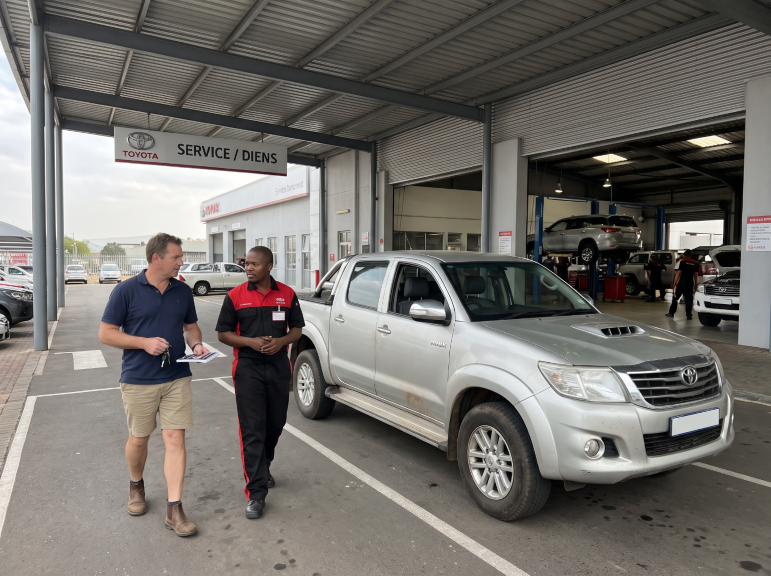
- The check: Look at your service book or instrument cluster. If your car is within 2 000 km of its scheduled service interval, book it in immediately. Do not attempt a 3 000 km coastal return trip on oil that is already at the end of its operational life. Fresh synthetic oil and a clean engine filter protect engine components when pulling heavy loads up mountain passes.
Top road safety tips for the festive season
Under the bonnet: Fluids and stopping power
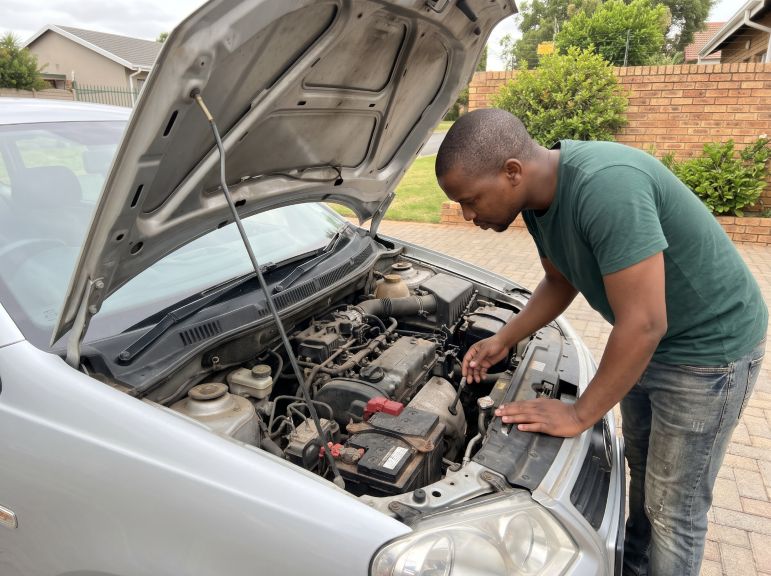
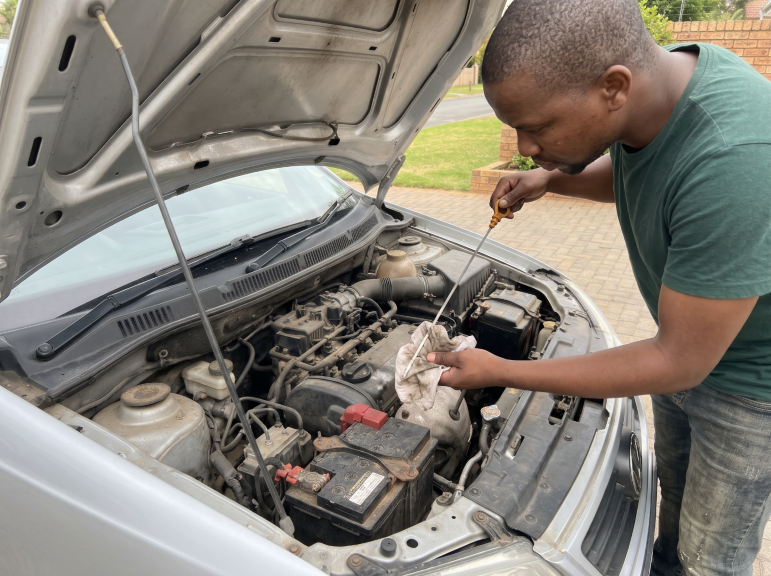
5. Engine oil level
- Park on flat ground, switch the engine off, and wait five minutes for the oil to drain into the sump.
- Pull the dipstick, wipe it clean on a rag, slide it back in fully, and pull it out again.
- The oil level must sit between the two dots or notches. If it sits near the bottom mark, top up with the exact viscosity specified in your owner’s manual (e.g. 5W-30 or 5W-40). Overfilling is just as damaging as underfilling, so add oil in modest 250 ml increments.
21 Fuel-saving tips for SA drivers
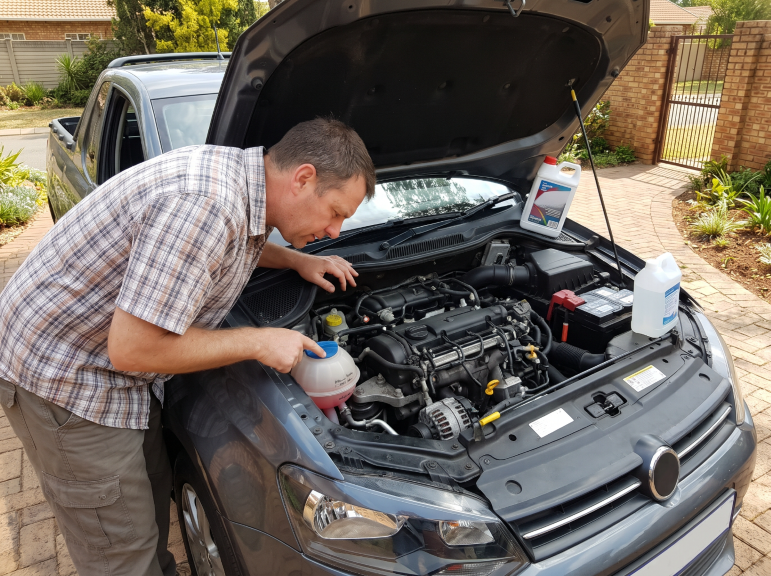
6. Radiator coolant and expansion tank
- Never open the radiator or expansion cap when the engine is hot.
- When stone cold, inspect the transparent expansion bottle. The coolant level should rest comfortably between the "Min" and "Max" markings.
- If it needs topping up, use a 50/50 mix of approved ethylene glycol antifreeze and distilled water—never plain tap water, which causes internal corrosion and boils at a lower temperature. Squeeze the main upper and lower radiator hoses; if they feel brittle, spongy, or show hairline cracks, replace them.
Top 10 tips for road-tripping with your dog
7. Brakes: Pads, discs, and pedal feel
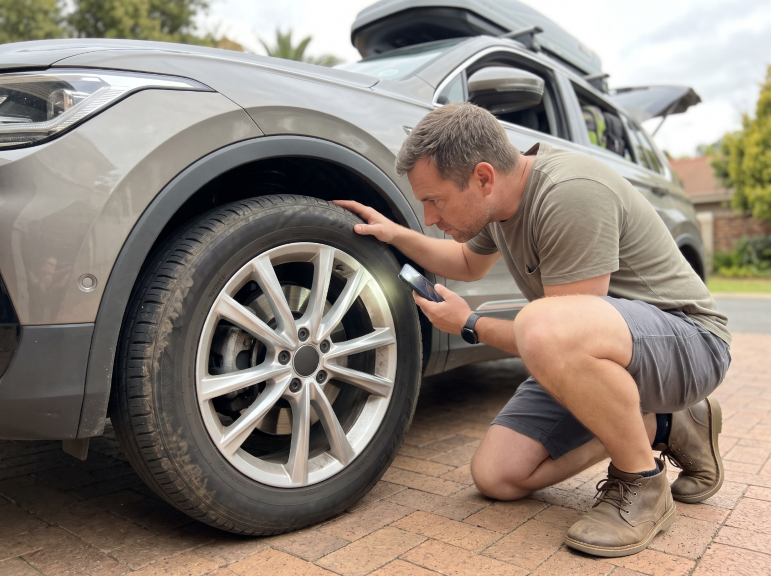
- Peer through your alloy wheel spokes with a torch. The friction material on your brake pads should be at least 3 mm thick. If the metal backing plate is closing in on the disc rotor, have the pads changed immediately.
- Check your brake fluid reservoir in the engine bay. A low fluid level often signals heavily worn brake pads, while dark, murky fluid indicates moisture contamination that can boil during prolonged downhill braking, causing the pedal to go soft.
Driving an EV? 15 tips to maximise your range
Safety, vision, and cabin comfort
8. Windscreen wipers and washer fluid
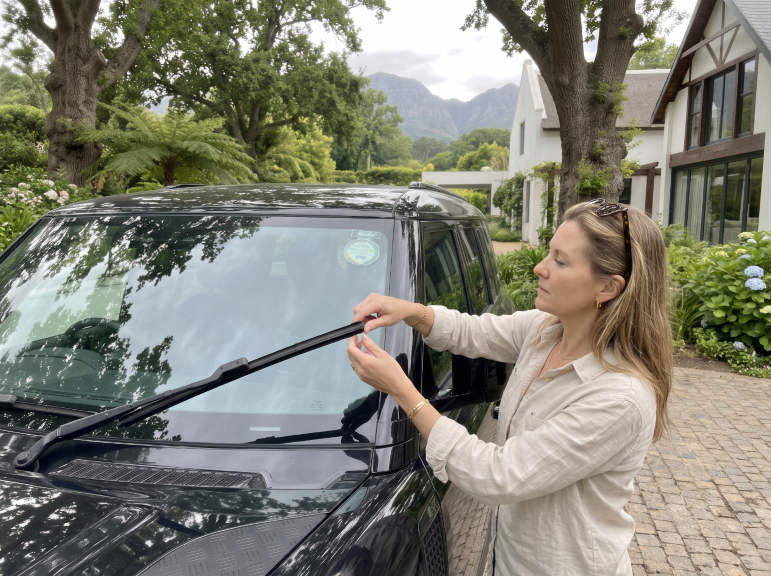
- The Highveld's violent summer storms demand immaculate wiping performance. Run your finger down the rubber edge of your wiper blades; if you feel tears, notches, or hardened edges, fit a fresh pair.
- Clean road grime off the glass using warm water and dishwashing liquid.
- Fill your windscreen washer bottle to the brim and add a dedicated automotive windscreen additive. Water alone cannot dissolve baked-on bug splatter at 120 km/h.
9. Exterior lighting walkaround
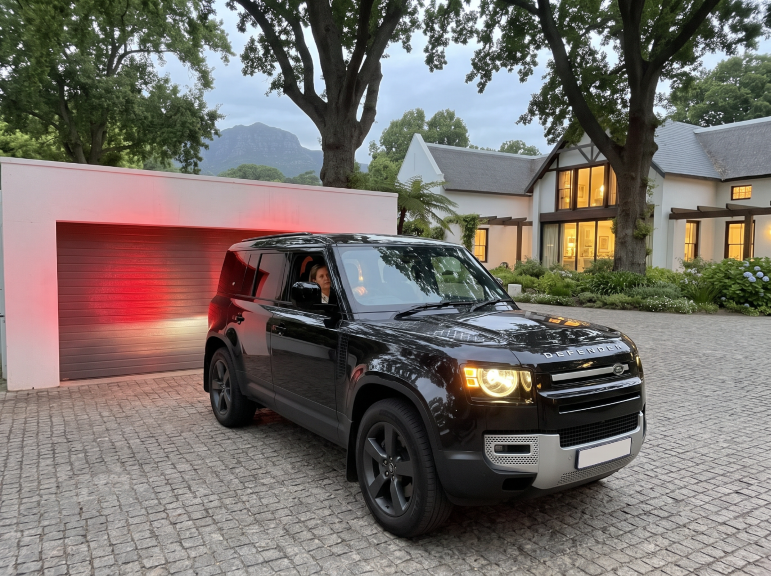
- Switch on your hazards, turn on your headlights, and walk around the vehicle.
- Verify that low beams, high beams, front and rear indicators, and number-plate lights illuminate cleanly.
- Reverse up to a wall or garage door and step on the brake pedal; you should see both side brake lights and the high-mount centre strip reflect brightly.
10. Air conditioning and cabin pollen filter
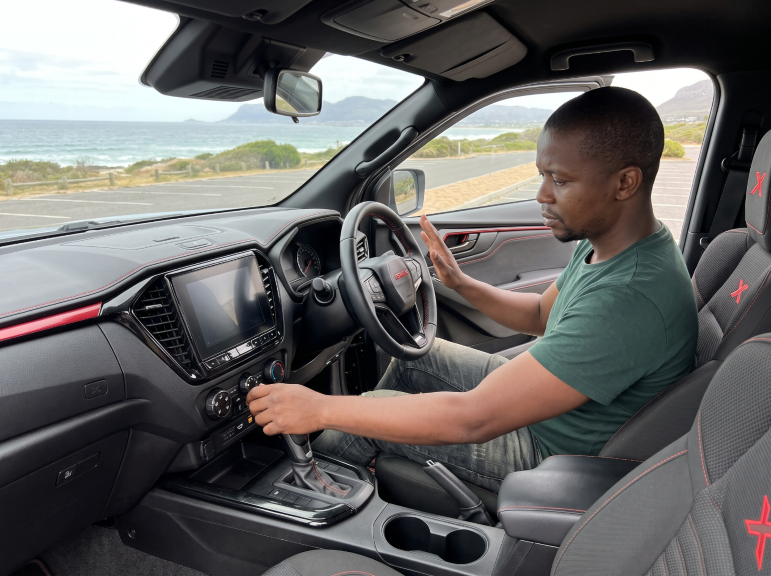
- Driving across the Karoo with a failing aircon is miserable and induces driver fatigue. Fire up the engine, turn the climate control down to maximum cold, and ensure crisp, freezing air blows from the dash vents within 30 seconds.
- If the air smells musty or the airflow feels weak even on high fan speeds, your cabin pollen filter behind the glovebox is likely choked with dust. Swapping it for a fresh filter costs very little and dramatically improves cabin cooling.
Gear, luggage, and emergency preparation
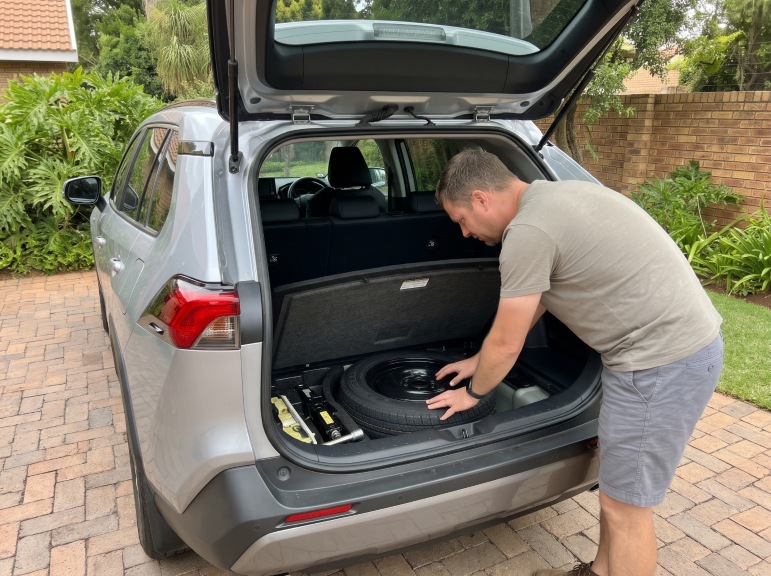
11. Spare wheel toolkit and the dreaded lock-nut key
- Open your boot, unpack the spare wheel compartment, and confirm you have a working jack and a wheel spanner that matches your wheel nuts.
- Locate your locking wheel-nut key. If your vehicle has anti-theft locking wheel nuts, ensure the unique adapter key is inside the car—not sitting on your garage workbench. Tyre shops cannot remove a wheel without it.
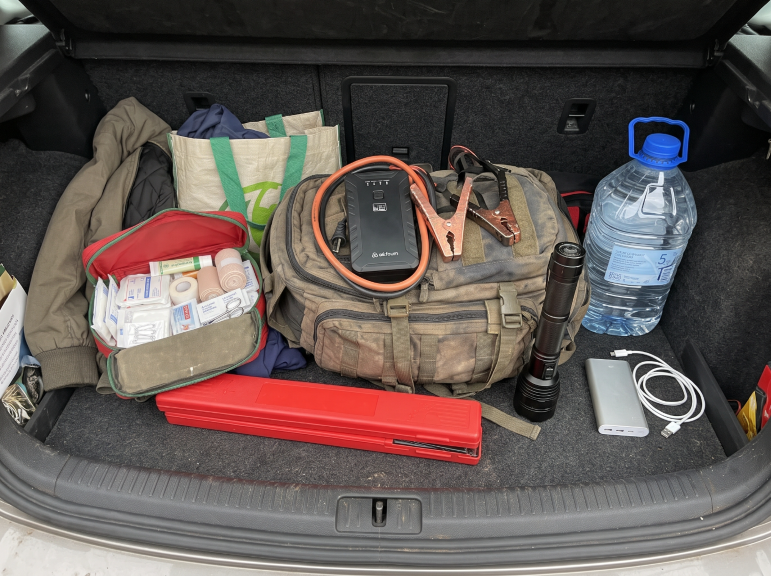
12. South African emergency kit essentials
- At least one compliant reflective red emergency triangle (carrying two is best practice).
- A small, unexpired first aid kit containing bandages, antiseptic ointment, and burn gel.
- A working high-power torch (or headlamp) with fresh batteries.
- A pair of jumper cables or a compact lithium jump-starter pack.
- At least five litres of sealed drinking water and a fully charged phone power bank.
Quick pre-trip checklist summary
| Component | What to look for | Action required |
| Tyres & spare | Tread depth >3 mm, no sidewall bulges | Inflate to laden pressure specs found on door jamb |
| Battery | Age >3 years, terminal corrosion | Free battery load test at fitment centre; clean posts |
| Paperwork | Licence disc & card expiry date | Renew immediately; save digital breakdown insurance details |
| Service book | Distance to next service <2 000 km | Book routine workshop service before late-December rush |
| Cooling system | Expansion bottle level, hose cracks | Top up with correct 50/50 coolant mix; check for leaks |
| Brakes | Pad thickness <3 mm, low fluid | Replace worn pads; inspect fluid reservoir |
| Wipers & washers | Smearing rubber, empty fluid tank | Fit fresh silicone/rubber blades; add bug cleaner |
| Wheel tools | Jack, wheel spanner, lock-nut key | Physically verify all tools and the unique key adapter are present |