
Nissan Navara vs Toyota Hilux vs Ford Ranger: which one has the lowest running costs?
The Nissan Navara is often overlooked by new-car buyers, and a possible reason for this is that those customers may suspect that it’s more expensive to run. But how does the Navara really perform in terms of running costs? We pitch it against its two most popular opponents to find out.



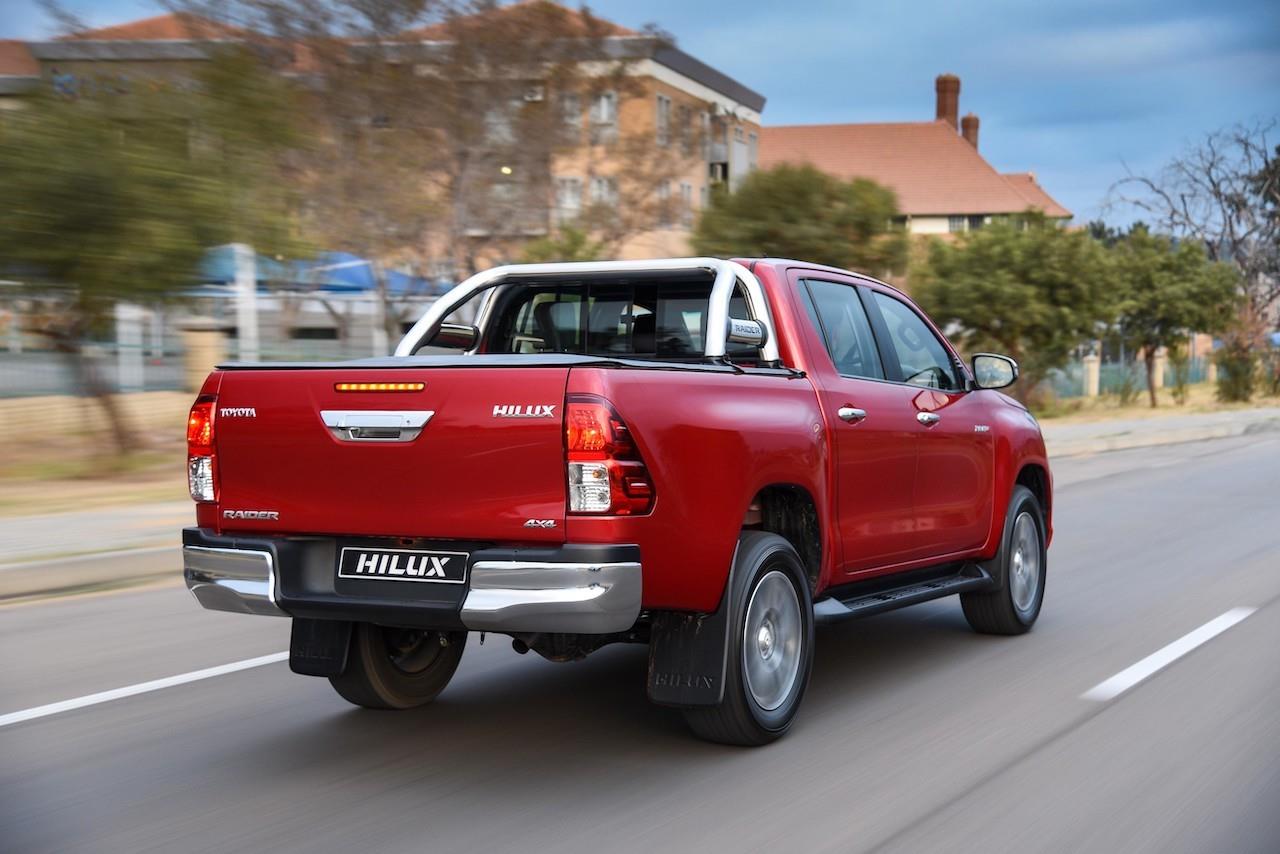
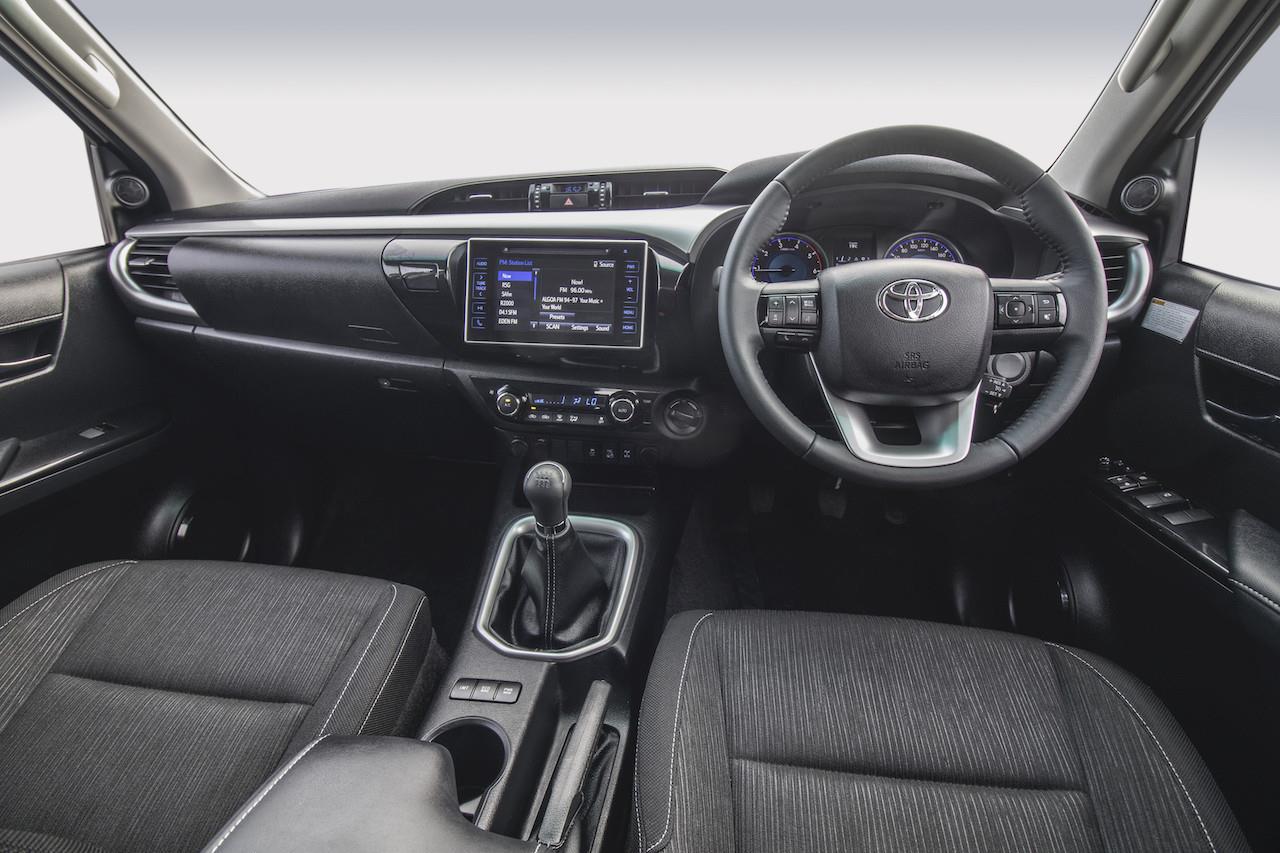
Both the Ford Ranger and Toyota Hilux have built loyal followings among local bakkie enthusiasts, and account for the majority of new-vehicle sales in their class. They’re so well established that many buyers overlook other viable bakkies by default, which may partially be explained by a lack of information regarding the running costs of those opponents.
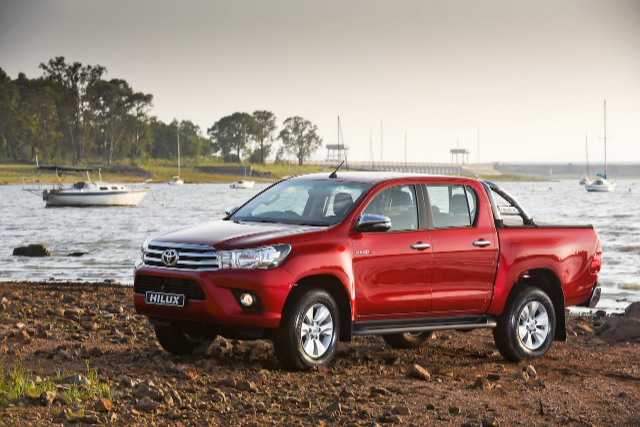
We’ve decided to compare the most enticing “alternative bakkie” to these stalwarts, to get a better idea of what owners could expect in the long run. Seeing as the Navara is only offered with one engine on local soil, we’ve narrowed the field down to similarly-priced Ranger and Hilux variants.
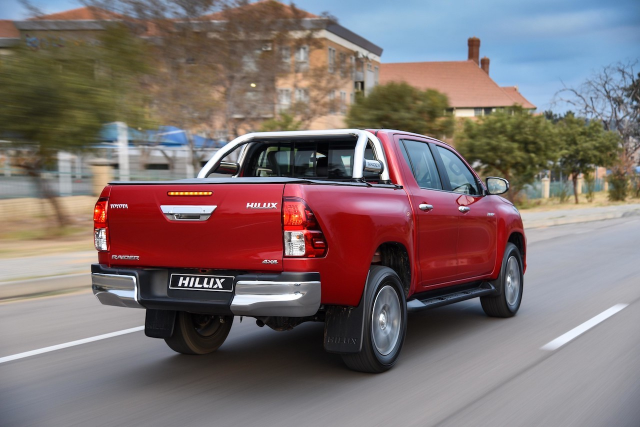
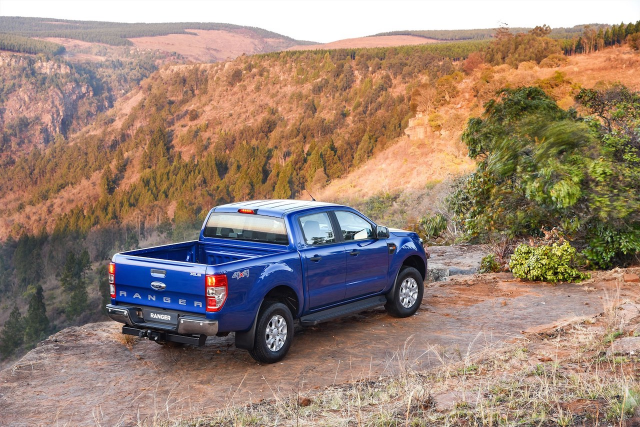
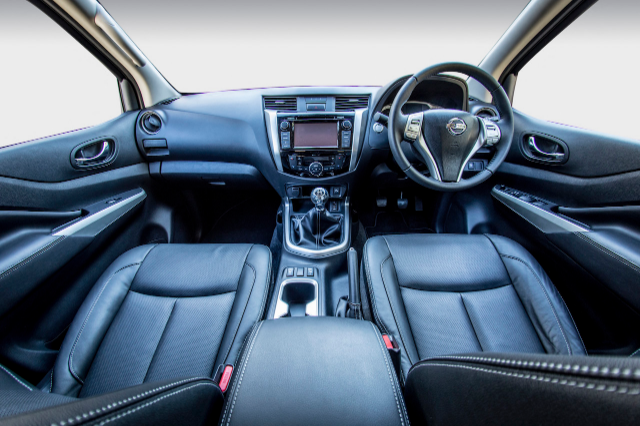
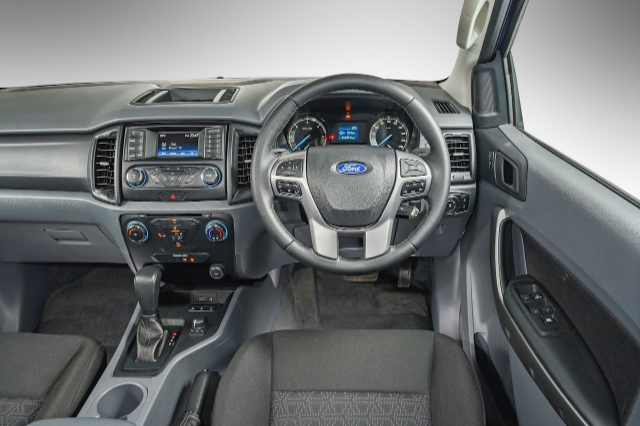
To keep matters fair, we’ve only included the least-expensive double-cab (the Navara’s only current body style), rear-wheel drive derivatives with automatic transmissions in this comparison. This puts the entry-level Navara 2.3D double-cab SE auto up against the Hilux 2.4GD-6 SRX double-cab auto and the Ranger 2.0 Turbo double-cab Hi-Rider XLT.

Related: We tested the Nissan Navara, and came away very impressed indeed.
Purchase price, warranty, service plans, and depreciation
Note that this Hilux has a much lower specification level than these opponents, which explains its lower list price: There’s a strange gap in both the Hilux and Ranger 4x2’s pricing structures around the R500 000 mark, which leaves room for the other brands to muscle in with higher-trim, more-powerful alternatives at this price point. The Hilux SRX D/C auto has a sticker price of R469 800, compared the Navara SE D/C auto’s tag of R516 000 and the Ranger 2.0T D/C XLT auto’s list price of R536 200. To compensate, the Navara has by far the most power of this trio, and a much higher standard equipment level, which makes it the value leader here.
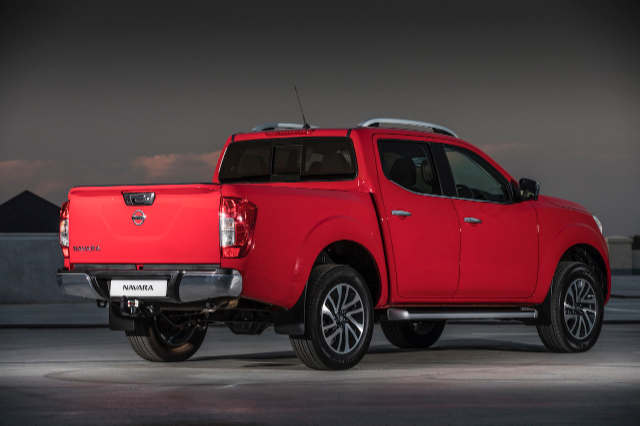
Of these three, the Hilux is likely to suffer the lowest depreciation (retaining up to 75% of its value after 3 years), followed by the Ranger, whose popularity should ensure strong demand in the used-car market. The Navara, being somewhat of a niche model at the moment, may however be the big loser in the depreciation stakes – an assertion backed up by the previous model’s depreciation performance. This makes for good pre-owned shopping on late-model Navaras, so bargains are quite likely for this model.
There’s no real reason for the Nissan’s likely lower value retention, however: with coverage for 6 years or 150 000 km, it has by far the strongest warranty of this trio (twice the timespan and 50 000 km longer than that of the Hilux, and 2 years and 30 000 km longer than the Ranger’s warranty), so long-term peace of mind should not be a concern at all.
The Navara’s service plan is unfortunately the weakest of this trio, and runs out after 3 years or 90 000 km. This compares to the Hilux’s “unlimited years/9 service” service plan, which provides coverage for the same mileage to the ones applied to the Navara and the Ranger, but without any time constraints. The Ranger has an time limit of 6 years, which puts it roughly on par with the Hilux in real terms (taken at the industry average mileage estimate of 15 000 km per year), but still ahead of the Navara...
Related: After testing the 2018 Hilux Dakar, we found very little to complain about.
Parts prices
According to the 2019 AA Kinsey report, normal servicing should be the least expensive for the Toyota Hilux, with a service parts basket which costs R 3 850 – less than half the price of a similar parts basket for the Navara (which will cost R 8 113), and almost R 2 000 cheaper than the same parts for a Ranger 2.2 TDCi. (This year’s Kinsey Report didn’t consider the 2.0Turbo Rangers, and looked at the older 2.2 TDCi variants instead. It is unlikely that the newer 2.0-litre engine will be less expensive to service and maintain than the old-tech 2.2, though – if anything, it’s likely to be more expensive, purely due to parts availability).
The same discrepancy applies when maintenance and mechanical repairs are considered, and the Hilux is also bound to be much less expensive to repair in the event of an accident. Of particular interest is the fact that the Mercedes-Benz X250d (which is mechanically identical to the Navara) actually has less-expensive spare parts than the items from Nissan. So, here’s a pro tip for new-generation Navara owners: rather buy your service- and maintenance parts from Mercedes, at least until Nissan starts getting their parts prices right.
Tyre costs
As evaluated, both the Ranger and the Hilux roll on 265/65R17 tyres, while the Nissan uses smaller 255/65R16 tyres instead (18-inch alloy wheels are fitted to the higher-trim Navara LE). Contrary to what you may believe, the larger tyres on the Hilux and Ranger are actually likely to be less expensive to replace, because 265/65R17 is a much more common size than 255/65R16.
In fact, a visit to a leading tyre outlet’s website has shown that there are only variants available in the Nissan’s smaller size, compared to of the larger tyres used on the Hilux and Ranger. It obviously doesn’t help that 16-inch rim diameters are unusual for heavy-duty tyres to start off with, either. Call this a draw between the Toyota and Ranger tyres, then, with the oddly-sized Nissan tyres being the more-expensive ones.
Fuel economy
Nobody expects a bakkie to be super-frugal on fuel. They’re big and blocky, and those high-riding profiles increase wind resistance at speed. To some extent, even the manufacturer’s claims confirm their greater thirst, with Toyota claiming an average consumption of 7.9 ℓ/100 km for the Hilux, Ford claiming 7.2 ℓ/100 km for the Ranger, and Nissan stating a rather optimistic average consumption of 6.8 ℓ/100 km.
Of course, it’s highly unlikely that any one of these bakkies will return anywhere near these claimed figures in normal driving, out in the real world. When we had the manual Navara SE on test, we achieved an average consumption of 8.6 ℓ/100 km, and it’s fair to say that an automatic gearbox will push this to the 9.0 ℓ/100 km mark. This is comparable to the real-world consumption we’ve seen in Rangers and Hiluxes as well, although the Ford’s 10-speed (instead of the Hilux’s 6-speed and the Navara’s 7-speed) automatic gearbox may give it a theoretical advantage.
To cut a long story short, there’s no clear winner here. We expect all three of these bakkies to consume around 9 ℓ/100 km on average, purely due to physics: they’re all heavy and bulky vehicles, and they’ll all need similar amounts of fuel to move those oversized bodies. Driving conditions will play a larger part in determining fuel efficiency, with traffic-bound vehicles being much thirstier, and open-road driving reducing the consumption.
In addition, the driving style may have the biggest influence of all. Hard acceleration and high cruising speed will quickly turn even these relatively frugal bakkies into proper gas-guzzlers, while delicate throttle opening and lower speeds will dramatically improve average consumption.
Our verdict
These three bakkies are very evenly matched in short-term ownership terms, because they’ll all use similar amounts of fuel and will all be covered by their service plans and warranties for normal upkeep. However, in the long run, the Navara will likely cost the most to run, for four reasons: its service plan runs for a shorter time span, its parts prices are the highest of this trio, its tyres may be the most expensive to replace, and it’s likely to suffer the worst depreciation in this group.
The Ford Ranger takes up the second place here, because its parts prices are higher than those of the Hilux, and because it’s likely to suffer worse depreciation than the Toyota. Its service plan is roughly equal to that of the Hilux and its tyres and fuel consumption will also be largely similar, so it doesn’t really have any real running-cost advantage over the Hilux.
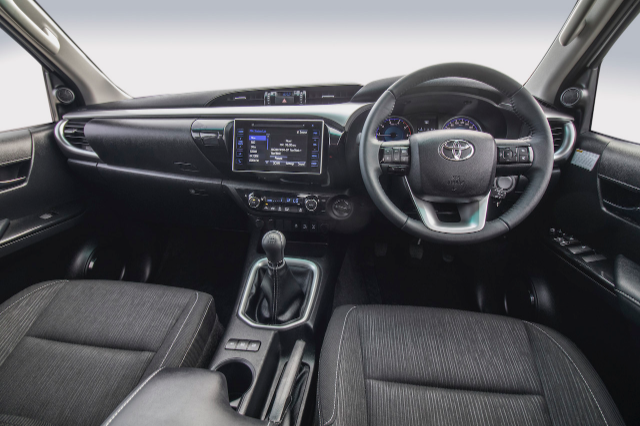
This leaves the Toyota as our running cost champion, mainly due to the depreciation factor and parts pricing. The only stain on the Hilux’s performance here would relate to insurance costs, which will be higher than those of the other two bakkies in this comparison (on account of being a high theft-risk vehicle) – but even that is unlikely to cancel out its value retention and much less-expensive maintenance. There’s good reason why the Hilux is so popular, after all!
* Pricing was accurate at the time of writing, but may change without prior notice.
Related Reading:
FInd out more about the 2019 AA Kinsey Report on their website.
If you can't resist the Nissan Navara's many charms, have a look through our listings here.
Falling for a Ford Ranger? We've got tons for you to choose from here.
Your next Hilux is right here on our listing pages. Take your pick and enjoy!