
Understanding your car’s fuel consumption is essential in South Africa, where fuel prices fluctuate monthly. Knowing how to calculate litres per 100km (L/100km) helps you manage costs, compare vehicles, and track your driving efficiency.
Related: Driving tips to improve fuel consumption/efficiency
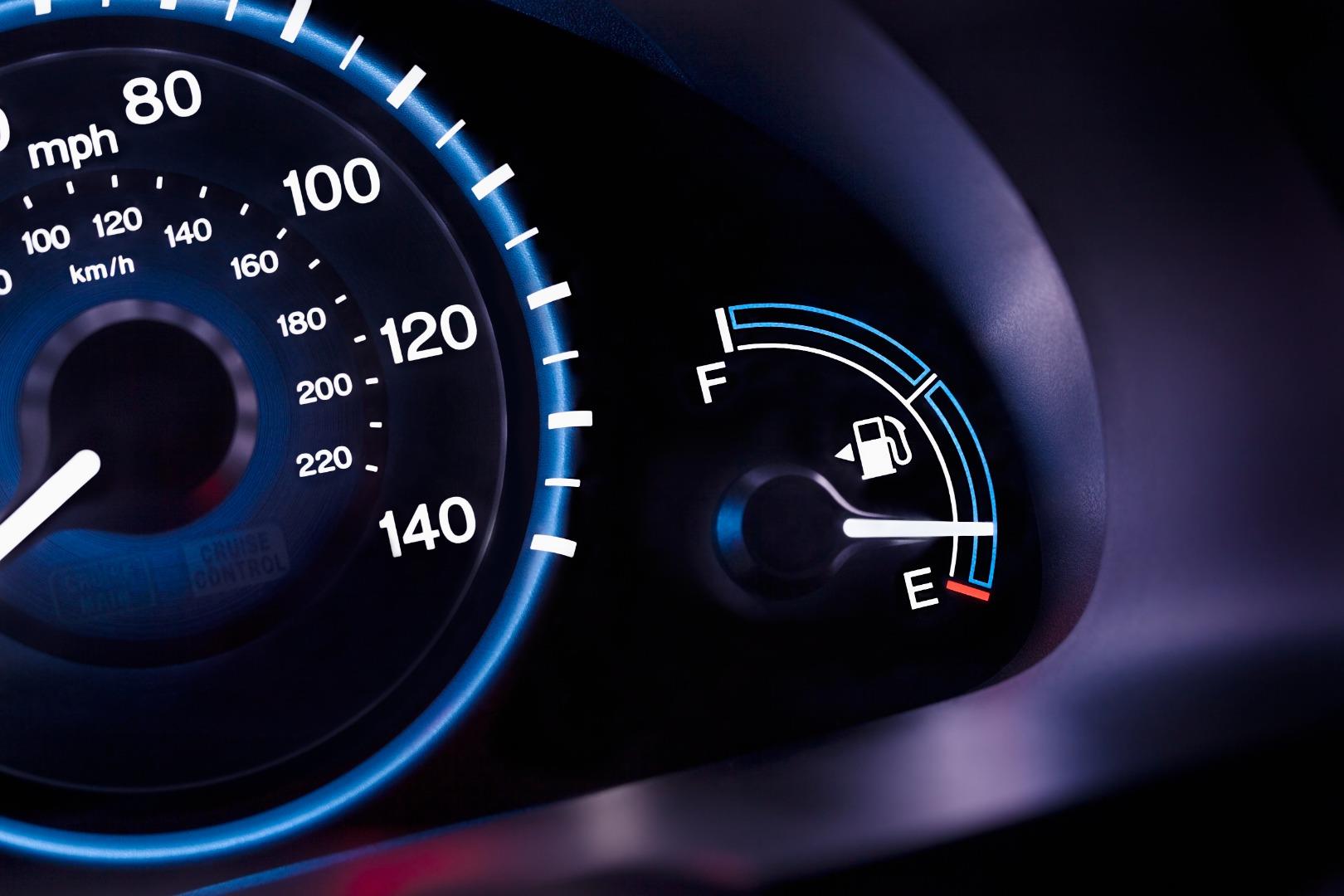
You may have a car without a digital cluster, or one with a digital cluster that doesn't display this information. Perhaps your car only shows how many kilometres per litre you get, and you want to convert it. Maybe you want to double-check if what your car is showing you is actually correct. Regardless of your motivation, below are ways to calculate how many litres your car uses per 100km.

What does litres per 100km mean?
In South Africa, fuel consumption is typically expressed as litres per 100 kilometres (L/100km). This measures how much fuel your car uses to travel 100km. The lower the number, the more fuel-efficient your vehicle is. Some vehicles display how many kilometres you can achieve per litre; in this instance, the higher the number, the better.
Practical step-by-step method (using your own car)
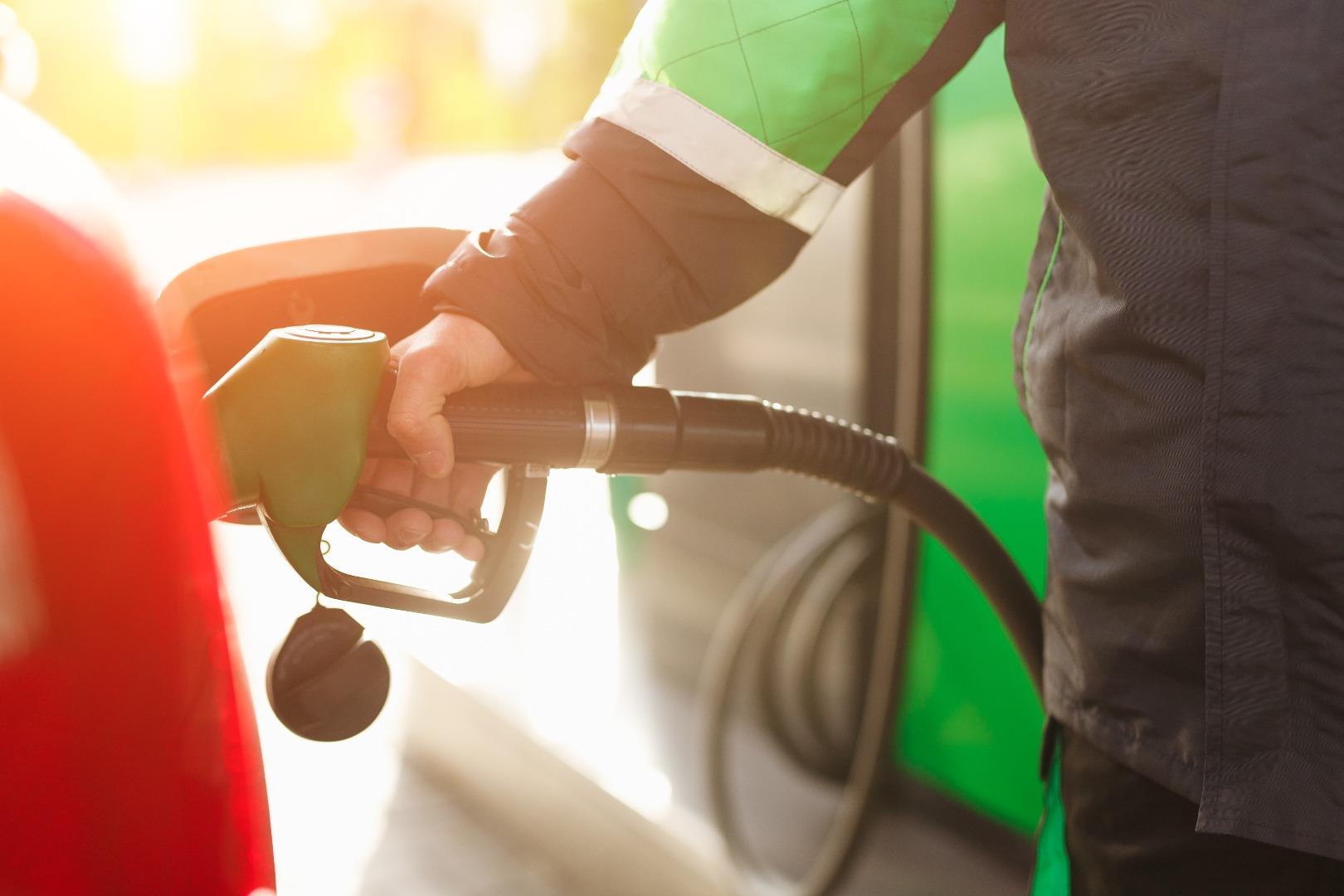
You don’t need any special tools, just your own car, a fuel station, and the trip meter or odometer:
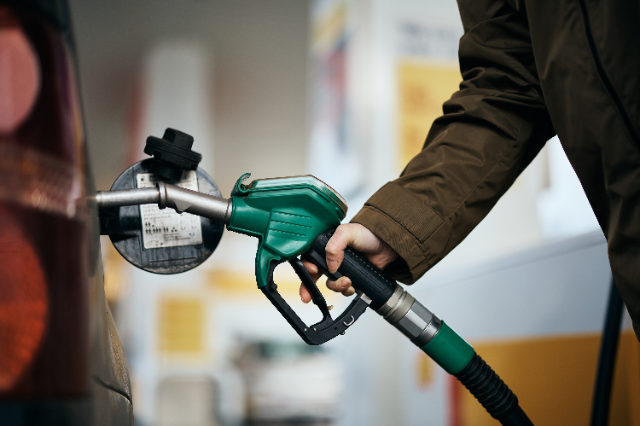
Fill your tank completely (until the pump clicks off).
Reset your trip meter to zero or take note of the total mileage on your odometer.
Drive normally until your next fill-up.
Refill the tank fully again.
VERY IMPORTANT:
Litres added (from the pump)
Distance travelled (from your trip meter or odometer)
Apply this formula: Litres of fuel X 100km ÷ distance travelled = L/100km
This method ensures accurate, real-world consumption figures rather than relying on manufacturer claims.
Example calculation
Distance travelled: 600km
Fuel used: 50 litres
Calculation:
(50 × 100) ÷ 600 = 8.33 L/100km
This means your car uses 8.33 litres to travel 100km.
Alternative: km per litre
Perhaps you are familiar with how many litres you use per 100 kilometres, but instead want to know how many kilometres you can travel with just one litre of fuel. Here is an example of how to calculate this:
km/l = Distance ÷ Litres used
Using the same example as above:
600 ÷ 50 = 12 km/l
To convert back to L/100km:
100 ÷ 12 = 8.33 L/100km
Related: Best affordable ICE cars with low fuel consumption
Why this matters in South Africa
With fuel being a major monthly expense, tracking your real consumption helps you to budget more accurately or identify if your driving style is inefficient. You can also use this information to compare your vehicle's consumption with new or used vehicles on AutoTrader vehicles before buying. But remember that even small improvements in your car's fuel consumption can add up to meaningful savings over time. By regularly calculating your fuel consumption, you gain a clearer picture of your car’s efficiency.