


GWM has been in the local bakkie business since 2007 when it introduced the Steed in single and double cab guise. The Steed has carved a neat niche for itself as an affordable but compromised commercial and, to a far lesser degree, a lifestyle bakkie. There have been various Steed models introduced throughout the years, each seemingly more refined and modernised than their predecessors. It is only now that GWM is releasing something that it hopes will take the fight to the Toyota Hilux and Ford Rangers of the world.
With the introduction of the P Series, GWM hopes to make inroads into both the higher end of the commercial vehicle segment as well as the lower end of the lifestyle double cab segment, both of which make up the most popular vehicle segment in the country, the humble bakkie. This segment comprises of fiercely brand loyal customers and impressive products, GWM certainly has their work cut out for them.
Related: GWM P series (2020) Review
Styling
The P Series is available in two trims, namely the Commercial grade and the Passenger grade, both of which are distinctive in terms of their exterior looks. The Commercial-grade is available in both single and double cab guise while the Passenger grade is exclusively available as a double cab.

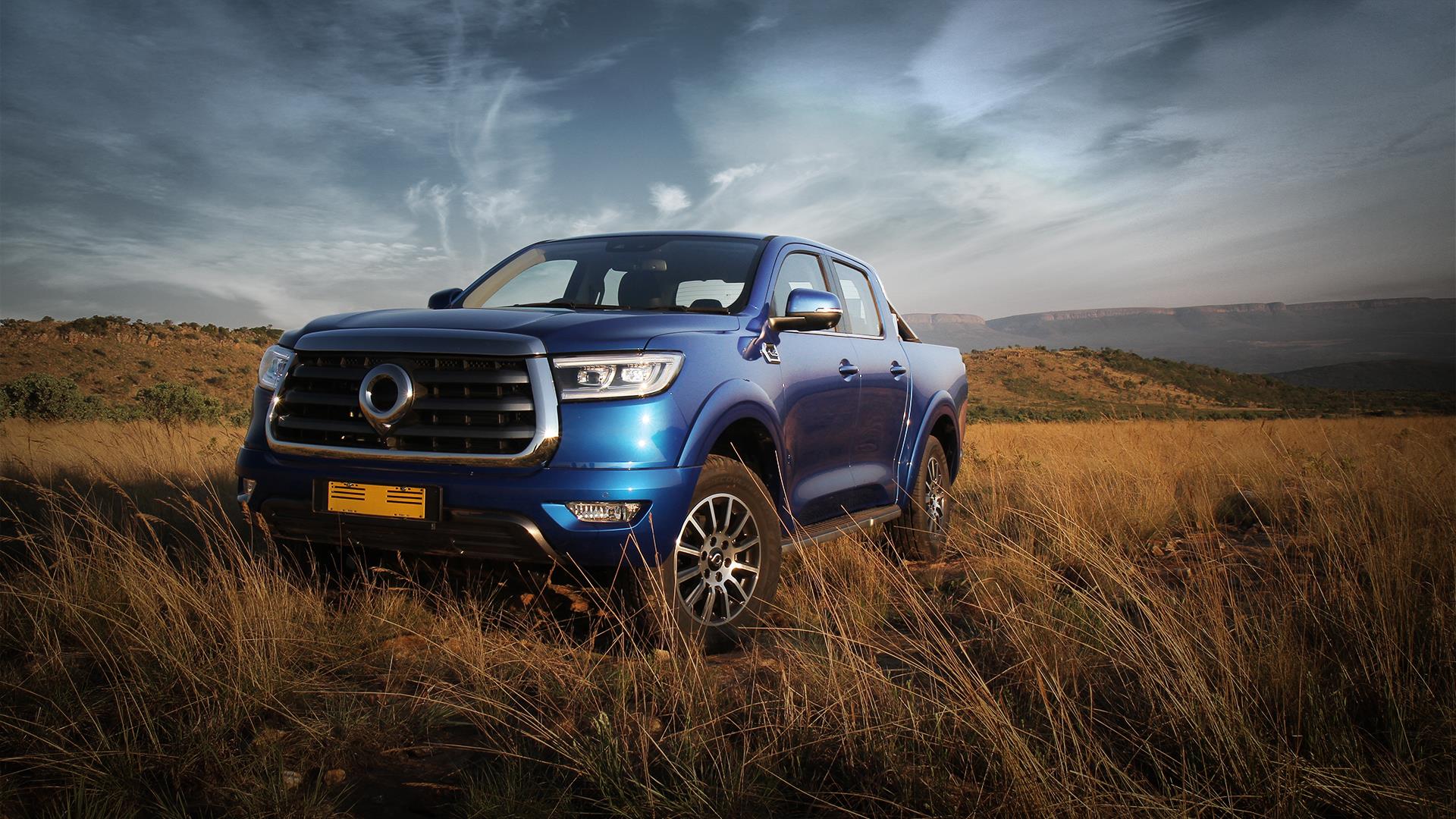
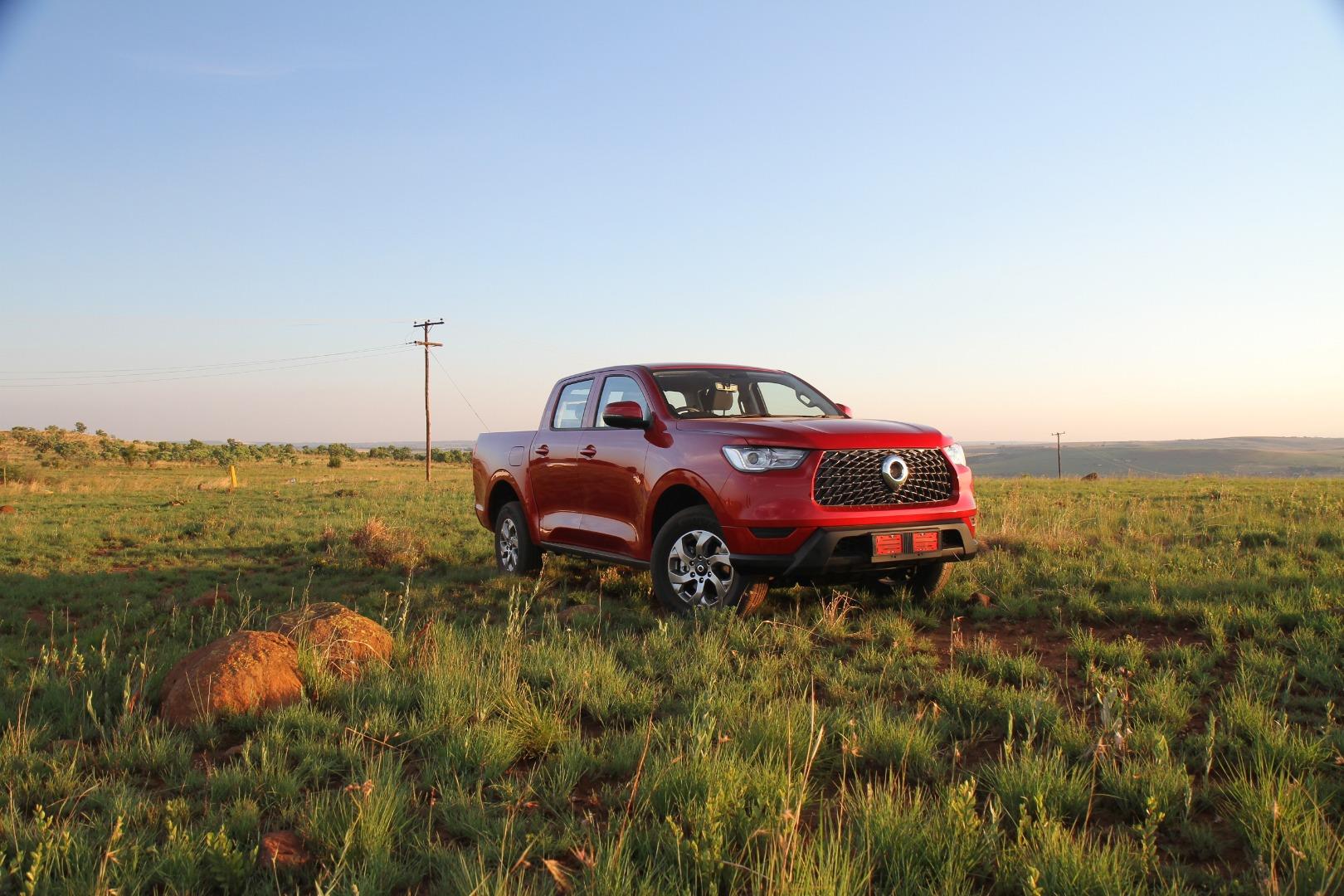
Both, in this writer's option at least, are attractive looking bakkies in their own right, however, differentiating the two is easy. The Commercial grade has a black grille with an angular mesh pattern and traditional taillights while the Passenger-spec models feature LED headlights, a massive chrome grille surround with horizontal grille slats and more Land Rover Defender-esque taillights.

Interior
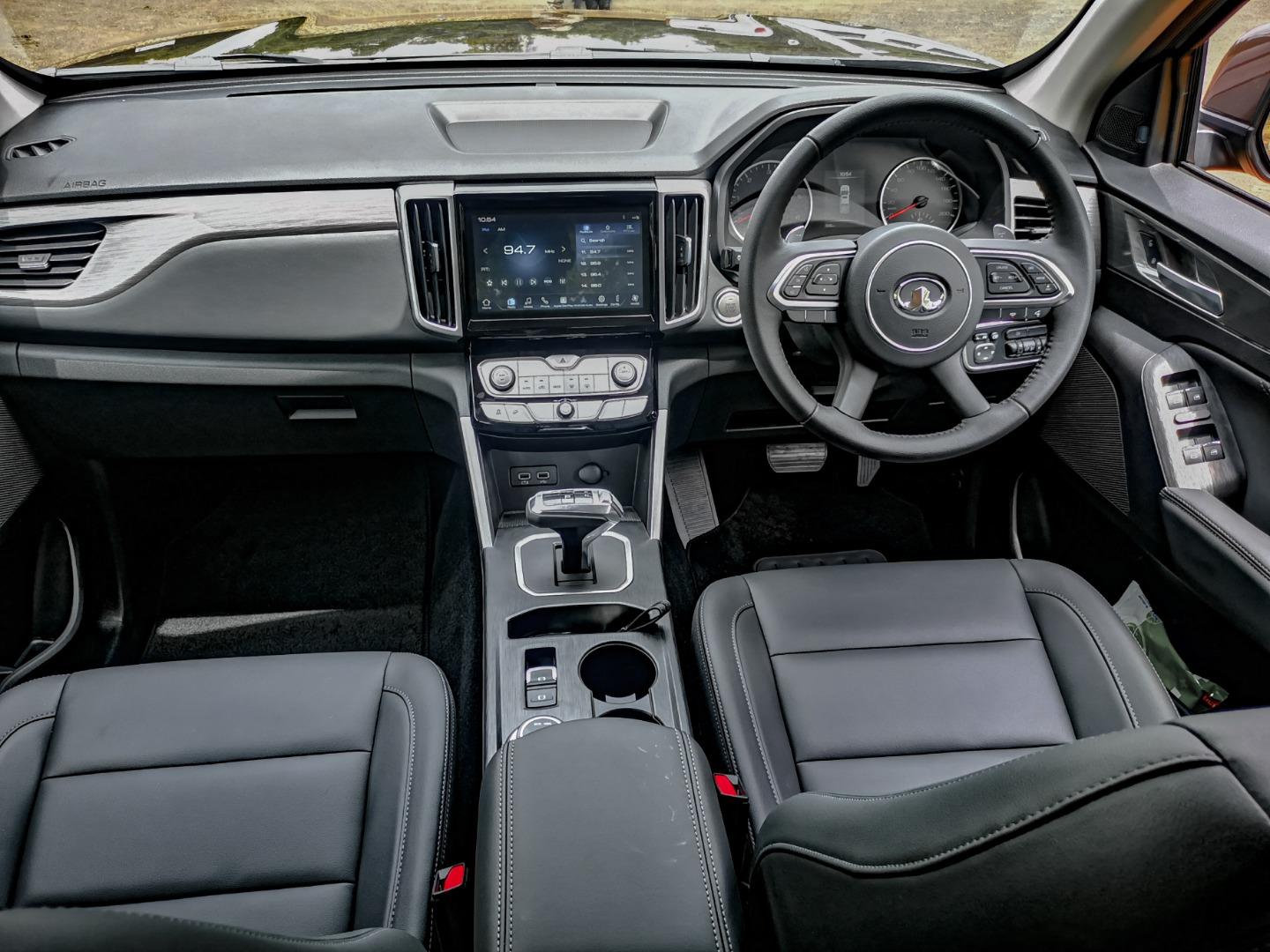
The interior is where I was most impressed with the P Series. The general layout, material quality and indeed, the specification, is impressive. While there is an abundance of plastic throughout the cabin, this is the norm in a bakkie. The Passenger grade models appear more premium inside apart from the rose gold colour trim used throughout the LT-spec press car, which looks cheap and out of place.
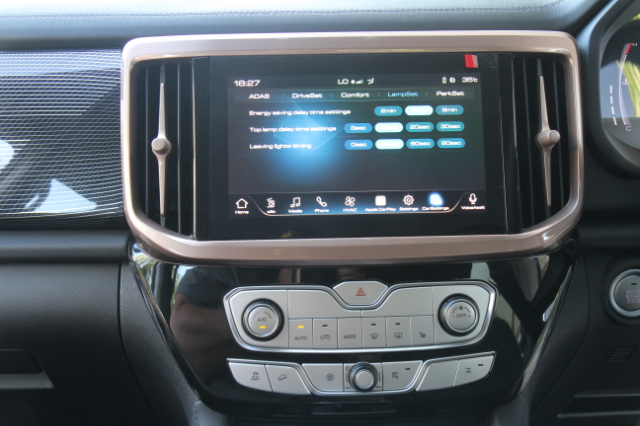
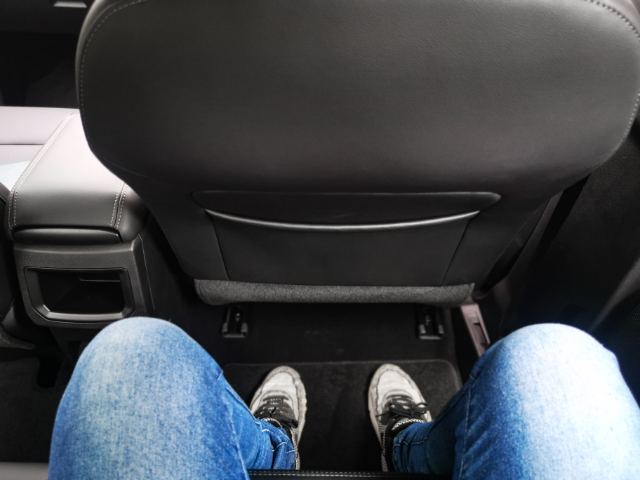
The base model SX features cloth seats, 17-inch alloy wheels, cruise control and keyless entry. There is a decent 9.0-inch infotainment system with Apple CarPlay and Android Auto functionality in models from the DLX grade upwards. Speaking of the DLX, there's leather seats, a reverse camera and a sunroof, among other niceties. The Passenger-spec vehicles in LS guise get 18-inch alloy wheels, a plastic load bed liner, a camera system, climate control and LED headlamps. The flagship LT model features a raft of semi-autonomous driving aids, a 7.0-inch digitised instrument cluster, heated seats, a 220-volt charger and voice recognition within the infotainment system. A standout feature for me in the P Series was the rear passenger leg and headroom, which is fantastic for a double cab bakkie. My 185cm tall co-driver reported no problem with comfort while seated at the back.
The drive
I had a rare opportunity to drive a pre-production model of the P-Series for a short stint before the launch, so I had a good idea of what the newcomer had to offer. What I was most interested in at the launch was sampling the model with the ZF-sourced 8-speed automatic gearbox as the pre-production model made available to me was the 6-speed manual. Interestingly, the Passenger-spec models are only available with the automatic gearbox as GWM target the leisure market.
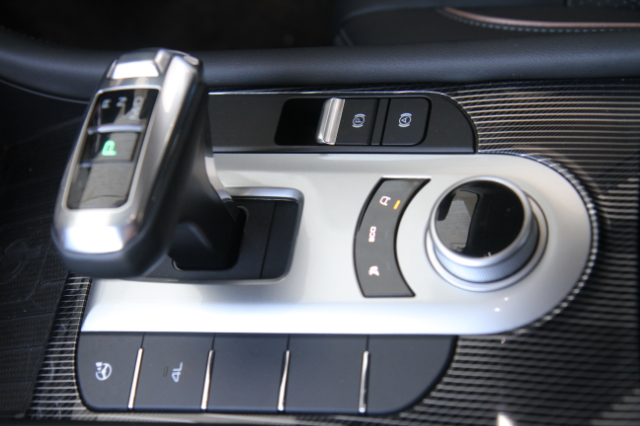
There is just one engine available in the P-Series range, a 2.0-litre turbodiesel codenamed GW4D20M. The motor produces 120 kW and 400 Nm of torque but the brand does not quote the r/min at which these figures are produced. The evident turbo lag present, particularly in the manual model means that below 2 000 r/min there is very little in the way of progress before a lump of power and torque is delivered. I found the automatic gearbox to be far better in terms of managing what appears to be a laggy motor. There is certainly room for improvement in this area, though. The brand claim a fuel consumption figure of 9.4 L/100km, which I believe to be realistic in mixed driving conditions.
The newcomer is built on the brand's latest P71 platform and is a ladder frame chassis and is available in two or all-wheel drive guise. The four-wheel drive model makes use of a Borg Warner-sourced all-wheel drive system that includes a locking rear and centre differential, a low-range mode and the choice of two and all-wheel drive on-the-fly. As an off-road tool, the P Series performs relatively well, providing 232mm of ground clearance, an approach angle of 27-degrees and a departure angle of 25-degrees.

Out on the road, the P Series exhibits respectable road manners for a vehicle with a suspension that comprises of leaf springs at the rear and double wishbones up front. Many modern bakkies are designed to iron-out the lumpy ride quality associated with an un-loaded rear-end, but GWM still needs to do some work in this area. When heading over to a gravel road, things are not any better, with the front shocks bottoming-out over bumpy sections while the once lumpy ride appears to progress to a jitter across an imperfect sandy surface.
Safety features
Since the range consists of 16 variants, there is a spectrum of potential safety systems fitted to the model. For example, the airbag count ranges from two in the basic single cab to seven in the flagship double cab. The Passenger P Series models are available with a variety of semi-autonomous driving systems which includes adaptive cruise control and smart cruise control support, Automatic Emergency Brake, lane-keeping assistance, TSR- traffic sign recognition, as well as a traction and vehicle stability control courtesy of Bosch, a reverse camera, hill start assist and 360-degree camera assist. There were no official crash test ratings available for the P Series range at the time of writing.

Verdict
The P-Series introduction is a big moment for the GWM brand locally and presents an enormous leap forward for the brand within this seminal segment. While not perfect, the pricing for the range when viewed against the level of standard specification is deeply impressive, especially for an importer going up against locally built machinery. The P-Series will need to be driven back-to-back with key rivals before a definitive verdict can be made, however, from my brief stint behind the wheel I can surmise that there is still some work to be done by the brand, but it is a commendable start.
Service plan and warranty
The P Series range comes with a 5-year/100 000km warranty as well as a 5-year/100 000km service plan.
Pricing
Commercial 2.0TD Single Cab
SX 4X2 6MT R339 900
SX 4X4 6MT R384 900
DLX 4X2 6MT R359 900
DLX 4X4 6MT R404 900
Commercial 2.0TD Double Cab
SX 4X2 6MT R369 900
SX 4X2 8AT R404 900
SX 4X4 6MT R414 900
SX 4X4 8AT R449 900
DLX 4X2 6MT R389 900
DLX 4X2 8AT R424 900
DLX 4X4 6MT R434 900
DLX 4X4 8AT R469 900
Passenger 2.0TD Double Cab
LS 4X2 8AT R434 900
LS 4X4 8AT R479 900
LT 4X2 8AT R499 900
LT 4X4 8AT R544 900
Recommended next
Which GWM Steed 5E is better: diesel or petrol?
GWM Steed 6 test drive: make sure to check these features out.