

South African electric vehicle owners are invited to put their cars to the test on the N3 between Johannesburg and Durban. Manufacturer range and efficiency figures can provide a useful starting point when shopping for an electric vehicle. Still, real-world EV performance can vary depending on factors such as driving conditions, weather, elevation, vehicle load and driving style.
Related: What does owning and driving an EV in SA really cost?
Now, Zero Carbon Charge (CHARGE) wants to build a database showing how electric vehicles actually perform on one of South Africa's major intercity routes. But before we tell you how to become part of this database, remember you can sell your car quickly and easily on our website here. You can also search for new or used electric cars on AutoTrader here.
How does the CHARGE N3 EV Test work?
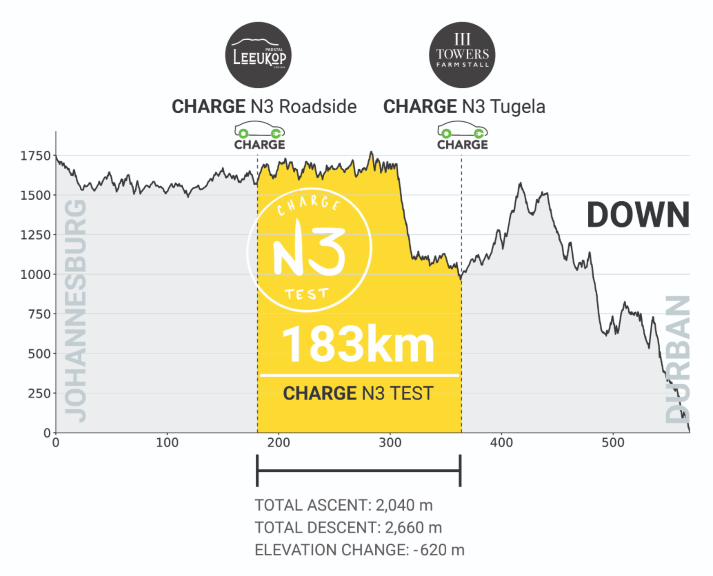
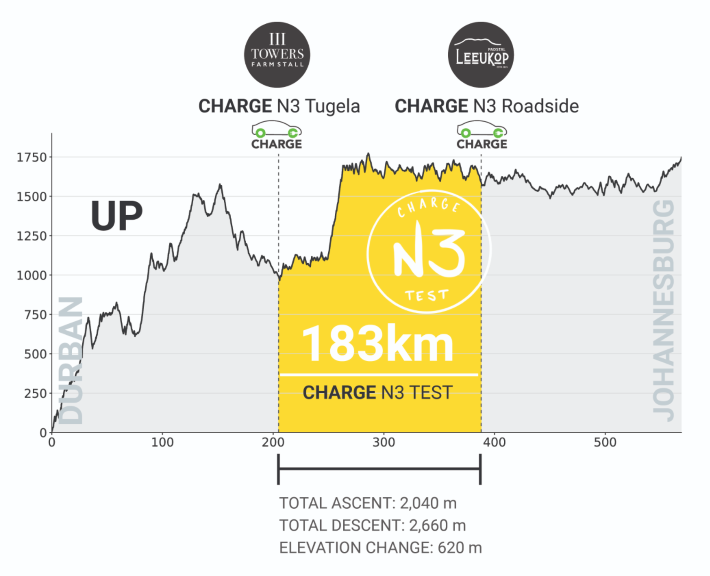
The N3 EV Real-World Test uses the Johannesburg-Durban route as a consistent benchmark for collecting data from passenger and commercial electric vehicles. EV owners travelling between the two cities can participate by using CHARGE's two N3 charging hubs:
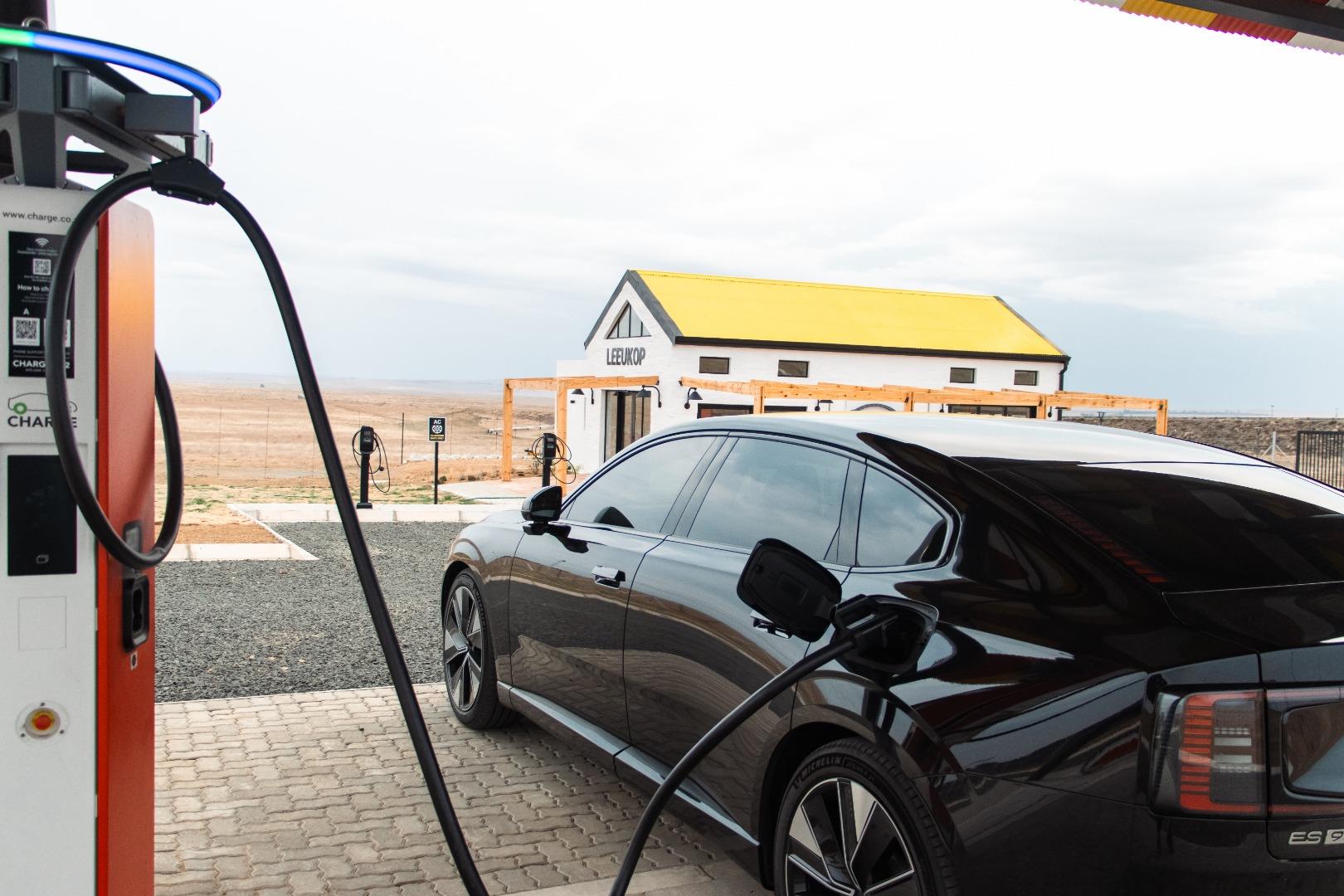
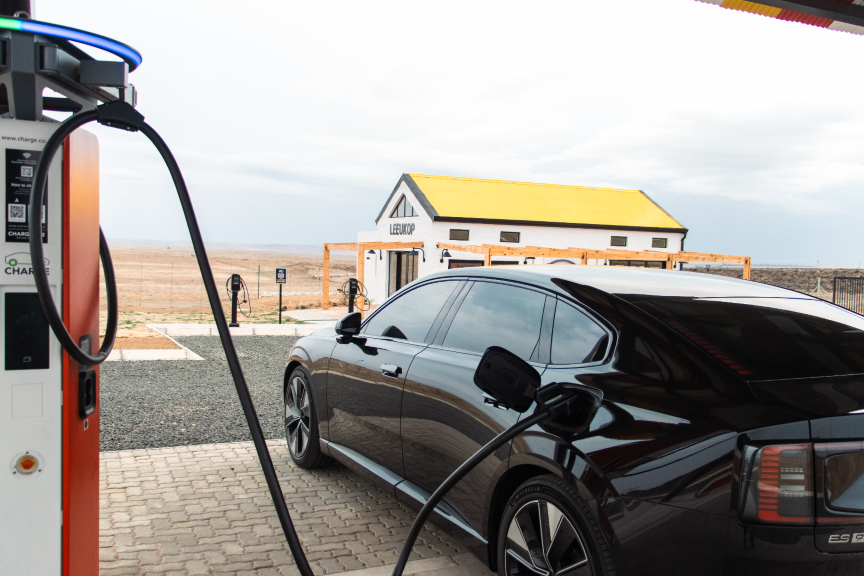
- CHARGE N3 Roadside at Leeukop Padstal in the Free State
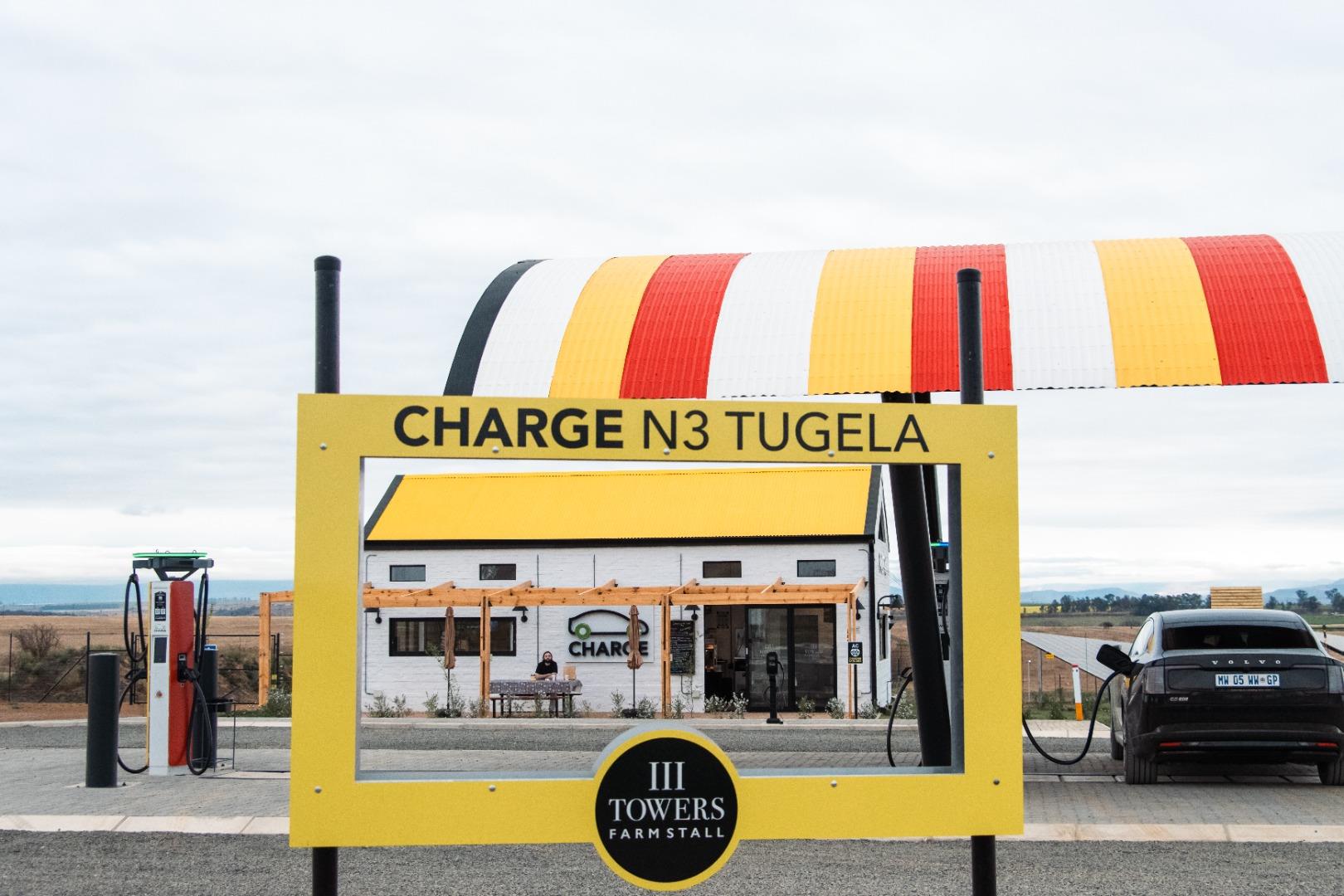
- CHARGE N3 Tugela at Three Towers Farm Stall in KwaZulu-Natal
Both charging hubs operate off-grid using solar-powered microgrids and battery storage. They currently offer 360 kW of charging capacity, with upgrades to 720 kW planned for the future. The infrastructure is intended to accommodate both passenger and commercial EVs, including vehicles capable of ultra-fast charging.
What data will CHARGE collect?
Participating drivers will share information about their vehicle and journey, allowing CHARGE to build an increasingly detailed picture of real-world EV performance in South Africa.
The collected data will include:
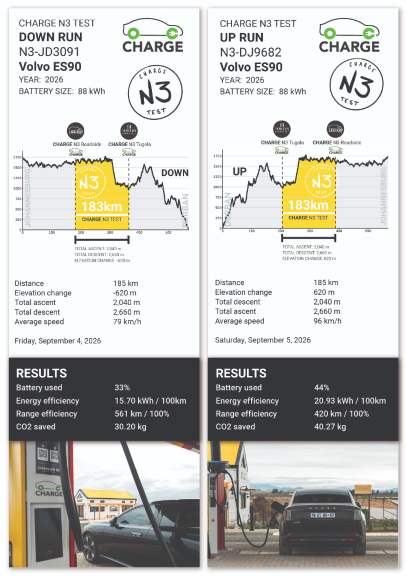
- Distance travelled and elevation change
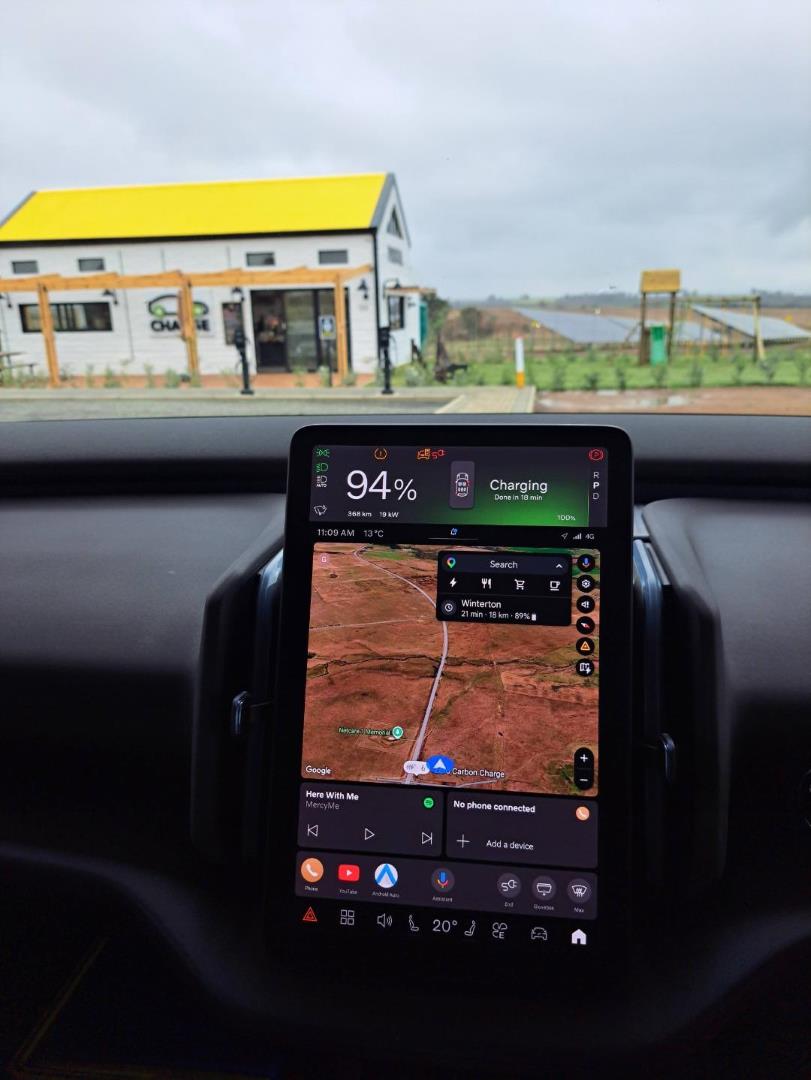
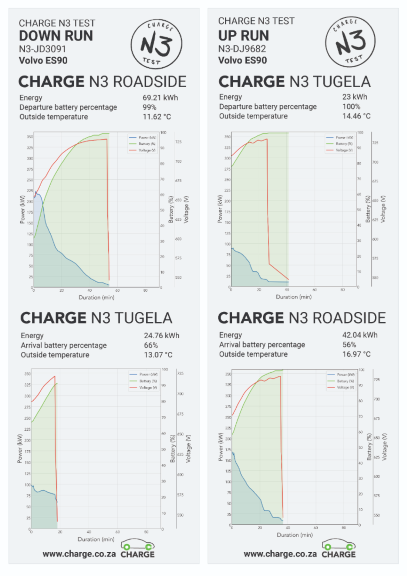
- Battery percentage on arrival and battery consumption
- Range efficiency
- Energy consumption in kWh/100 km
- Charging power in kW
- Amperage and voltage
- Charging duration and session information
The data will be anonymised or aggregated before being used to create the broader dataset. The idea is not to conduct an artificial laboratory-style comparison. Instead, CHARGE wants the test to reflect the realities of everyday EV use, with different vehicles, drivers, loads, weather conditions and driving styles contributing to the results.
How can South African EV owners participate?
Signing up requires participants to provide basic information about their planned trip and electric vehicle, including the make and model and whether they are travelling from Johannesburg to Durban, from Durban to Johannesburg, or making a return trip. Participants then download the CHARGE app, where they will receive a free charging voucher linked to their account. They have two months to complete their N3 EV Test.
After completing the journey, drivers will also be asked to fill in a short questionnaire providing additional information about their vehicle and trip. In return for sharing their vehicle and journey data, participants receive CHARGE credits towards the charging costs of their qualifying N3 test journey.
Building a South African EV database
CHARGE says the objective is to create a consistent source of real-world EV data that can eventually help motorists, fleet operators, EV owners and the wider electric-mobility industry understand what different electric vehicles are capable of on South African roads. Once enough information has been collected, CHARGE plans to publish aggregated results on its website. EV owners can contribute to a growing picture of EV range, energy consumption, and charging performance on the N3.
Want to take part?
EV drivers can sign up for the CHARGE N3 EV Real-World Test through the CHARGE website and help build a South African database of real-world electric vehicle performance. Participation is open to drivers travelling between Johannesburg and Durban, with CHARGE credits provided towards the charging costs of the qualifying N3 test journey.