Can you beat the claimed fuel consumption? We did it in a Suzuki Fronx!
Suzuki hosted its 2026 Fuel Economy Challenge in Pretoria and invited members of the media and influencers to attempt to beat the claimed fuel consumption figures for some of its most popular models. Here are the results!


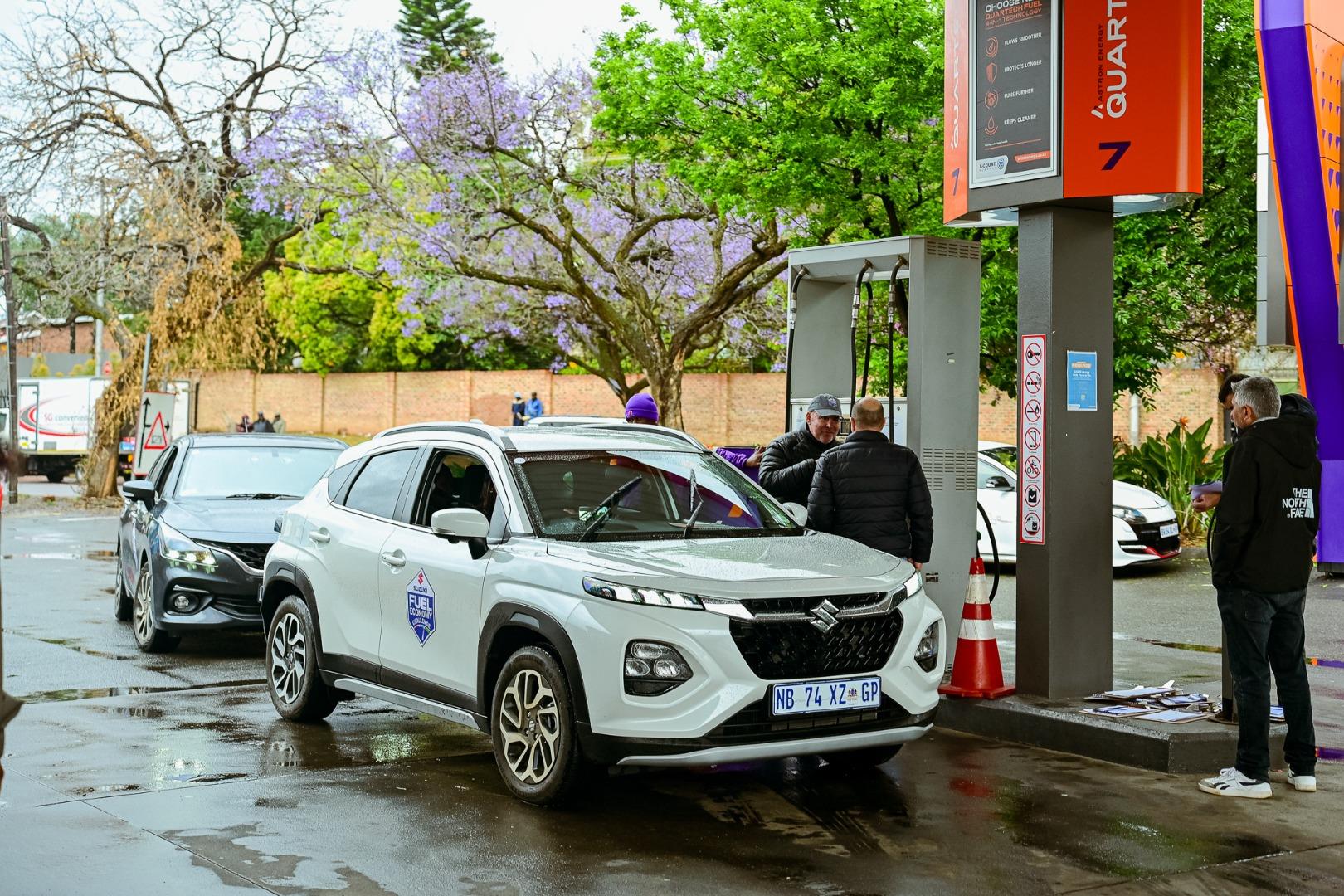
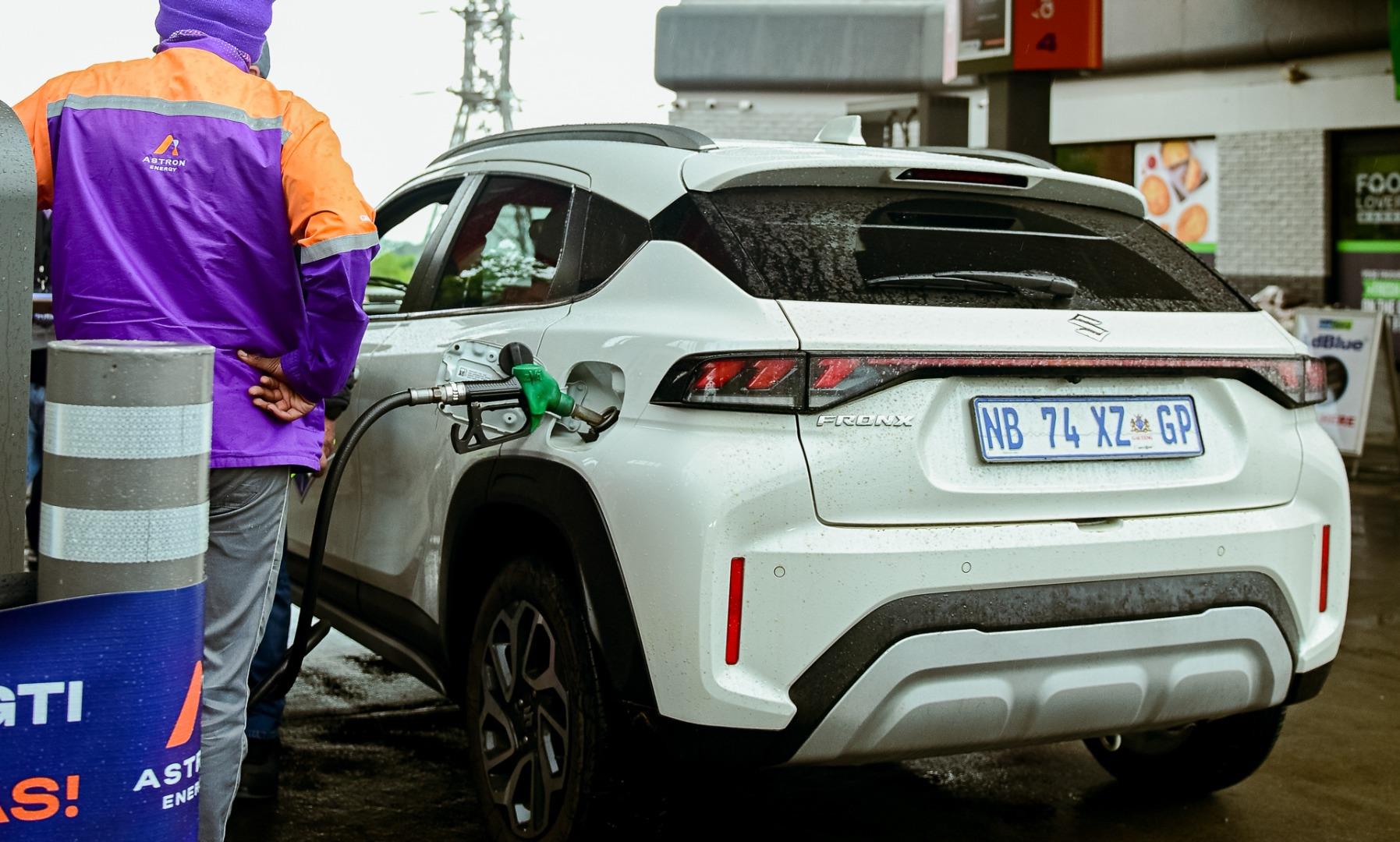

Fuel economy figures published by manufacturers provide a useful benchmark, but South African motorists know that real-world consumption can vary considerably depending on traffic, driving style and road conditions. Suzuki Auto South Africa invited AutoTrader, as well as 19 other journalists/influencers, to put its fuel-efficient cars to a practical test with its 2026 Suzuki Fuel Economy Challenge.
Related: Petrol Price October 2026: Petrol Breaks R30 a Litre for the First Time
The event took place in Pretoria from 29 to 30 September. The 20 media participants were divided into 10 teams, each tasked with achieving the best possible fuel economy from one of 10 Suzuki vehicles. Keys were drawn at random, and the AutoTrader team got the keys to a Suzuki Fronx GLX with a manual transmission. But before we get to the challenge, remember that you can sell your car quickly and easily on our website here before you search for new or used Suzuki Fronx models on AutoTrader here.
The entries
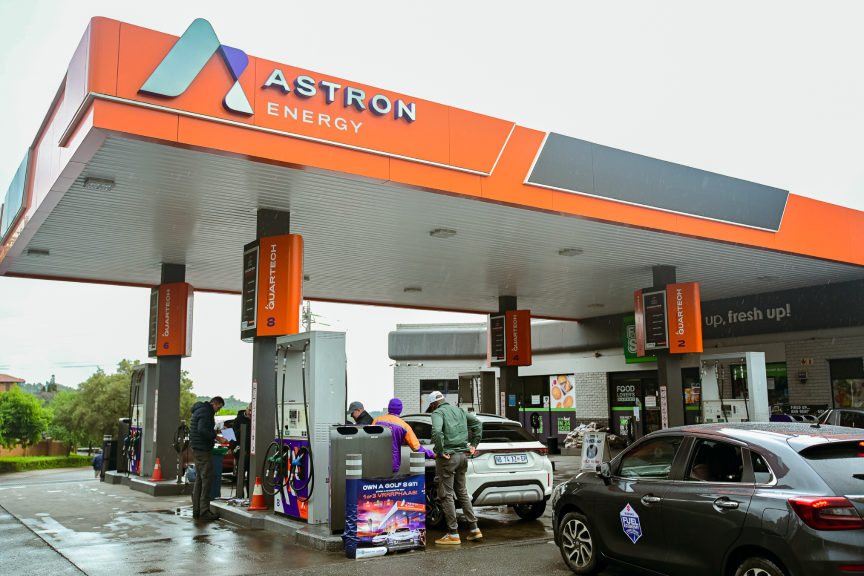
Suzuki included a wide range of its current product line-up, with the Dzire, Swift, Baleno, Fronx, and Across featured. Below is a table with the claimed fuel consumption figures of each model.
| Claimed average fuel consumption | Manual | Automatic |
| Suzuki DZire 1.2 | 4.4 L/100km | 4.5 L/100km |
| Suzuki Swift 1.2 | 4.4 L/100km | 4.6 L/100km |
| Suzuki Baleno 1.5 | 5.4 L/100km | 5.7 L/100km |
| Suzuki Fronx 1.5 | 5.5 L/100km | 5.7 L/100km |
| Suzuki Across 1.5 | 5.3 L/100km | 5.3 L/100km |
*The figures in this table were correct at the time of writing this article; however, they can change at any time and without notice.
The 2026 Suzuki Fuel Economy Challenge
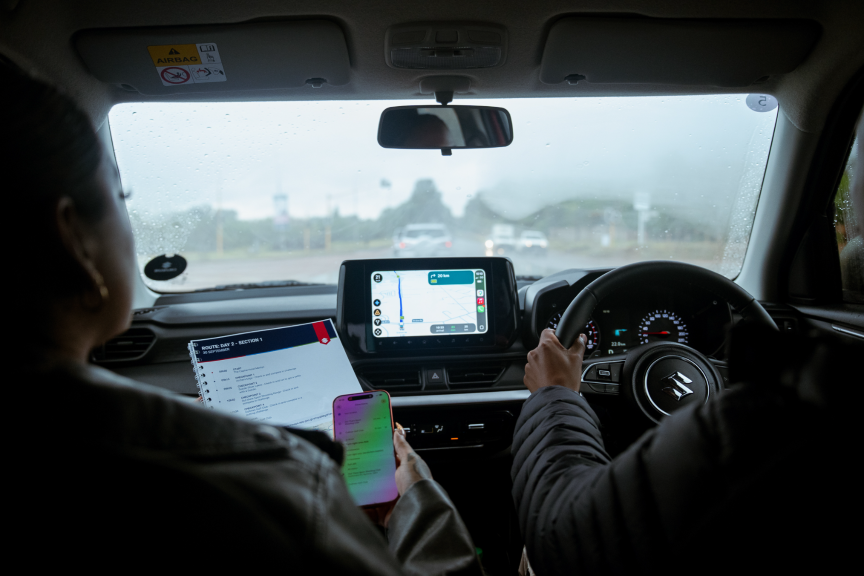
The 2026 Suzuki Fuel Economy Challenge ran over two days. On day one, teams were created, and vehicles were drawn at random. My teammate and I got the keys to a Suzuki Fronx in GLX manual guise. After a brief explanation of the rules, we had the opportunity to familiarise ourselves with our vehicle on a short route from Menlyn Maine to Rhino Park Airfield.
The rules were straightforward: drivers had to adhere to the law while driving, and although driving at a slower pace was recommended, they had to arrive at designated check-in points within time limits to create a challenge that most resembled a real-world usage case for each vehicle. Driver behaviour will be an important part of the equation, highlighting how acceleration, speed, and driving technique can influence a vehicle's fuel consumption.

For motorists facing fluctuating fuel costs, that distinction is particularly relevant. Fuel consumption can significantly affect the ongoing cost of owning a vehicle, making fuel efficiency an increasingly important consideration when choosing a new car.
How did the Fronx beat out the rest?
While one might indeed argue that a larger Across wouldn't be able to beat the average fuel consumption of, say, the DZire, the competition was looking at percentages between the claimed average consumption and the actual consumption achieved by the contenders. That said, this was achieved by filling each competing vehicle's fuel tank and, at the end of the challenge, refilling it to determine how much fuel was used over the same distance and under the same driving conditions.
In the end, our Suzuki Fronx was determined to have achieved the best average fuel consumption, returning with a figure of 5.14 L/100km. Compared to the manufacturer's claimed 5.5 L/100km, it was a significant fuel saving, especially if you consider achieving a similar figure over a month, for instance.
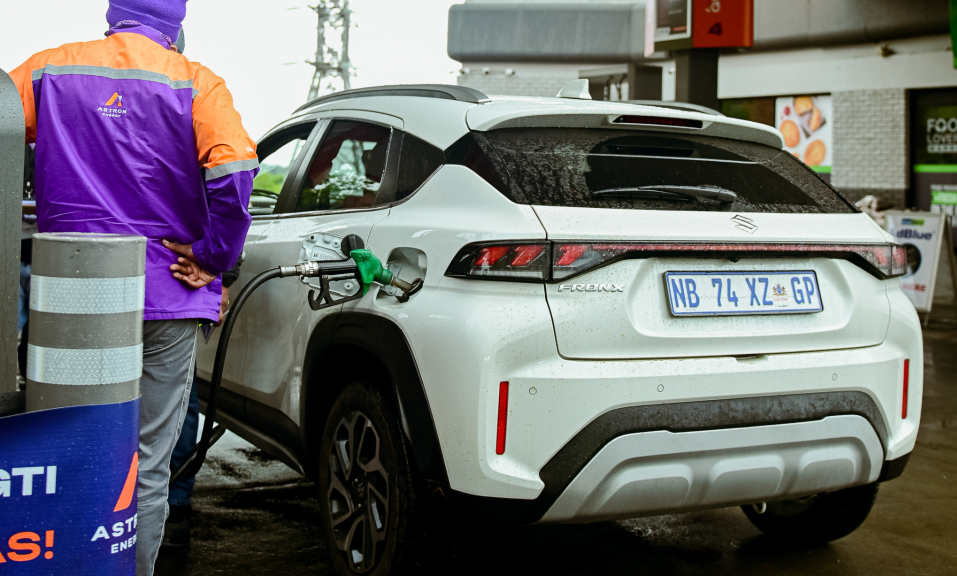
Our team achieved this figure through simple adjustments to our driving behaviour. First and foremost are the throttle inputs: smooth inputs from standstill and small inputs at speed mean less fuel will be used. Also drive around 10 km/h slower than the posted speed limit: 50 km/h in a 60 km/h zone or 110 km/h in a 120 km/h zone. The second was using momentum: our route had plenty of inclines and declines; as such, a smooth run up the incline and barely accelerating during declines meant less fuel was used.
Anticipating traffic, when a traffic light or stop street was spotted, we utilised engine braking; the act of taking your foot off the accelerator and shifting to a lower gear. Using the brake to modulate your speed or slow down wastes fuel as the engine is still effectively idling. Last but not least is the air conditioning usage.
At speeds below 60 km/h, opening windows is more efficient because there is less pressure on the engine to power the air conditioning pump and the aerodynamic drag from the open windows is marginal. Travelling at speeds over 60 km/h will increase the aerodynamic drag of open windows drastically, and ultimately, using the air conditioning in the high gear ratios and with higher engine speed will have less negative effect on your fuel consumption.

Verdict
It is true that, in most instances, the manufacturer-claimed average fuel consumption figures are obtained under laboratory-like conditions and will be nearly impossible to achieve in the real world. However, that doesn't mean that you can't get close by changing some of your driving habits. In this case, where Suzuki South Africa typically provides a more realistic claimed figure, we not only met it but exceeded it.
Considering the size of the vehicle, the engine and the route we took, it was really impressive to see just how frugal the Suzuki Fronx were, which brings us to our last point. With ever-fluctuating fuel prices, choosing the right car is important, and sometimes sacrificing certain luxuries for a more frugal model can lead to a better ownership experience.