Petrol Price October 2026: Petrol Breaks R30 a Litre for the First Time
South African petrol prices rise sharply on Wednesday, 7 October 2026, pushing 95 unleaded past R30 a litre inland for the first time. Here are the new prices, what a full tank will cost you, and how much extra you'll spend over the year.



New petrol and diesel prices from 7 October 2026
| Fuel | Change | New price (inland) | New price (coast) |
|---|---|---|---|
| Petrol 95 | +R3.33/l | R30.25 | R29.38 |
| Petrol 93 | +R3.12/l | R29.88 | R29.09 |
| Diesel 500ppm (wholesale) | +R2.84/l | R31.95 | R31.08 |
| Diesel 50ppm (wholesale) | +R3.24/l | R33.23 | R32.21 |
Diesel prices are wholesale so that forecourt prices will be higher. Expect retail diesel at roughly R33-R35 per litre, depending on the station.
What a full tank costs now (95 petrol, inland)
Most articles stop at the per-litre price. Here's what actually leaves your wallet at the pump:
| Tank size | Typical vehicle | Before (R26.92/l) | Now (R30.25/l) | Extra per fill |
|---|---|---|---|---|
| 40 litres | Small hatchback | R1 077 | R1 210 | +R133 |
| 50 litres | Family sedan/crossover | R1 346 | R1 513 | +R167 |
| 70 litres | Large SUV | R1 884 | R2 118 | +R233 |
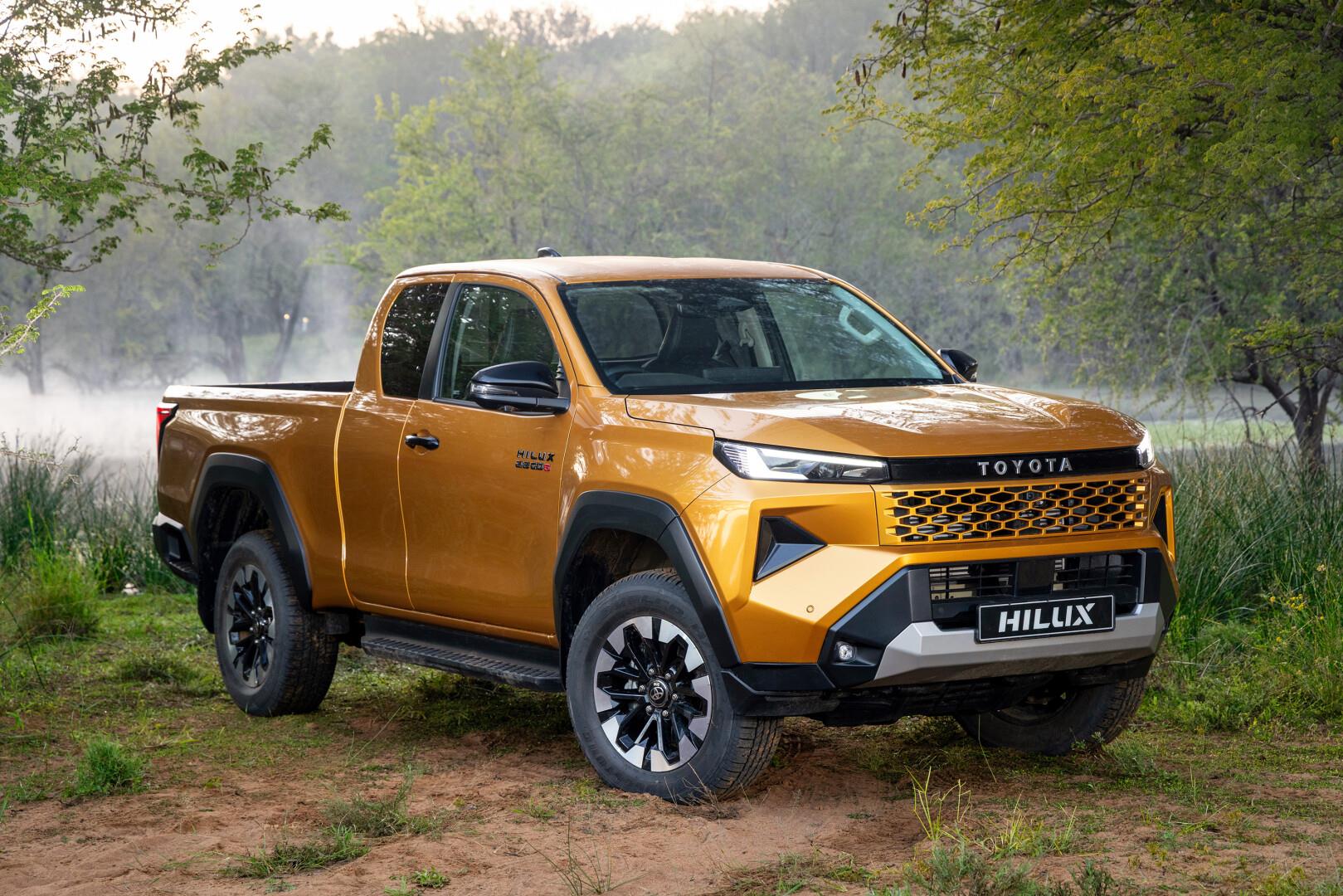
A diesel bakkie with an 80-litre tank will cost roughly R2 640 to R2 800 to fill at retail prices of R33 to R35 a litre.
How much more will you spend this year?
Here's the annual damage, assuming 1,500 km a month. (Your own mileage will vary, so adjust accordingly.)
- Small hatchback (5.5 L/100km): about 83 litres a month, so roughly R275 more a month (about R3 300 a year) at the petrol increase of R3.33/l.
- Compact SUV (8.0 L/100km): 120 litres a month, so roughly R400 more a month (about R4 800 a year).
- Diesel bakkie (9.0 L/100km): about 135 litres a month, so roughly R437 more a month (over R5 200 a year) at the 50ppm increase of R3.24/l.
Per kilometre, the cost of driving that hatchback rises from about R1.47 to R1.65. The compact SUV goes from about R2.14 to R2.40 per km, and the bakkie from about R2.88 to R3.16 per km.
The bigger picture: up almost 50% since March
This increase isn't a one-off. Coastal 95 petrol has climbed from R19.92 a litre in March to R29.38 now, a rise of nearly 48%, or almost R10 a litre in seven months. Inland, the price was about R20.30 in March and peaked at R28.06 in June. After a short breather in July and August, it's now well past that peak.
For perspective, this month's R3.33 jump alone adds about 12% to the previous inland price of R26.92.
Why is the fuel price going up?
- Crude oil: The average Brent crude price rose from US$87.89 to US$101 a barrel over the review period.
- Geopolitics and supply: The Department of Mineral and Petroleum Resources points to continued US–Iran tensions, uncertainty around the Strait of Hormuz, higher shipping costs and falling global inventories.
- Basic fuel price impact: These pressures added about 329 cents a litre to petrol's basic fuel price and about 280 cents to diesel's.
- The rand: It strengthened slightly against the dollar, but nowhere near enough to cushion the blow.
- No levy relief: The government cut the General Fuel Levy by at least R3 a litre for two months in April, but has not reintroduced similar relief. Mineral and Petroleum Resources Minister Gwede Mantashe has said there are no immediate plans to do so.
What fuel economy is actually worth in rands
This is where your next car choice matters. At today's R30.25 a litre and 1 500 km a month:
- Improving your fuel economy by 10% saves a compact SUV driver roughly R360 a month.
- A car that uses just 2 litres less per 100 km saves about R900 a month, or nearly R11 000 a year.
That makes consumption a real line item when you compare cars. A slightly pricier, more efficient vehicle can pay for itself faster than it did a year ago. It's worth browsing fuel-efficient cars, hybrids and electric vehicles on AutoTrader with your actual mileage in mind.