1. Better driving dynamics & insulation
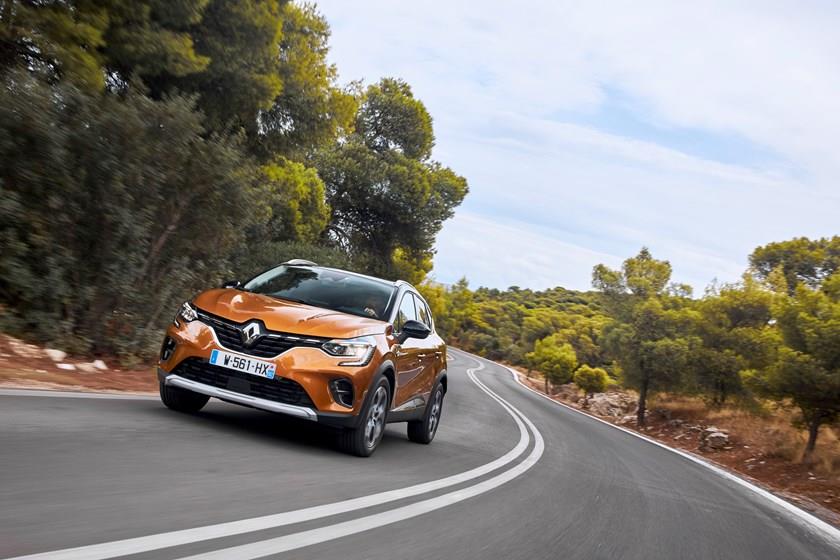
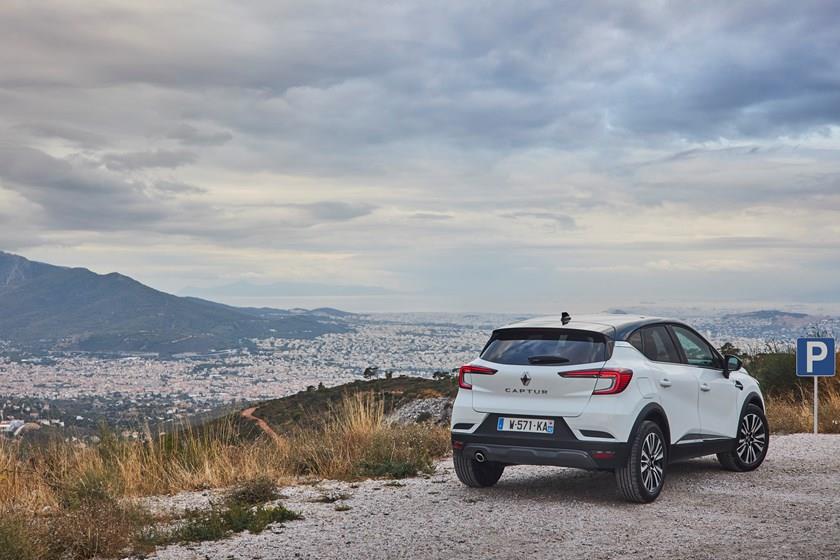
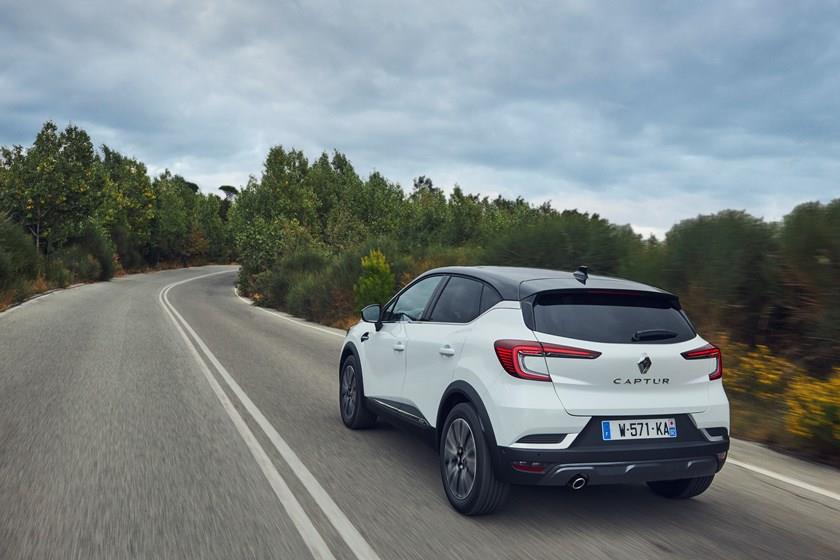
The new Captur will ride on an altogether new platform which is also the basis for the new fifth-gen Clio, which will also be arriving soon. The new CMF-B platform is lighter than the current one, and is optimized for better aerodynamics which translates to less drag and wind/road noise. The sound level in the passenger compartment has been reduced to 2 dB between 0 and 130 km/h.
Related: Renault Captur 66kW 1.5dCi review - Plush, practical, and pretty (Feb. 2018)
Renault says: "A special effort has gone into various components to boost acoustic comfort for the occupants: a reinforced body structure, the use of new insulation materials, extra insulation in the engine compartment, a full sub-frame fairing to improve the floor’s insulation performance, the application of new design rules for some seals, the addition of an acoustic film to the windscreen, a twin seal system for the doors, etc."
2. More space!
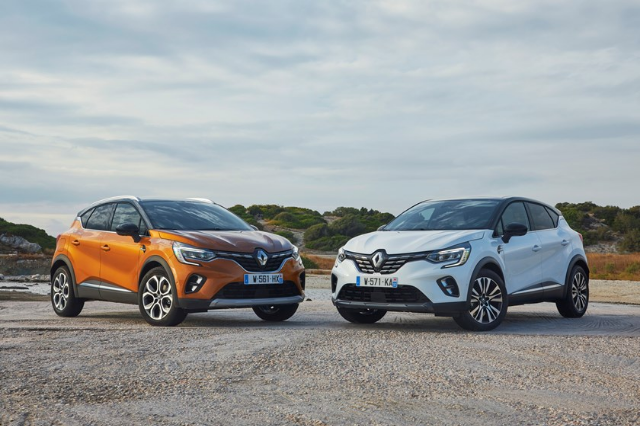
The new Captur will be taller, wider and longer. Thanks to slightly longer wheelbase the entire Capture grows in length by 11 cm. There will also be more space in the rear since the backrests can slide backwards or forwards, which will increase or decrease legroom for passengers. When the back rest is moved forward as far as it can go, you will be left with a massive 536 litres of boot space!
Related: 3 Diesel cars you can buy new for less than R300 000
3. Eye-catching exterior looks
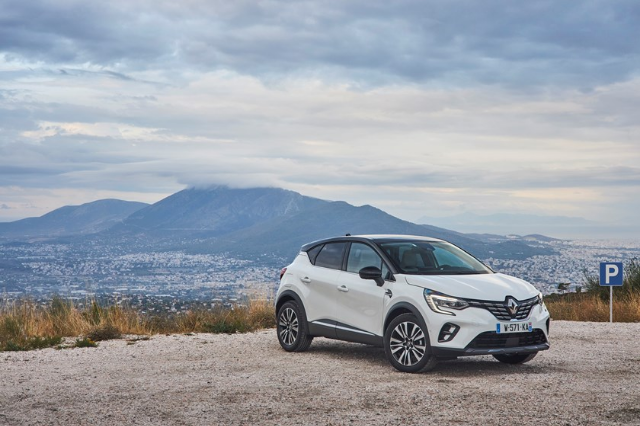
The shiny new Captur has enjoyed a proper makeover to compete with star players from Citroën, VW and Hyundai, to name a few. New boomerang-shaped LED lights in the front and rear, a redesigned bumper and the option for larger alloy wheels all contribute to make the new Captur quite the little attention-grabber. Roof bars and a sunroof can be specified. When the Captur launches, it will be available in 11 exterior colours, 4 contrasting roof colours and 3 customization packages.

4. A fresher and more sophisticated interior
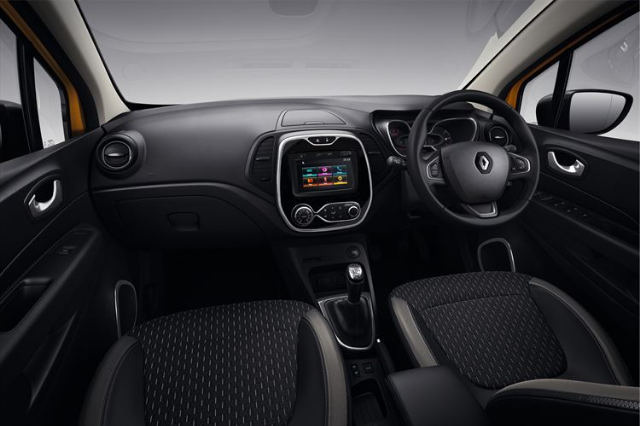
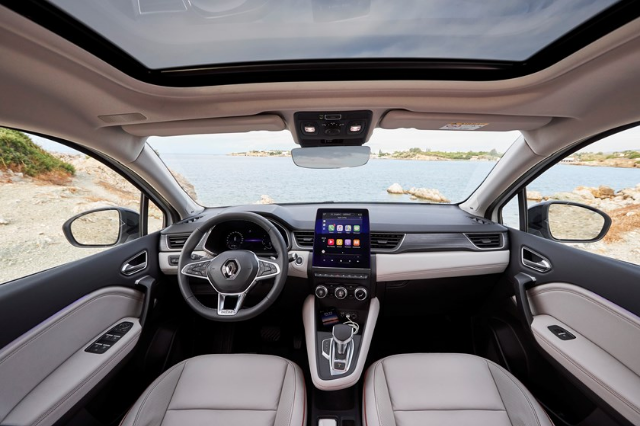
What would a makeover be without an interior refreshment? It's looking completely different, with a large vertical screen and several buttons underneath. The gear lever has been placed higher up as well for better ergonomics. It also frees up space for the optional wireless charging pad for smartphones and similar devices.
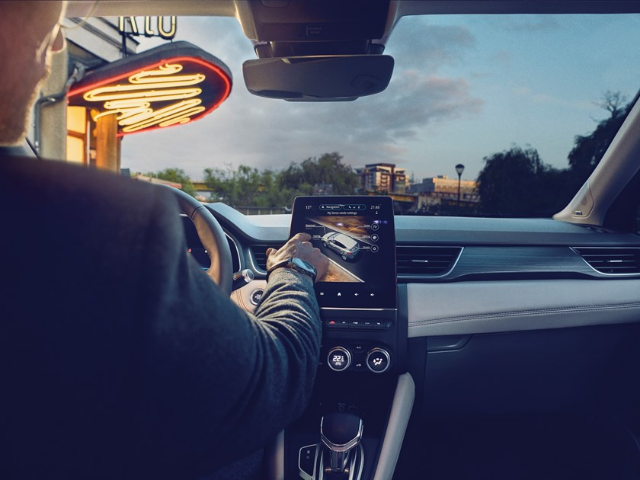

Group 1 Renault reports that the TFT digital instrument cluster and an optional touchscreen are reportedly the biggest in its class. It is angled towards the driver and comes with an all-new Easy Link multimedia system and always-on 4G connectivity which supports a wide variety of services.
Level 2 semi-autonomous driving features with adaptive cruise control and lane keep assist will also be available, including Renault's new Highway and Traffic Jam Companion with a 360-degree camera and active emergency braking with cyclist and pedestrian detection.
5. Upgraded engine options
Local engine specifications have not been released yet, but it's likely we will yet again be getting a combination of petrol and diesel models, and possibly a plug-in hybrid.
Abroad, the petrol range starts with Renault’s new 1.0-litre, 3-cylinder TCe turbo-petrol engine with 74 kW and 160 Nm. The other derivative is a 1.3-litre turbo-petrol engine which is available in 96 kW / 240 Nm and 114 kW / 270 Nm options.
The 2020 Renault Captur 1.5 dCi engine has been upgraded as well, but time will tell if we'll be receiving two diesels — I don't think it's very likely, though. In overseas markets the two oil-burning models have output figures of 240Nm or 85 kW / 260 Nm. The two transmission options will include a six-speed manual and seven-speed EDC dual-clutch gearbox.
Group 1 Renault says that from next year, the 2020 Renault Captur will become the first vehicle in its class to offer a plug-in hybrid powertrain option. Renault’s new E-Tech powertrain combines an electric motor to a 1.6-litre petrol engine with a claimed range of up to 45 km between charges.
Related: Which Renault Captur is the most fuel-efficient?
Recommended next
The Hyundai Venue - your new happy place
Source: Group 1 Renault SA & Groupe Renault International