Fast Facts: BMW R 1300 GS Adventure vs KTM 1390 Super Adventure R
The 1300 GS is not a new machine. It was launched in South Africa in January 2024, and we eventually got to ride an array of GS machines at the local media introduction in June of that year. The demand for these bikes is so high that BMW Motorrad South Africa must first supply all its customers before the media fleet is considered, hence the late reviews.
Related: BMW GS model launch (2024) First Ride Review
The 1300 GS Adventure was launched locally in January of this year, and due to the reasons above, the media is only now getting a crack at test rides. This is not necessarily a bad thing, as it has given the Bavarians some time to release a few derivatives in the meantime, and that is why we have on test, a first, really, a GS with a DCT-like transmission. This innovation from BMW gives the popular GS Adventure clutch-less riding for effortless touring potential, but what is it like to live with?
How does the BMW R 1300 GS Trophy compare to the KTM 1390 Super Adventure R?

Styling
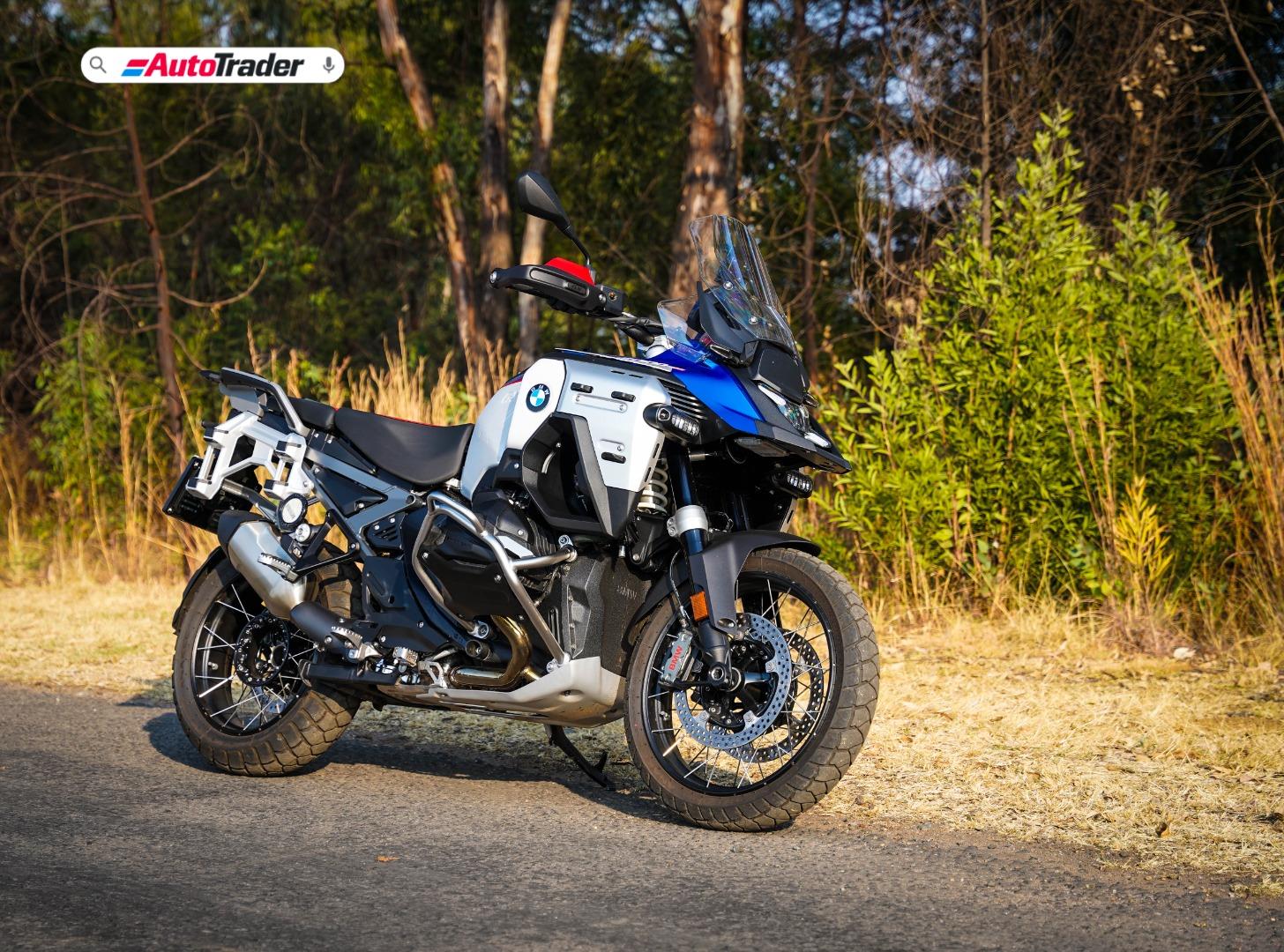
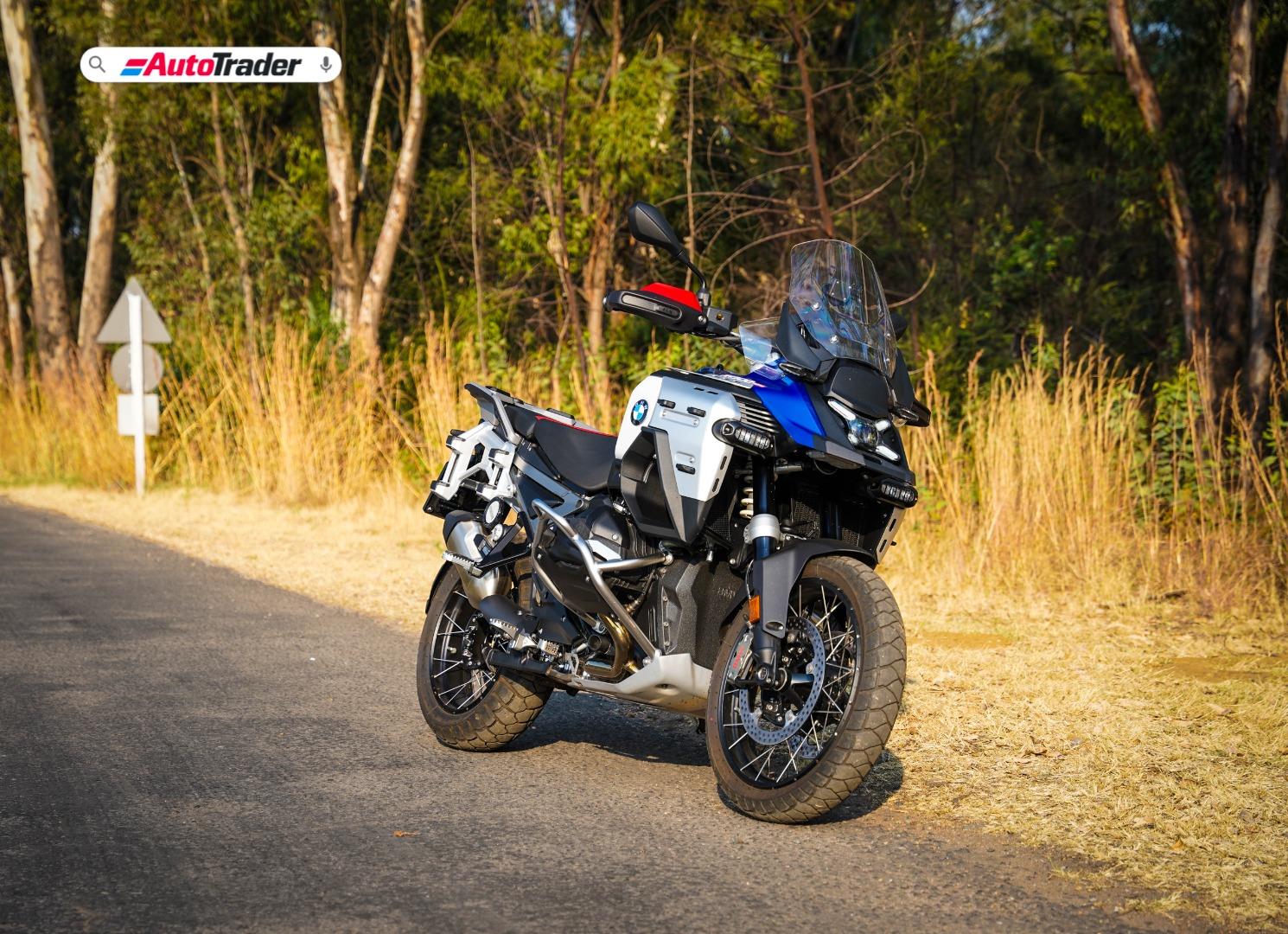
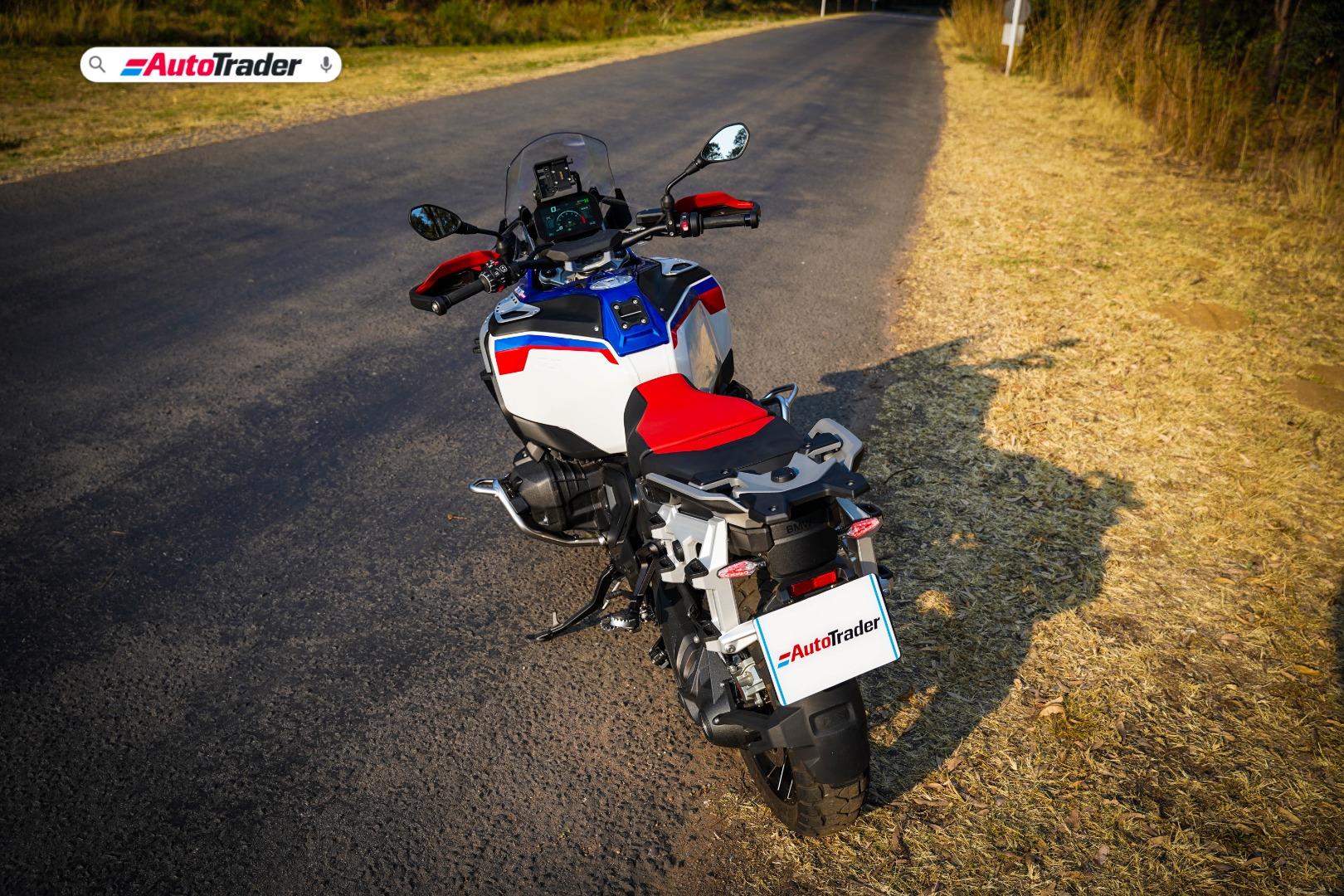
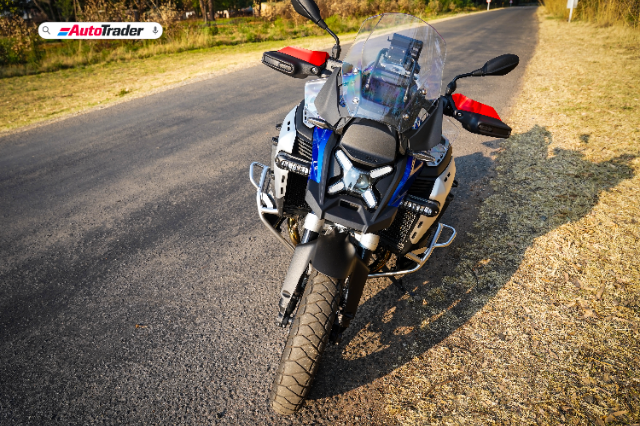
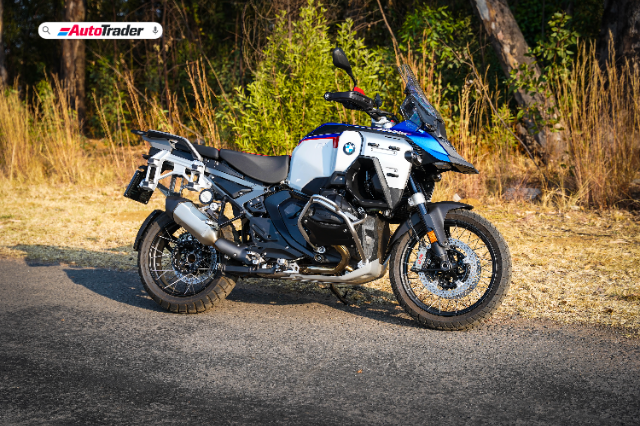
The 1300 GSA really divided opinion on its release. The GS had already set things in motion with the departure of the asymmetrical headlight arrangement to the LED X, and the GSA furthered this with its bulky, squared-off look. The extra girth accommodates the 34L fuel tank, but it looks rather fetching in the red and blue Trophy colour scheme. Due to the extra width, the GSA seems rather cumbersome to ride, and you need to be conscious of that width when lane filtering or traversing parking areas. The engine guards extend further than the handlebars, and you will eventually bash your shin against one.
The GSA is one of those machines that gets attention at the outset for the wrong reasons, but gets more attractive the longer you look at it. It has some exciting angles, and there is more to see every time you take a closer look.

Engine and Drivetrain
The legendary 1300cc air and liquid-cooled four-stroke flat twin engine with double overhead and chain-driven camshafts featuring BMW ShiftCam tech is cradled in the frame. The power figures are eyewatering, delivering 107kW and 149Nm, the GSA will rocket right past 200km/h. Power goes to the rear wheel via a shaft drive and a new proprietary transmission called BMW ASA (Advanced Shift Assistant). ASA is very similar to the DCT systems found in Honda products. It is a clutchless ride system wherein you do not need to apply a clutch lever to stop and go or change gears.
It has a small button allowing you to select between full auto or manual operation, and it works very well unless you are trundling along at slow speeds, but we'll get to that in a second.

Tech and Features
It's the usual state of affairs in terms of tech. You will find a 5.0-inch TFT display with the familiar scroll wheel and menu select buttons. Our test unit was equipped with a number of extra packages.
- Dynamic Package: Ride Mode Pro, Sports brakes, Gera Shift Assist
- Touring Package: Chrome headers, Electric adjustable windscreen, centre stand, GPS preparation, Aluminium pannier brackets, passenger kit
- Innovation Package: Ride Assist (ADAS), Adaptive lighting, Adaptive vehicle height control
This makes the GSA extra tour-ready, relegating it to tar road territory and not so much meant for gravel anymore. The weight climbs exponentially, and this machine weighs in at 269 kg. You get a 19" front tyre and a 17" rear tyre wrapped around cross-spoked tubeless wheels.

Let's Ride
The GSA has a menacing appearance, and upon approaching it, you are filled with a sense of dread due to its size. Once you have it up off the side stand, you find the fantastic balance point low down, giving it great handling despite its size. The automatic adaptive height control and comfort seat in low spec enable you to flat-foot the bike at traffic lights, so you aren't fighting to keep your balance on tiptoes.
It accelerates steadily and surpasses highway speeds rapidly, but stops as quickly due to the BMW-branded Brembo brakes. You get dual 4-piston callipers up front with 310mm rotors and a single calliper and disc arrangement at the rear. You get full integral ABS front and rear and 6-axis ride control to keep you planted on terra firma.
Now we come to the important part of the test: the ASA, Automatic Shift Assist. The system is excellent once you're moving at speed, but it's no good at slow-speed manoeuvres, especially if you are coasting up to a traffic light or attempting to lane filter. Switching into manual mode allows you greater control of the shift points, and you can hold gears. However, there is a delay between throttle input and acceleration in first gear, which makes anticipating traffic light changes very important.
Touring fundies will enjoy the new Ride Assist system, which incorporates Adaptive Cruise Control, Blind Spot Monitoring, and rear radar assist to facilitate a safer ride. The GSA is a great ride, but I struggle to see many folks taking one off the beaten path. It's heavy, bulky, and clearly not going to enjoy the dusty life.

Model and Pricing
| BMW R 1300 GS Adventure | R 325 500 (base no options) |
| BMW R 1300 GS Adventure Trophy | R 432 950 (as tested) |
Spec includes: GS Trophy colour scheme |
*Pricing is correct at publication and is subject to change anytime. The prices are non-binding recommendations of the manufacturer, including 15% VAT and excluding transfer costs. Modifications and mistakes reserved. If you have any questions, please get in touch with your local BMW Motorrad retailer.
*From 1 June 2020, all BMW Motorrad bikes are subject to a 5-year warranty.
Pros and Cons
Pros
- Punchy motor
- Ride assist systems
- Extra fuel capacity for longer rides without stopping
- Comfortable
- Easier to ride on tour (no clutch)
Cons
- ASA is no good at slow speeds
- Gear change delay at slow speeds
- Bulky
- Heavy
- Expensive
Verdict
The GSA is big, bulky and not very attractive; the ASA transmission is flawed at low RPM, and you will constantly bash your shins against the engine case guards, but the more I ride this machine, the more I like it. It has a fantastic balance point, and if you ride it in the manual mode, it bangs through the gears like a Moto GP racer. It's not overly nimble, but when you find that balance point, you can ease it into and out of corners with surprising grace. The ASA system is an excellent idea on paper, but how it will be accepted is a different story. Please don't knock it till you try it, but at a significant premium over a standard manual, it may be a hard sell to traditional ADV riders.