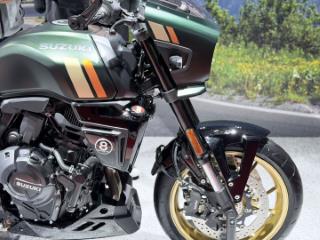
Historically, motorcycling is viewed as a seasonal activity worldwide. When winter arrives, bikers retreat indoors and store their bikes away or sell them in preparation for the next riding season, when they buy a new machine. This means that the best time to buy or sell is tied to the seasons. Here in South Africa, we have a very temperate climate where this doesn't matter much, but the buying and selling season still remains tied to the seasons.
Related: Getting your bike ready to sell: Tips for maximising value in SA
Knowing the best time to buy and how to negotiate can save you a significant amount on a new or used motorcycle. Here are insider tips on when dealers are most eager to sell and how to approach negotiation and trade-ins, with an emphasis on seasonality, which is key to motorcycle sales.
Documents needed to sell your bike in SA

When dealers are most eager to sell motorcycle stock
The dealership's motivation is heavily influenced by the season and its internal deadlines. In regions with distinct riding seasons, i.e., not year-round warm climates, the best time to buy, and when dealers are most motivated to sell, is typically during the off-season.
1. The motorcycle off-season (Late Autumn to Winter)
Timing: Late April/May through August
Why dealers are eager:
Low demand/traffic: Cold weather means far fewer buyers, giving you maximum leverage.
Clearance of new models: Dealers need to clear out the previous model year's new bikes, called "leftovers", to make room for the new inventory arriving in early spring. This is when the most significant discounts on new bikes often appear.
Year-end quotas: Many dealerships have sales targets they need to meet by the end of the calendar year (typically November/December), making them more willing to negotiate in the last few weeks of the year.
Storage costs: Dealers want to avoid the expense and hassle of storing excess inventory over the winter.
2. End of the month/quarter
Timing: The last few days of any month, and especially the last few days of a sales quarter (March, June, September, December).
Why dealers are eager:
Sales staff and managers have monthly, quarterly, and annual sales goals and bonuses tied to these deadlines. If they are close to reaching a significant target, they might accept a lower profit on your sale to remove the unit from their books and achieve their goal.
3. Before a new model release
Timing: Typically in the late summer or fall, right before a manufacturer announces or delivers the following year's models.
Why dealers are eager:
They need to get rid of the current stock (even if it's not strictly "last year's model" yet) to make way for the highly anticipated new bikes. This is an excellent time to purchase a current-model bike that will soon be superseded.

Negotiating a motorcycle price
The key to a good deal is preparation and focusing on the total cost.
1. Do your homework
Know the True Value: Research the Out-The-Door (OTD) price for the specific bike and model year you want from other dealerships. Also, know the fair market value for your trade-in.
Know the Dealer's Cost: New motorcycle dealer margins are typically smaller than those for cars (often around 10%), so be realistic about the final discount. They make their money on volume and the "back end" (financing, accessories, service).
2. Focus on the "Out-The-Door" price
Negotiate the total price, not the monthly payment. Dealers can manipulate the monthly fee by extending the loan term or changing the interest rate. Always ask for the final "Out-The-Door" (OTD) price, which includes the bike, all applicable fees (such as freight, preparation, and documentation fees), taxes, and registration.
Scrutinise fees: Ask them to justify or remove any ambiguous "Dealer Prep" or "Documentation" fees. Some are mandated by law, but others are pure profit padding.
3. The poker face and patience
Don't fall in love: Don't let the salesperson see how emotionally attached you are to the bike. Mention that you are shopping at a few other dealers.
Walk away: Be prepared to walk out. Saying, "I really like the bike, but I can't justify that price, so I'm going to check out the other offer I have," is one of the most effective negotiation tools. They will often call you back with a better price.
Ask for "Add-Ons" instead of a further discount: If the dealer won't budge further on the price, pivot the negotiation to things with a high retail but low wholesale cost for them, such as:
Free first service (e.g., the 600-mile service).
A discount on gear, parts, or accessories (e.g., 15-20% off).
An extended warranty or service plan is thrown in or deeply discounted.

Best time for Trade-Ins
The ideal time to trade in your old bike is when the dealer has the highest demand for used inventory and is preparing for their busiest season.
Timing: Late winter to early spring (August to November).
Why is the Trade-in value higher?
Stocking up: Dealers know that the peak buying season is approaching (spring/summer), and they want to fill their used inventory with good-quality trade-ins to have a full selection for the rush.
Higher retail value: Since demand for bikes is rising, the dealer can sell your trade-in for a higher price, which means they are more likely to offer you more for it now than they would in the dead of winter.
Trade-in tip: Always obtain a separate, firm quote for the value of your trade-in before negotiating the price of the new motorcycle. This prevents the dealer from adjusting the numbers to make it appear that you are getting a better deal on the new bike while undervaluing your trade.