Spokes or Alloy? Why do off-road and street bikes need different wheel designs
Wheel designs have less to do with visual aesthetics than you may think. There is a big reason why some bikes have spoked wheels, and others have mag wheels, and it has everything to do with the types of riding and performance.



Have you ever looked at a motorcycle and wondered why it has the type of wheels that it does? Why do some bikes have spoked wheels, and why do others have mag wheels? The answer goes deeper than just appearance, even though that is a factor.
Related: Spoked vs. Mag Wheels: Which motorcycle wheel type is right for your riding style?
When you look at a dirt bike and a sport bike, the most striking difference, besides the knobby tyres, is the wheel design. This isn't just about aesthetics; it is a fundamental engineering choice based on how the bike interacts with the ground. Here is the technical breakdown of why off-road and street bikes require different wheel architectures.
How much does riding a motorcycle cost?

Flexibility vs. Rigidity
The core difference lies in how each wheel handles force.
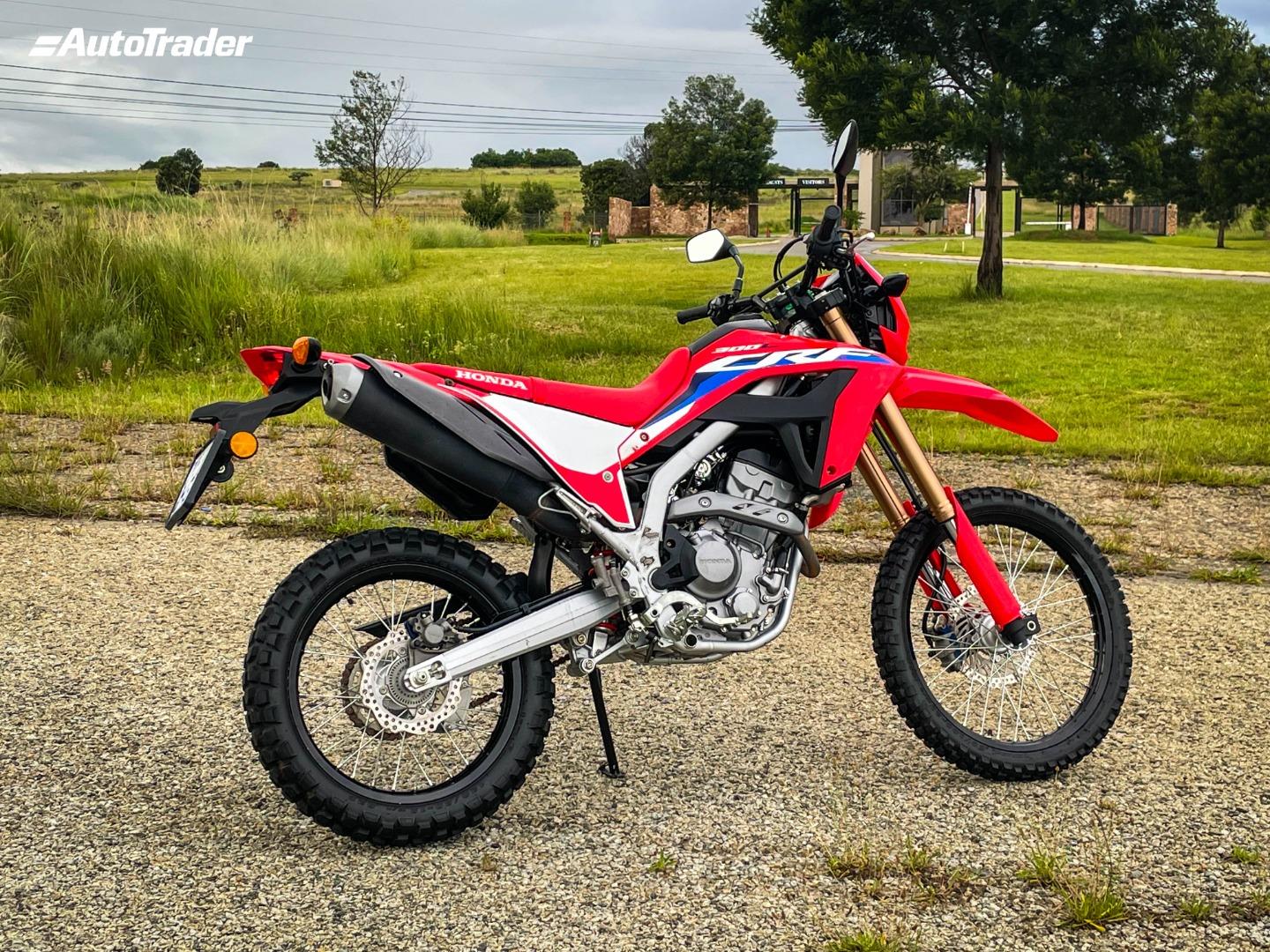
Spoked wheels (Off-Road): A spoked wheel is a dynamic structure. The tensioned steel wires allow the rim to flex and distort slightly upon impact. When a dirt bike lands a jump or hits a rock, the spokes distribute that energy throughout the entire wheel. This spring-like quality prevents the rim from shattering and acts as a secondary suspension layer.
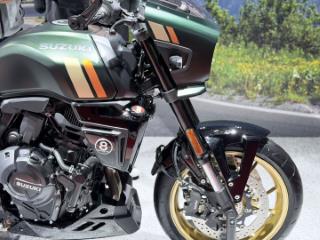
Alloy wheels (Street): Alloys are typically cast or forged as a single, rigid piece of aluminium or magnesium. On smooth pavement, rigidity is an advantage. It provides a stable platform for high-speed cornering and ensures that the rider’s steering inputs are transmitted directly to the tyre without the "mushy" feeling of a flexing wheel.

Failure Modes
How a wheel fails is just as important as how it performs.
| Feature | Spoked wheels | Alloy wheels |
| Impact reaction | Bends or "tacos" but stays in one piece. | Brittle; likely to crack or shatter. |
| Repairability | Individual spokes or the rim can be replaced. | Usually requires total replacement. |
| Field service | It can be "trued" or hammered back into shape. | Impossible to repair on the side of a trail. |
In a remote off-road setting, a bent rim can often be limped back to civilisation. A cracked alloy wheel results in an immediate loss of tyre pressure and a stranded rider.

The tubeless vs. tube
This is often the deciding factor for street riders who prioritise convenience.
Alloy advantage: Because alloy wheels are a solid, non-porous casting, they are naturally airtight. This allows for tubeless tyres, which are lighter, run cooler, and—most importantly—can be repaired in minutes with a simple plug kit if you catch a nail.
Spoke limitation: Traditional spoked wheels have dozens of holes drilled into the rim for the spoke nipples. This makes them "leaky" by design, requiring an inner tube to hold air.
Technical Exception: High-end adventure bikes, like the BMW GS series, use "cross-spoked" wheels where the spokes attach to the outer edge of the rim, outside the airtight seal, allowing for tubeless tyres on a spoked setup.

Manufacturing and weight
Mass Production: Alloy wheels are made by pouring molten metal into a mould (casting) or pressing it into shape (forging). This is highly automated and cost-effective for street bikes.
Unsprung Weight: Alloys, especially forged ones, can be made significantly lighter than steel-spoked wheels. Reducing unsprung weight, which is the weight not supported by the suspension, enables the wheels to react more quickly to bumps, thereby improving grip and acceleration on the track or street.

Summary
| Requirement | Preferred design | Technical reason |
| Rock crawling | Spokes | High impact absorption and tensile strength. |
| Track racing | Alloy | Extreme rigidity and low rotational inertia. |
| Puncture R=repair | Alloy | Easy tubeless plugging. |
| Longevity/value | Spokes | Modular components can be replaced individually. |