Supersport Adversaries
For decades, the big four have ruled the 1000cc sport bike class. Yamaha, Honda, Suzuki and Kawasaki have traded blows in the segment that has led motorcycling for years, each manufacturer bringing new tech and features yearly. These sportbikes are the cutting edge of what is acceptable or what could be considered sane for the street.
Related: What is the difference between a BMW M1000RR and a Ducati Panigale V4?
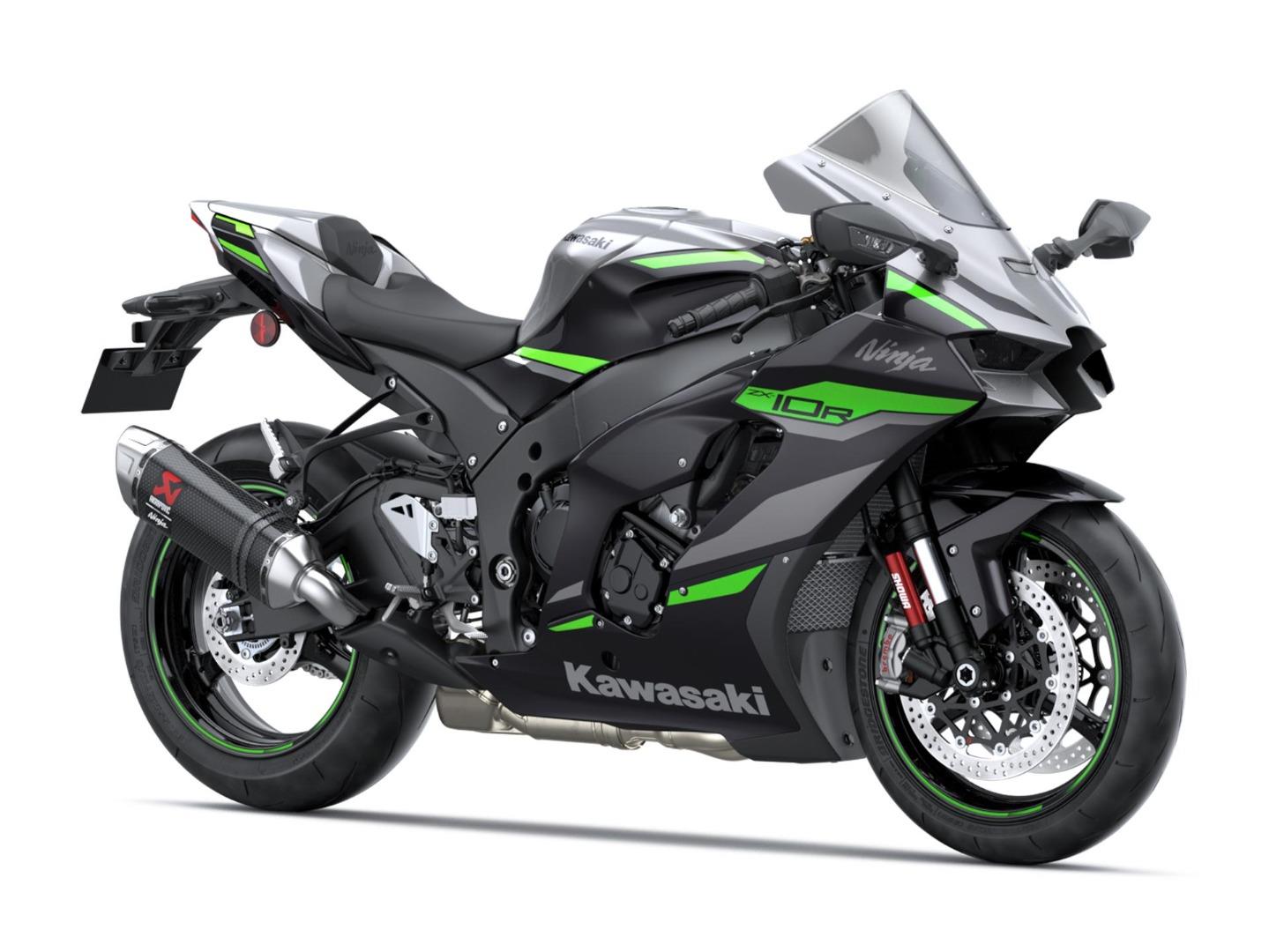
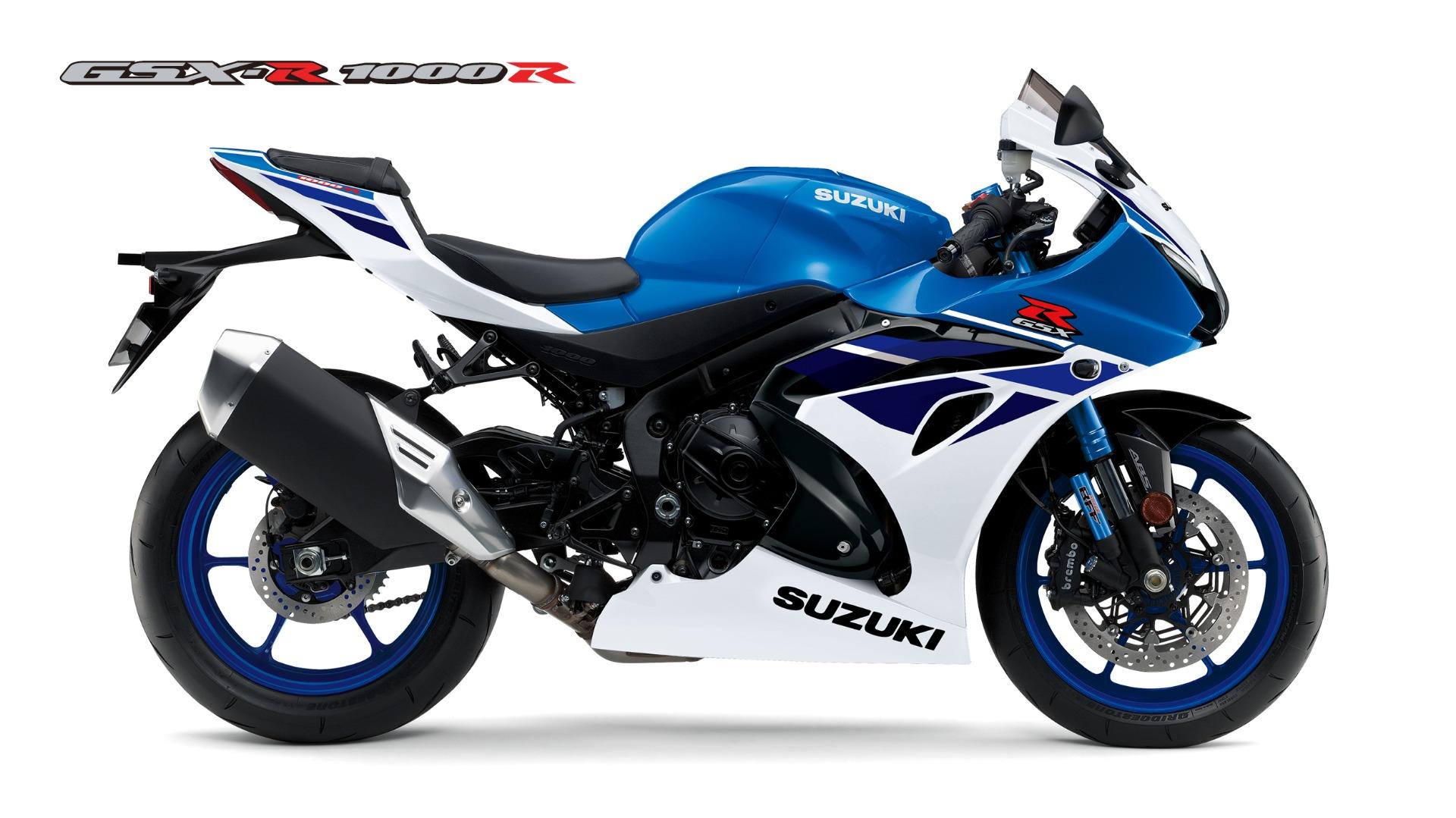
Two of the big four have very recognisable machines in their portfolio. These machines are so iconic that they have nicknames: Suzuki has the Gixxer and Kawasaki the Ninja. On the back of the Japanese gentleman's agreement around sportbikes (which none of them stuck to!) Most Japanese sports bikes have similar specifications that put them on par, but what are the differences between a Gixxer and a Ninja? We'll find out!
What is the difference between a Husqvarna Norden 901 and a BMW F900 GS?

Specifications
| Suzuki GSXR 1000R | Kawasaki ZX10R | |
| Engine | 999cc 4 cylinder | 998cc 4 cylinder |
| Transmission | 6-speed constant mesh | 6-speed sequential |
| Power figures | 148kW / 118Nm | 150kW / 115Nm |
| Top speed | 278km/h | 299km/h |
| Frame Construction | Twin-spar aluminium, | Aluminum perimeter |
| Suspension Front | SHOWA Balance Free Front Forks Inverted telescopic, coil spring, oil damped | 43mm inverted Balance Free Fork, adjustable stepless rebound and compression damping, spring preload adjustability |
| Suspension Rear | SHOWA Balance Free Rear Cushion lite, Link type, coil spring, oil damped | Balance Free gas-charged shock, stepless, dual-range (low-/high-speed) compression damping, stepless rebound damping, fully adjustable spring preload |
| Brakes Front | 320mm Dual Brembo floating disc and calipers | Brembo dual semi-floating 330mm discs with dual radial mounted monobloc 4-piston calipers |
| Brakes Rear | 220mm Nissin aluminium single piston caliper | Single 220mm disc with aluminum single-piston caliper |
| Tyres | 120/70ZR17 (Front) 190/55ZR17 (Rear) | 120/70 ZR17 (Front) 190/55 ZR17 (Rear) |
| Quickshifter | Yes | Yes |
| Fuel Tank | 16l | 17l |
| Fuel Consumption | 6.0 L/km | 6.0 L/100km |
| Weight | 203kg | 207kg |
| Seat Height | 825mm | 835mm |
| Tech | Programmable shift light, black background LCD multifunction instrument panel, | 4.3" Full-Colour TFT Instrumentation, Smartphone Connectivity via RIDEOLOGY THE APP |
| Comprehensive Rider Aids | 6 Axis IMU, adjustable traction control, the Suzuki Bi-directional Quick Shift System, Suzuki Drive Mode Selector, Motion Track Antilock Brake System, plus the GSXR1000R–specific Launch Control System | Öhlins Electronic Steering Damper, Electronic Cruise Control, Kawasaki Launch Control Mode (KLCM), Kawasaki Intelligent anti-lock Brake System (KIBS) (ABS only), Sport-Kawasaki Traction Control (S-KTRC), Kawasaki Engine Braking Control, Kawasaki Quick Shifter (KQS) (upshift & downshift), Kawasaki Corner Management Function (KCMF) |
| Price | R 319 950 | R 379 995 |
| Warranty | 2 Years | 2 Years |

Verdict
The Suzuki may be marginally slower than the Ninja but will suit those shorter in stature much better with a lighter weight and more compact dimensions. Suzuki is the more recognizable brand globally, as motorcycles are a side hustle for Kawasaki Heavy Industries. Kawasaki is prepared to experiment and take risks with new types of bikes, while the other three have remained steadfast in the 4-cylinder NA recipe. The cost savings with the Suzuki make it the obvious choice for bikers watching their wallets, and the brand equity is better, meaning easier access to service and parts.