Farizon SV Review (2025)
The Farizon SV is set to enter the local market in the coming months, offering a fully-electric 5.5-meter panel van that offsets rising fuel costs. With a world-first suspension setup and an impressive features list, the Farizon SV looks to be the answer for SMEs and urban delivery routes.


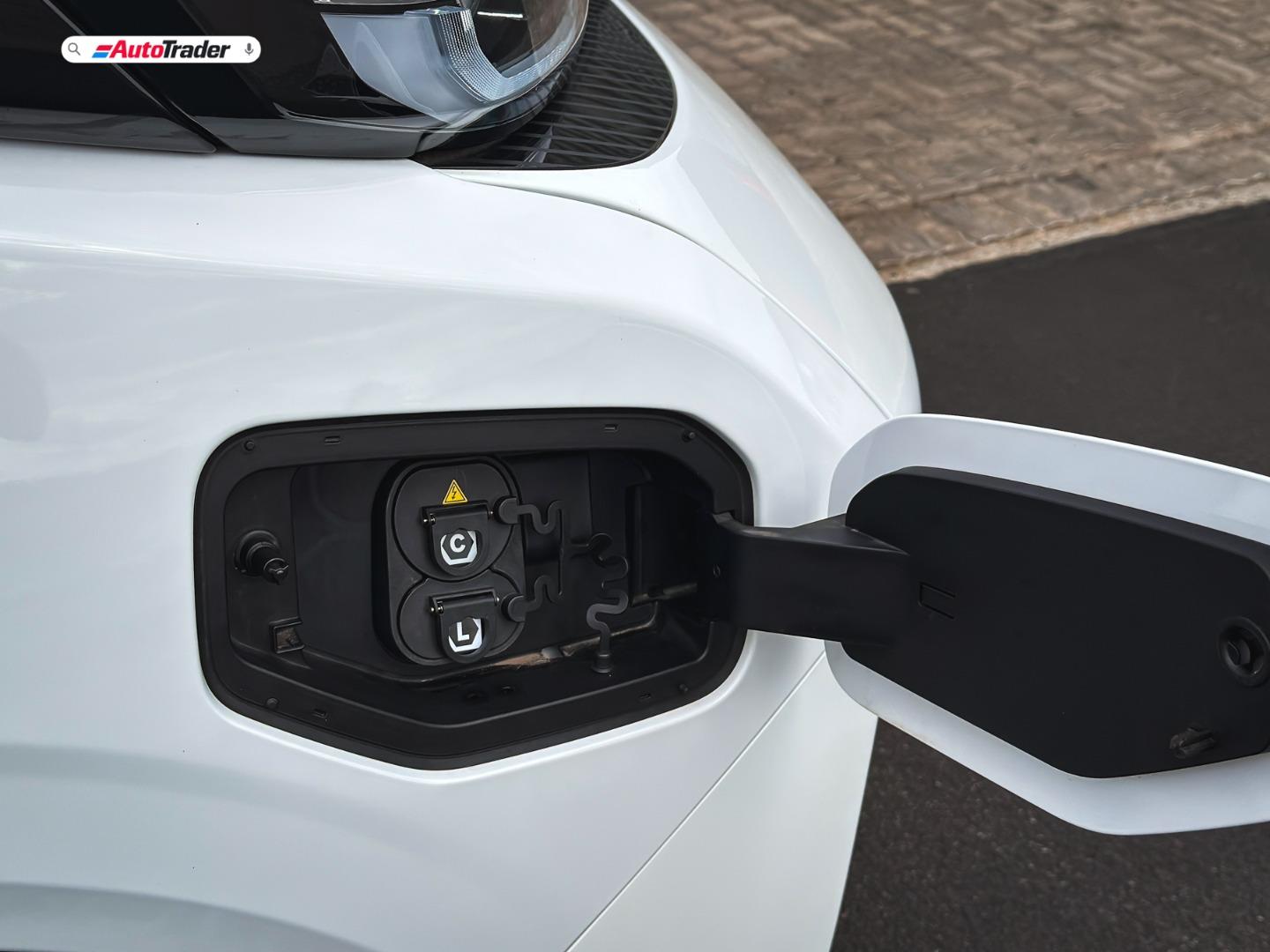

Let's play a game. Name a Chinese electric van brand. Drawing a blank? You're not alone. Farizon isn't exactly a household name, but this Geely-owned upstart has pitched up in South Africa with a fully electric panel van engineered with the sort of technical ambition most established van makers wouldn't dare attempt. While not imported through the Geely passenger car channels, EV Quick is looking to bring the SV to our shores in the not-too-distant future.
The question is whether South African businesses will take a punt on a brand nobody's heard of, especially when Ford, Mercedes-Benz, and LDV are circling the same space. After spending time in the L2 variant with the 67kWh battery, the answer is more complicated than you'd think.
Styling
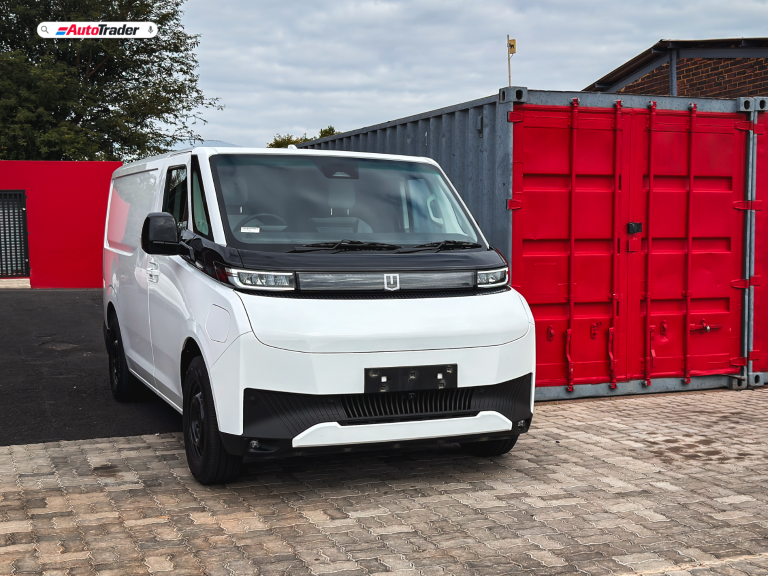
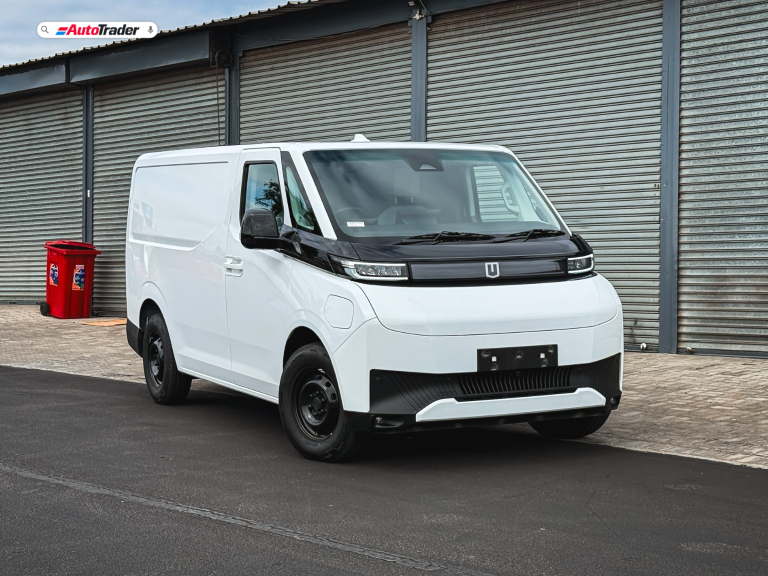
The SV is a commercial van, and it looks like one – mostly. There's a clean, modern simplicity to its design, but with a portrait that will both surprise and amuse. The nose has a small bonnet, allowing access to washer fluids and the like, but the EV grille (or rather the lack thereof) gives it a clean, modern look.
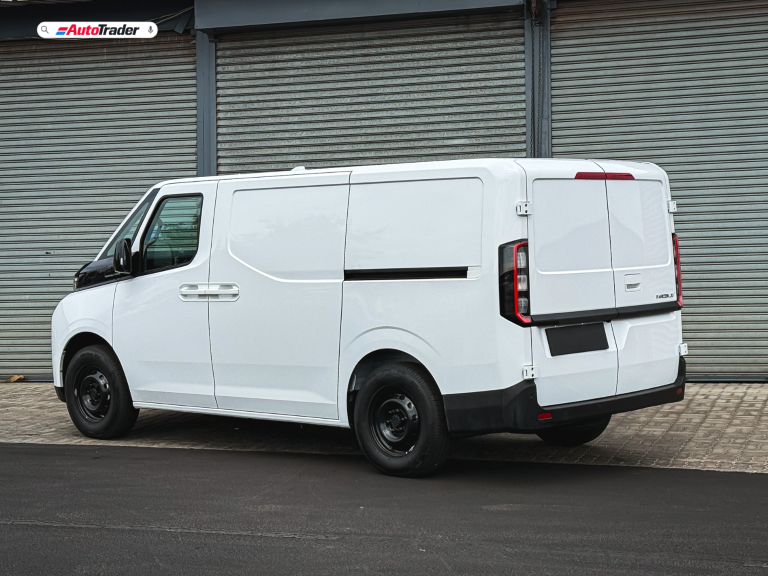
The party piece is the B-pillarless side design, which makes loading cargo genuinely effortless. No awkward gymnastics, threading long items past a central pillar. It's functional thinking executed well, and while you won't hang a poster of it on your wall, you won't be embarrassed pulling up to a client's office either. The large expanse of side real estate gives you enough room for creative branding, providing excellent mileage for your signage.
Interior and Technology
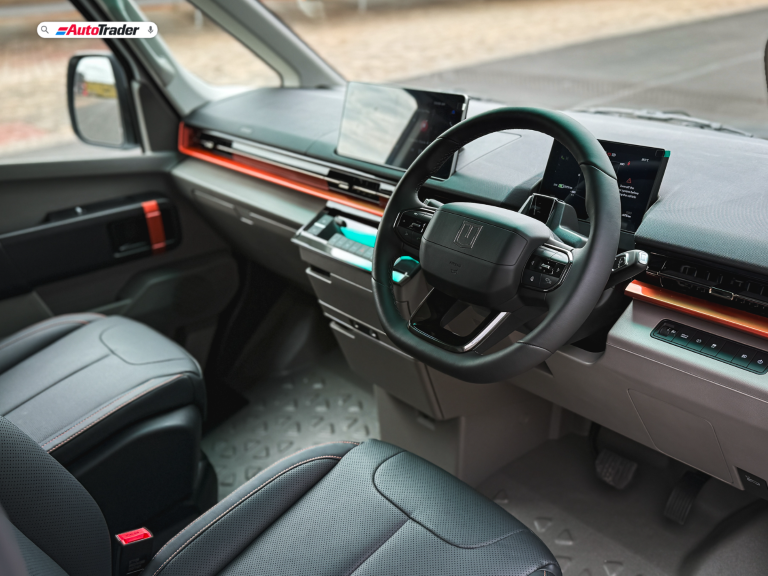
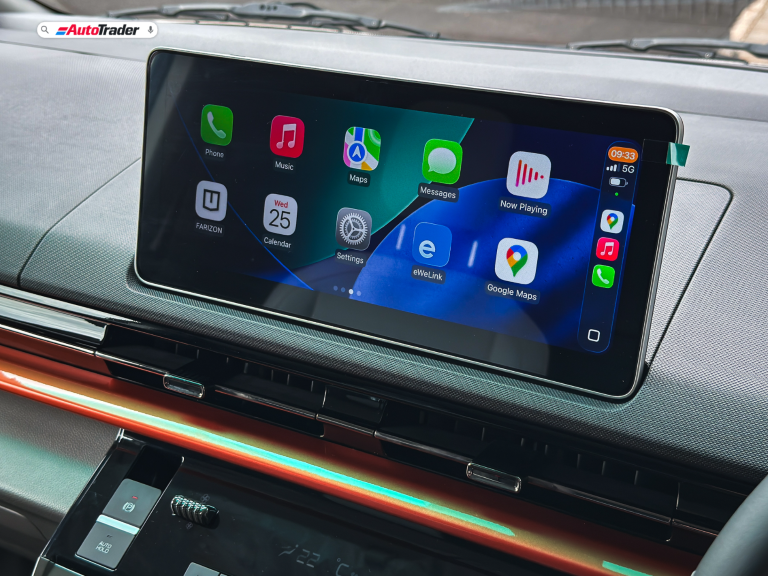
This is the real curveball. Climb into the SV, and your brain does a quick recalibration because this cabin feels nothing like a traditional workhorse van. The driving position, while upright, is distinctly SUV-like, with a commanding view and a dashboard that could've been lifted from a premium passenger vehicle. A 12.3-inch floating touchscreen dominates the centre console, running a surprisingly slick infotainment system with wireless Apple CarPlay and Android Auto, navigation, and enough connectivity to keep even the most tech-hungry fleet manager happy.
Yes, there are hard plastics – this is still a working vehicle designed to take a beating – but the overall fit and finish is solid. Everything feels properly screwed together, materials don't creak, and there's a level of refinement you simply don't expect in a cargo hauler. The cabin is notably quiet too, which is both a blessing and occasionally a curse. Orange trim accents add personality, though whether you find them cheerful or garish depends entirely on your tolerance for bold design choices.
Performance
Beneath the load floor sits a 67 kWh lithium-iron phosphate battery, powering a 170 kW motor with 336 Nm of torque. Those numbers might not set your heart racing, but in practice, they deliver exactly what a commercial van needs: effortless performance. The SV gets up to highway speeds with surprising urgency and holds speed without drama. Overtaking slower traffic is almost comically easy; there's none of that labouring you get with underpowered diesel vans. Just squeeze the throttle, and you're past. Hills? Hold my clipboard.

Driving Impression
Here's where the SV genuinely impresses and, at the same time, frustrates. Let's start with the good news: this thing drives far better than any cargo van has a right to. The world-first dual-wishbone front suspension isn't marketing hype; it fundamentally changes how the van rides and handles. Instead of the bouncy, unsettled feel from most commercial vehicles, the SV delivers a composed, planted ride that genuinely feels more like a large double-cab bakkie than a panel van. No unnecessary bouncing, no van-like wallowing through corners, and the overall handling balance is surprisingly competent.
But then we hit the problems. First: the regenerative braking. Farizon has tuned it so aggressively that even on its lowest setting, lifting off the throttle feels like you've deployed a parachute. It's jarring, unnatural, and downright annoying in traffic. The inevitable result is that you'll disable it entirely, which completely defeats the purpose of having regenerative braking and wrecks your potential range.
The second issue is more trivial and may well be unique to the vehicle I drove. There's a persistent, high-pitched whine from the drivetrain at highway speeds. In a noisier cabin, you might not notice, but the SV's cabin is impressively quiet, which means that whine becomes the dominant soundtrack on longer journeys. It's not a deal-breaker for short urban deliveries, but if you're racking up highway miles, it becomes genuinely fatiguing. Think of it as the automotive equivalent of a mosquito you can't quite swat.

Energy Consumption and Range
Farizon claims up to 302km of WLTP range from the 67kWh battery, though real-world figures will vary depending on load, route, and whether you've thrown in the towel on that aggressive regen. DC fast charging gets you from 20-80% in 36 minutes at 140kW, which is genuinely competitive for the segment. A lunchtime depot break can top you up for an afternoon's worth of deliveries.

Safety Features
On paper, the SV is laden with safety kit. It's got a five-star Euro NCAP rating and comes standard with autonomous emergency braking, lane-keeping assist, blind-spot monitoring, adaptive cruise control, and a 360-degree camera system. However, the driver assistance systems can be overly intrusive, with lane-keeping that actively fights you rather than gently assisting. Again, this results in disabling the system, negating its efficacy.
Pricing
Here's where things get murky. There's no official pricing yet, nor a confirmed launch date. EV Quick hopes to land and retail the SV for under R1 million, which would make it a somewhat viable proposition over a long enough timeline. If they can hit that target and sort the regenerative braking tune, the SV could be a genuine contender in South Africa's blossoming electric commercial vehicle market.

Verdict
The Farizon SV is genuinely impressive engineering that drives better than it has any right to and offers refinement that'll surprise anyone stepping out of a traditional diesel van. That dual-wishbone suspension delivers real-world benefits, and the car-like cabin makes it a pleasant place to spend a working day. But those two glaring flaws – the overzealous regenerative braking and the persistent highway whine – need to be addressed before it can properly challenge the established order. If Farizon can deliver on price and sort those niggles, this Chinese newcomer deserves serious consideration. Just keep the radio on for highway runs.