Fuel theft, cargo theft, vandalism – this AI system targets them all
A camera system unveiled at Road Transport Expo 2026 uses artificial intelligence to watch parked trucks long after shutdown, targeting fuel theft, cargo interference, vandalism and tampering before losses escalate.



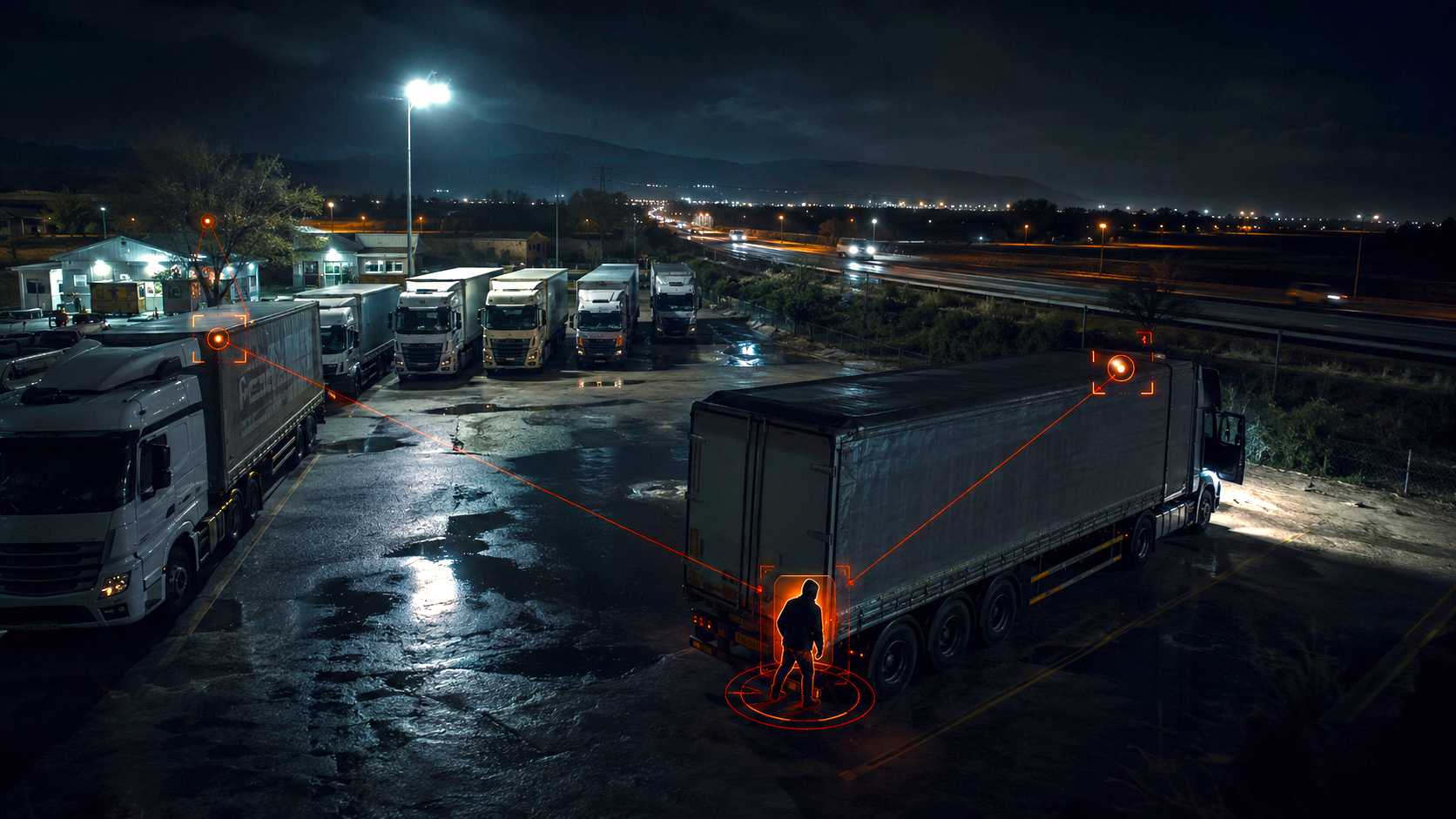

Sentinel takes aim at fuel and cargo theft
Parked trucks are vulnerable when drivers and operators have the least visibility over them. ACSS believes its Sentinel System can help close that gap by keeping watch after the ignition has been switched off. ACSS demonstrated Sentinel live at Road Transport Expo 2026, held from 30 June to 2 July in the United Kingdom. The standalone intelligent camera system is designed to monitor high-risk areas around commercial vehicles and identify suspicious behaviour before an incident develops into a loss.

For South African fleet operators, the concept is relevant. Fuel theft, cargo interference, vandalism and tampering can all create costs, downtime and delivery disruption. The ability to monitor a parked truck without relying on the driver to be present deserves attention.
Watching after shutdown
Sentinel provides continuous video monitoring while the vehicle is in use, but its key feature is what happens after shutdown. In low-power mode, ACSS says the system can remain active for up to 90 days after the ignition is switched off. That makes it suitable for vehicles parked overnight, during driver rest periods or at depots and yards.
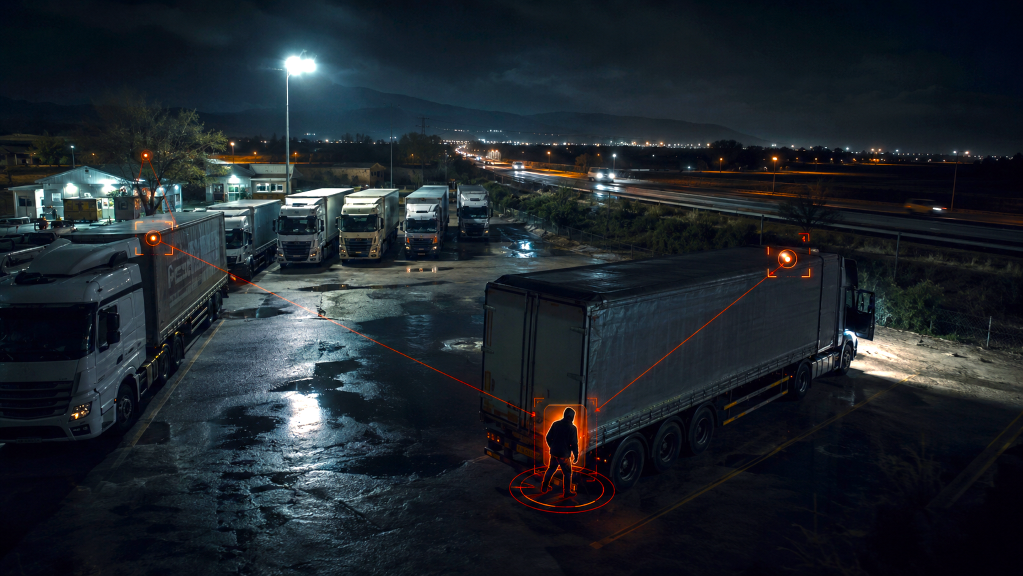
The camera can be positioned to watch areas such as fuel tanks, trailer curtains, doors and cargo access points. AI video intelligence analyses activity around those areas and can identify behaviour that may indicate theft, forced entry or tampering.
An alert before the damage is done
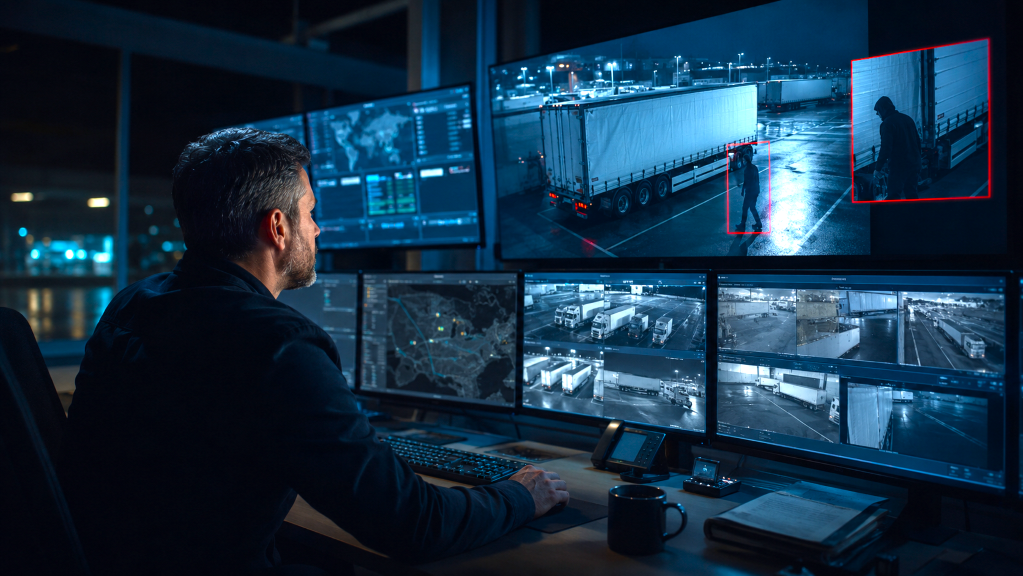
When suspicious activity is detected, Sentinel can send an instant alert to the fleet operator with video evidence. That matters because conventional vehicle CCTV is often useful after an incident, when footage is reviewed to establish what happened. Sentinel is intended to move the process forward by identifying suspicious behaviour as it occurs.

ACSS says the system can detect activity around fuel tanks, curtain slashing, cargo interference, forced access, intrusion into high-risk areas and physical contact with the vehicle that may indicate vandalism or an attempted break-in. Low-light recording is intended to maintain usable footage overnight or in poorly lit parking areas, while operators can access live and recorded video remotely through the platform.
Cargo crime is becoming more sophisticated
ACSS developed the technology against a background of freight crime in the UK, where 3,424 HGV cargo-crime incidents were reported during 2025, equivalent to around nine cases a day. The company points to curtain slashing, cargo theft and fuel theft as common threats. Criminals may make small cuts in curtains to identify cargo before removing goods, while fuel theft can involve siphoning diesel or damaging tanks to gain access.
Comparing the UK figure directly with Africa is difficult because cargo crime remains severely under-reported across much of the continent. South Africa, however, provides an indication of the scale of the threat: SAPS recorded 1,976 truck hijackings in 2023/24 alone, while TAPA EMEA describes the country as arguably the cargo-crime capital of the entire Europe, Middle East and Africa region.
Security becomes part of fleet technology
Sentinel reflects the way fleet technology is evolving. Cameras are no longer limited to accident reconstruction, driver monitoring or insurance evidence. They are being combined with AI, connectivity and remote access to watch over the vehicle itself.

ACSS’s wider technology portfolio includes human-form recognition and cargo-monitoring systems, but Sentinel is specifically aimed at parked-vehicle protection. Its focus is simple: detect, alert and provide evidence. The company says this can help operators investigate incidents faster and respond while suspicious activity is still taking place.
A South African opportunity?
ACSS does not have an established South African distributor or local representation for Sentinel, according to the available information. But, given the level of vehicle-related crime on this continent, it is reasonable to assume that it’s only a matter of time before Sentinel will become available here. When that happens, ACSS will no doubt find many prospective customers. South African transport operators understand that security cannot end when a truck stops moving. Vehicles, fuel and cargo remain valuable assets whether they are on the road, at a depot or parked for the night.

Sentinel’s significance lies in extending fleet visibility into those vulnerable stationary periods. If systems of this kind become more widely available locally, AI-based parked-vehicle monitoring could become another layer in the increasingly sophisticated defence against freight crime.