
Top 5 technologies changing the face of the agricultural sector
Technology has changed the way in which we conduct our lives. Everything from shopping, banking, business, travel and health has been completely changed thanks to technology. Agriculture is no different, technology is changing the way in which we farm. Here are the top four technological achievements that farmers deem to be vital in conducting their operations.


1. Satellite imagery

The eye in the sky has revolutionised the face of the world in the last few years and now satellites are being used to benefit farmers. Satellites have the ability to detect crop conditions over thousands of square metres. Farmers can use satellite data to identify soil and crop conditions and characteristics, monitor growth, assess soil and irrigation requirements. Satellites can also help farmers predict and plan for various weather conditions.
A recent implementation and one which is under development by numerous tractor manufacturers is that of tractors and machinery equipped with tracking and sensor technology. These systems use satellite data to calculate optimal routes autonomously. This level of autonomy maximises efficiency and frees farmers up to focus on other necessary tasks. Autonomous machinery also results in less waste – tractors only go where it’s essential.
Related: We look at autonomous tractor technology
2. Drone and other aerial imagery
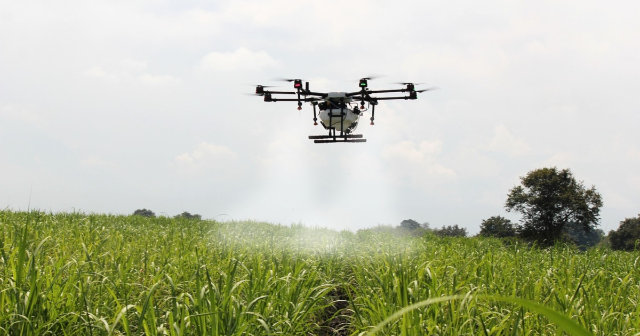
When we think of drones we tend to think of either military drones used to subdue threats in hostile areas or something we can use to film our family holidays with. However, with the assistance of specialised drone’s farmers have an opportunity to define crop biomass, plant height, the presence of weeds, and water saturation on certain field areas with high precision. They deliver better and more accurate data with higher resolution in comparison to satellites. Drones are also considered to be unrivalled aides in the battle against insects.
3. GIS-Based Agriculture
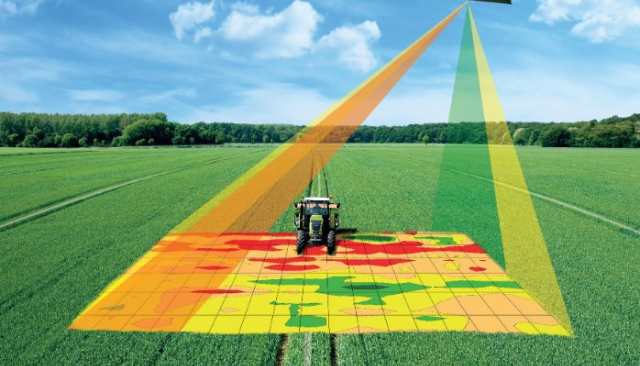
Since fields are location-based, GIS software becomes an incredibly useful tool in terms of precision farming. While using GIS software, farmers are able to map current and future changes in precipitation, temperature, crop yields, plant health, and so on. It also enables the use of GPS-based applications in-line with smart machinery to optimize fertilizer and pesticide application.
4. Mobile Technology
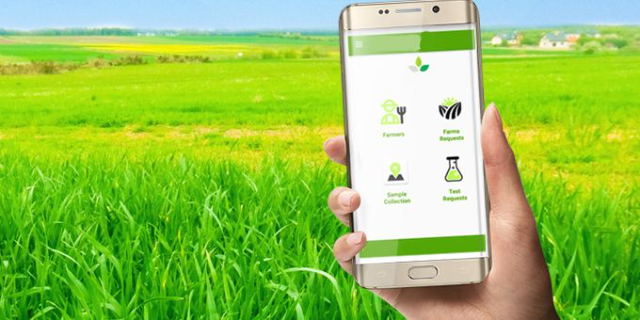
Mobile technology is changing the way monitoring and evaluation is being carried out within the agricultural sector. What has traditionally been done with pencil and paper can now be done through smartphones and tablets. There are apps that are specifically designed for field teams to collect data. It also has the provision of real-time data collection, which can send updates through mobile to the field teams, updating them on new assignments.
5. Telematics
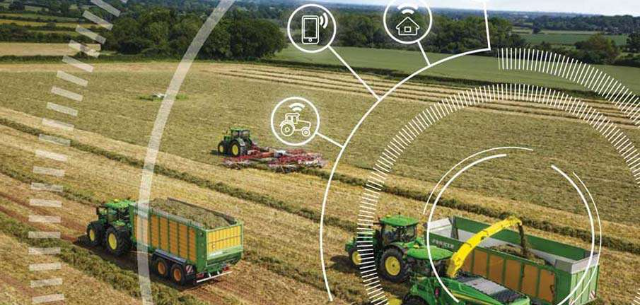
Imagine pulling a map up on your smart device that shows where all your farming vehicles are operating and their fuel levels, how much product has been applied or how much crop harvested, and even if a piece of equipment is ready to break down. This technology is now possible with telematic products that allow navigation, prescription application, location and other data to be transferred easily to and from farm machinery. These systems help farmers improve efficiencies on high-priced equipment.
Recommended Next: