
We look at autonomous tractor technology
Autonomous technology is fast becoming the norm in many passenger cars as well as commercial trucks. The technology has seen great improvement in a very short period. Mercedes-Benz is currently testing a system that can read road signs, Volvo has a vehicle that can identify objects in 3D to assist in self-driving but what about tractors?


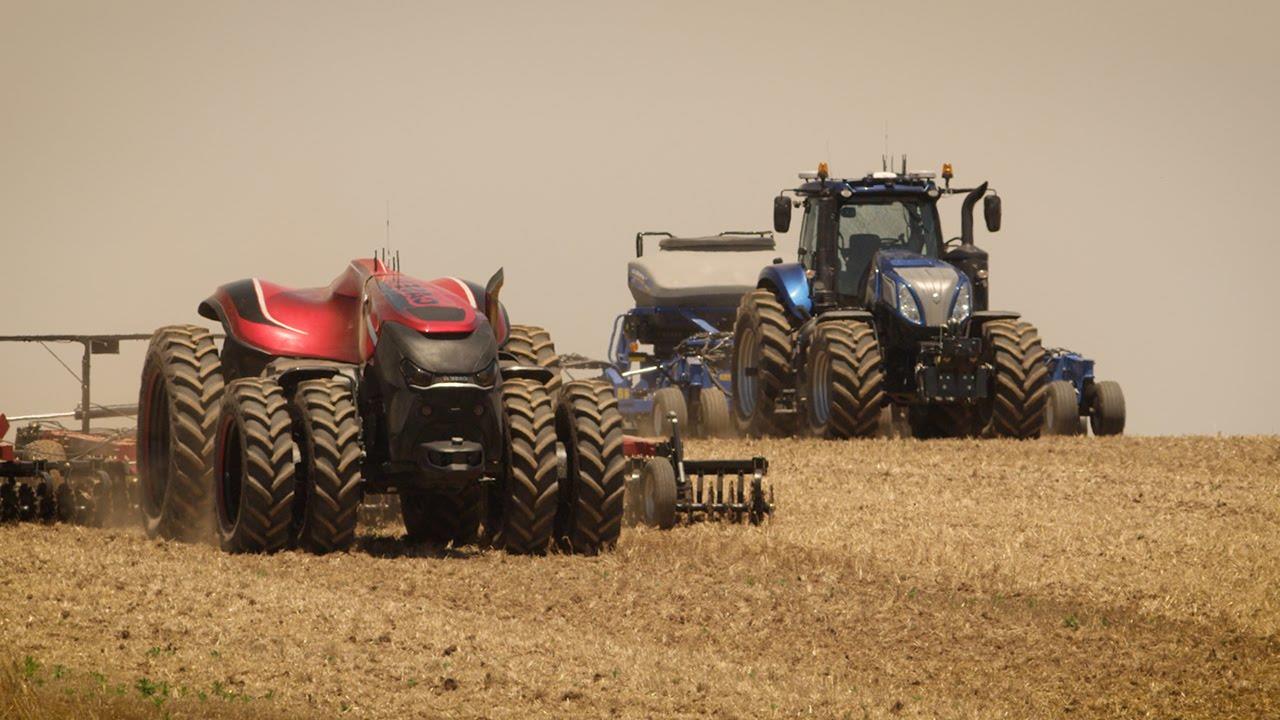
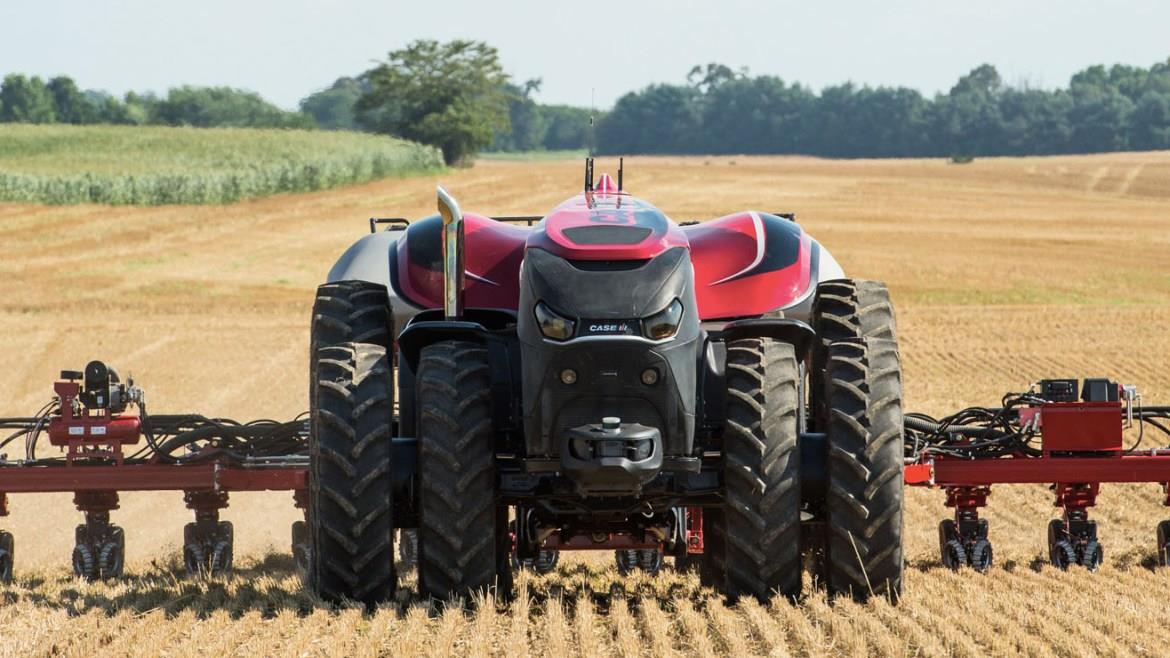
While many manufacturers are looking towards alternative modes of propulsion, such as electric hybrid systems or even methane-powered machines, some companies are looking towards self-operating tractors.
The thing of Sci-Fi movies
There have been many movies over the years that have depicted scenes where machines are working in the background, be it construction or agriculture. Now many might think that companies look towards these movies to draw inspiration, while that may be true in some cases, the autonomous tractor has been around for several years.
Dutch arable farmer Cornelis Sieling developed an autonomous tractor in 1962 already. Cornelis developed the Agri-Robot, the world’s first fully automatic autonomous ploughing tractor using a feeler wheel in the furrow for navigation. View Video here.
The development of this technology is down to labour. Autonomous tractors can run for longer without the need to stop at night. This means that productivity increases and labour costs decrease. In recent years manufacturers have been investing in this technology.
John Deere 5310 tractor
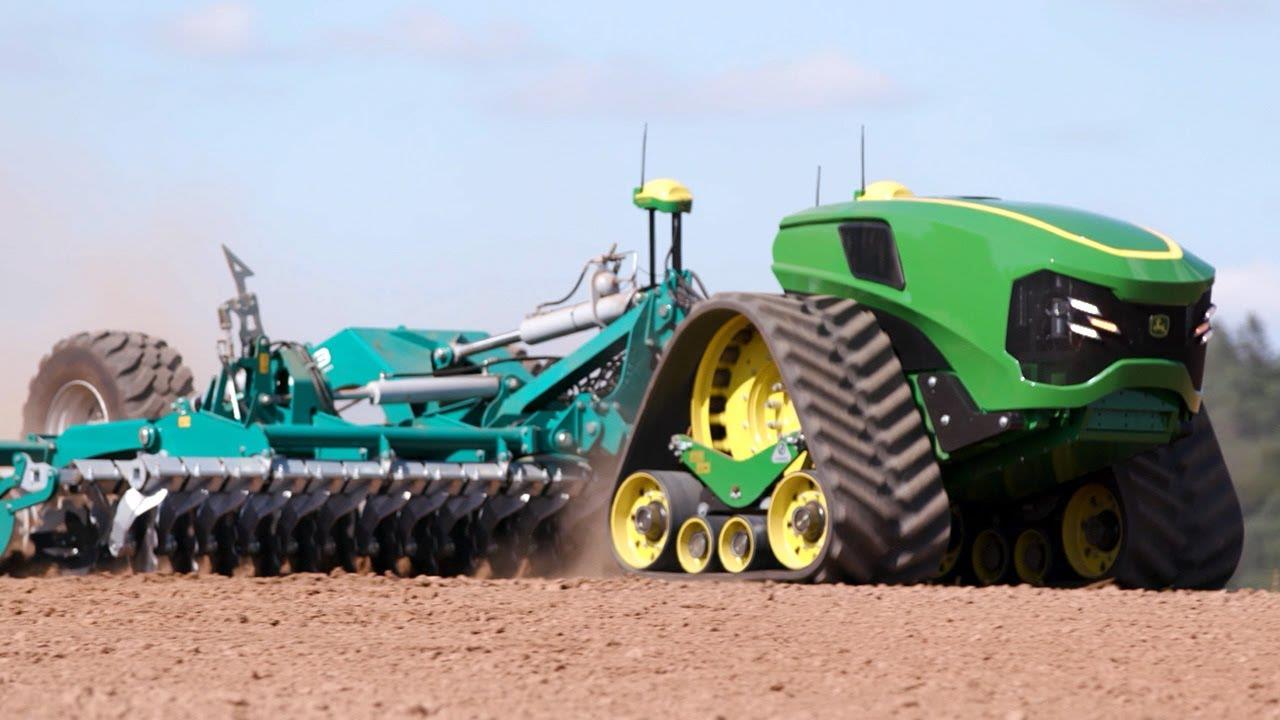
In 1999 tractor giant John Deere developed a cable-less autonomous version of its 5310 tractor. The Tractor was able to pull a multi-row sprayer in an orchard demonstrating that the technology was viable and able to work in the rear world. John Deere has recently developed an autonomous, articulated electric tractor equipped with tracks with the ability to conduct most functions using satellite technology to accurately plot its course. The tractor can be operated remotely via a smart tablet and conveys vital information back to the operators.
When will we see these in the field?
While the advancements in autonomous technology are all in place with things such as GPS, autopilot, cameras, lasers (LiDAR), headland management and TIM, they remain as support features for the driver of the tractor. Legislation has become a big issue with utilizing these technologies to their fullest. Cost is also a large deterrent as these machines will cost a lot to produce meaning that farmers will need to pay more for them. The long term cost saving might outweigh the initial cost but farmers might not have the infrastructure to invest.
That said, according to a report released in 2018 by Global Market Insights, the demand for autonomous agricultural machinery will exceed around 3 million items, this will account for a market size of $ 180 billion by the year 2024.
However many in the know reckon that once the average passenger car is fully autonomous will we only then see take-up of autonomous tractors as the automotive industry is far larger and can develop the technology at a more rapid rate. Researchers reckon that we could see this taking place in about ten years from now but legislation and customer interest still play deciding roles. Japan, however, is leading the autonomous race as agricultural machinery and vehicles are already permitted under the law. Many are still small machines but the technology can be easily applied to larger machines.
Not just big companies
It is not just large multimillion Dollar companies developing technology. In many instances smaller, private developers are creating technology that gets bought by larger corporations. Startups, as they are known, tend to think outside of the box and in some cases have no experience in agriculture. Some of these developers have developed small robots for crop-related activities, such as sowing, applying fertiliser and even crop protection products. Operating with lower budgets and fewer tools at their disposal many have come up with cheaper alternatives which could potentially benefit the small scale farmer.
The race is on and large manufacturers, as well as small scale developers, are all in it. Experts predict that in the next ten or so years we could see the mass introduction of fully autonomous tractors as well as other agricultural machines working in the fields.
Recommended next:
Agricultural future is in robotics