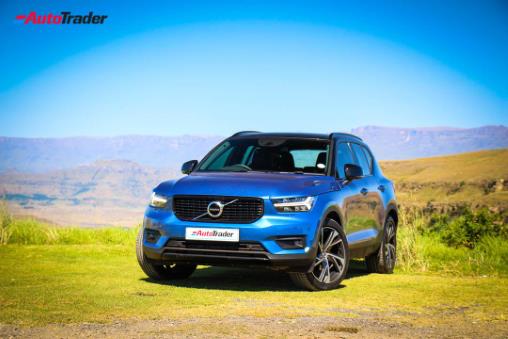
Volvo XC90 B6 AWD R-Design review (2021): Mild-hybrid treatment for segment stalwart
With its goal of having a predominantly electric vehicle fleet by 2030, Volvo's recently updated XC90 has taken yet another step on the brand's journey to electric mobility. We had a chance to drive the updated model recently.


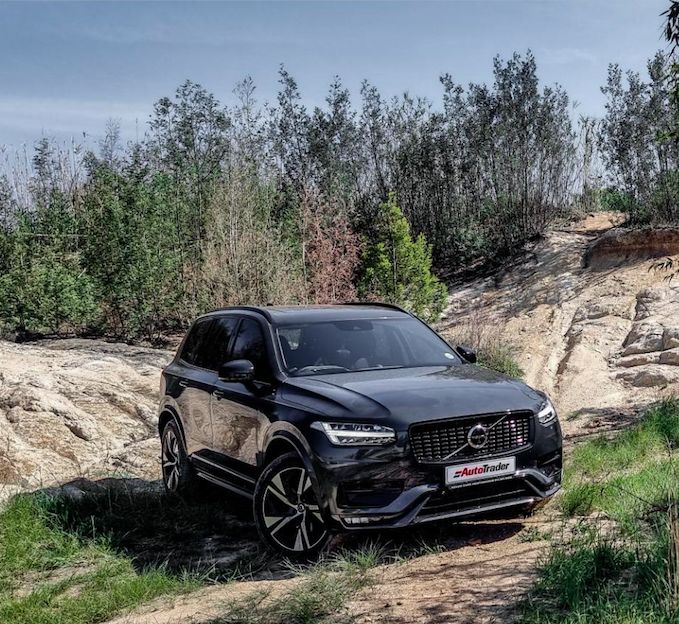
Touted as the product that helped digitise and indeed, electrify the large, luxury SUV segment, Volvo's XC90 was arguably ahead of the curve when it made its local debut in 2015, sporting a digitised dashboard, a large, portrait-mounted infotainment system and an interior and exterior design that was totally fresh, leading to an empathetic response by Volvos's German and British rivals. Fast forward six years and there's an updated XC90 now available locally, and we had a chance to drive it recently.
Styling
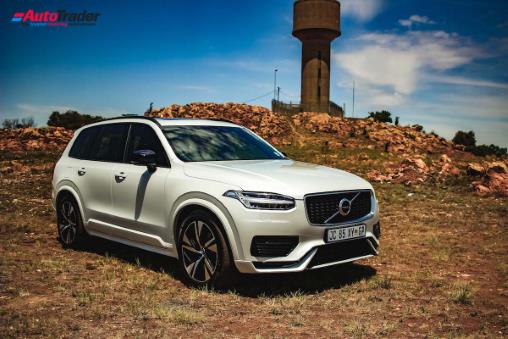
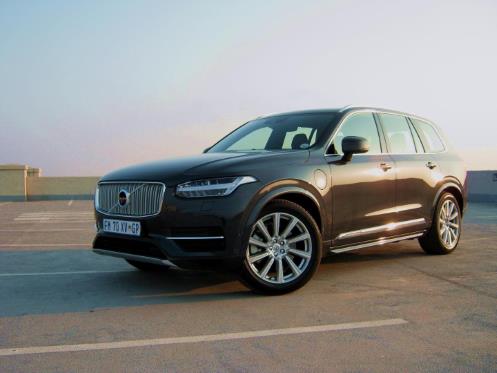
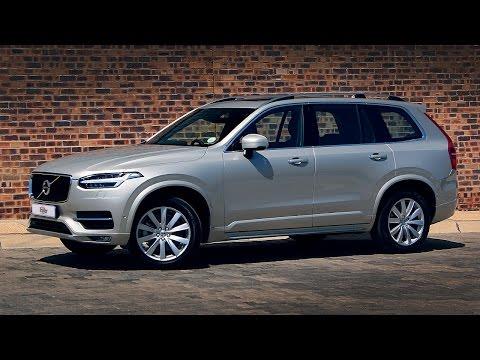
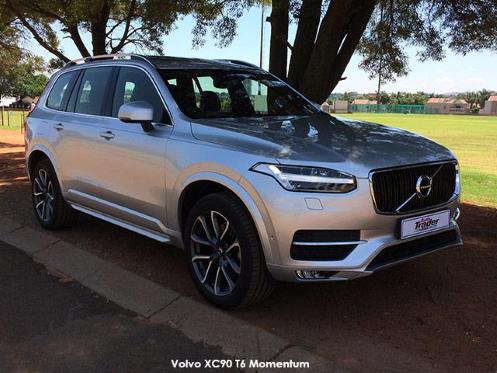
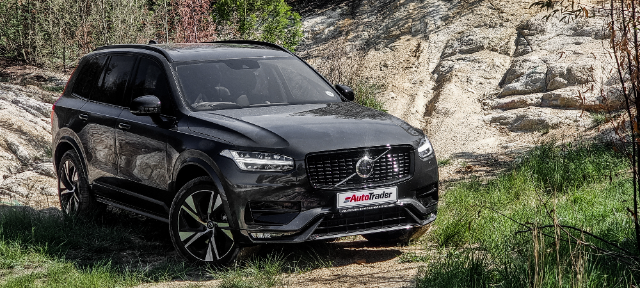
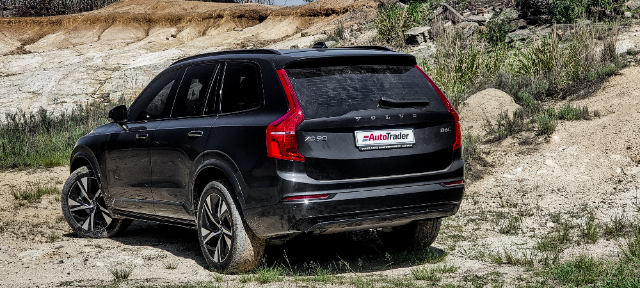
Those looking to spot any major changes to the exterior of the XC90 will be hard-pressed to notice any, with a smaller colour pallet being the main option change from an exterior perspective. That being said, Volvo's flagship product has certainly aged with grace, looking as fresh and attractive as it did six years ago, a tough feat in the current automotive world.
Interior and space
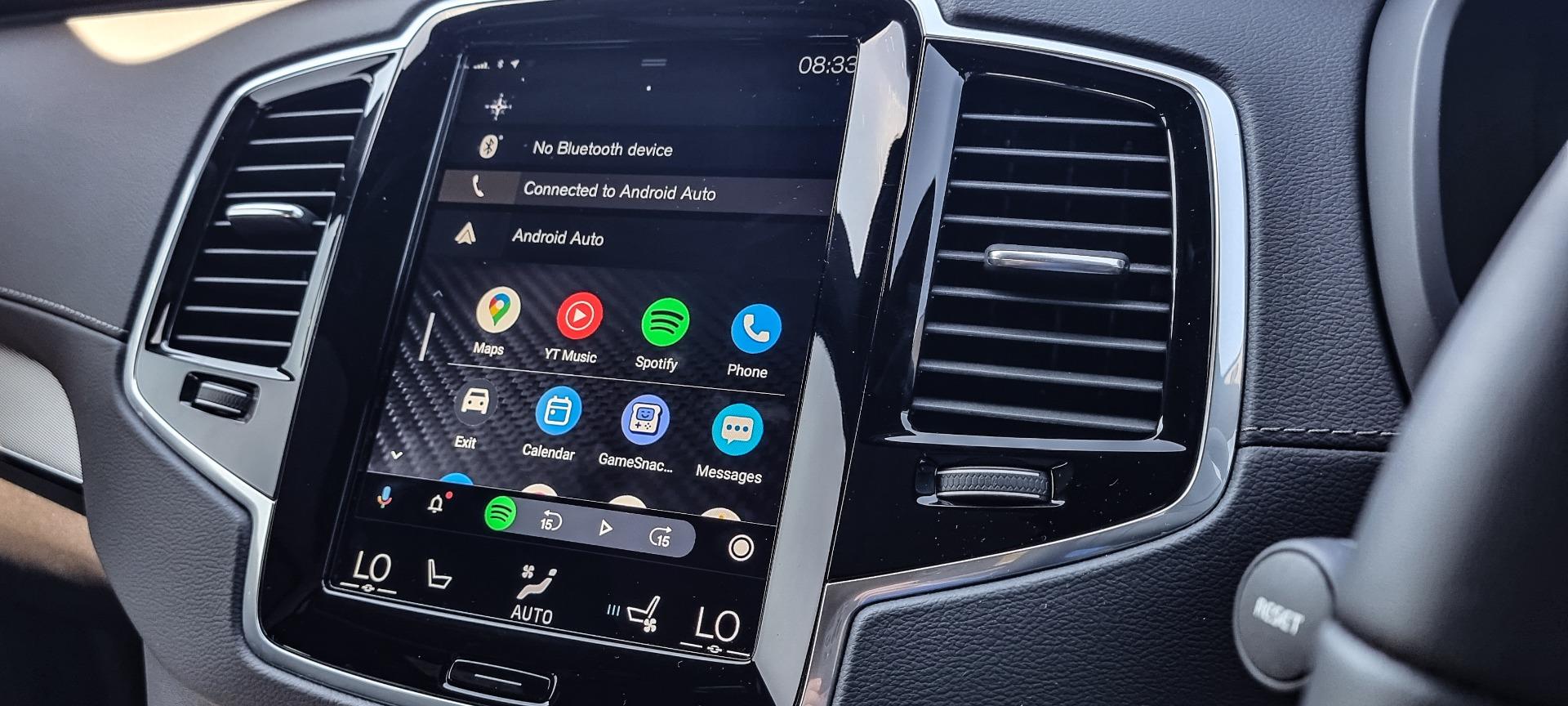
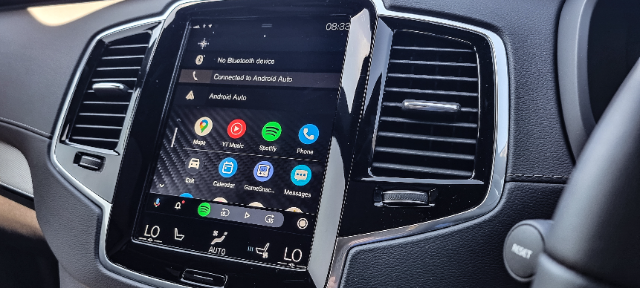
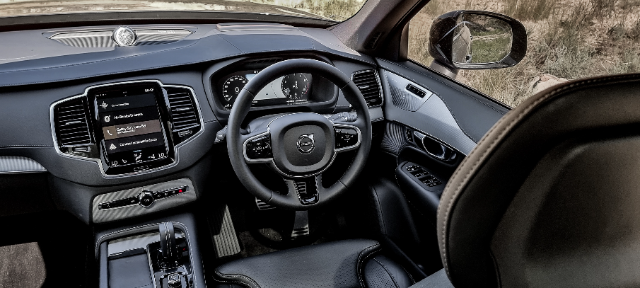
The exterior updates may be hard to spot, but those who have driven the pre-facelift XC90 will note some of the interior changes made to the XC90, which now includes a wireless smartphone charger in the centre console, a new CleanZone air filtration system that improves interior air quality. The same portrait-mounted infotainment system does duty in the centre console, offering the likes of Apple CarPlay and Android Auto functionality as well as nearly all vehicle functions, which takes some getting used to, but is relatively easy to use.
Practicality has always been a big plus point for the XC90 with its 7-seat configuration allowing for either 302-680-1045 and even 1856-litres of loading space, depending on how the seats have been configured by the user. The product also offers a respectable 2 700kg braked towing capacity
Performance and driving impression
Powering the XC90 is a 2.0-litre turbocharged and supercharged petrol engine that produces 220kW and 420Nm of torque. The engine is paired with an updated 8-speed AISIN-sourced torque converter automatic gearbox that sends power to all four wheels. Performance is reasonable, with 0-100km/h coming up in a claimed in 6.7 seconds and the top speed limited to 180km/h. The addition to the power unit comes in the form of a 48-Volt mild-hybrid system that uses a Kinetic Energy Recovery System (KERS), a term that may be familiar to Formula 1 fans. The KERS recovers brake energy to charge a 48V battery which includes an integrated starter generator while providing additional energy to support the petrol engine.
Keen observers will note that the former 'T6' badge has now made way for the 'B6' badge as a result of the new set-up, and out on the road, the powertrain impresses, with effortless performance and linear power delivery in keeping with the luxurious slant of the product. The press unit was fitted with air suspension, which endows the XC90 with a buttery smooth ride quality, which when combined with the high levels of refinement and minimal cabin intrusion, creates an automotive isolation tank. The aforementioned suspension is also able to offer between 212mm and 252mm of ground clearance too, which meant that despite the low-profile rubber on the test unit, that we still managed to take on some proper off-road obstacles in the XC90.
Safety
The XC90 range was crash-tested by the Euro NCAP assessment programme in 2015, where it achieved the maximum 5-Star rating. The rating includes 97% for adult occupant safety, 87% for child occupant safety, 72% for pedestrian safety and 94% for its safety assistance systems.
Fuel economy
Despite its mild-hybrid set-up, there is no getting away from the fact that the XC90 is a two-ton-plus brute with a turbo and supercharged 2.0-litre petrol engine. Volvo claims a fuel consumption figure of 7.4 L/100km, but in reality, we managed 11.1 L/100km during our week with the product.
Pricing
The variant we had on test was the B6 AWD R-Design which retails for R1 338 400, which is a fair premium over competent rivals such as the Porsche Cayenne S, Volkswagen Touareg and BMW's X5. The model comes with a 5-year/100 000km warranty and a 5-year/100 000km maintenance plan.
Verdict
Our time with the XC90 served as a reminder of just how influential the big Swede was when it debuted back in 2015, and indeed, how well the product has aged from an aesthetics, a drive quality and a technological perspective. The removal of diesel engines in the Volvo line-up was a logical, but sad moment, while it is rumoured that this will be the last XC90 to feature an internal combustion engine, with the next generation being an all-electric model. The addition of mild-hybrid models joining the pukka hybrid T8 means that the XC90 will remain relevant for years to come. There are very competent rivals to the XC90 though, many of which are cheaper, more economical and newer, making it a tough segment in which to gain meaningful sales figures.