Range Rover Velar D300 Autobiography (2025) Review
The Range Rover Velar finds itself in a highly competitive market segment, blending aspirational appeal with the luxury buyers' desire for a premium badge. I tested a diesel-powered Velar, and was left with mixed feelings.



The Range Rover Velar D300 Autobiography targets the image-conscious luxury buyer. Still, I have always found it an awkward middle child, not quite as appealing as the full-fat Range Rover and Range Rover Sport, but also not holding the entry-level appeal of the Evoque. I recently had my first encounter with the model in many years, and it was refreshing to see it powered by a big turbodiesel engine, but does it have what it takes to compete in 2025?
Related: Range Rover Velar PHEV pricing vs. Haval H6 GT PHEV
Fast Facts
| Feature | Specification |
| Model | Range Rover Velar D300 Autobiography |
| Price | R 1 999 300 |
| Engine | 3.0L straight-six turbodiesel (MHEV) |
| Power | 221 kW |
| Torque | 650 Nm |
| 0–100 km/h | 6.5 seconds |
| Claimed Fuel Cons. | 7.3 L/100km (claimed) |
| Boot Space (Seats Up) | 632 litres (max) |
| Safety Rating | 5-Star (Euro NCAP, 2017) |
Pros and Cons
| Pros | Cons |
| Sensational styling | Lack of physical controls |
| Engine refinement | Questionable interior finishes |
| Exceptional comfort | High purchase price |
| Authentic capability | No that frugal |
Temu-fication
I have a new word, it's called "Temu-fication", whereby consumers now turn to online shopping portals in China to get goods usually only available at importers for significantly lower prices. Allow me to use my iPhone charging cable as an example. I needed a new charging cable for my phone, and it was R599 from Apple, and just R56 from Temu. Factoring in a roughly R100 tax fee, I could get nine cables from Temu for the price of one from Apple, so even if the Temu cable doesn't last as long, I would have eight others to use. While I ended up with the original cable because I believe in buying the original product for charging safety, most people, myself included, use this logic when purchasing many items, to varying degrees of success. This has extended to the automotive industry, where many have found value in Chinese products that offer a lot of spec and style for the asking price.
Styling
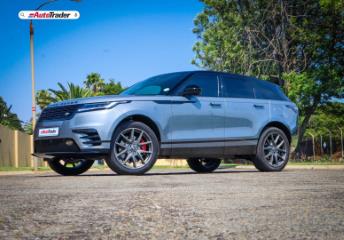
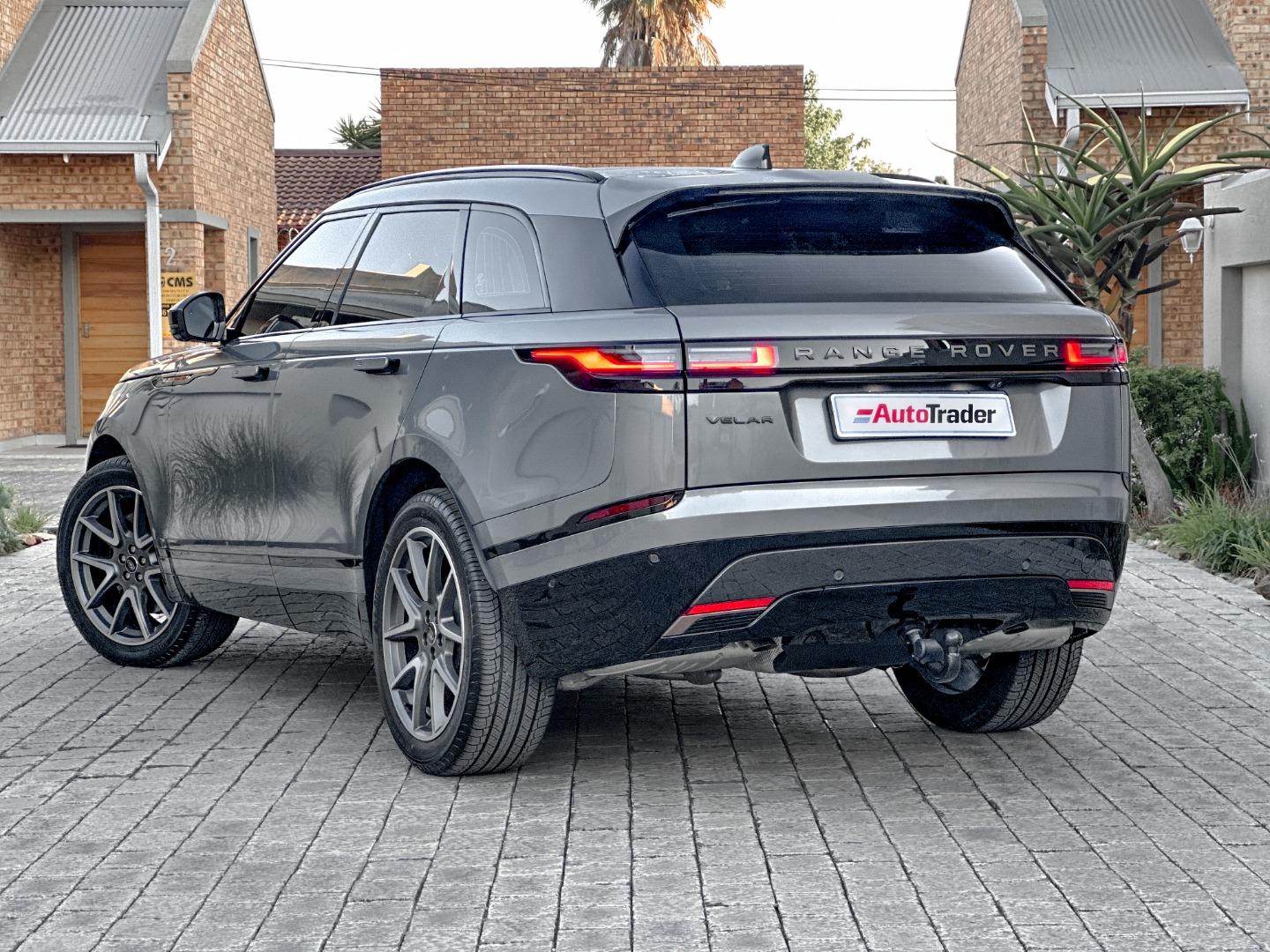
The Velar remains a stylistic standout, instantly recognisable for its dramatic, clean lines, embodying Range Rover’s modern design principles. Its exterior features a floating roof, unbroken waistline, and flush deployable door handles. The Velar was updated in early 2024, meaning a new grille and super-slim Pixel LED headlights (with DRL) add an extra layer of high-tech elegance.

Interior & Practicality
The cabin’s most significant change is its minimalist design, which eliminates the previous dual-screen layout and physical controls for a minimalistic aesthetic. All primary functions are managed via the new, single, floating 11.4-inch curved glass touchscreen powered by the Pivi Pro system. While highly impressive, buyers should note the trade-off: usability on the move is compromised by the lack of dedicated physical buttons for climate control and other features. The Autobiography trim assures high-end luxury with features like the Cabin Air Purification Plus system and the option of non-leather materials (Ultrafabrics/Kvadrat). The seats are incredibly comfortable. As a dedicated five-seater, the Velar offers good family utility with a maximum boot capacity of 632 litres. The coupé roofline slightly hampers rear visibility, but optional camera systems mitigate this.

Driving impression
The D300 engine is the powerhouse of choice, delivering a perfect blend of effortless grunt and supreme refinement. When pushed, the 221 kW / 650 Nm straight-six diesel provides muscular, responsive performance, with virtually no vibration and a cultured six-cylinder tone. The 8-speed automatic is generally smooth-shifting and complements the smooth diesel mill. The ride is the Velar’s defining trait. The car glides along the motorway with the standard electronic air suspension on the Autobiography model; however, some minor low-speed fidgeting can be felt at lower speeds, particularly with the larger alloy wheels. The overall feel is geared toward comfort and waftiness rather than the corner-carving agility. Crucially for a Range Rover, it retains significant capability off-road, featuring selectable Terrain Response modes and adjustable ground clearance, proving it can be more than capable in the rough stuff. That being said, I don't envision many Velar owners doing heavy off-roading, particularly with the road-bias tyres.

Safety
The Range Rover Velar achieved a 5-Star Euro NCAP rating when tested in 2017. The Autobiography trim includes the full suite of modern driver assistance systems, such as:
Automatic Emergency Braking (AEB)
Lane Keep Assist
Blind Spot Assist
Rear Traffic Monitoring
Fuel Consumption
The D300's manufacturer-claimed combined consumption is 7.3 L/100km, with a 68-litre fuel tank. My time with the car resulted in 11.0 L/100km, however, the vehicle had less than 1 000km on the odometer, meaning that when properly run-in, it should become slightly better on fuel.

Key Rivals
| Model | Price (approx.) | Power (kW) | 0–100 km/h (s) | Best Suited For... |
| Range Rover Velar D300 | R 1 999 300 | 221 | 6.5 | Style, comfort, and authentic luxury brand image. |
| BMW X6 xDrive30d M Sport | R 1 923 637 | 219 | 6.1 | Superior on-road handling and a sportier feel. |
| Audi Q8 45TDI quattro PE | R 1 968 700 | 183 | 7.0 | Quality cabin, spaciousness and elegant presence. |
Verdict
If your priority is owning a stylish, aesthetically unique vehicle, and you value a beautifully composed, quiet, and supremely comfortable ride above all else—including perfect infotainment usability—the Velar is the one to choose. Its D300 engine is the ideal balance of luxury refinement and effortless power. Buyers must be comfortable with its all-touch interface and accept that its cost and occasional interior fit-and-finish niggles are standard, as will be high levels of depreciation.