Range Rover Velar PHEV vs Haval H6 GT PHEV: The South African Showdown
We have two plug‑in hybrid SUVs with the same mission but very different personalities and price tags:
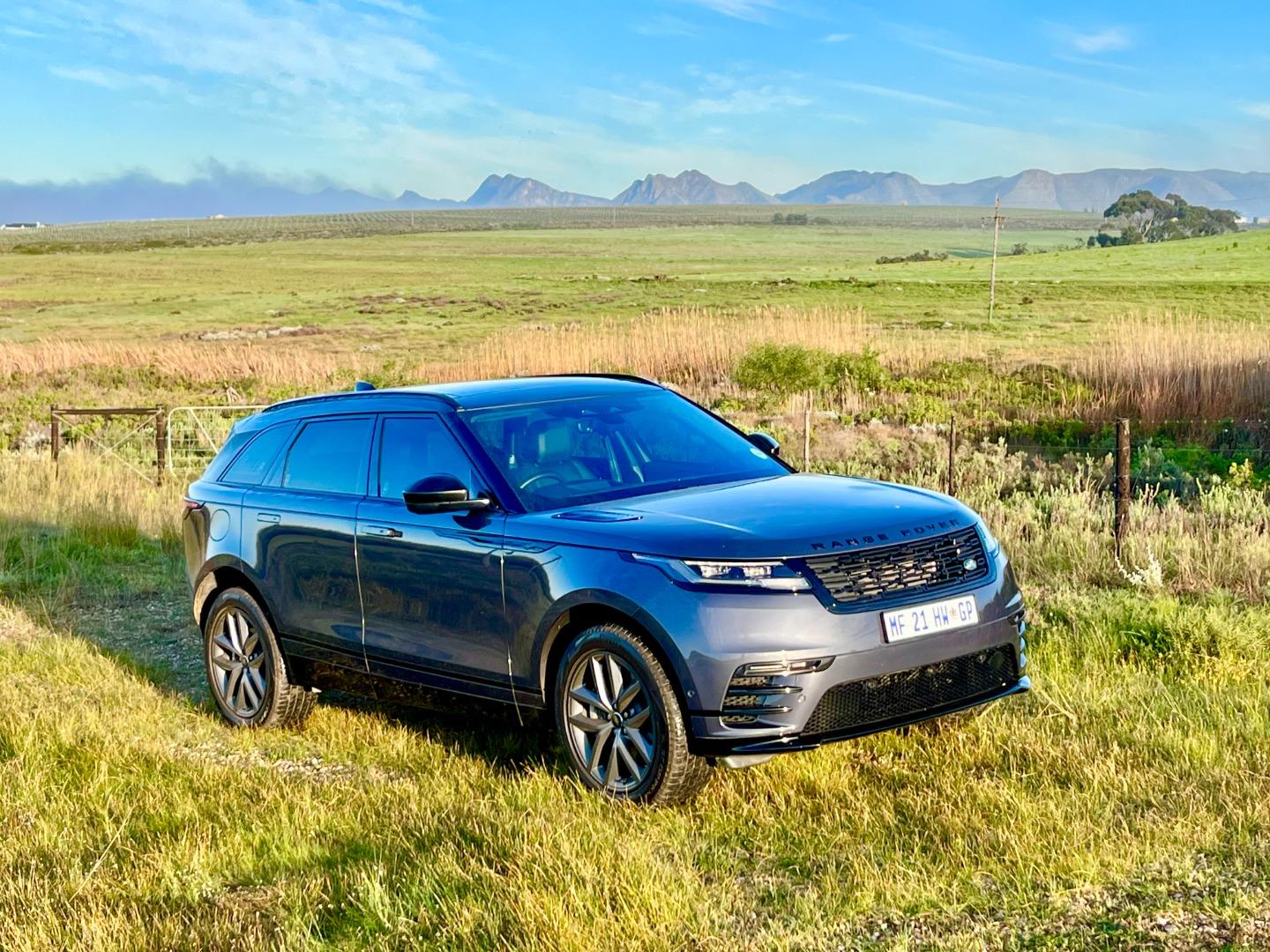
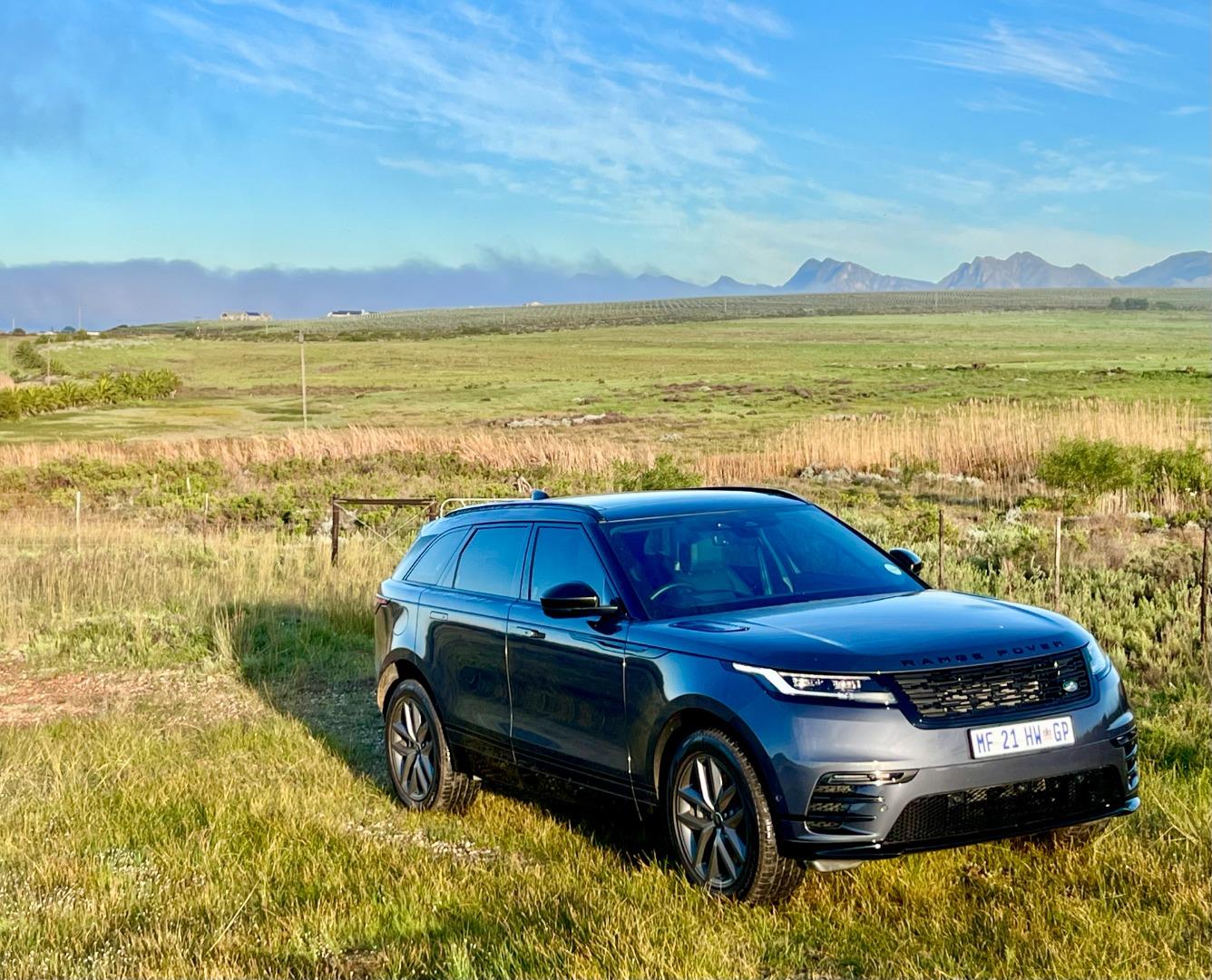
The Range Rover Velar P400e focuses on prestige, power, tech, traversing diverse landscapes in comfort (read our 2025 review here).
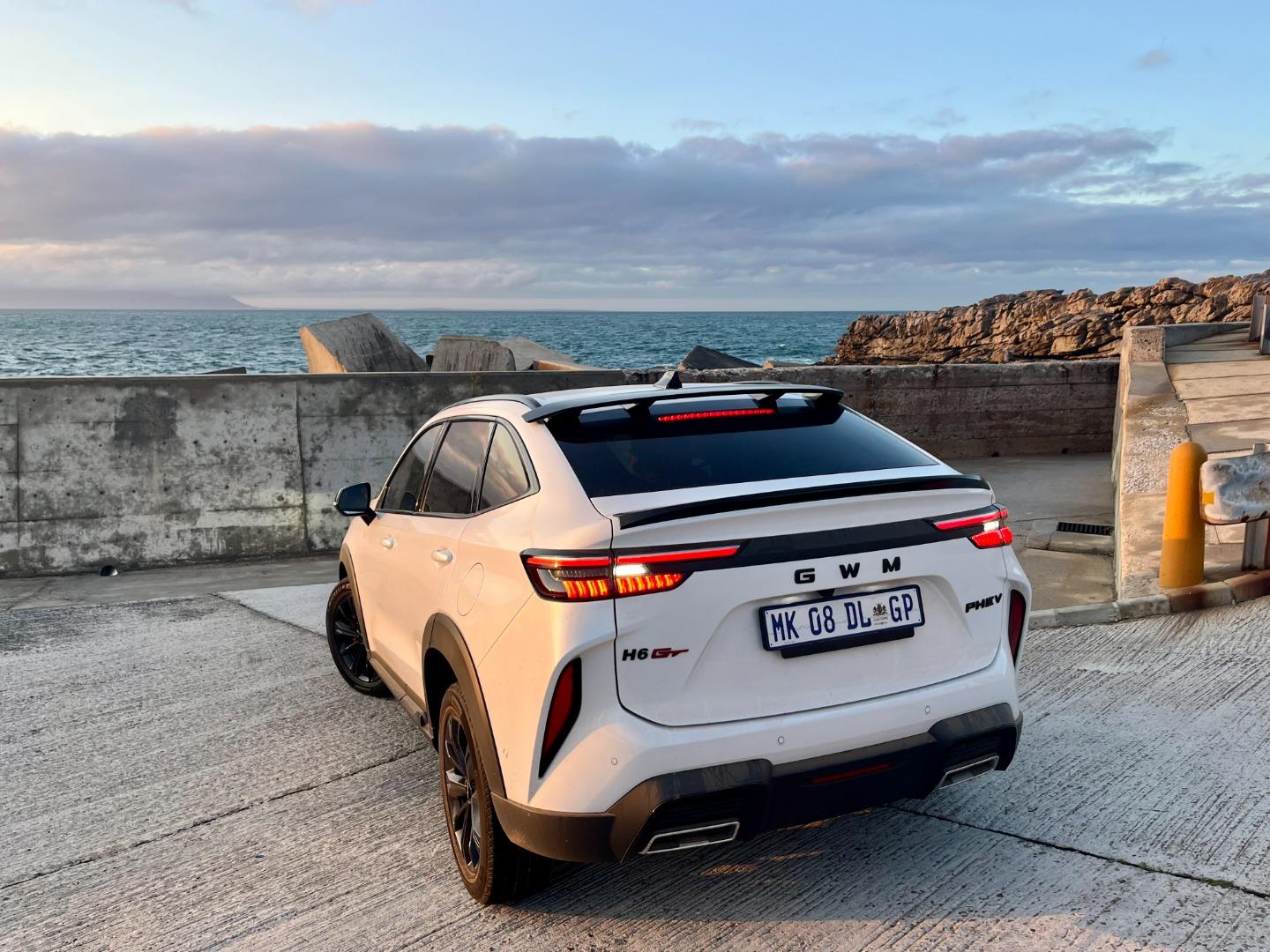
The Haval H6 GT 1.5T PHEV Ultra Luxury offers a bigger battery range, impressive standard spec, and impressive performance for a lot less. (Read Sean's review of the 2025 H6 GT PHEV model here.)

Pricing
Haval H6 GT 2.0GDIT 4WD Super Luxury — R665 950
Haval H6 GT 1.5T PHEV 4WD Ultra Luxury — R799 900 (tested)

Land Rover Range Rover Velar D200 S — R1 459 200
Land Rover Range Rover Velar D200 Dynamic SE — R1 597 800
Land Rover Range Rover Velar D300 Dynamic SE — R1 799 000
Land Rover Range Rover Velar D300 Autobiography — R1 999 300
Land Rover Range Rover Velar P400e S — R2 071 600
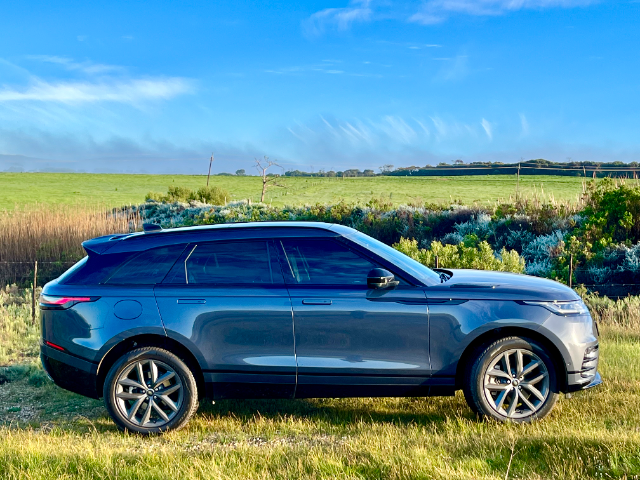
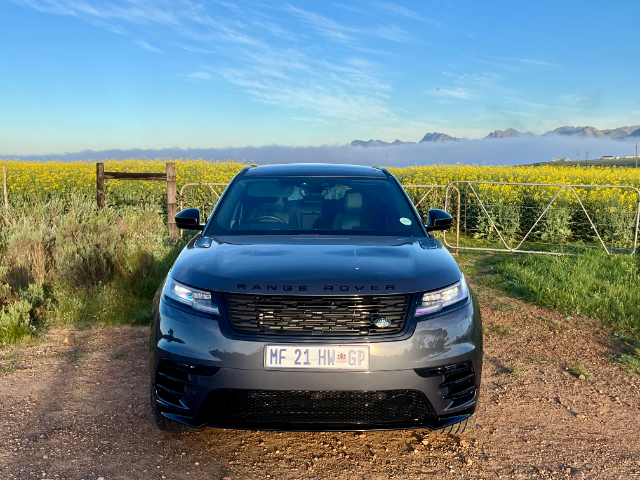
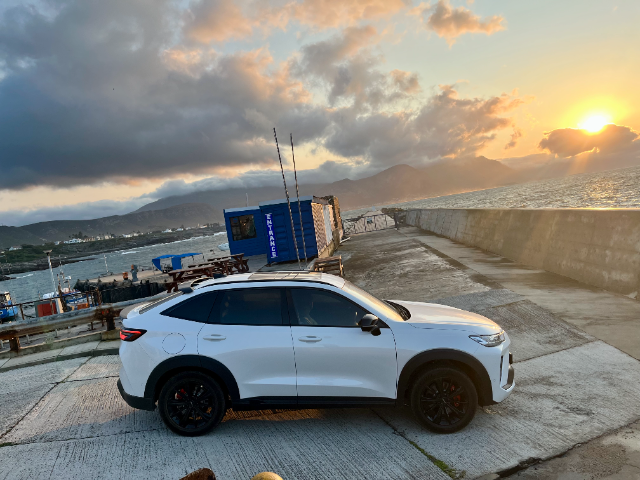
Land Rover Range Rover Velar P400e Dynamic SE — R2 098 300 (tested and seen in the photos)
Land Rover Range Rover Velar P400e Autobiography — R2 267 900
That R1.3 million gap should show in the Range Rover's refinement, heritage, power, capability, and practicality.
Haval’s brief is to deliver maximum range and efficiency, fast acceleration, general excitement, impressive on-board tech and features per rand.
Power and performance
The H6 GT pairs a 1.5‑litre turbo petrol with dual electric motors through a DHT automatic. It claims 321kW and 762Nm and can accelerate from 0 to 100 km/h in 4.9 seconds.
The Velar combines a 2.0‑litre turbo with an electric motor for 297kW and 640Nm via an 8‑speed auto 'box. It goes from 0 to 100 km/h in 5.4 seconds and tops out at 209 km/h or 140 km/h in EV mode.
In my first drive, the H6 GT felt ferociously quick in a straight line. Although the handling does not always match the GT badge, and the sporty soundtrack is artificially enhanced, these are hardly dealbreakers.
EV range you can actually use
The H6 GT PHEV's energy storage capacity is the headline act. It carries a 35.4 kWh battery pack with a rather ambitious 180 km EV‑only claim. If you plug in often, plan on more than 100 km (probably around 120-140 km max) in mixed urban driving.

The Velar’s battery is 19.2 kWh gross, about 15.5 kWh usable. It carries a WLTP claim of up to 64 km. Both cars allow you to save your EV range for when you're in traffic, among other features that maximise efficiency under different circumstances.
(Car efficiency figures come from lab tests. The old NEDC cycle measured cars in very light, unrealistic conditions, often making the results look better than real life. The new WLTP standard is closer to everyday driving, with stops, starts, and higher speeds. The Range Rover Velar P400e S uses WLTP for its 63 km electric range, while the Haval H6 GT PHEV quotes its 180 km range using the older NEDC test, so it’s likely optimistic.)
Download the full Haval H6GT brochure here to see all the specs.
Charging at home and on the go
Think of AC charging as your everyday, at‑home top-up, and DC fast charging as a quick pit stop when you are out. Most SA homes use a 7 kW wallbox. The Haval’s onboard AC charger is limited to 6.6 kW so that it will fill from low to full in about six hours overnight.
The Velar supports the full 7 kW, so a full charge takes roughly 2.5 hours. Public DC chargers push power on the road much faster for short stops.
The Haval can take up to 48 kW DC, which charges from about 30 to 80% in around 26 minutes, or roughly an hour from 5 to 100%. The Velar accepts up to 50 kW DC, charging from about 0 to 80% in around 30 minutes.
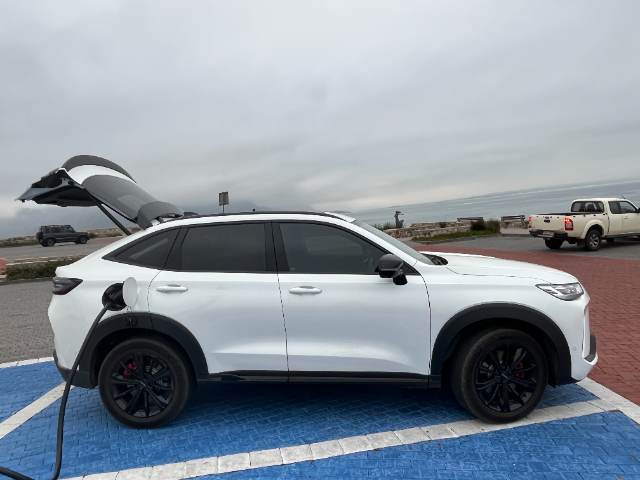
At an average home-electricity price of about R3.50 per kWh, a full charge for the Haval’s 35.4 kWh battery costs roughly R124, or about R136 once you include typical charging losses.
The Velar’s smaller pack costs about R54 to refill based on its usable capacity of around 15.5 kWh, or roughly R60 to R74 if you factor in losses and the complete 19.2 kWh gross figure. (Your exact bill will depend on your municipal tariff, when you charge, etc.)
For most owners in South Africa, AC home charging is the real game changer because it is convenient and happens while you sleep. DC is best kept for road trips or a quick boost.
*Charging times are estimates and vary depending on battery temperature, initial charge level, and charger quality.
Real‑world consumption
Both can sip fuel lightly if you charge regularly. Keep your commute inside the Haval’s generous EV envelope, and petrol almost becomes optional! In my week with the H6 GT HEV, I didn't need to put in fuel or charge at home, which was surprising, since I drive into town at least twice daily. Before returning the car, I plugged in very briefly at the Somerset Mall's 150 kW DC fast-charger (I forgot that my Active Charge Card was empty, and I had to fill my e-wallet first), but in only a few minutes, I managed to add 16 km to the Haval's EV range.
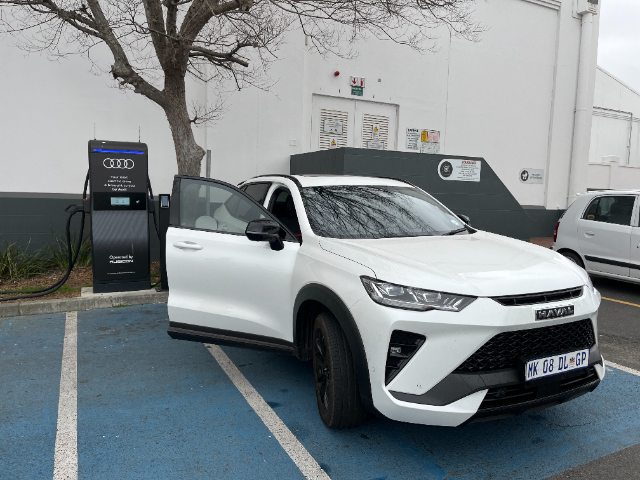
When I attempted to charge the Velar the previous week, this same charger was sadly out of order. In an EV, this is a bit of a bummer; in a hybrid, not so much! You can head on to a fuel station.
Stretch beyond its battery at highway speed, and your consumption climbs, as with any PHEV.
The Velar follows the same pattern but with a shorter electric leash. Charge often, and averages stay low. With a depleted battery, the Velar's average consumption was 9-11 L/100 km, which is not bad considering its weight and engine.
However, the H6 GT PHEV trumps it with no more than 7.0 L/100 km, even when the battery is depleted.
Infotainment and controls
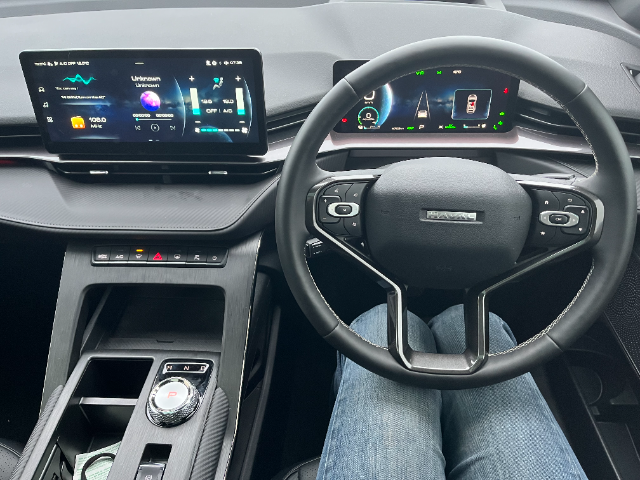
Both cabins aim for a clean, button‑light look but are executed differently. The Haval gives you dedicated air‑con buttons, which is a daily win. The Velar offers just the PIVI Pro touchscreen in the middle. It looks superb, but you do miss a quick physical shortcut.

However, Pivi Pro in the Velar is slightly easier to live with. It is quick and relatively logically laid out. In the Haval, the screens look premium, but the menu logic (or lack thereof) is highly frustrating. You can dig into menus and submenus and still not find what you want. The Haval voice assistant does not help much either. 'She' understands too few commands and often misses the mark completely. Software usability goes to the Velar.
Drive modes, transmission, and braking feel
Swapping between EV, hybrid, and engine-only should feel natural. The Haval’s dedicated hybrid transmission (DHT) makes these hand-offs smoother, blending power sources almost invisibly. The Velar’s traditional 8-speed automatic feels more familiar but can sometimes fidget as it shifts between modes, especially at lower speeds.
The H6 GT’s pedal lacks initial bite on brake feel and could be more sensitive for precise low‑speed stops. The Velar’s pedal is more progressive and predictable.
Space, comfort, and cabin vibe
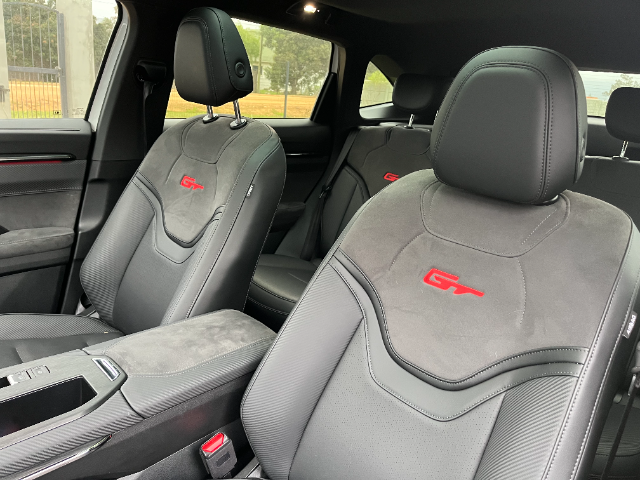
Red accents, GT lettering, leather, and faux Alcantara suede create a special ambience in the H6 GT. Rear passengers are the winners because legroom is massive. The trade‑off is the boot, and thanks to the coupé roofline and PHEV packaging, it is modest for family duty, at 392 or 1,390 litres with seats down.
The Velar’s interior can feel a bit underwhelming for a Range Rover. It is almost too 'everyday', especially in the back. And, the rear legroom does not match the Haval in a long shot.
The boot is the ace up its sleeve. The Velar's boot, with 673 litres (seats up) and 1,731 litres (seats down), makes life easy with prams, pets, and heavy luggage.
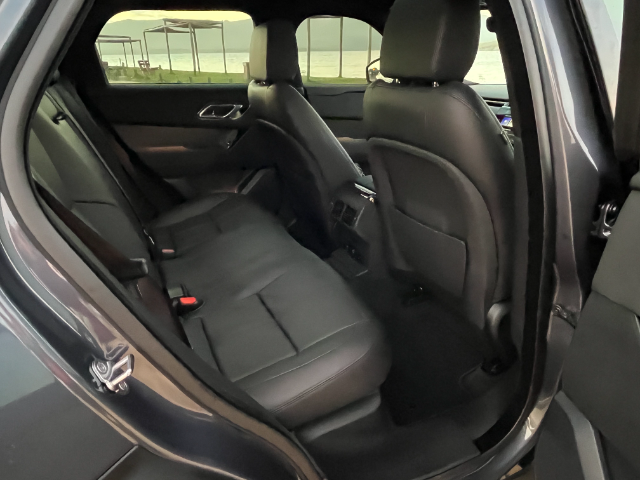
The Velar's premium, but it just feels a little too understated.
However, the H6's rear window is tiny, so thank goodness for all the cameras. Visibility in the Velar is way better, but it also has cameras everywhere. Both feature a transparent chassis view to see what's underneath the car, a valuable feature.

Legroom in the H6 GT is fantastic in row two, and this is me behind the driver's seat, at the usual setting for someone about 1.8 metres tall.
Ride, capability, and towing
This is where the Velar shines. Adaptive suspension is standard, air suspension is available, and the off‑road numbers are credible. Ground clearance can reach 251 mm, approach and departure angles are off-road focused, and wading depth is 530 to 580 mm. It tows 2,000 kg braked.

The Haval tows 1 500 kilograms. It's quick and comfy in daily use, but it cannot match the Range Rover’s breadth of ability if your family is adventurous. If you opt for the Velar, ensure you specify off-road tyres.

Wheels & tyres
Haval runs 235/55 R19. Velar runs 255/50 R20 as standard, with optional 21s for our test car, as seen in the Velar images.
The Haval’s theoretical advantage is a few millimetres, which is not meaningful. Both ship on road‑biased tyres as standard. For rough gravel, tyre type matters more than size.
Reliability over 5 years
Neither has a complete five-year South African track record yet. The Velar P400e has seen a battery-related recall overseas, addressed by JLR with inspection and, where needed, replacement. Local buyers get an 8-year high‑voltage battery warranty and a 5-year or 100,000 km maintenance plan, with 26 000 km service intervals. That improves predictability.

The Haval H6 GT PHEV is new locally, and no major SA recalls were reported at the time of writing. It is covered by a 7-year or 200 000 km vehicle warranty, an 8-year or 150 000 km HV battery warranty, and a 7-year or 75,000 km service plan, with 15,000 km intervals. Early signs are positive. The main gripe today is infotainment usability, which software updates can improve.
Verdict
If you can charge at home and your daily route is mostly city or suburban, the Haval H6 GT PHEV is a smart way to cut costs. It looks and feels special, gives rear passengers loads of space, and can handle most weekdays on electricity. Just make sure the smaller boot and lower tow rating suit your lifestyle. In his review, Sean calculated ownership costs for the H6 GT 1.5T PHEV here.
If you need a big boot, tow often, value a calmer ride on rough roads, and like the safety net of real off‑road ability, the Range Rover Velar P400e is the more complete all‑rounder. It will not travel as far on electricity, and the rear seat is not as generous, but as a polished long‑distance hybrid SUV, it is hard to beat. But just for that price difference, you can buy a whole other premium car, like a Toyota Land Cruiser Prado demo model...
The numbers
Velar P400e S vs Haval H6 GT 1.5T PHEV – Technical Comparison
| Spec | Range Rover Velar P400e S | Haval H6 GT 1.5T PHEV Ultra Luxury |
|---|---|---|
| Engine + Hybrid System | 2.0-litre petrol + electric motor (PHEV) | 1.5-litre turbo-petrol + electric motor (PHEV) |
| Battery & Electric Range | Battery ~19.2 kWh total (usable ~15.4 kWh). EV range ~63 km (WLTP). Charging: ~2h30 on 7 kW AC, ~30 min to 80% on 50 kW DC. | Battery 35.4 kWh. Claimed EV-only range ~180 km (NEDC); real-world closer to 100+ km depending on conditions. |
| Power & Torque | Electric motor ~105 kW + petrol engine. Combined torque ~640 Nm. 0-100 km/h ~5.4 sec. | Combined power ~321 kW, torque ~762 Nm. 0-100 km/h ~4.9 sec. |
| Fuel / Energy Consumption | Claimed ~2.2 L/100 km (WLTP hybrid/electric). Real-world varies depending on battery use. With a depleted battery, roughly 10 - 11 L/100 km | Claimed 0.8 L/100 km; combined average ~5.4 L/100 km without frequent charging, with an 'empty' battery around 6.7 L/100 km. |
| Acceleration / Top Speed | 0-100 km/h ~5.4 sec; top speed ~209 km/h. | 0-100 km/h ~4.9 sec; top speed 200 km/h |