Range Rover Velar P400e Dynamic SE (2025) Review
We get that Land Rover products are pricey; after all, you're paying for the heritage, the prestige, and the luxury. Does that mean that the Velar PHEV is excellent in every respect? We find out after living with the Dynamic SE model for a few days.


Facts & Figures
| Feature | Specification / Detail |
| Model | Range Rover Velar P400e Dynamic SE PHEV |
| Vehicle Type | Luxury SUV |
| Engine | 2.0-litre turbocharged 4-cylinder + electric motor |
| Power (Combined) | 297kW (404PS) |
| Power Breakdown | 221kW (engine) + 116kW (electric motor) |
| Torque (Combined) | 640Nm @ 1,500-4,400rpm |
| Torque Breakdown | 400Nm (engine) + 275Nm (electric motor) |
| Battery Capacity | Not specified |
| Transmission | 8-speed Automatic |
| Drive Type | All-wheel drive (AWD) |
| Weight (Unladen DIN) | 2,205kg |
| Boot Space | 673 litres (seats up), 1,731 litres (seats down) |
| Ground Clearance | 214mm (standard), 215mm (off-road mode) |
| Fuel Tank Capacity | 69 litres |
| Claimed Fuel Consumption | 2.2L/100km (combined PHEV cycle) |
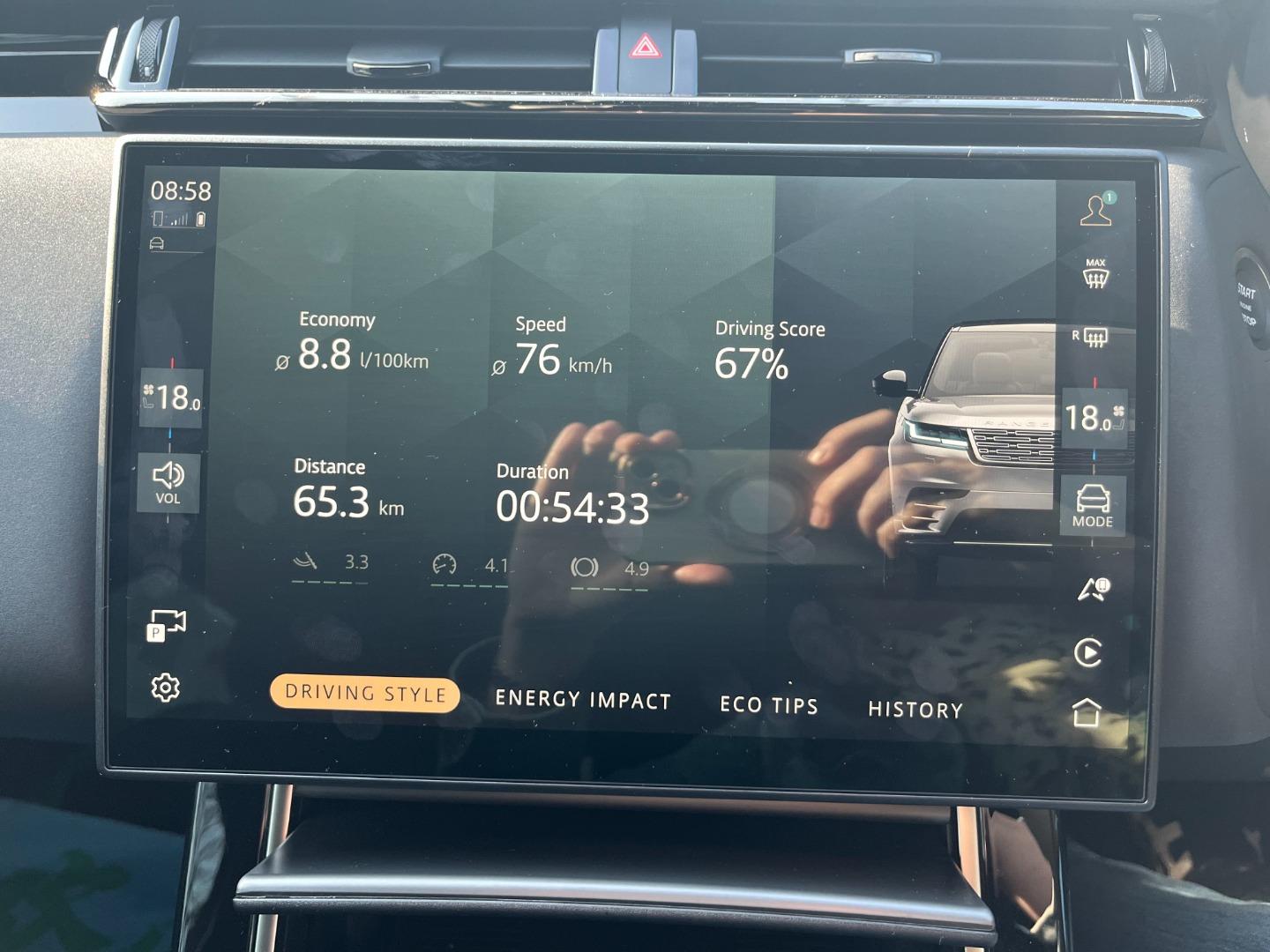
| Real-World Consumption | 3L/100km (battery charged), 8.8-9.7L/100km (depleted) |
| Electric Range | 69km (NEDC), 49km (real-world) |
| Electric-Only Top Speed | 140km/h |
| Charging Time | 8 hours (domestic), 2.5 hours (7kW), 30 mins (rapid 0-80%) |
| Rapid Charging Power | 35kW DC (CCS connector) |
| Seating Capacity | 5 adults |
| 0-100km/h | 5.4 seconds |
| Top Speed | 209km/h (combined), 140km/h (electric-only) |
| Towing Capacity | 2,000kg (braked), 750kg (unbraked) |
| Wading Depth | 530mm |
| Base Price | R 2,098,300 |
| CO2 Emissions | 51g/km (NEDC2 cycle) |
| Price | R2,166,800 (as tested) |
The R61,500 in options on this particular test vehicle included:
- Technology Pack (R25,200) - Head-up Display & Park Assist
- Black Exterior Styling Pack (R15,500)
- Heated and cooled front seats (R13,000)
- Front fog lights (R3,900)
- Black roof rails (R1,800)
- Rear seat remote release levers (R2,100)
Pros
- It oozes old money
- Instantly recognisable
- Drives like a dream
- Delightful power, with the practicality of a plug-in hybrid
- Quite efficient, even when the battery is depleted
- The sunroof is free!
Cons
- Too much driver input needed for infotainment settings
- Not a very ergonomic interior
- Cabin may be too dark for some
- Earlier models had reliability issues
- The second row could have done with more legroom
Styling
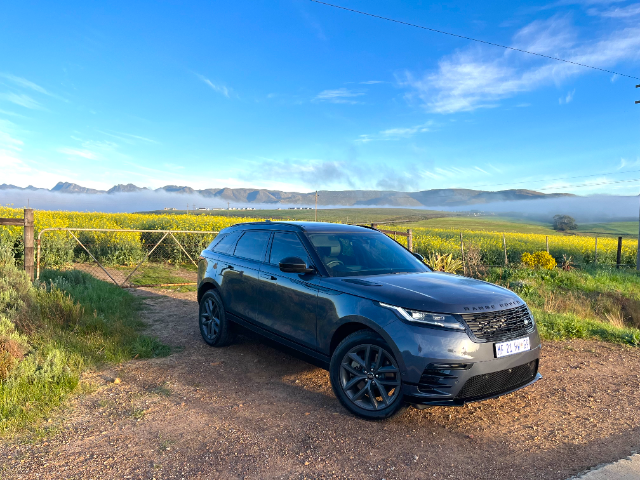
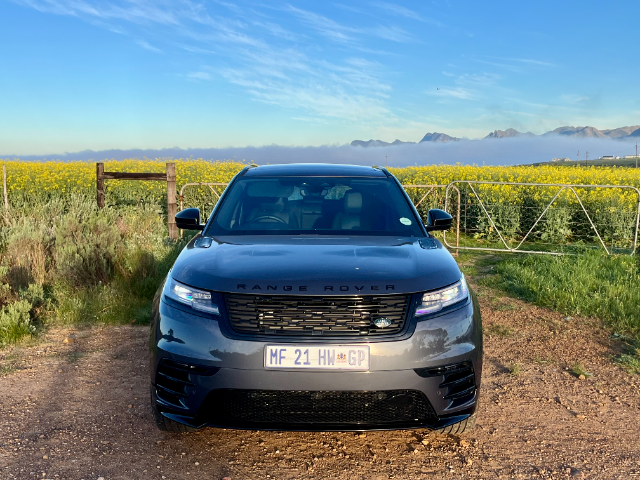
Whether parked outside Hilton College’s gates or cruising the N1, the Velar commands respect through pure presence.
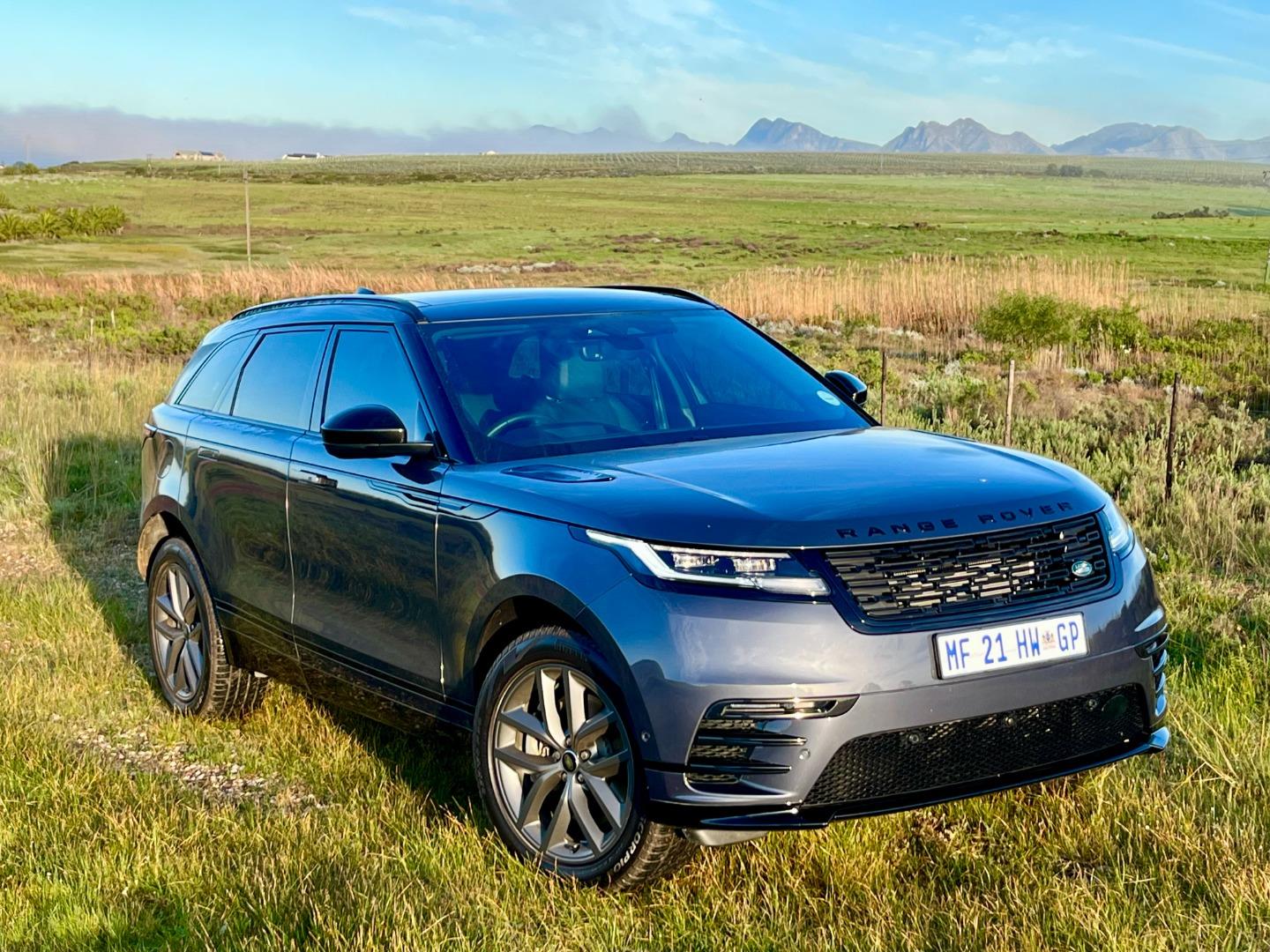
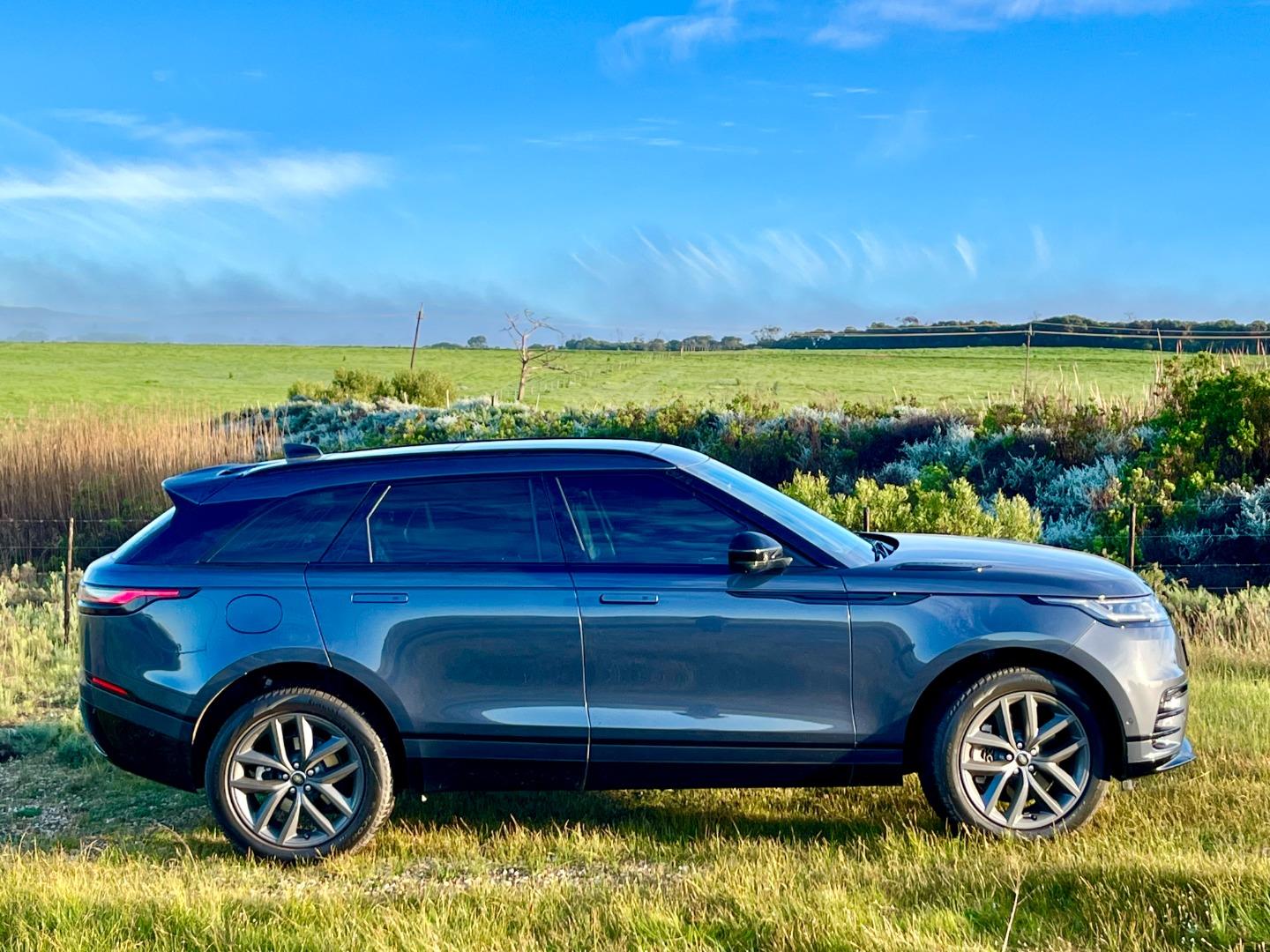
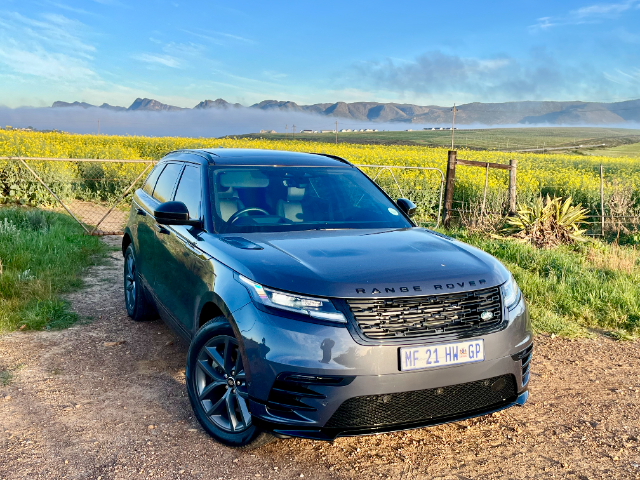
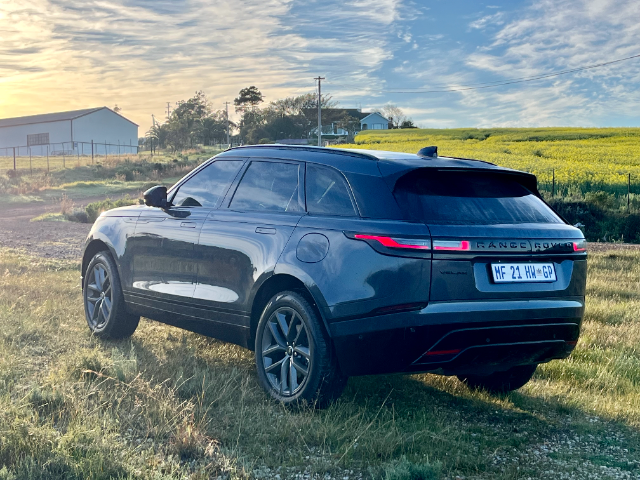
Our Dynamic SE test model in Varesine Blue with the Black Exterior Styling Pack (a worthy R15,500 spend), had people taking long looks. 20" Style 1089 Satin Dark Grey wheels fill the arches. The black brake callipers and trim details give it a sophisticated, stealthy style that screams understated wealth. The LED headlights with signature DRL create that distinctive Range Rover scowl.
Approach lights in the power-folding mirrors create welcoming puddle lamps, while flush door handles extend gracefully as you approach the car.
Buying used? Read our 2020 Velar review here.
Interior
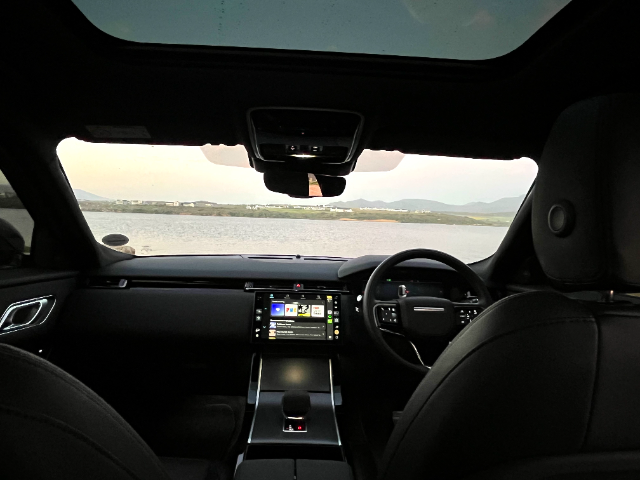
Open the doors and you're greeted with "50 shades of black"; only the surface textures create any differentiation in this monochromatic masterpiece. The most flamboyant characteristic is a small strip of glossy piano black on the passenger side. In the centre sits the large and crisp Pivi Pro touchscreen system, and there's not a button to behold, apart from the switchgear on the steering wheel and memory buttons in the doors.
Land Rover Range Rover Sport Luxury Road-Trip Review

A sizable dual-opening storage cubby lives underneath the central armrest, while a standard sliding panoramic roof lets precious light in. The Ebony interior with Grained leather and Black Brushed Aluminium finisher creates an undeniably sophisticated atmosphere.
Traditionalists will cry that the cabin is too dark and dull, but minimalism fans will rejoice. It's clean, futuristic, and uncluttered.
The Meridian sound system delivers audiophile-grade acoustics that transform mundane commutes into concert experiences.
Range Rover Velar P400e Review (2023)
Space and Comfort
The button-free environment looks space-age but proves a little frustrating in reality. Wireless Apple CarPlay glitched often, disconnecting and reconnecting like a teenager's attention span. Voice control understood my commands with difficulty, and the ‘assistant’ sounds properly robotic. Want to adjust the aircon? You’ll need to slide your finger along the screen while trying to navigate traffic; easy enough, but a physical button is less distracting.
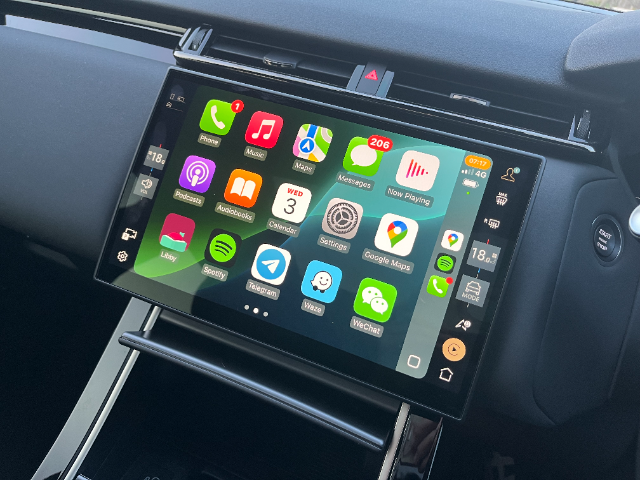
At times, the climate control system also took its time to start blowing cool air, despite being set to 18 degrees, which is not ideal in hot South African summers. But it’s not all negative. Settle into that electrically adjustable driver's seat (with memory function), and if you specced those R13,000 heated and cooled seats, you'll appreciate the cosseting comfort year-round. Plus, there are enough USB-A ports on board, and there is a wireless charging pad up front. The tinted glass ensures that nobody can see that you couldn’t find a hairbrush this morning. It’s the kind of cabin you can use as a sensory deprivation tank when life gets too much.
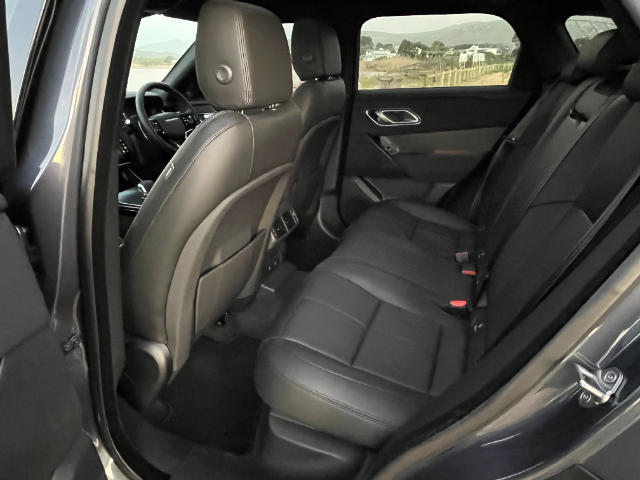
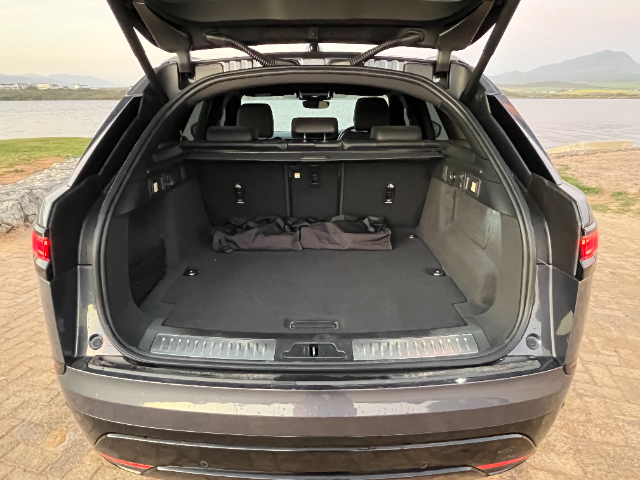
The cabin may be specified to the hilt with an assortment of goodies, but the rear-seat space feels tight despite the car measuring 4,797mm long and 2,147mm in width. The boot, thankfully, redeems things with 673 litres expanding to 1,731 litres.
Land Rover Defender Octa vs Merc-AMG G63
Performance
The Velar PHEV packs a combined total of 297 kW and 640 Nm of torque, more firepower than most hot hatches dream of. That cocky Golf GTI driver at the robot will watch your tail lights disappear as you rocket to 100km/h in just 5.4 seconds, because your Velar’s electric motor has catapulted you ahead long before his turbo has even spooled up. The 8-speed automatic shuffles relatively seamlessly through ratios while all-wheel drive ensures every Newton metre reaches the tarmac.
Power Breakdown:
- Petrol engine: 221 kW + 400 Nm
- Electric motor: 116 kW + 275 Nm
- Combined system: 297 kW + 640 Nm
The Drive
Don't mistake straight-line heroics for corner-carving prowess, though. At 2,205kg, this luxury barge isn't the nimblest through the twisties, and you're constantly aware of its size and weight when the corners get sharp.
Despite its catwalk looks, this remains a proper Range Rover. It'll wade through 530mm of water, while 213 mm ground clearance rises to 251 mm if you have the air-suspension box ticked. But the low-profile tyres aren’t exactly built for serious off-road outings, so we kept to the dirt roads.
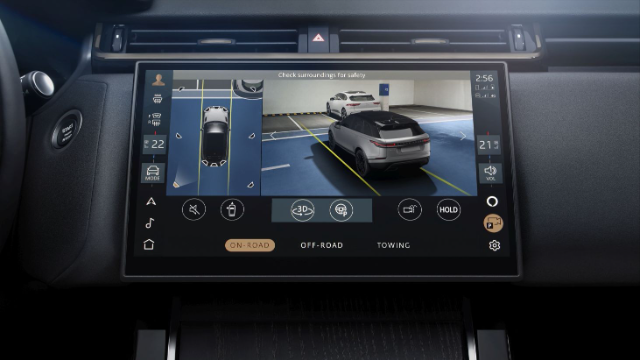
A very nice-to-have feature is the transparent chassis that shows you what’s hiding underneath your Velar, and this view is activated every time you reverse, or you can just hit the camera button for your view of choice.
GWM Tank 500 vs Toyota Land Cruiser vs Land Rover Discovery
Fuel Consumption
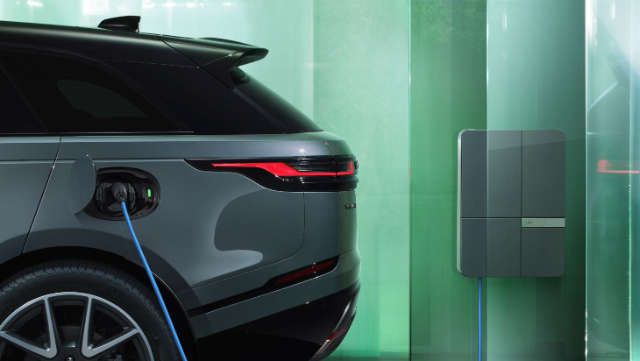
With a fully charged battery and a full 69-litre tank, you're looking at roughly 816 km total range: 50-60 km of full electric motoring plus around 767 km on petrol. The official 2.2L/100km consumption is achievable only if you're religious about charging (just plug in for a while when you get home from work), but reality tells a different story. Cleverly, you can save the pure EV power for when it matters, like traffic jams on your way home.
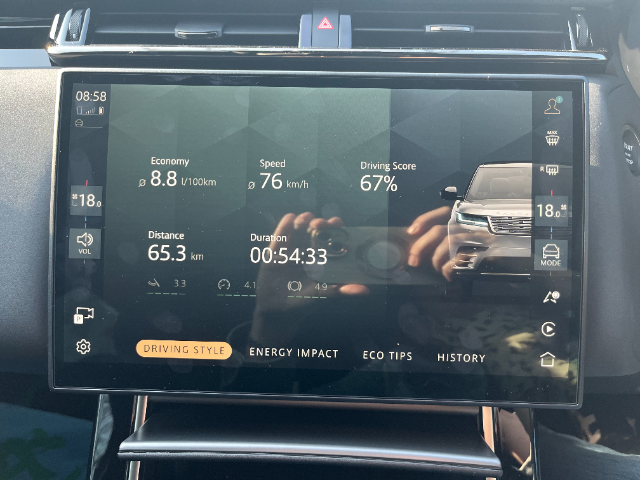
Once the battery is depleted, expect 8.8-10L/100km, which is still reasonable for a 2.2-tonne luxury SUV. Keep that battery topped up, and you'll average closer to 3L/100km, making the charging ritual worthwhile.
Charging costs about R70 for a full domestic charge (at R3.50 per kWh), delivering about 50-60 km for roughly R1.45 per kilometre versus R2 per km on petrol. I kept the Velar in Eco mode throughout, maximising regenerative braking, so every lift-off and brake application feeds energy back to the battery. Charging times are practical: 8 hours on the standard domestic wall socket, 2.5 hours on a 7kW wall box, or 35 minutes to 80% on a 30kW public charger, like the one I always use at Gearing's Point in Hermanus. The Velar also supports DC charging, not just AC like so many other PHEV products.
But here's the R2.17-million question: if you're paying this much, why schlepp with charging cables when fuel costs aren’t a genuine concern? Because performance. But there are other options out there.
Safety
Six airbags and all the comprehensive safety systems you expect in a car of this calibre will protect you if things go pear-shaped. We've mentioned features such as 3D Surround Cameras that make parking this large SUV manageable. The optional Park Assist (part of the R25,200 Technology Pack) handles parallel parking duties.
However, the Level 2 autonomous driving features were not as slick as I had hoped. Lane-keeping assistance and Steering Assist work, but lack the refinement you'd expect from a luxury SUV costing over R2 million.
The rest of the safety package meets modern standards, such as Adaptive Cruise Control, Tyre Pressure Monitoring, and the like.
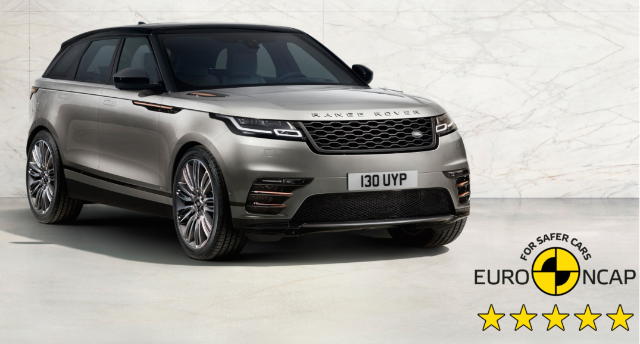
It goes without saying that the Velar gets a five-star safety rating, although it hasn't been tested by EuroNCAP since 2017.
Price
At R2,166,800 as tested, the Velar PHEV is premium personified.
But the temperamental phone/infotainment connection, the complete lack of buttons that could cause distracted driving, average voice control (when Volvo easily gets it right with a built-in Google system), average semi-autonomous driving assistants, and a cramped second row despite large external dimensions; these quirks are hard to swallow at R2+ million.
Non-PHEV competitors in this price or power bracket include the Mercedes-AMG GLC43, the BMW X6 xDrive 40i M Sport, the X7 xDrive40d Design Pure Excellence, and the Audi Q7/Q8. (For R2 109 309, I would probably opt for the 3.0 turbo-diesel BMW X7 with 250kW and 700 Nm. It's no mess, no fuss, and no plugging in, along with almost 1000 km of range.)

If you want to go the PHEV route, however, the BMW X5 xDrive 50e, priced at R1 919 000, is well worth considering. It boasts some highly impressive credentials.
The Verdict
The Range Rover Velar P400e PHEV is undeniably gorgeous and offers impressive performance, but at R2,166,800, it's a beautifully flawed proposition. The Velar is automotive art that happens to transport people. At this price, substance should match style. Beautiful? Absolutely. Worth paying this much for? If you have silly money and you want the prestige of the Land Rover badge, probably. If you’re the more sensible type, probably not.