
Porsche Cayenne S is clinically competent
Porsche Cayenne S is clinically competent


By Stuart Johnston
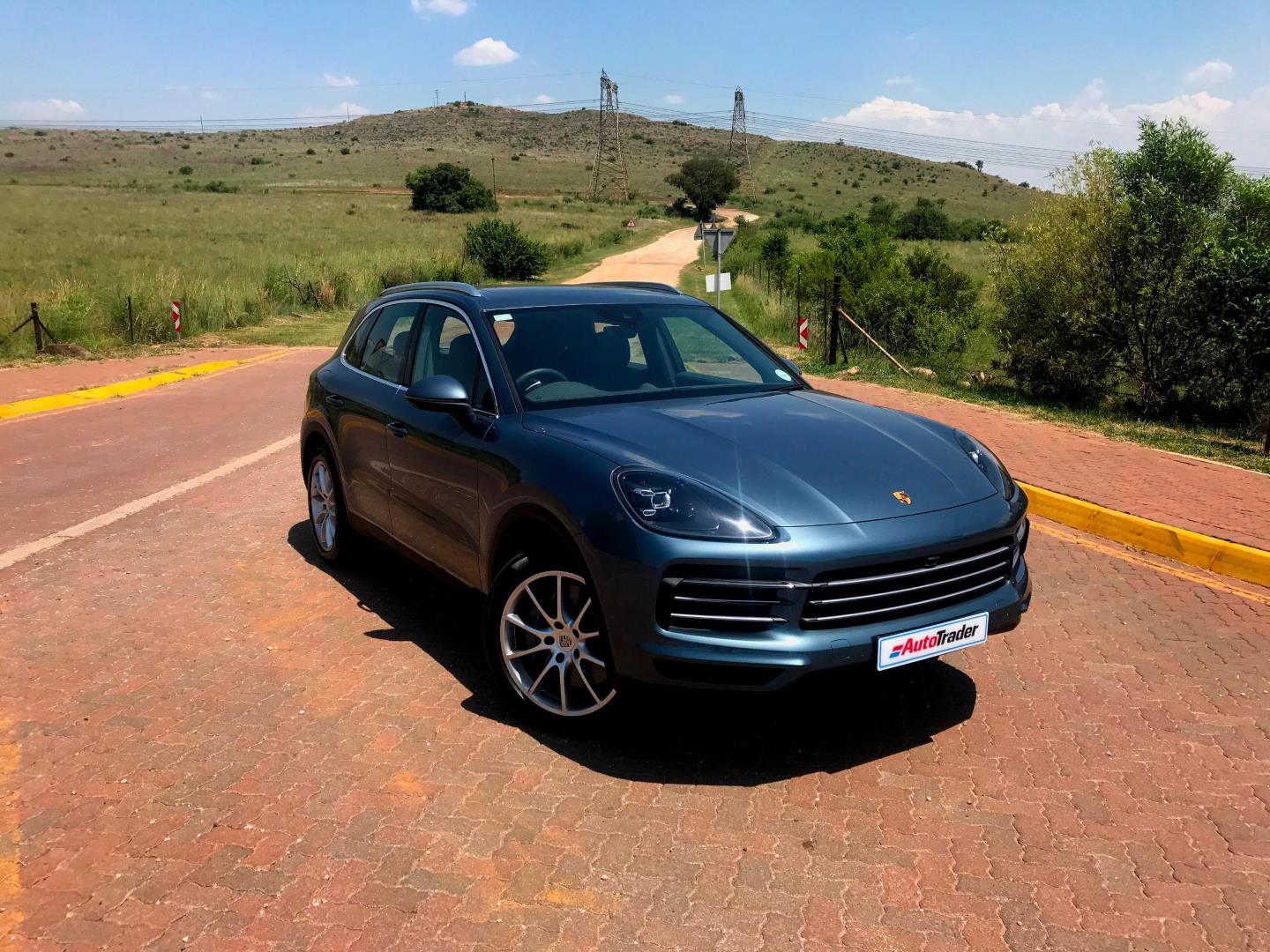
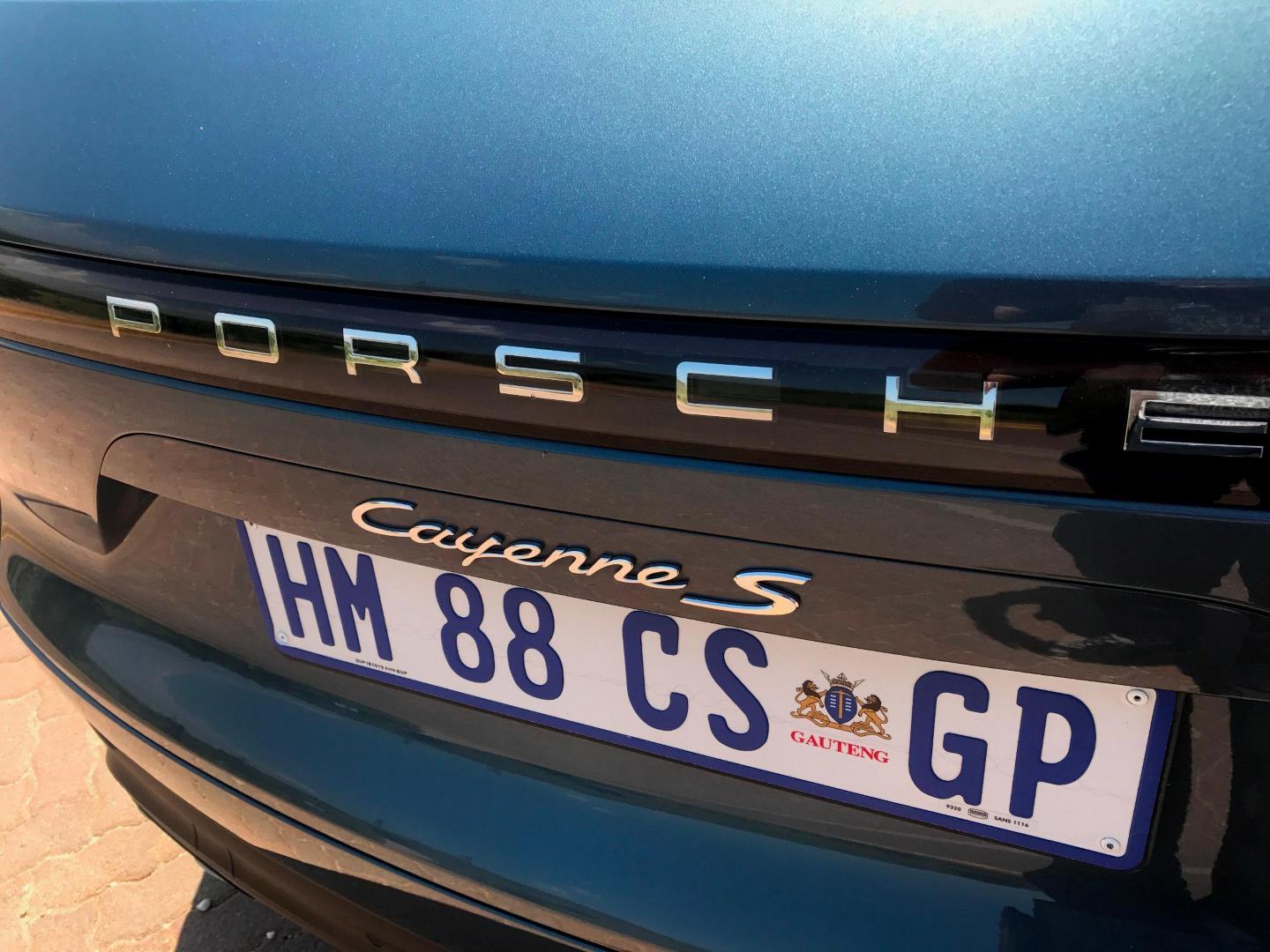
Porsche’s new Cayenne S is an amazingly competent machine. The car is all new, but the styling changes are evolutionary, which makes spotting the latest model not as easy as you may think. The V6 2,9-litre bi-turbo engine is exciting and commendably smooth, and delivers sports-car like performance.
The third generation Porsche Cayenne is all-new, despite the fact that it looks unmistakably like a Cayenne. Porsche’s large-size SUV continues to be hugely popular all over the globe, and this new one impresses in the way it has retained the essence of the second-generation car while improving in most, if not all areas, from a driver’s satisfaction point of view.
The range consists of the Cayenne, with a tweaked previous-gen 3,0-litre V6 turbo petrol engine, the Cayenne S which uses a new 2,9-litre V6 bi-turbo, the Cayenne Turbo, which runs a 4,0-litre V8 turbo, and the Cayenne e-hybrid, combining the 3,0-litre V6 turbo with electric-engine power.
The Turbo model comes with excellent air suspension (optional on the Cayenne S, but not fitted to our test car) and sophisticated handling-assistance devices that make controlling such a heavy powerful machine seem like child’s play.
The new body features an all-aluminium exterior, and the front section of the chassis as well as the floor-pan is also aluminium alloy. Most of the suspension components are aluminium alloy too, and this has resulted in the new car weighing 10 kg less than the out-going mode, despite much more equipment being added.
For the launch report on the new Cayenne in the third quarter in 2018 click here
Styling
One thing you have to realise about the top people at Porsche: once they’ve set a plan of action, they tend to follow it to its logical conclusion. What this means in terms of new models is that you should never expect the latest car to look radically different from the old one, and this is certainly the case with the 2019 Porsche Cayenne.
The wheelbase remains unchanged at 2 895 mm, and the biggest change is that it has longer overhangs than the previous model. The length has increased by 63 mm, and the roof height has been reduced fractionally. The most dramatic changers visually are to the nose area, where the grille is now a single ribbed aperture, and the lights are more flowing LED units. The tail lights are much more interesting than before, and feature a Porsche script in their lenses.
A subtle styling feature is that wider tyres are fitted to the rear, compared to the front, giving the flanks a more purposeful, bulked-out sporty look compared to previous Cayennes.
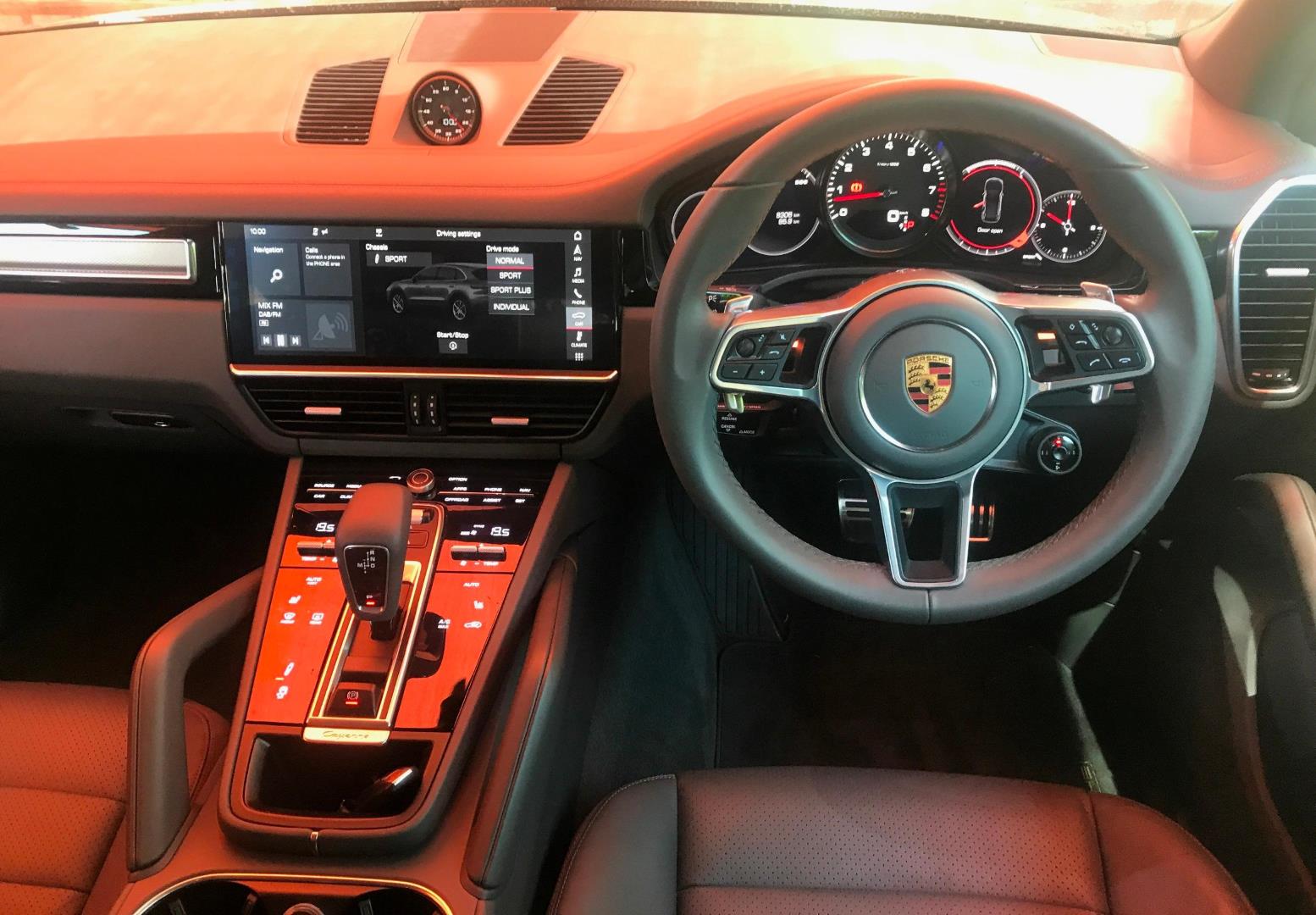
In many respects the biggest changes are to the interior. Gone is the “fighter aircraft” type approach where the driver was confronted by rows of buttons along the console. Now it’s all gone touch-screen-clinical, with a 12,3 inch screen in the centre of the dash, while immediately ahead of the driver is an array of five gauges arranged in typically Porsche style. I particularly enjoyed the fact that there are read-outs for oil temperature as well as water temperature in one of the dials.
The Drive
The Cayenne S, like the other models in the range, is equipped with an eight-speed Tiptronic S automatic gearbox, and permanent all-wheel-drive. It has keyless go, so you place the key fob in the console, plant your foot on the brake and turn a key-like switch on the dash, on the right side of the steering wheel, that sets your world alight.
The Cayenne S is fitted with the newer-generation 2,9-litre bi-turbo V6, and the engine bursts into life with a finely-pitched six-cylinder voice. Pull back on the gear lever to select Drive and you are on your way.
The 2,9-litre V6 bi-turbo is more powerful than the engine in the entry-level Cayenne and the engine is very responsive all the way through the rev range. Even on a light throttle, you can feel the refinement of the engine, and your progress with the eight-speed Tiptronic automatic is unruffled.
Grip is impressive, as one would expect from a Porsche. And ride quality is also excellent, especially considering that the test car was fitted with the optional (costing R26 750) 20-inch Cayenne Design wheels, with lower profile rubber. Road and wind-noise insulation is particularly impressive, considering that aluminium is used for so much of the car’s construction. This is a first-class cabin experience for the road.
Steering lacks involvement
The only down-side for me is the steering system in the new Cayenne. I found it strangely uninvolving, and this included its feel when selecting Sport or Sport Plus settings on the driving mode menu, For me this was a disappointment, as the one thing I look forward to on all Porsches – Caymans, 911s and Panameras – is that amazing communication between steering wheel and the front wheels.
Click here for a report on the 911 T, launched last year. For impressions on the Cayman 718 click here.
In Sport and Sport Plus mode this seemed to improve when I pushed hard through sweeping high-speed corners, but that final bit of connectivity, to the tyres searching for grip on the road surface, was lacking.
Having said this, a remarkable aspect of the new Cayenne is its nimbleness. It feels like a much smaller car, whether you are pushing hard on the open road or threading your way through traffic. Effortlessness seems to have been the major agenda in terms of configuring the Cayenne’s responses. By the way, all-wheel steering is also available as an option on the new Cayenne S, and on the Cayenne Turbo. This should make the experience even more fluid, as well as increase stability during fast cornering.
Performance
This bi-turbo V6 fitted to the Cayenne S produces an impressive 74 kW more than the (up-rated) 3,0-litre V6 turbo fitted to the base-model Cayenne. The actual maximum power output on the S is 324 kW, with a maximum torque of 550 Nm. This means it will accelerate to 100 km/h a full second quicker than the entry Cayenne. The S takes just 4,9 seconds to 100 km/h, when you have selected Sport Plus on the drive-mode menu. A mode switch on the steering wheel is part of the optional Sport Chrono Package, listed at R18 7690.
Selecting Sport Plus sees the engine rev all the way through to its 7 000 rpm redline with impressive smoothness for a V6 (not as good as a V8, though, or a flat-six as fitted to a 911). The up-shifts on the gearbox are actually quite harsh in this mode, and it is not something we would recommend for use all day, every day. Top speed for the Cayenne S is rated by Porsche at 265 km/h. These are impressive figures for a car weighing just shy of 2 000 kg!
Fuel Consumption
As the test period was quite limited, I never got the opportunity to do extensive fuel consumption testing. Most of my driving was done with performance in mind, rather than economy. Porsche claim that an average of 9,4 litres/100 km is possible, with 11,8 litres/100 km around town. In reality you will probably get close to the claimed average on long trips, but around town, with the enticement of that turbo acceleration beckoning, you will be lucky to achieve a figure of below 13 litres/100 km.
Space and Comfort
With the wheelbase unchanged, the new Cayenne offers plenty of room and commendable leg and headroom for rear passengers too. What’s more, the boot is very generous at 770 litres, and a lot more if you fold one or more of the backrests down to take extra luggage.
From a comfort point of view, the test car was fitted with an optional Panoramic sunroof (R34 520) and a special perforated leather upholstery finish (R56 590). The Slate Grey finish of this interior was very smart, but gave the car a somewhat sombre appearance. On the launch we experienced brighter colour schemes on the Cayenne, and with the new, clinical digital interior appearance, I believe it needs a brighter interior finish to lift the mood, now that all the chrome toggle switches are gone!
The new Porsche Communication Management system is very easy to use, and voice control adds to the ease of operation.
Safety
Porsche’s Cayenne comes with eight airbags as standard and the requisite seat belt tensioners to accompany this system. The Porsche 3D Surround View system fitted also makes exiting parking slots in busy shopping centres much safer, while on the highway devices like lane-keeping assistance are a boon. The car can also be ordered with Porsche Dynamic Light System Plus (PDLS+), utilising the basic LED functionality of the headlights. This lighting system offers high beam lighting which does note dazzle oncoming traffic, as well as cornering lights.
The all-wheel-drive system constantly varies the engine power delivery between the axles according to traction demands, and massively powerful brakes are part of the standard spec on the Cayenne. Thanks to the excellent road-holding and traction assistance systems, as well as accident management systems and the comparatively light weight combined with immense body strength, the Cayenne is one of the safest cars in the world.
Verdict
The new Porsche Cayenne S is a very modern premium-level SUV and it is immensely competent in all tasks that it tackles. The V6 bi turbo engine can deliver exciting aural feedback, although nothing quite matches the charisma of the top-of-the-range V8 turbo.
As for the styling, at present it is extremely clean and clinical, although I believe than in future updates Porsche will add features that make it look more exciting. For such a competent car it deserves just a little more visual excitement. A dash of bling would actually be welcome here!
As for the rather muted steering feel, I believe Porsche need to re-work the electric power assistance systems, or possibly do some suspension-steering geometry changes to give the steering the communication it lacks in normal driving. A Porsche is a special car and it needs to make you feel special whether you are going hard through windy country roads or tootling along in town.
But overall, it’s the sheer competence of the package that is the overriding impression. Quality-wise, it is top-drawer. At a base price of R1 296 000, the Cayenne S is competitively priced against its competition, which is why these cars sell so well. But a down-side is the amount of money options cost. For instance, the test car Cayenne S ended up costing R1 587 310, with all the options fitted!
Warranty on new Porsches is two years/unlimited km, and a maintenance plan is included for three years/100 000 km Drive Plan. Service intervals are 15 000 kms.