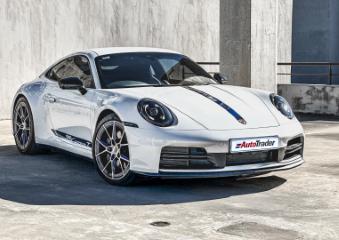
Porsche 911 Carrera GTS (2026) Review
The 911 has gone hybrid, but don't expect a Prius. This is the T-Hybrid system: a 3.6-litre flat-six paired with an electric turbocharger and a motor integrated into the PDK. It’s about killing turbo lag and filling the torque gaps. I spent a few days with the new model recently.

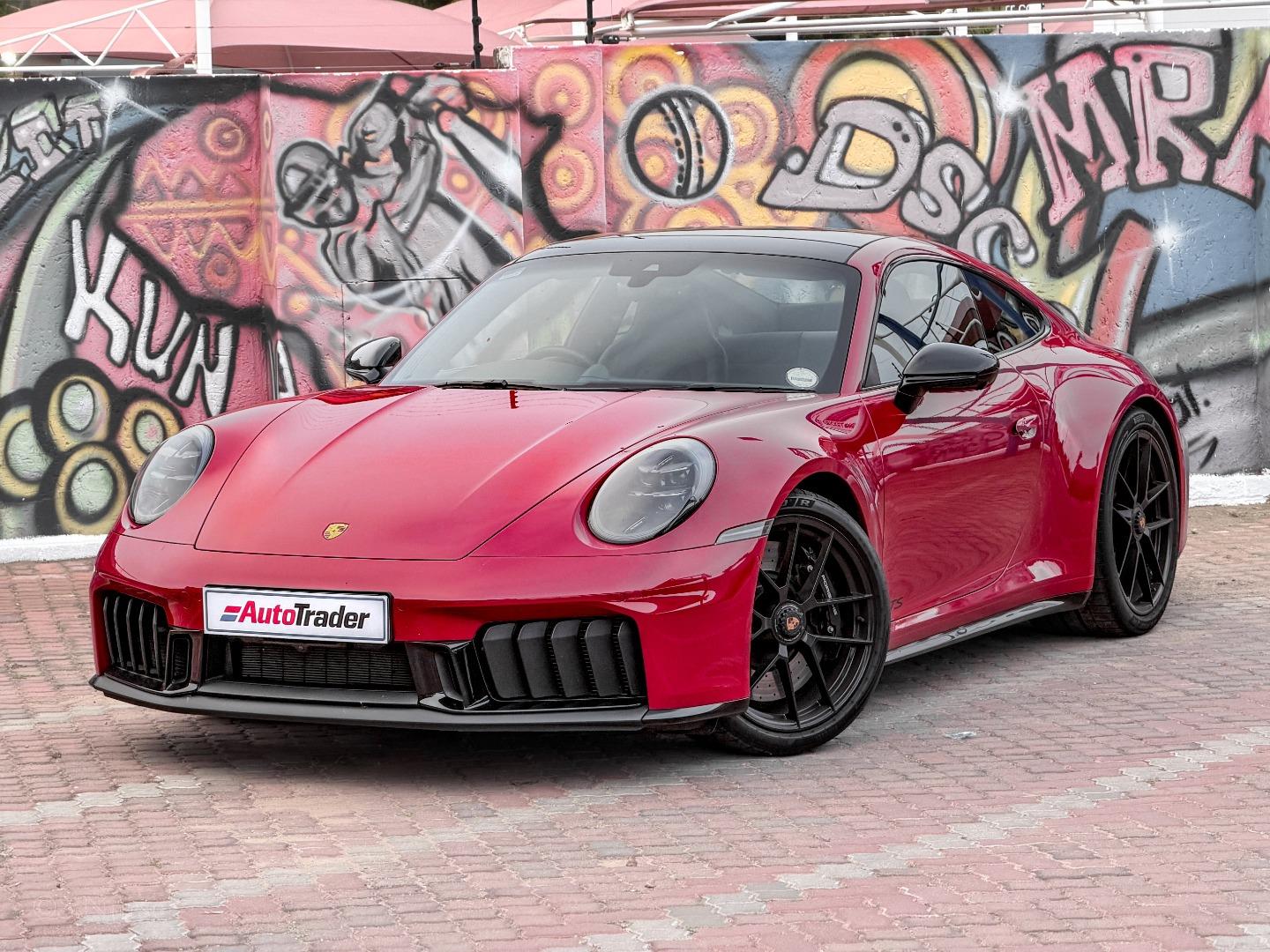

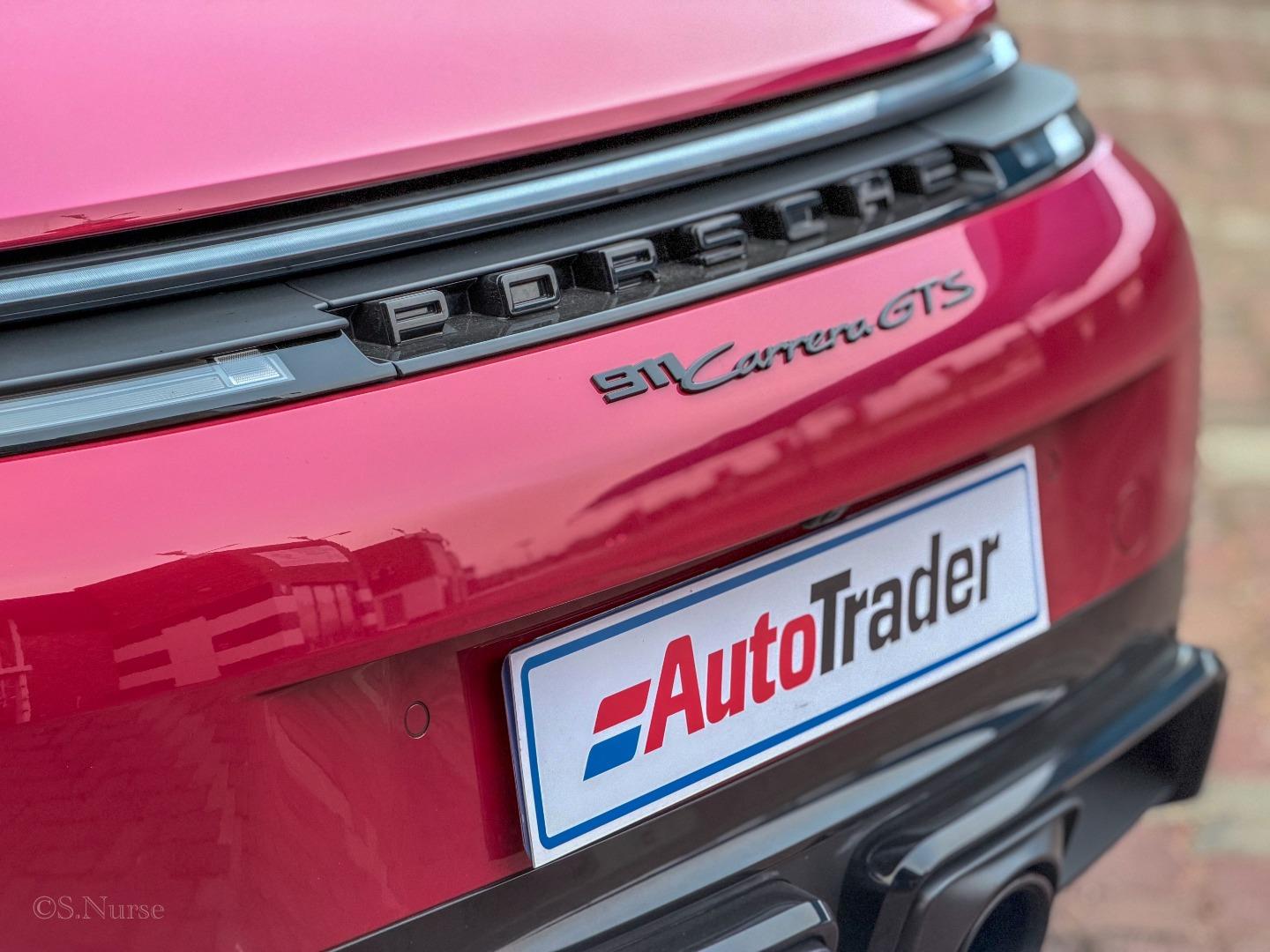
For over sixty years, the Porsche 911 has been the yardstick by which every other sports car is measured. It is the car that can tackle the school run in Sandton on Monday and take to the track on Saturday without breaking a sweat. But for 2026, the game has changed. The 992.2 mid-cycle refresh has brought with it the most controversial—and technologically advanced—update in the model's history: the T-Hybrid system.
At R3 625 000, the new 911 Carrera GTS is no longer just a sharpened Carrera S, but rather a sophisticated hybrid developed to meet stringent emissions regulations while providing more performance than its predecessor. Is the electrified future of the 911 the new gold standard for the 911, or are we still better off with the internal combustion-only models?
Pros:
Incredible performance
Seamless calibration of the hybrid drivetrain
Daily-driver comfort
Promised resale value in SA
Cons
R3.6m is just the starting price before options
Digitised interior may annoy purists
Hybrid weight penalty
Hybrid enters the chat
The heart of the 992.2’s evolution is the T-Hybrid system, a permanently excited synchronous motor integrated directly into the 8-speed PDK transmission and, more impressively, an electric exhaust gas turbocharger. By placing a small electric motor between the turbine and compressor wheels, Porsche has effectively eliminated turbo lag; the motor instantly spins the turbo to optimal boost pressure before the exhaust gases even arrive. This energy is drawn from a high-voltage 1.9 kWh battery tucked under the front bonnet, which also powers the car's 400V electrical system. The result is a 3.6-litre engine that reacts with the instantaneous throttle response while remaining compact enough to fit inside the 992's chassis.

Styling
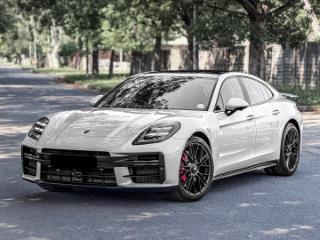
The 911’s silhouette is the most protected shape in motoring history, but the 2026 GTS adds some aggression to the recipe. The most striking change is the front apron, which now features vertical, active cooling flaps. They snap open when you’re pushing hard on a hot day in Franschhoek and close to streamline the car on the highway. Porsche has moved all lighting functions (including the indicators) into the main headlight unit, cleaning up the bumper. It looks more tech-forward than the pre-facelift model. You get the wide-body look as standard, sitting 10mm lower on staggered 20/21-inch centre-locking wheels. It’s understated; most people won't know it’s an R3.6m car until you pull away.

Interior
Porsche has gone fully digital. The classic analogue instrument cluster—a 911 staple for decades—is now a single 12.6-inch curved display. It is Stuttgart minimalist; everything feels carved from a single block of material. There are zero rattles, and every button (what's left of them) has a mechanical, high-quality click. You still get a physical volume knob (thankfully!) and a 10.9-inch centre touchscreen. A new addition for 2026 is the start button, replacing the traditional twist-key on the left of the steering wheel. It comes standard as a two-seater to save weight, but the 2+2 layout is a no-cost option. The overall impression of quality is, as we've come to expect, premium. I find the centre console to be a bit of a smudge magnet, but otherwise its beautifully designed and easy to use.

The Drive
The new 3.6-litre engine, with its electric turbocharger and hybrid assistance, delivers 398 kW and 610 Nm to the rear wheels via an 8-speed PDK gearbox. I tested the GTS using our Dragy performance measurement device, which showed a 0-100km/h time of 3.2 seconds and a quarter-mile time of 11.1 seconds. The performance is astonishing, and with a four-wheel driver version available, there's potential for even faster times.
Personally, I prefer the rear-wheel-drive model, as it frees up the front axle, reduces weight, and feels more like a true 911. The steering, despite being an electric set-up, is still the benchmark for feel and feedback, while the balance, handling and braking performance remain exceptional. There's always a looming question mark over each 911 I drive, and in the case of the GTS, it was the hybrid system potentially taking away what makes the 911 so great. In Porsche fashion, the question is soon answered when you drive the car. The power delivery is rather astonishing, with no discernible lag, heaps of power and torque throughout the rev range, and a level of performance that simply wasn't possible in the 992.1 GTS.
In the words of Porsche GT boss Andreas Preuninger in a recent interview with Chris Harris, "Shut up and drive!" It's easy to criticise something on paper and bemoan change, but Porsche has a rather impressive track record (if you'll pardon the pun) when it comes to effecting sweeping changes in its halo product, and yet, each time, the 911 emerges as impressive, and a reflection of the time in which it exists. Legislation means the engineers at the brand must design their way forward, and I like to think that the 911 remains great despite the challenges it faces.

Space & Practicality
The 911 remains, and is perhaps more than ever, the practical sports car benchmark. You get a 135-litre frunk (enough for two soft bags) and the optional 2+2 seating configuration, though the rear seats are still best reserved for groceries or people you don't particularly like. I found the 911 relatively easy to live with on a day-to-day basis, but the ride quality is rather firm, regardless of the suspension settings chosen, a compromise one will have to make to have this level of performance.

The rival: Chevrolet Corvette Stingray (Z51)
For R3 600 000, the 'Vette offers a completely different flavour of speed.
The heart: A massive 6.2-litre V8 (369 kW / 637 Nm). No turbos, no hybrid tech—just pure, atmospheric American muscle.
The vibe: It looks like a spaceship and sounds like a thunderstorm.
The catch: While it has the Z51 performance bits, it can’t quite match the 911's 0-100 km/h sprint, and the interior, while driver-centric, lacks the bulletproof material quality of the Stuttgart machine.
Head-to-head
| Feature | Porsche 911 Carrera GTS | Chevrolet Corvette Stingray (2LT) |
| Price (Base) | R3 625 000 | R3 600 000 |
| Engine | 3.6-litre flat-6 hybrid | 6.2-litre V8 NA |
| Power/Torque | 398 kW / 610 Nm | 369 kW / 637 Nm |
| 0-100 km/h | 3.0 Seconds | 3.4 Seconds |
| Top Speed | 312 km/h | 296 km/h (SA Spec) |
| Drivetrain | Rear-wheel steer / RWD | RWD |
| Warranty | 2-Year / Unlimited | 3-Year / 100 000 km |
| Maintenance | 5-Year / 100 000 km | 5-Year / 100 000 km |
Depreciation
The question of resale value is the elephant in the room for any high-end hybrid, but with the 911 GTS, the outlook is more nuanced than a typical NEV. Historically, 911s are among the slowest-depreciating cars in South Africa, often holding a significant percentage of their value after three years. However, the introduction of the T-Hybrid system adds a new variable: the 1.9 kWh high-voltage battery.
The battery anxiety vs. reality
While some purists fear a ticking time bomb scenario, there are three factors that protect the GTS’s resale value:
Modular replacement: Unlike a full EV, where the battery is the chassis, the GTS battery is a compact unit (roughly the size of a standard 12V battery) located under the front hood. This makes physical replacement far simpler and less labour-intensive than the under-floor packs found in a Taycan or Tesla.
The 8-Year safety net: Porsche South Africa aligns with global standards, offering an 8-year/160 000 km warranty specifically on the high-voltage battery. For a secondary buyer, this provides peace of mind. If you sell the car after 5 years, the next owner will still have 3 years of factory coverage for the hybrid components. The owners will have to start worrying about the replacement after that, though.

Verdict
The Porsche 911 GTS is faster and more technically advanced than the car it replaces. There's always a compromise with hybrid drivetrains, and that comes in the form of added weight and complexity, with the obvious benefits being enhanced performance and compliance with ever more stringent regulations. The GTS is a response to the industry, a reflection of the time we find ourselves in, and an engineering answer to a problem Porsche had no part in creating but has executed with the sort of precision we've come to expect from the brand. The GTS is fantastic to drive, and those who are lucky enough to afford and own one are likely to enjoy it thoroughly. I know I most certainly enjoyed my stint with it!