

Fast Facts
Pros and Cons
Pros
Emotional V8 Engine: The 4.0-litre V8 provides a thrilling, linear, and high-revving power delivery, coupled with an authentic, rousing exhaust note.
Handling: The GTS features a sports-tuned chassis with standard Adaptive Air Suspension, PASM, and Porsche Torque Vectoring Plus (PTV Plus).
PDK Gearbox: The 8-speed Porsche Doppelkupplung (PDK) dual-clutch transmission remains a benchmark, offering lightning-fast, seamless shifts under duress and smooth comfort in traffic.
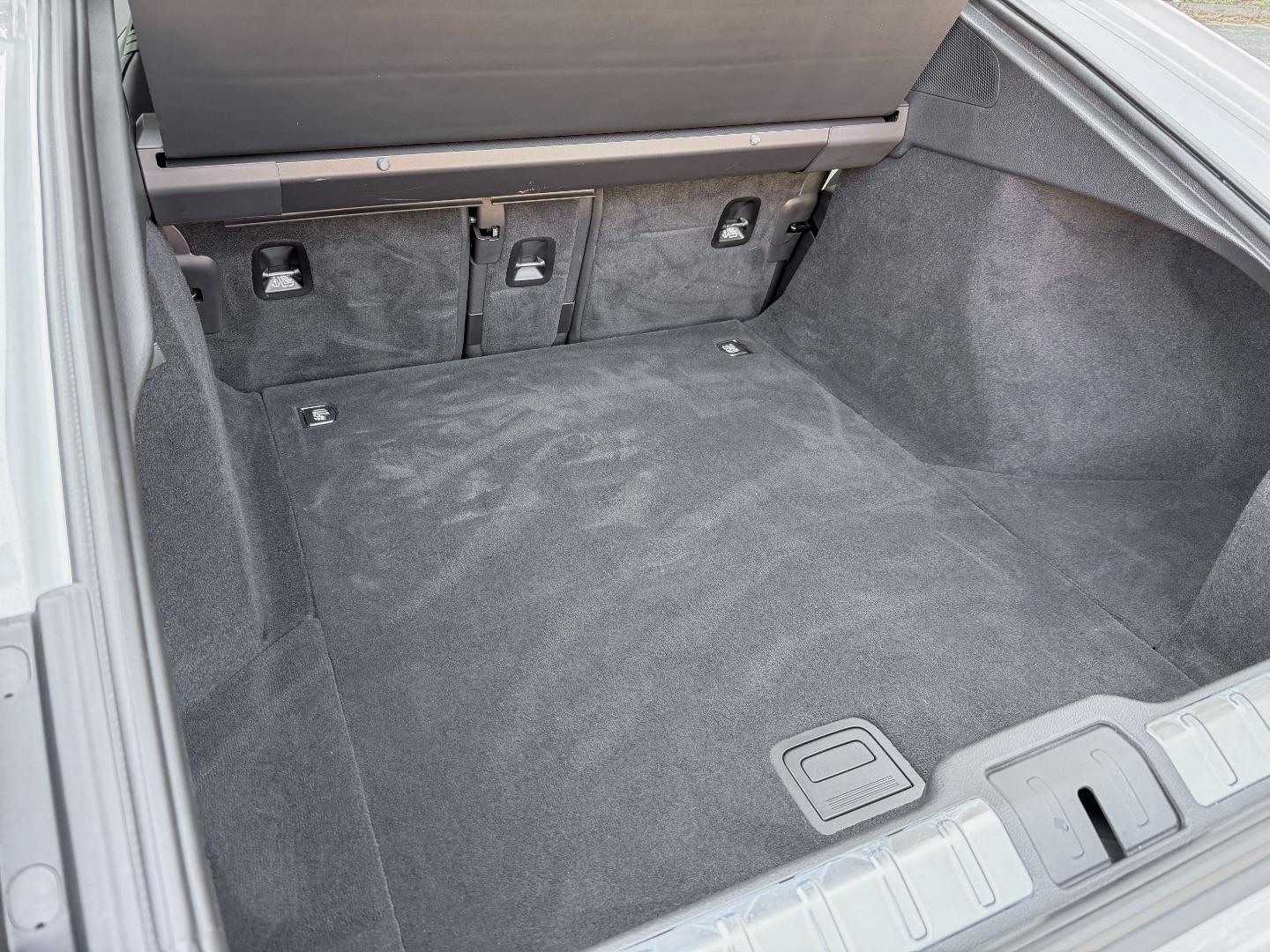
Practical design: The five-door hatchback body offers excellent cargo space, a clear advantage over traditional luxury sedans and even the hybrid Panameras (which have smaller boots due to the battery).
Driver-Focused Interior: The cabin strikes a perfect balance between luxury and sport, with standard Race-Tex (Alcantara) upholstery on key touchpoints (seats, steering wheel) and the latest curved digital cockpit design.
Cons
Firm Ride: While the handling is exceptional, the GTS-specific chassis tuning and large wheels mean the ride is notably firmer than the base Panamera or other full-size luxury rivals, which may compromise daily commuting comfort on poor roads.
Pricey options: As with all Porsches, the extensive options list (e.g., rear-axle steering, carbon ceramic brakes) can significantly inflate the R3.18 million starting price, rapidly pushing it into the territory of high-end supercars.
Snug rear passenger space: Although it's a large car, the swooping fastback roofline and standard 4-seat configuration (individual rear chairs) limit rear headroom for taller passengers compared to a traditional executive saloon.
Digital overload: The redesigned interior features a multi-screen dash layout (driver display, central screen, optional passenger screen) that some traditionalists find too screen-heavy and less intuitive than Porsche's previous analogue-digital blend.
Styling
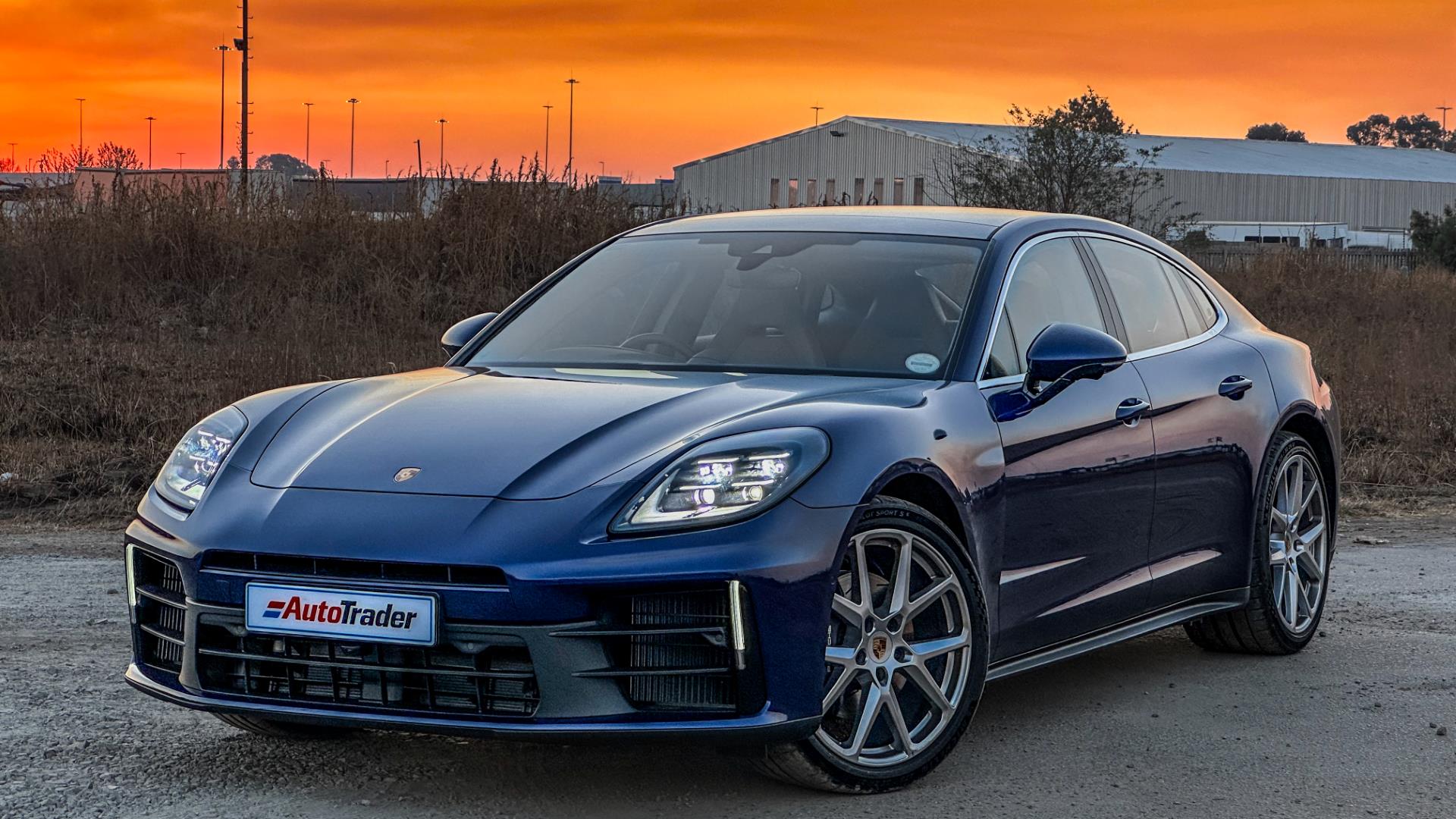
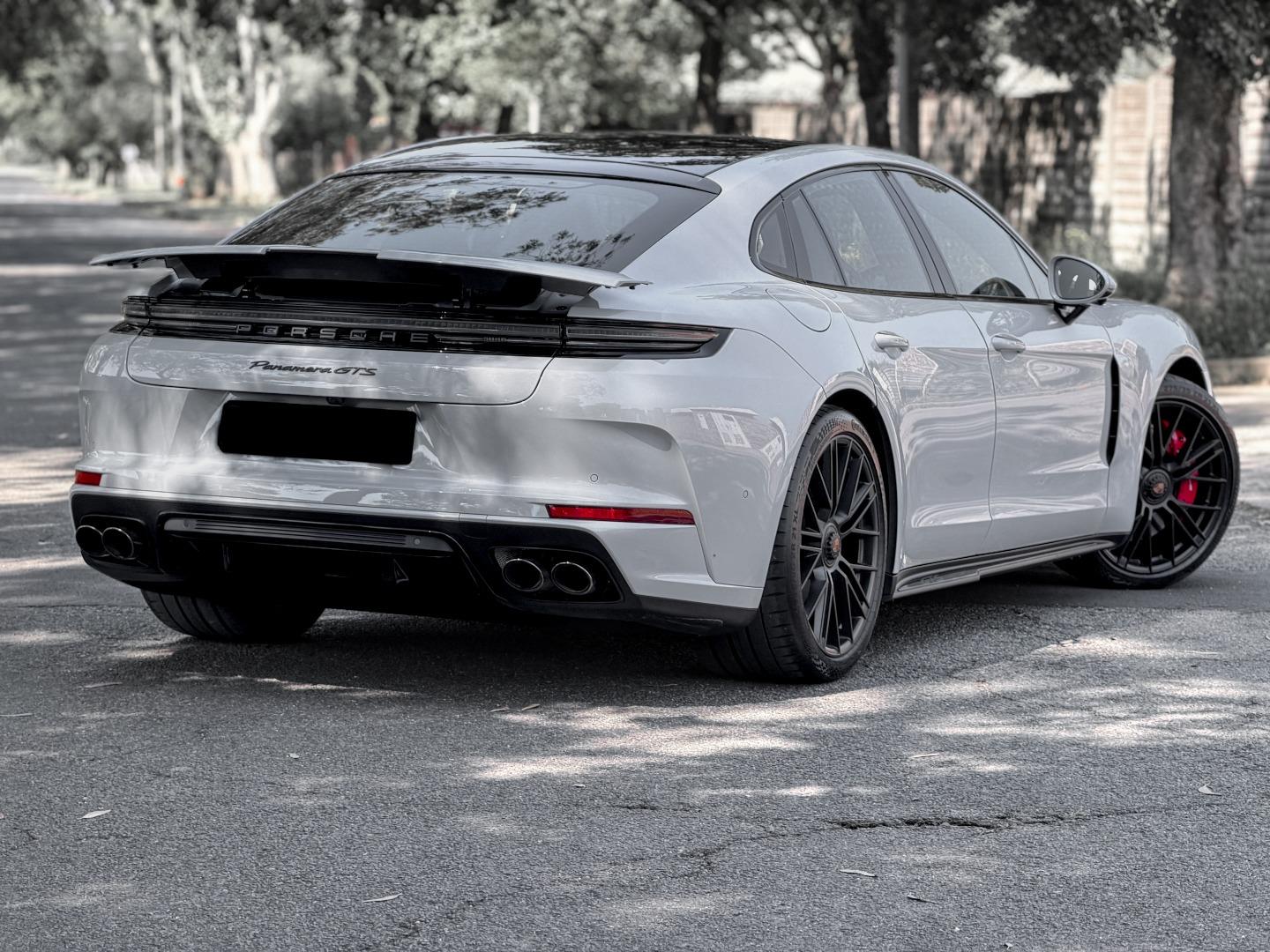
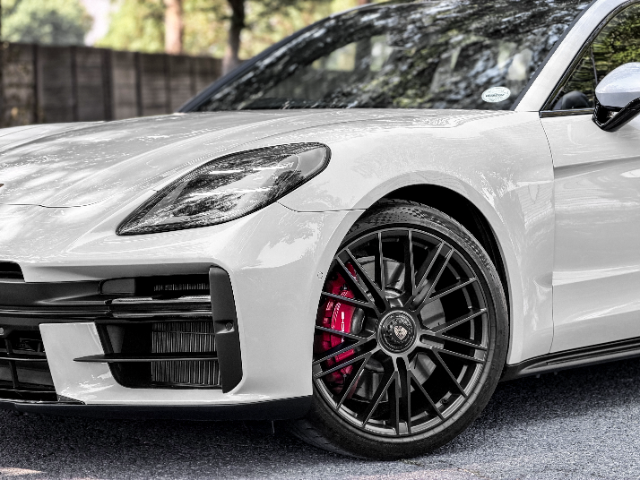
While the Panamera’s overall fastback body shape remains polarising for some, this third-generation model looks sleeker and more aggressive than its predecessors, pulling its design cues closer to the iconic . The GTS trim elevates the aesthetic with the mandatory SportDesign Package and extensive black exterior accents, giving it a purposeful look. Unique visual identifiers include the dark bronze finish on the quad exhaust tips and alloy wheels, which come standard. The revised front fascia features larger air intakes, responding to the V8’s breathing requirements, while the rear light strip and sloping roofline give it a distinct road presence that is hard to ignore, especially compared to traditional three-box saloons.
Drivetrain & performance
Power comes from a 4.0-litre twin-turbo V8 producing and . The V8 is tuned to deliver power linearly, mimicking the responsiveness of a naturally aspirated engine and resulting in more of a crescendo up to the power peak. This is paired with Porsche’s 8-speed PDK dual-clutch transmission and Porsche Traction Management (PTM) all-wheel drive.
The true hero here, however, is the GTS-specific Chassis:
Adaptive Air Suspension: Tuned with a 10mm lower stance than standard models, enhancing agility.
PASM (Porsche Active Suspension Management) provides GTS-specific damper settings that deliver high levels of body control and feedback, enabling this large car to corner with shocking precision.
PTV Plus (Porsche Torque Vectoring Plus): This electronically controlled rear differential lock ensures maximum traction and turn-in agility.
The 0-100 km/h dash takes just 3.8 seconds, which is rapid, especially for a vehicle of this size. It feels every bit as fast, with launch control providing a brutal jolt off the line. The blend of performance and lucury strikes an ideal balance for a sporty saloon car, making this GTS, like its 911 GTS sibling, the proverbial sweet spot in the range.

Interior & technology
The cabin reflects Porsche’s shift toward a highly digitised, driver-centric environment, borrowing heavily from the all-electric Taycan. A -inch curved digital instrument cluster sits behind the GT Sport steering wheel, replacing the classic five-dial layout. The traditional shifter on the centre console is gone, replaced by a small toggle next to the steering wheel, freeing up space. The central -inch touchscreen manages infotainment, navigation, and core vehicle settings. An optional -inch passenger display is available for front-seat entertainment or data viewing, which was fitted to the press car. The infotainment system is among the best in its segment in terms of resolution, ease of use, and functionality, with instant Apple CarPlay connectivity and easy configuration of the digitised instrument cluster.

GTS models feature a sporty mix of Race-Tex (Alcantara) and leather upholstery, covering the sports seats and steering wheel, enhancing grip and sporty feel. Four-zone climate control and ambient lighting ensure the cabin is a luxurious place to be, however, I still find the centre console with its glossy finish to be a fingerprint and dust magnet.

Space & practicality
The Panamera GTS maintains solid everyday usability. As standard, the GTS is a four-seater, with contoured bucket seats in the rear offering excellent comfort and lateral support, though a seating option is available. Due to the GTS being a pure petrol model, it does not carry the large battery of the E-Hybrids. This allows for a competitive boot space, which expands to via the folding rear seats. The hatchback tailgate makes loading bulky items far easier than in a traditional saloon, giving it a practicality edge over the BMW M8 Gran Coupe. The caveat is rear headroom; the aggressively sloping roofline, can feel snug for taller adults in the rear seats.

Safety
Safety features are comprehensive, including airbags ( standard, optional), Lane Departure Warning, Stability Control, and Traffic Sign Recognition. Advanced optional systems like Night Vision Assist and Porsche InnoDrive (Adaptive Cruise Control) further enhance safety.
Fuel economy
Fuel consumption is claimed at

Verdict
The Porsche Panamera GTS is arguably the most desirable car in the Panamera family. It sacrifices the headline-grabbing power and ultimate efficiency of the Turbo S E-Hybrid for a lighter, purer, and more emotionally satisfying driving machine. It delivers blistering performance, incredible chassis poise, and the acoustic soundtrack of a proper V8. If you want the speed of an entry-level sports car but need four doors and a functional boot, the GTS hits the sweet spot of performance, luxury, and driving engagement. It may be firm and the options pricey, but the Panamera GTS earns its exclusive status for the driving enthusiast who requires a degree of practicality.