Isuzu D-Max 3.0 Double Cab 4×4 V-Cross (2025) Quick Review
While we all know that Isuzu'z flagship bakkie can haul, climb, crawl and tow, its price tag, despite being more attainable than many of its counterparts, is a big deterrent. We find out if it's good value for money and also if there's a more affordable alternative elsewhere in the lineup that has the same luxury lifestyle ambience.

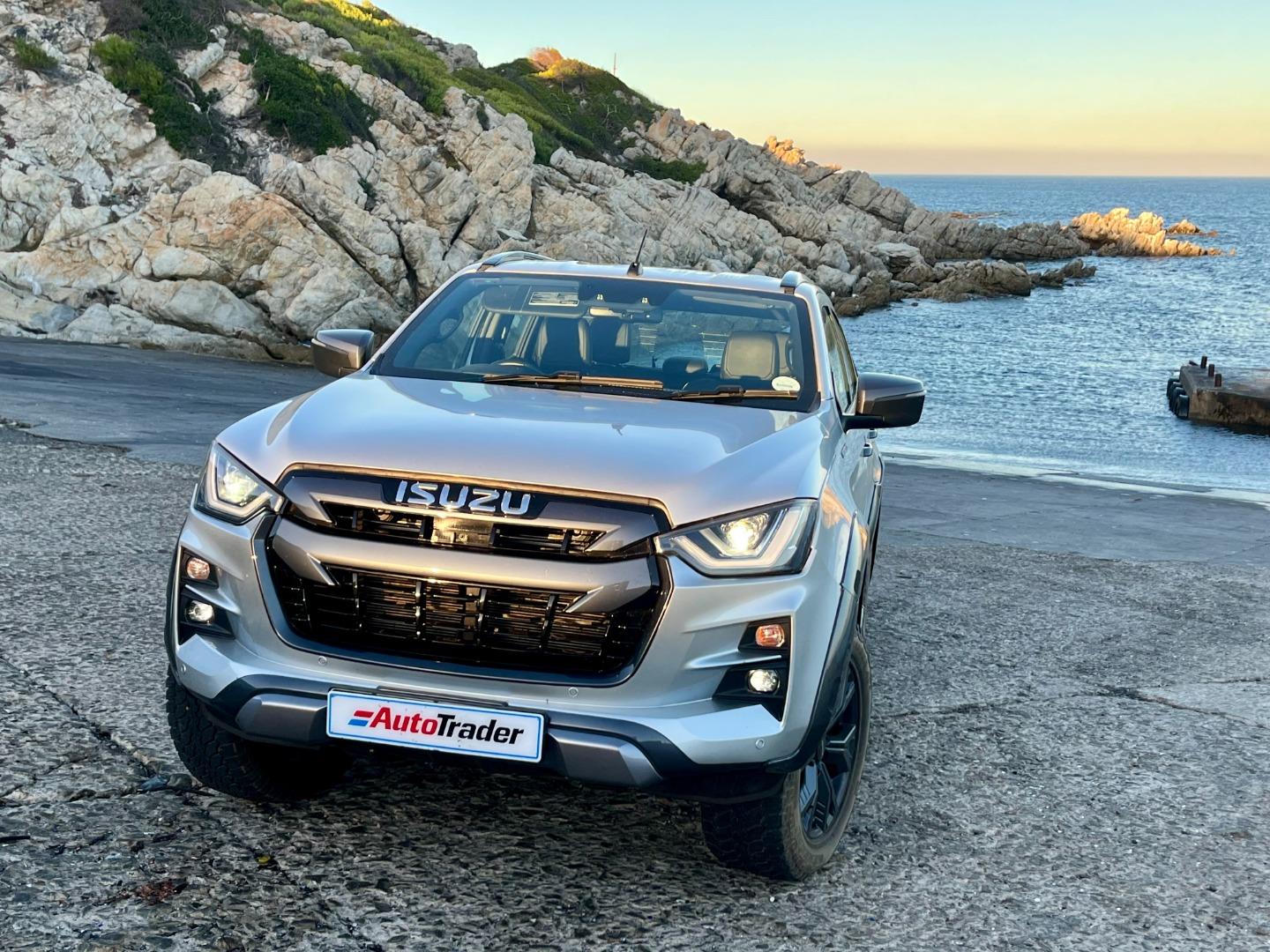
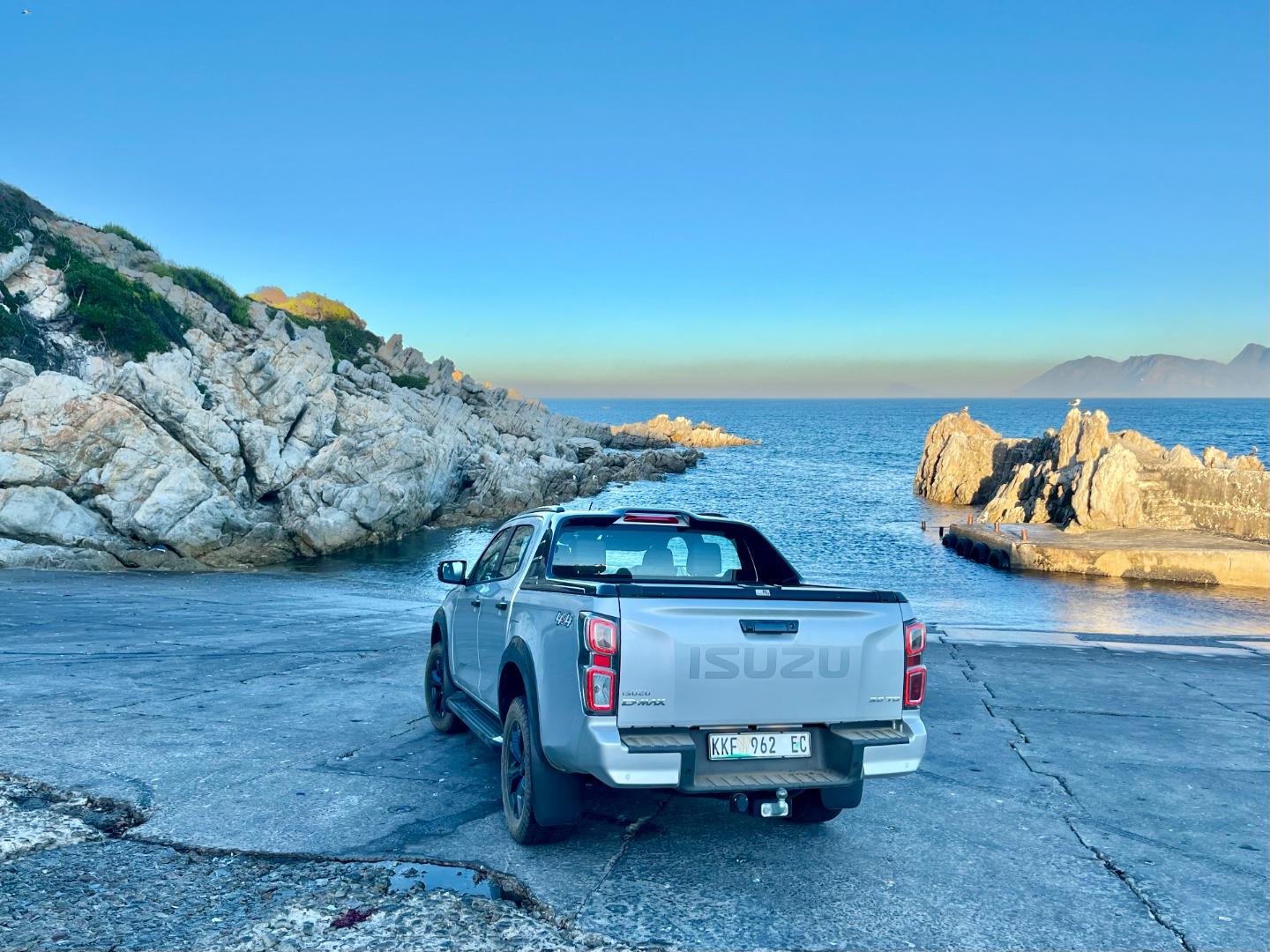
The V-Cross variant of the D-Max is highly desirable but also quite expensive. So, is it terrific value or should you look elsewhere within the Isuzu range? We spent a week driving this luxurious leisure bakkie to come to a conclusion.
Styling
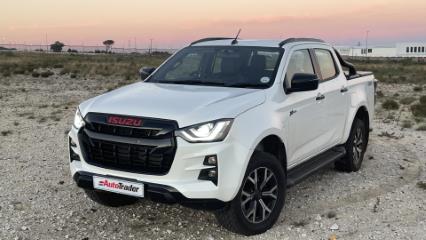
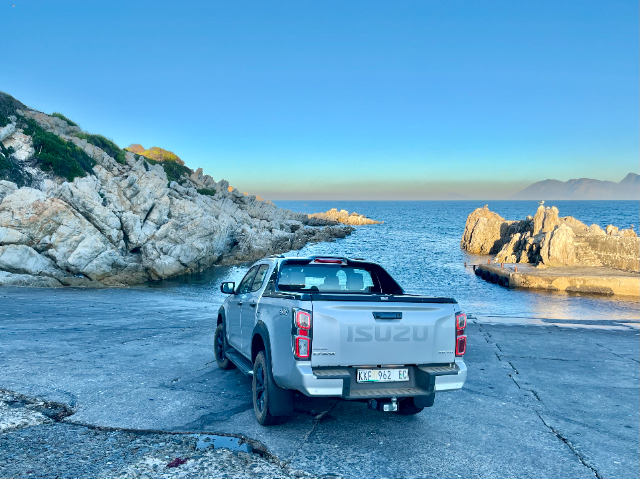
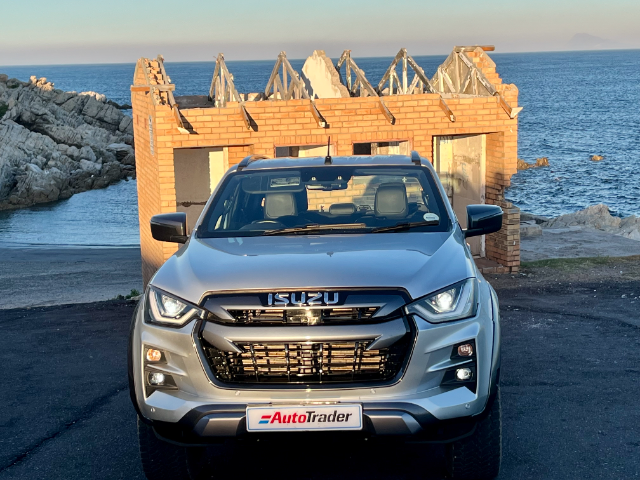
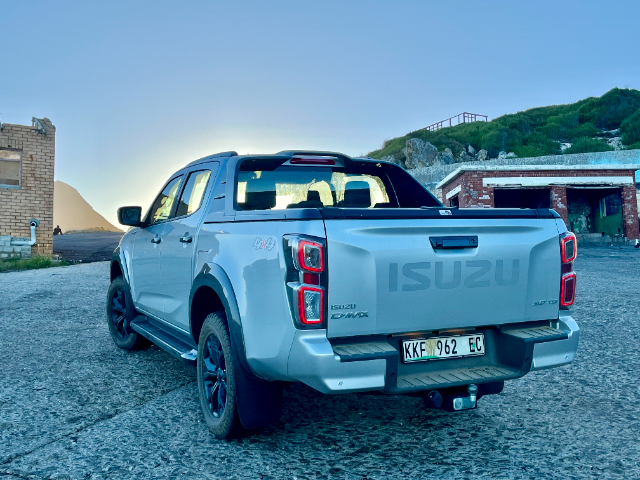
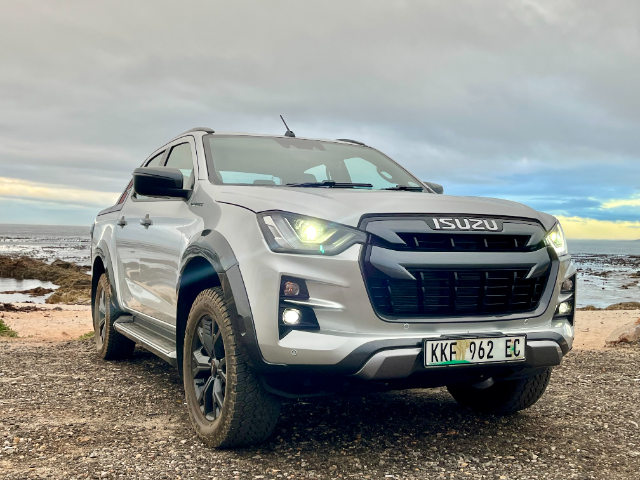
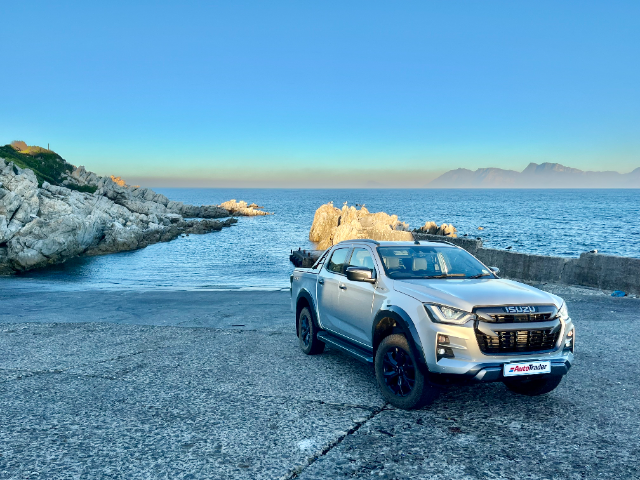
The V-Cross certainly stands out among the ocean of white Ford Rangers and Toyota Hiluxes at school - you can thank Naoyuki Akashi for the design, featuring that robust-looking grille, and 'dragon eye' headlamp design with gunmetal grey accents.
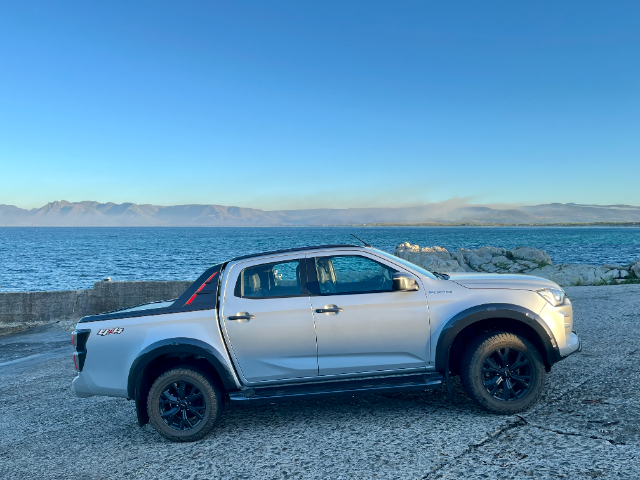
Blacked 18-inch alloys framed by black fender flares add to the general dramatic look, while the hooped sports bar with red accents imparts an athletic vibe. It has a tough but trendy, ready-for-anything demeanour and the two teenagers enjoyed being dropped off at school in this mean-looking bakkie.
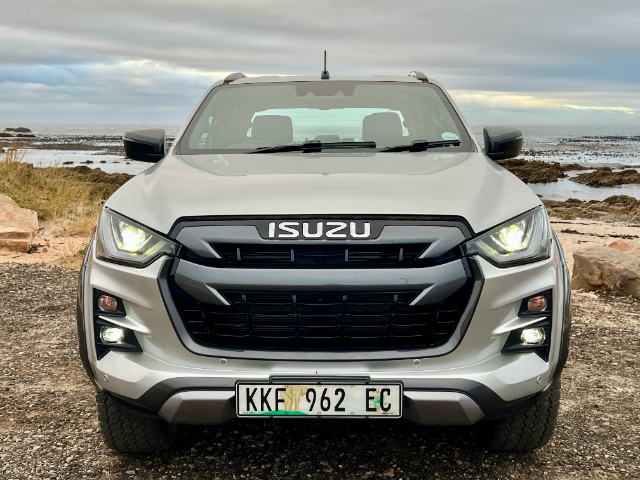
The power-folding side mirrors also get a side indicator, and a blind spot monitor will alert you if you're about to enter a lane with oncoming traffic. LED headlights and LED DRLs round everything off nicely.
Related: Isuzu X-Rider 4x4 A/T 2024 Review
Interior & Infotainment
The interior looks and feels like a high-end bakkie should; even if it's not quite Amarok Aventura quality. The 9-inch touchscreen with piano-style buttons underneath (offering climate control and separate temperature settings for front passengers) keep things clear and simple, and the infotainment system doesn't have too many confusing and unnecessary features.
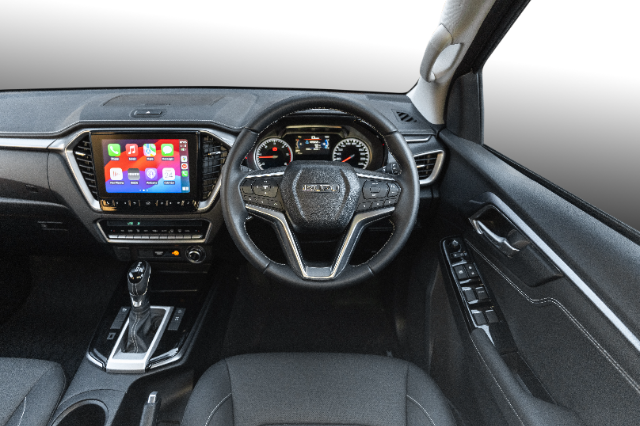
Bluetooth streaming as well as wireless Apple CarPlay and Android Auto ensure general ease of use, while the 8-speaker sound system is decent enough, but admittedly, the JBL system in the Hilux sounds marginally better. USB-A ports (2 in total) can be found up front and in the back.
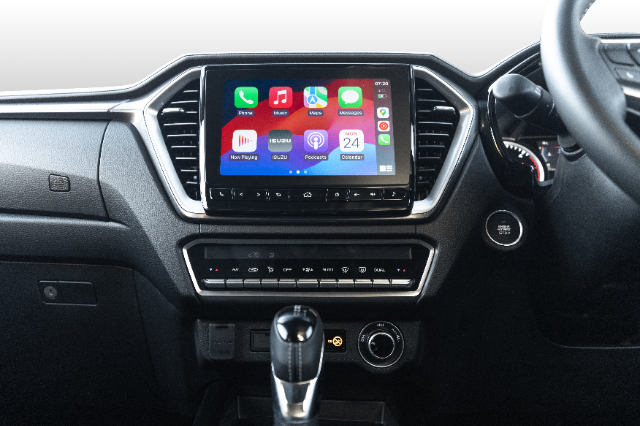
The touchscreen will also display your rearview-camera's picture, although it's not the highest-res one we've encountered in bakkie-land; the Amarok and Ranger screens have crystal clear graphics in comparison and also offer surround view cameras in the top-spec models.
Related: Toyota Hilux 2.8 GD-6 48V double cab Raider Review
Space and Comfort
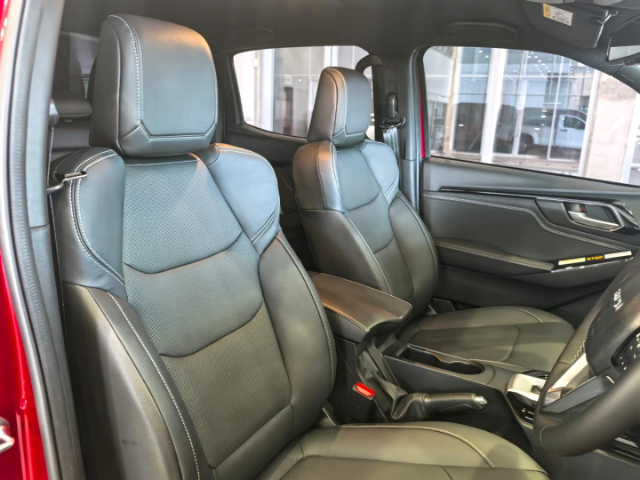
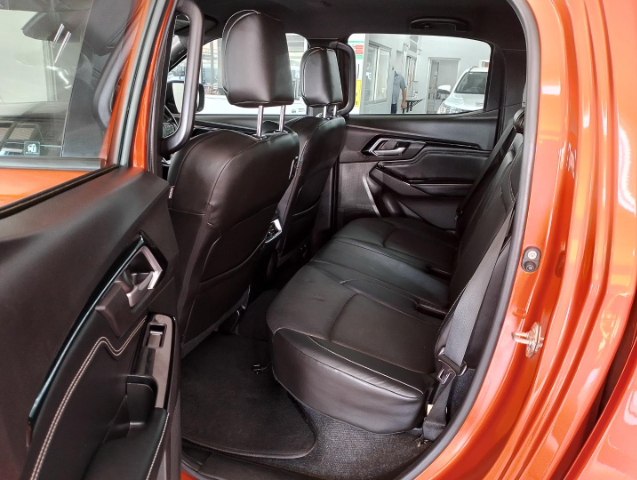
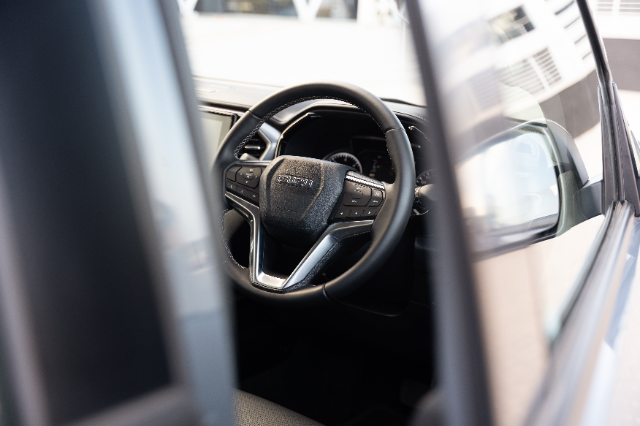
Sit yourself down behind the multi-adjustable Nappa leather steering wheel and you'll immediately feel how well-bolstered the electrically adjustable) seats are, and space in the second row is ample for adult or younger passengers; plus, they have their own air vents and own USB-A port we've mentioned previously. An assortment of binnacles keeps loose items out of the way, including one placed on top of the dash, and the dual glove-compartments on the front passenger's side.
The Drive
The V-Cross bakkie is built for all kinds of surfaces thanks to high-mounting leaf-spring overslung suspension and twin-tube gas-pressurised shock absorbers, but it also rides comfortably on suburban roads (although if a speed bump catches you off guard it may cause a rear passenger to bump his head, but this is a general bakkie complaint). Even the inner city doesn't quench the V-Cross' adventurous spirit, but you'll hear the big tyres squeaking when you turn a corner.
Thanks to the V-Cross's superior positioning in the lineup, of course it has adaptive cruise control and rear-cross traffic alert, but the lane-keeping assistance systems and lane-departure warning functionalities are not the most effective I've encountered, working only for a short period of time and deactivating itself for no apparent reason. One irksome thing about the Isuzu's semi-autonomous tech, is the oversensitive emergency braking that will slam on the brakes and also give you a loud warning, even when you have absolutely no intention of rear-ending the car in front of you.
I would just switch all of that stuff off (although the emergency braking cannot be deactivated), but why pay for it if you're not going to use it, right?
Another cabin highlight is the auto-dimming rearview mirror that prevents you from getting blinded by traffic behind you.
Download the full spec sheet of the V-Cross model here.
Performance
When cruising on the highway, the Isuzu D-Max V-Cross performs with ease, its engine delivering ample power without needing to be pushed to the limit.
The 6-speed automatic transmission shifts smoothly, striking a perfect balance between power and fuel efficiency. In essence, the Isuzu exudes a sense of seasoned reliability, as if it has mastered the art of highway driving over years of refinement.
This bakkie packs a 140 kW / 450 Nm punch from its 3.0-litre, four-cylinder engine, and can tow up to 3500kg. The V-Cross has a payload of 960 kg. Its unbraked towing capacity is 750 kg and it has a wading depth of 800 mm.
Related: For Ranger Platinum review (2024)
Fuel Consumption
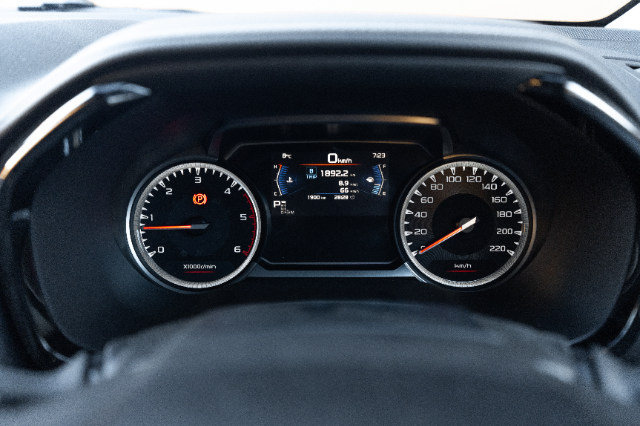
Isuzu rates the 3.0 litre D-Max (4x4) at an average of 8.1 litres per 100 km, and we weren't too far off with a figure of 8.9, without a heavy load in the back or a trailer; just kids and their day-to-day school luggage.
Safety
8 Airbags (including curtain)
ISOFIX Child Seat Anchors with Top Tether
Front and Rear Disc Brakes
ABS (Anti-lock Braking System)
EBD (Electronic Brake-force Distribution)
BAS (Brake Assist System)
ESC (Electronic Stability Control)
TCS (Traction Control System)
HSA (Hill Start Assist)
HDC (Hill Descent Control)
- Attention Assist
Other features include rain-sensing wipers, a heated rear screen, keyless entry and start, roll-over protection bars, high-beam assist, and a towbar, along with the aforementioned safety assistants.
The D-Max is also not as popular with hijackers as the sought-after Toyota Hilux or the Ford Ranger.
Price
The D-Max 3.0TD double cab V-Cross 4x4 has a list price of R925 600. Its closest competitors include the Toyota Hilux 2.8 GD-6 48V double cab 4x4 Legend at R921 800, and the Toyota Land Cruiser 79 4.2D double cab (R934 600).
From the Ranger stables, the 2.0BiTurbo double cab Wildtrak 4x4 will cost you R983 000 and the Volskswagen Amarok 2.0BiTDi double Cab Style 4Motion, retails for R966 500.
The Verdict
There's a reason why Isuzu's sell consistently well in South Africa.
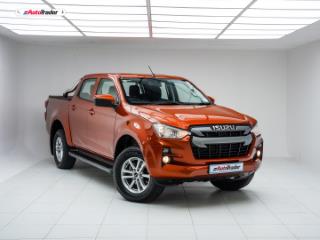
Although I love the V-Cross, there's no real reason for me to drop R925 600 on one; instead, I will look toward the D-Max 3.0TD double cab LSE 4x4, at R878 200, with its extensive list of specs and features that doesn't include the self-driving gadgetry, but has all the same passive safety features and most of the luxury features found in the V-Cross model, including the larger touchscreen. It just makes more sense!