Ford Ranger 2.0 SiT Double Cab XL 4x4 Manual (2025) Review
The XL represents the pragmatic, workhorse end of the Ford Ranger line-up. While its flagship siblings wear luxury badges and high-tech gear, the XL focuses on durability, core 4x4 capability, and value. Priced right at the heart of the double-cab 4x4 market, I recently drove one of these locally-made models.


This model competes directly with segment stalwarts and rising contenders. It features a 2.0-litre single turbodiesel engine and a traditional 6-speed manual gearbox. Does it offer enough firepower and features to stand out in the crowded R700 000 price bracket?
Fast Facts
Styling and interior
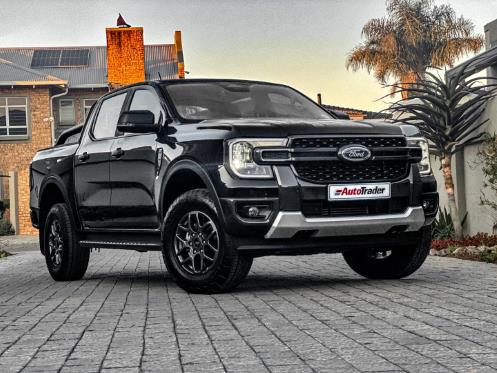
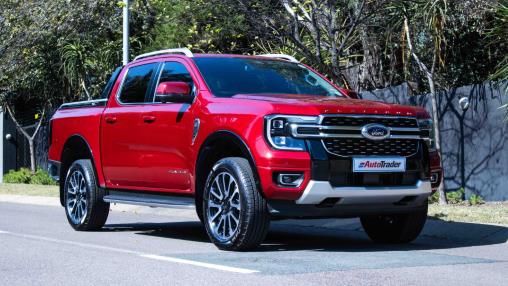
The current generation Ranger maintains a strong road presence even in the entry-level XL trim. While chrome is absent mainly (replaced by black plastics on the grille, door handles, and mirrors), the broad-shouldered design ensures it looks modern and imposing, although you know you're looking at the base model when viewing the lights.

Inside, the XL is rather basic. Hard plastics dominate the dashboard and door panels; however, the centrepiece is Ford’s vertically oriented touchscreen infotainment system, which, while smaller than on high-spec models, integrates key vehicle controls and connectivity. Unlike its automatic rivals, the manual transmission focuses the cabin on driver engagement. The seats are cloth, but offer good support, and the floor is protected by standard rubber mats, confirming its status as a proper work tool.

Performance and drive
The 2.0-litre Single Turbo (SiT) engine is the entry point to the Ranger's modern diesel line-up, but is far from meek. Producing 125 kW and 405 Nm, it offers significantly more power and torque than the entry-level engines from its closest Japanese competitors (Hilux and D-Max). The engine is a gem, providing strong performance and solid fuel consumption of around 8.7 L/100km throughout our week with the car. The 6-speed manual gearbox is a defining feature for purists and those who demand complete control over the drivetrain, especially for towing and off-roading. The shift action is generally positive, but the manual transmission requires the driver to manage the torque band, which requires some thought, as there is some perceivable lag.

What impresses me each time I drive the current generation of Ranger is how well the engine and gearbox vibrations are damped, with very little clatter or shake discernible from behind the wheel. The Ranger's refined chassis and independent front suspension deliver a noticeably comfortable on-road ride compared to previous generations. It feels composed on the freeway while retaining the durability needed for rough roads.
Practicality and off-road capability
As an XL 4x4, the Ranger delivers on its utility promise:
Load Box: Features practical touches like tailgate clamp pockets and a tailgate with lift assistance, improving usability.
Towing: A class-leading 3 500 kg braked towing capacity is standard.
Off-Road: The XL is equipped with an Electronic Shift On The Fly (ESOF) 4x4 system and a mechanical rear locking differential as standard. With 237 mm of ground clearance and an 800 mm wading depth, it is ready for most terrain but would need all-terrain tyres for the serious stuff.

Safety
Safety is strong, featuring Dual Front, Side, and Curtain airbags. While the XL misses out on advanced driver aids like Adaptive Cruise Control and Lane-Keeping Assist found in higher trims, it includes crucial systems like ABS, ESC, and basic driver assistance features.
Pros and Cons
| Pros | Cons |
| Segment-leading power/torque: 125 kW/405 Nm output is a significant advantage over Hilux and D-Max 2.4/1.9-litre rivals. | XL interior trim: The cabin is hard-wearing and basic; it misses key convenience features and soft-touch materials of XLT/Wildtrak grades. |
| Refined chassis: Offers arguably the best on-road ride comfort in the segment. | Basic equipment: Spec is limited compared to high-spec models or the feature-rich GWM P300. |
| Manual engagement: The 6-speed manual transmission offers reliability and driver control, which is ideal for heavy-duty use. | Price point: At R703 000, it sits high for a manual workhorse, especially against the better-equipped GWM. |
| 3500 kg Towing: Excellent load-hauling credentials. |

Key rivals
The Ranger XL is positioned in a critical space, competing against established heavyweights and aggressive newcomers.
Competitive Analysis
The Ranger holds a key advantage over the Hilux and D-Max in the power stakes, giving it better highway cruising and overtaking ability at this engine tier. However, the Hilux is slightly cheaper, and the D-Max comes standard with an automatic transmission at a similar price point. The GWM P300 LTD is the most significant challenger. Its 2.4-litre engine offers 135kW and 480Nm, paired with a 9-speed automatic transmission for less money than the manual Ranger. Buyers prioritising pure performance and luxury features for the price will look strongly at the GWM, while those focused on Ford's brand reputation, superior towing dynamics, and aftermarket support will lean toward the Ranger.

Verdict
The Ford Ranger 2.0 SiT Double Cab XL 4x4 manual balances workhorse capabilities and modern road manners. It combines the new-generation Ranger's refined driving experience with an engine that punches above its weight in this segment, offering the best output among its traditional Japanese rivals. While the GWM P300 LTD provides superior power and features for slightly less money, the Ranger XL’s proven 4x4 pedigree, better-resolved on-road ride, and excellent mechanical layout (including the robust 3500kg tow rating) make it the safer, more established choice for the buyer who needs a long-term, capable, and comfortable workhorse. The Ranger XL is a solid choice for the buyer who needs a workhorse that also offers some creature comforts.