South Africans bought and sold many, many cars last year. In 2025, 383,410 used vehicles changed hands through our platform, with a combined value of R160.1 billion. That's a 7% jump on 2024, and it's the kind of number that makes you want to know exactly who was buying what, and why.
So we dug into our own data, and here is what stood out.
Bakkies still win on sales, but hatchbacks are creeping up on the inside
If you only look at what sold, the used market looks reassuringly familiar. The Ford Ranger, Volkswagen Polo Vivo and Toyota Hilux were our top three sellers overall, and the Ranger held onto its title as the most-enquired vehicle on our platform for the year. Bakkie culture in Mzansi isn't going anywhere, and honestly, we'd be worried if it did. If you're still stuck choosing a side in the age-old Ranger vs Hilux debate, our Toyota Hilux or Ford Ranger quiz and our full Toyota Hilux buyer's guide will settle the braai-table argument for you.
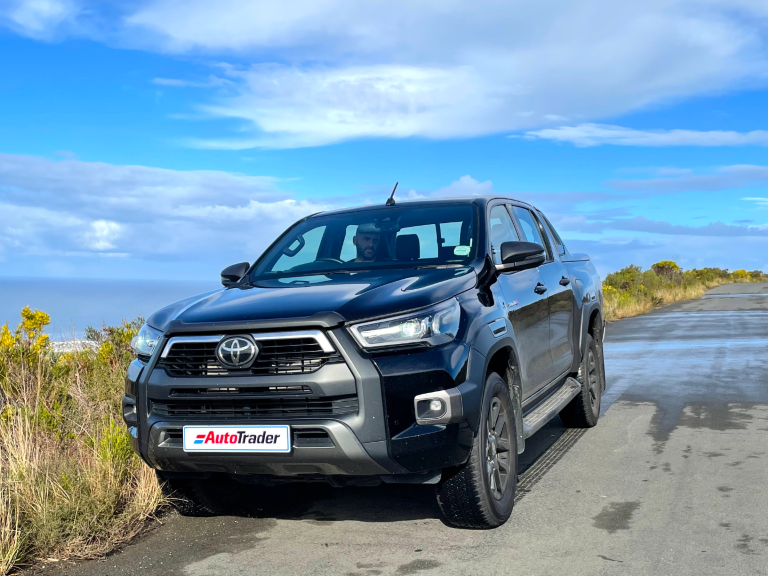
But search behaviour tells an interesting story. The Volkswagen Polo overtook the Hilux as our most-searched model, ending the bakkie's long reign at the top. BMW also reclaimed its place as our most-searched brand, racking up 76 million searches over the year. Make of that what you will.
Meanwhile, compact hatchbacks quietly had themselves a moment. The Suzuki Swift was our fastest-selling used vehicle in 2025, averaging just 26 days from listing to sale, with the Toyota Starlet not far behind. Lower running costs and smaller price tags are doing the heavy lifting here, and buyers have clearly noticed.
So while bakkies remain the backbone of used vehicle sales, plenty of South Africans are window-shopping for smaller and cheaper, even if they'd never admit it out loud.
Prices stayed relatively stable, even as sales grew
Here's the number that surprised us most. Even with sales value up 7% year-on-year, the average used vehicle price only rose 3%, landing at R417,584. That's a market growing because more people are buying, not because prices are creeping up behind everyone's backs.

A few things kept the lid on:
- Four interest rate cuts through the year (January, May, July and November) took 100 basis points off borrowing costs, easing monthly repayments on vehicle finance
- The average model year moved from 2019 to 2020, but the average vehicle age held steady at five years, so buyers weren't necessarily paying more for older stock
- Average mileage sat at 73,646km, in line with previous years
Our CEO, George Mienie, sums it up better than we could: the modern South African car buyer has changed, and the market is now value-driven rather than brand-driven.
Why does this matter if you're buying or selling?
If you're buying, this is good news. More stock, steadier prices, and cheaper finance mean more room to negotiate and a lot less pressure to overspend just to wear the right badge.
If you've been quietly cross-shopping a bakkie against a hatchback and feeling a bit silly about it, don't. Our data says you're in good company. We've tackled that exact dilemma before in Are bakkies good first cars?, worth a read if affordability is doing most of the deciding for you.

If you're selling, a solid, well-kept bakkie won't sit on the market long, so there's no reason to panic-price it. But don't sleep on the compact segment either. A tidy Swift or Starlet with low mileage will likely sell quicker than you'd expect. See exactly where your bakkie sits in our top 10 best-selling bakkies in South Africa roundup.
What to expect heading into the latter part of 2026
2025 was a strong year for South Africa's used-car market, but not because prices ran away with us. It grew because more buyers found their way to more affordable options, and interest rate relief finally gave them room to breathe. Bakkies aren't losing their crown any time soon, but the hatchback comeback is real, and we'll be keeping a close eye on it through 2026.
Ready to see what's out there? Browse used bakkies and hatchbacks on AutoTrader and find your next car.