When it comes to time to trade up into a new car, you have two options; you can trade in your current vehicle at the dealership or you can sell privately. The trade-in price you receive from the dealership will be lower than a private sale and sometimes it’s easier if there is residual finance on the vehicle. If you are going to sell your car privately to get the best price, we’ve put together a comprehensive guide to doing just that. Here's what you need to do to get your car ready for a private sale.
You can also sell your car through AutoTrader Instant Offer:
We have made it easier (and safer) than ever to sell your car, with the introduction of our new Instant Offer service. After following this simple 3-step process, you will get a market-driven valuation for your car within minutes, and a solid cash offering within hours – safely, conveniently, and with total peace of mind.

1. Fix all the defects
If you want to get the best price for your car, you are going to have to fix all the defects, cracked windscreens, light lenses, mechanical faults and maintenance items like brakes and tyres. These will need to be replaced before you can sell. It’s not the law, but you will get a better price and feel better about the sale afterward. Worried about the costs? Then check out this article to figure out an estimate of how much would it cost to fix car-dents.
2. Get a mechanical certification
By taking the vehicle for a mechanical certification at an approved service centre, you can cancel two steps in one; they will give the car a once-over, let you know all the things that need to be repaired, and often they can undertake the repairs as well; and at the end issue you with a mechanical certification, proving that the vehicle is in tip-top shape.
3. Get a full-house valet
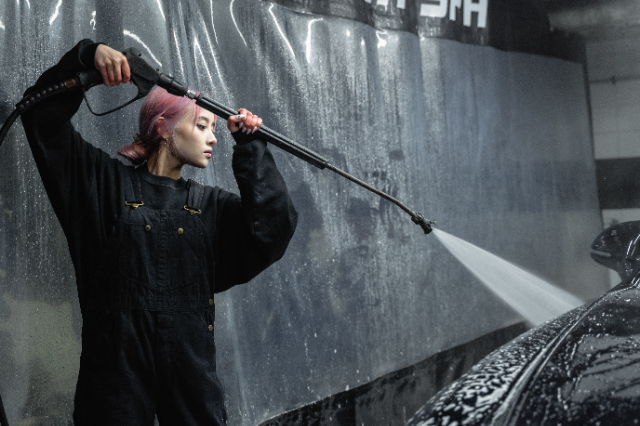
A clean car makes the best impression on prospective buyers. It sends the right kind of message and adds greatly to making that sale. A dirty car will turn off potential buyers faster than a light switch.
4. Set a realistic price
Now that the car is clean inside and out and in tip-top mechanical condition, you will need to set your price. This can be confusing but is actually a simple task. On AutoTrader, we have a variety of tools available to help you advertise at the right price. By using AutoTrader's free valuation tool, we will give you the estimated value of your car. If your vehicle is not listed, you can visit AutoTrader's sales site to get an idea of what the retail price is for similar models on the floor, see what they are asking for those models, and price yours accordingly. You can use our handy car valuation tool here to easily value your car.
5. Place a good advertisement
Be thorough when placing your advertisement. Take good quality photos that show off the best assets of the car from multiple angles as well as interior and close-up shots. Your description should be concise and highlight the best qualities of the car. Add any attractive extras such as Bluetooth, roof rails, or parking sensors, etc.
6. Viewing and test drives: Be careful and sensible
Now that you’ve received lots of phone calls and emails about your car, you will need to meet with the potential buyers and let them test drive the car. Let’s not forget that we live in South Africa are criminals and charlatans are around every corner, so suitable protection and safety precautions need to be made.
Meet in a secure, public location such as a petrol garage, parking area in front of a well-known shop or even the service centre that did the mechanical certification.
Never meet the buyer alone or at night. When test-driving, bring a passenger with you, they can sit in the back, while you sit in the front passenger seat.

7. Payments - watch out for scammers!
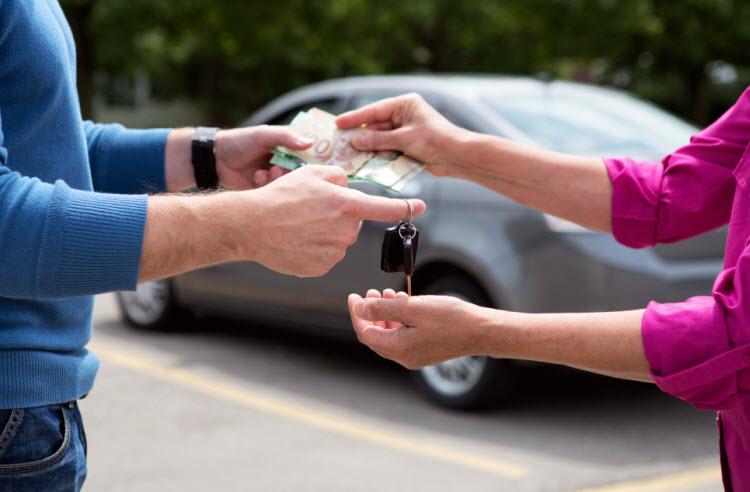
Now that a deal has been struck and the buyer has committed to the purchase, payment needs to be made. Naturally, cash is king and you should insist on an EFT as payment. Do not accept cheques or deposit slips. Only release the vehicle once the full amount is reflected in your account.
8. Draw up a sales agreement
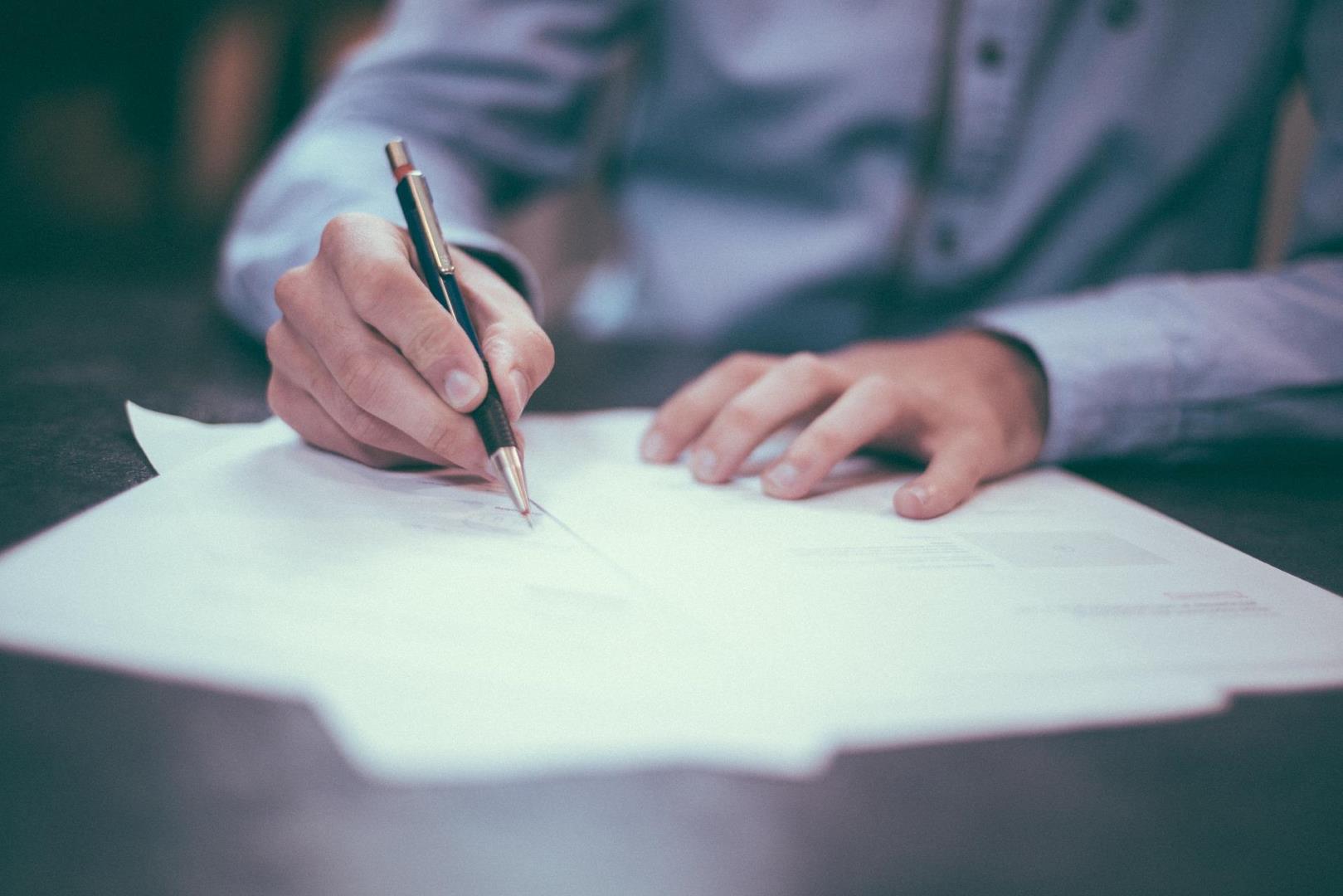
It is advisable to draw up a sale agreement between yourself the buyer which indicates what, when and between whom the sale has taken place. This becomes a legally binding document and will most likely be required by the registering authority. The sale agreement should show also indicate if there are any exclusions or inclusions around the sale such as accessories or known defects.
Your sale agreement should also include a clause stating that any fines incurred during the transfer will be the responsibility of the buyer if they take delivery of the vehicle. It pays to remember that terms such as “voetstoots” or “As is” no longer carry any weight under the new CPA (consumer protection act) and the Lemons law might not apply

9. Sort out the paperwork
As well as the sales agreement, the buyer should receive a folder full of paperwork. It is your responsibility as the seller to provide these items.
A roadworthy certificate valid for 6 months, the blue and yellow forms from the traffic department, the original E-natis registration and ownership papers, copies of IDs and the mechanical certification should all be attached.
As the seller, you should make copies for yourself and also fill in a yellow form and submit it to the traffic department.
10. Delivery of the vehicle - have a checklist ready
Now that the sale has been concluded, the buyer takes delivery. Ensure that everything is as it was decided upon during the sale. Have a checklist that the buyer signs off on to avoid any comebacks.
You’ve sold your vehicle, hopefully for the price that you wanted!
Now it's time to take it easy and have a browse on AutoTrader to find your new car.