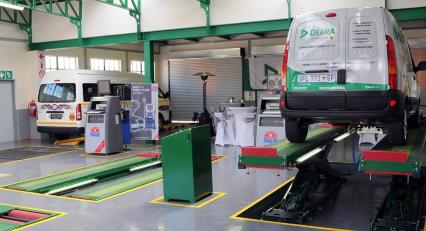


Trading in a car is a customary way of upgrading to a newer model with lower mileage and better features. It allows you to offset the purchase price of the new car and is often a lot easier than selling your current car first. While it is true that you will often receive more for your current vehicle if you were to sell it privately, the loss is offset by the convenience and efficacy of a trade-in at a dealership.
Related: Selling your car vs Trade-In
Recent times have seen many of us having to rethink our financials as job security and pay cuts make their way through the economy. Many have been forced into downsizing everything from their houses to their cars, finding ways to tighten the belt even more than usual. AutoTrader noticed that at the start of the pandemic, new vehicle sales were down and used vehicle sales were up; a sure-fire sign that South Africans were trading in their newer car for more affordable, used examples.
Can you trade in a new car?
While that question isn't entirely accurate as any car that you trade in will be a 'used' car, the sentiment of trading in a newer car for an older one exists. While trading in isn't simply a case of switching out one set of keys for another, the process can be completed with almost all dealerships. Should you be wanting to get out of your existing, newer car, you will be able to trade it in on an older vehicle.

Cost implications
A little extra time needs to be taken when considering how this trade in will affect you and this has to do with the amount that you owe on the car and not its purchase price. If you recently bought a car for R200 000, you may owe the back R220 000. That's the interest applied to your finance agreement and the amount that you are responsible for. You will still be liable for most of this amount and it will be laid out in your statement as the settlement amount, the amount required to settle your account.
Dealerships will also not be able to offer you the full purchase price for your trade-in as the vehicle has been used. This will usually result in a shortfall when settling the account. This shortfall will be added to the price of the next car you wish to finance, increasing the total cost when entering into a new finance agreement.
For example:
You bought a new car for R200 000. Your outstanding balance is now R220 000. Settlement amount is R210 000. You wish to trade in the vehicle and the dealer offers you R180 000. That leaves you with R30 000 that you still owe the bank. This R30 000 has to be added to the price of the car you wish to trade in for, and this car costs R100 000. You will have to enter a finance agreement to the value of R130 000 which, once interest is added to, comes to R156 000 total (shortfall plus interest on the new car's purchase price).
This can bump your monthly instalments higher than you were anticipating.