Do electric cars need servicing?
Electric cars do their job exceptionally well, transporting us in comfort and silence as we travel from point to point. What is required when it comes time to service it? We look at why electric cars need servicing less frequently and what to expect from a service.



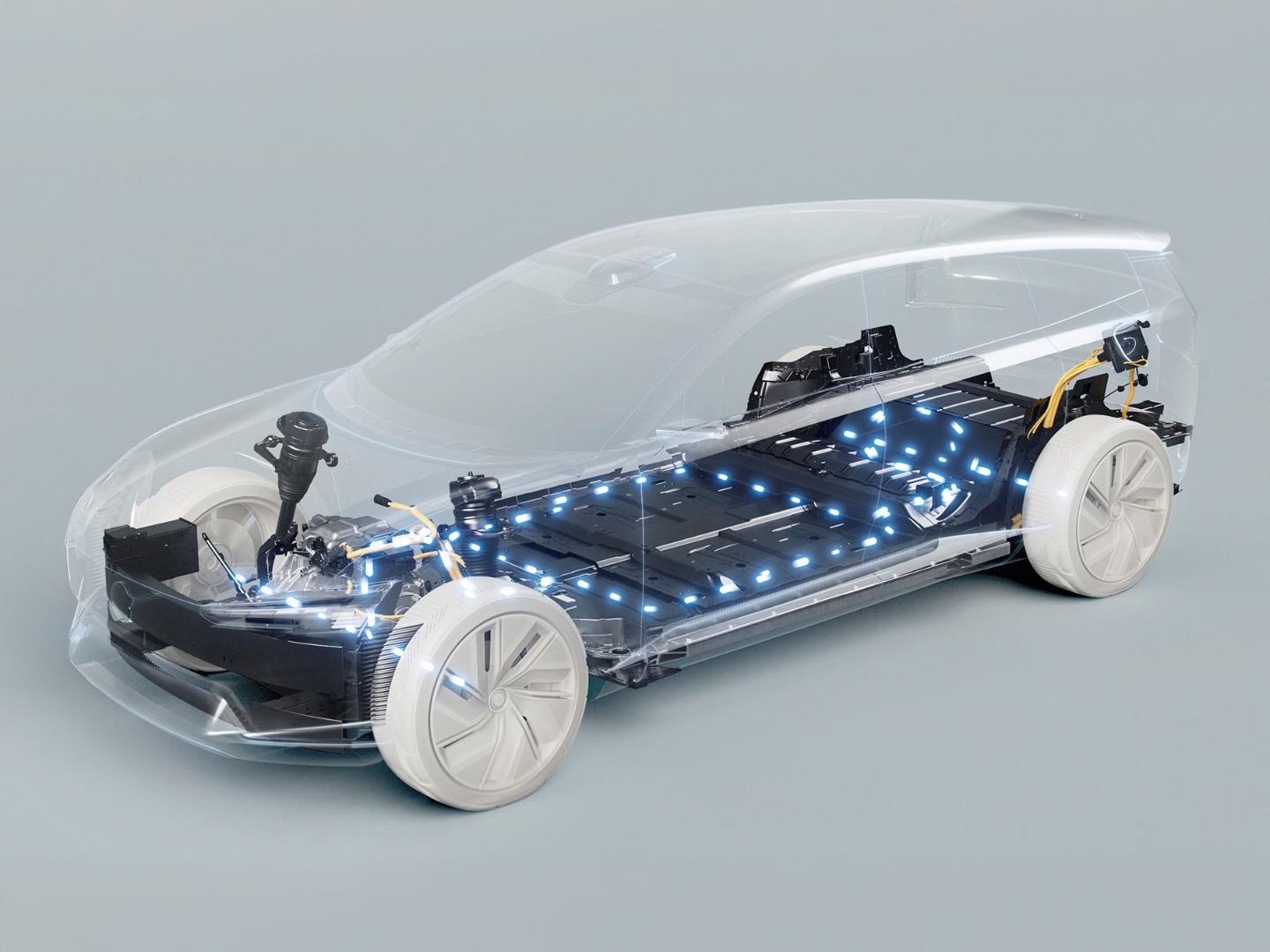

Say what you want about electric cars, but the concept certainly has a few undeniable benefits. Amongst the low running costs, silent operation and inherent safety are the near-zero maintenance required when operating an electric vehicle (EV). Electric cars' very nature means there are far fewer things to worry about.
Related: Are electric cars cheaper to maintain?
While electric cars and cars with internal combustion engines (ICE) do the same job of transporting you from one place to another, the way they achieve this is somewhat different. Whereas ICE vehicles rely on the synchronous harmony of hundreds of moving parts all working together in unison, relying on precise timing and controlled fuel burn, and EV employs magnetic fields to spin the motor, using far fewer moving components. As a result, there is less to go wrong and fewer components that would ordinarily require attention.

Servicing electric cars
A service on a traditional ICE vehicle will see the mechanic or technician changing the motor oil that lubricates the internal components of the engine along with its filter. The oil is required as numerous metal components have to rub up against each other. The oil helps ensure that the friction doesn't wear out the metal and reduces the heat generated by the components passing by each other. This oil is passed through a filter to help keep it clean and extend its life; this filter has to be changed as well.
The filter that ensures that only clean air, free of foreign bodies, enters the engine also has to be changed. A blocked filter is restrictive, hampering the engine's performance, making it work hard and use more fuel.

Spark plugs eventually wear out as well, and the fuel filter needs changing, too. If the service is a little more serious, then the brakes may need attention and some of the belts that help time the operation of things. These components are designed to be replaced, as nothing lasts forever. Rather, replace the cheaper items than run the risk of having to replace more expensive components. Electric cars don't have all of these components because they work differently from petrol or diesel engine vehicles.
All that is really required when servicing an electric vehicle is a brake fluid change every so often. The brake pads and discs themselves last longer as the electric motor does a lot of the braking force as part of the energy regeneration. The only other true consumable is windscreen washer fluid.

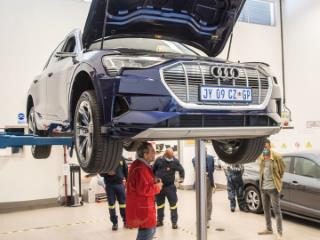
Admittedly, some newer EVs have liquid-cooled battery systems, but this system is also low on maintenance and will be checked when you book your electric car for service. Hinges and bushes will be lubricated, and the chassis and suspension will be inspected. The software will also be updated at the same time.
Because electric cars don't have as many requirements as an ICE vehicle, some models are suggesting that the vehicle only be serviced when a certain amount of mileage has been covered; this is known as condition-based servicing. The car itself will alert you to when a service is required, so there may be no need for an annual or mileage-dependent service.