If you’ve ever stared at a fuel slip in horror and wondered whether your car has a heavier drinking habit than you initially thought, the fuel consumption formula is what turns that gut feel into a solid number. Once you know that number, you can track your car's usage more closely and work out a realistic monthly fuel budget.
Related: Best hybrid SUVs and crossovers for SA fuel prices
SELL YOUR OLD CAR TODAY - Here's how!
How to calculate fuel consumption in L/100 km
L/100 km is the format you see in brochures and online spec pages, and it answers a simple question: how many litres does my car use to drive 100 km? To get that answer, you use this idea:
Fuel consumption in L/100 km = (litres used ÷ kilometres driven) × 100
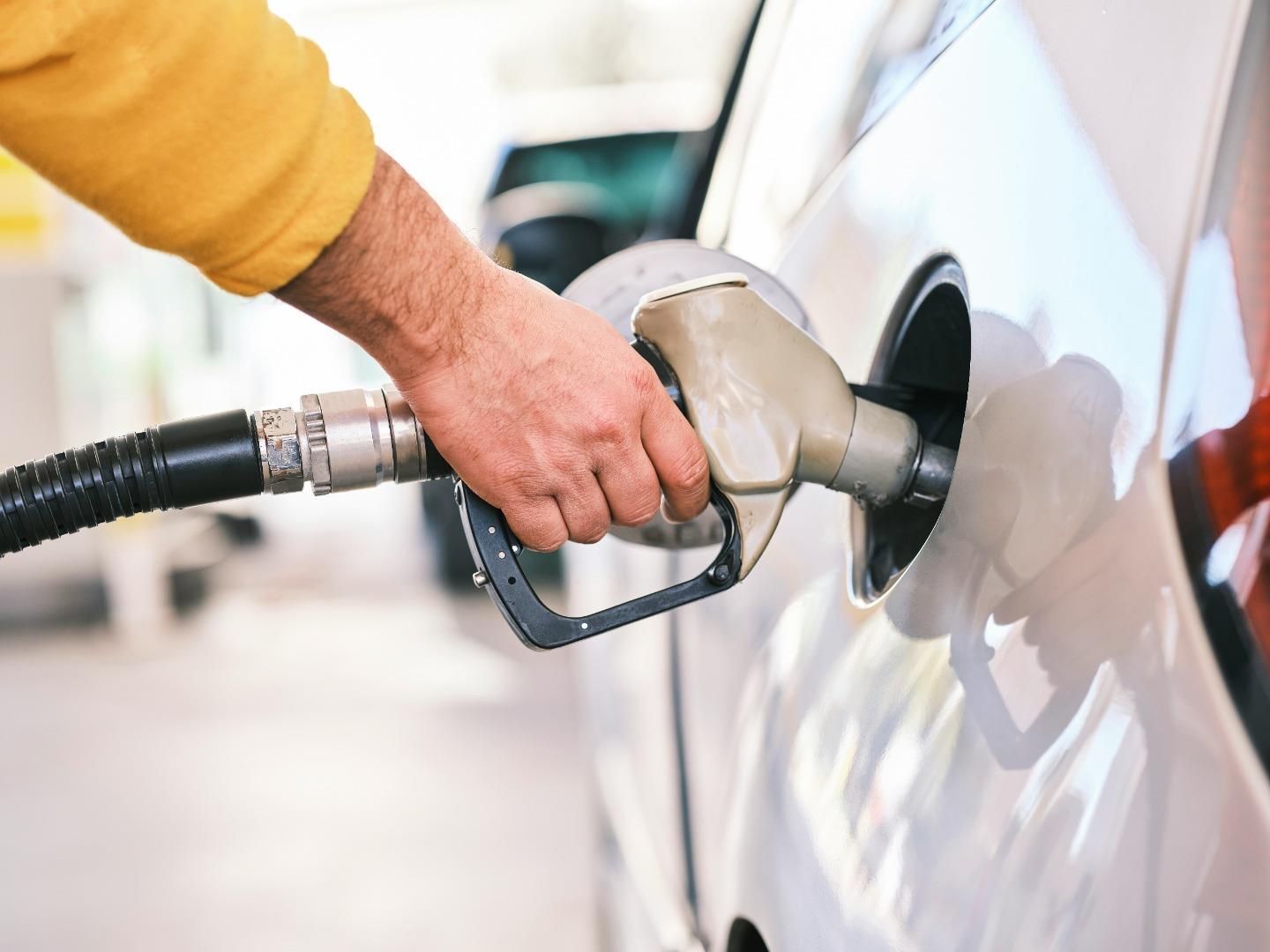
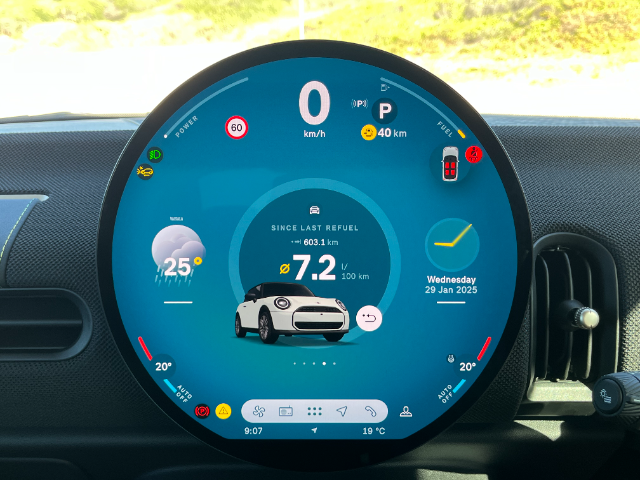
In practice, you fill the tank, reset the trip meter, and drive as you usually do for at least a couple of hundred kilometres. When you fill up again, you take the litres from the pump and the kilometres from the trip. If, for example, you drove 520 km and put in 36 litres, you’d do 36 ÷ 520 × 100 and get about 6.9 L/100 km.
Related: 21 Fuel-saving tips for drivers
How to calculate fuel consumption in km per litre (km/L)
Kilometres per litre flips the same information around and answers a different question: how far can you drive on one litre of fuel? The idea here is:
Fuel economy in km/L = kilometres driven ÷ litres used
Using the same trip as above, you drove 520 km and used 36 litres. This time, you just do 520 ÷ 36. The answer comes out at 14.4, which means your car is giving you roughly 14 km/L. It’s the same data, just expressed in a way that some drivers find more intuitive.
Related: Fuel quality is being increased in SA
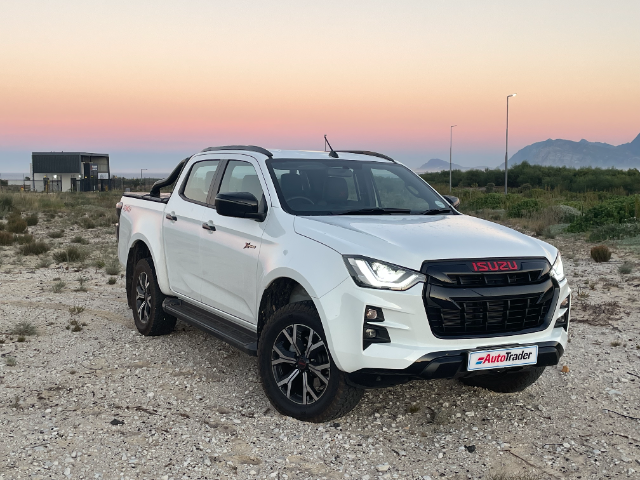
How to use fuel consumption to estimate monthly fuel costs
Once you know your L/100 km or km/L, you can plug in your monthly distance and the current fuel price to work out what you should be spending on fuel. That’s where the maths stops being theoretical and starts biting into your budget.
Take that petrol car on roughly 6.9 L/100 km. If you typically drive about 1 500 km a month, you’ll use about 103 litres. Multiply that by an inland petrol price of around R20.75 per litre, and you land close to R2 150 a month. With a diesel bakkie at about 9 L/100 km and diesel at roughly R18.40 per litre, the same 1 500 km would use around 135 litres and cost just under R2 500.
Related: The most fuel-efficient cars in SA in 2025
Why your real fuel consumption is higher than brochure figures
If your carefully calculated number doesn’t match the glossy brochure figure, that doesn’t mean you did the maths wrong. Official consumption figures are achieved in controlled tests, on a rolling road, with gentle acceleration and steady speeds. Real‑world South African driving is full of short trips from cold, traffic, hills, wind and the occasional heavy right foot. (For a more realistic consumption figure, I usually add an average of about 2 litres per 100 km, so if the brochure says 6.5L/100 km, I use 8.5.)
On top of that, most of us drive with passengers, luggage, prams, sports gear, roof racks or trailers at least some of the time. Under‑inflated tyres, overdue services and bad alignment all quietly add drag and push up your fuel use. The only way to get an honest picture is to measure your own driving over several tanks and watch how your habits, routes and loads shift the numbers.
Best hybrid SUVs and crossovers for South African fuel prices
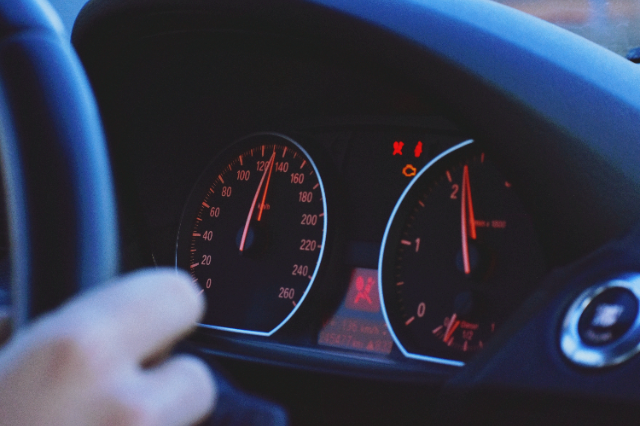
Fuel consumption formulas table (quick reference)
| What you want to know | Format | Simple formula (text only) | What it tells you |
|---|---|---|---|
| Fuel consumption in “spec sheet” format | L/100 km | (litres used ÷ kilometres driven) × 100 | How many litres does your car use to drive 100 km |
| Fuel economy in “distance per litre” format | km/L | kilometres driven ÷ litres used | How many kilometres do you get from each litre of fuel |
| Convert L/100 km to km/L | km/L | 100 ÷ your L/100 km number | Turns a brochure figure into distance per litre |
| Convert km/L to L/100 km | L/100 km | 100 ÷ your km/L number | Turns your “km per litre” into spec‑sheet format |
| Monthly litres from L/100 km and distance | litres | (your L/100 km ÷ 100) × kilometres driven in the month | Rough total litres you’ll use in a month |
| Monthly fuel cost from litres and price/ litre | rand | litres used in the month × price per litre at the pump | Rough monthly fuel spend based on your own consumption |