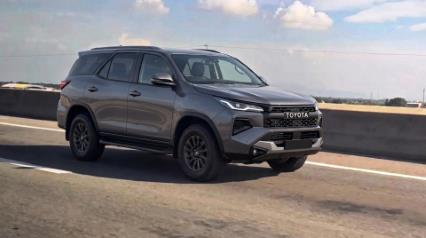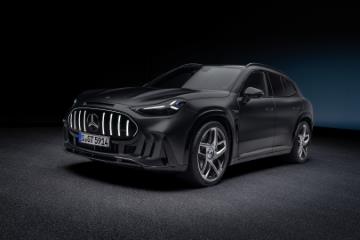


There are so many body styles available in the automotive marketplace today. It's gotten to the point where they now blend into each other, thanks to manufacturers adopting global platforms. Some styles have found appeal with a few customers,s namely the crossover. However, this does blend into the hatchback body style. So let's demystify some of that for you.
Related: Car body types guide

The Crossover
The Idea of the Crossover is not entirely recent. It stretches back to the 70s in the USA, where crossovers spawned as an offshoot of the SUV. It started when SUVs, amongst journalists and manufacturers, are generally defined as vehicles with a body-on-frame, and an example of such is a ladder frame. Though the crossover term was coined when an SUV used a unibody platform, the term wasn't widely used. Recently, though, the crossover in the South African landscape has followed European trends, where it's defined as a hatchback with a raised ride height and SUV styling features. So for the sake of this article, I'll go with the European definition.

The characteristics of a crossover typically include a raised ride height and the hallmarks of SUV styling, such as body cladding covering the front and rear bumpers and the wheel arches; sometimes you'll even get roof rails. They tend to employ an outdoorsy style, indicating they're equipped for the great outdoors, but you also get more urban-style crossovers that omit the outdoor aspect and focus purely on a larger size compared to a hatchback. Practicality-wise, crossovers generally have a bit more space than your average hatchback. Regarding driving dynamics, you'll get handling similar to that of a hatchback or sedan. Ride comfort is a must with these, depending also on the size of the tyre profile fitted. Generally, these vehicles lean towards soft ride comfort, so you'll see higher-profile tyres fitted. If you opt for the sportline and sports model, you'll find lower-profile tyres.
Crossovers nowadays don't seem limited to just hatchbacks; they've stretched into other body styles too, such as Coupe-Crossover SUVs, for example,e and some manufacturers have even coined their own terms like 'SAV' (Sports Activity Vehicle)
Examples of crossovers:
The Hatchback
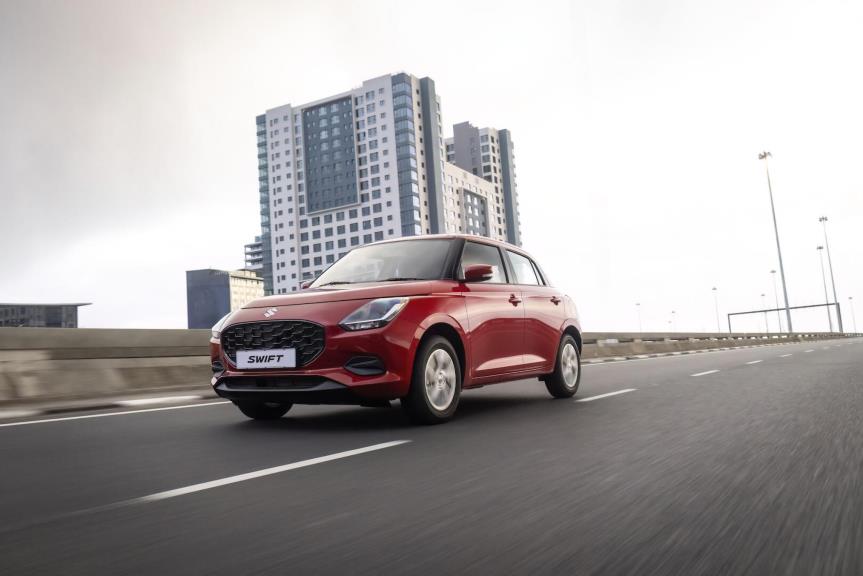
This body style goes way back to famous cars like the Mini Cooper. Simply put, a hatchback is a compact vehicle with a rear door that opens upward to access the main interior.
The characteristics are as follows: These vehicles are compact. The boot area is part of the interior, unlike in a sedan, where it is separate from the cabin. Hence why you hear hatchbacks being coined as '55-door vehicles. The 5th door is essentially the boot lid. To differentiate, a sedan is a 'three-box design' (Engine, cabin, boot area), three separate volume areas. In contrast, a hatchback is a 'two-box design' (Engine and Cabin), only two separate volumes, but the boot area and cabin are combined.

You also get hatchback body style extensions, such as station wagons or estates, which offer extended rear legroom and a larger boot area with an upward-swinging boot lid. Liftbacks have a more sloped roofline but still retain the upward-swinging boot lid. Finally, notchbacks most closely resemble a sedan in that they're a three-box design, but with a very short boot lid that makes them look almost like a hatchback.
Examples of hatchbacks
Example of a Liftback
Examples of a notchback

So what's the difference then?
Crossovers, in modern-day terms, differ from hatchbacks in their sizing, sometimes styling and practicality, but only really base themselves mostly on the standard hatchback formula. Whereas hatchbacks are typically smaller, they have body extensions that still keep them within the look and two-box design setup. They blend into each other, though, depending on the manufacturer.