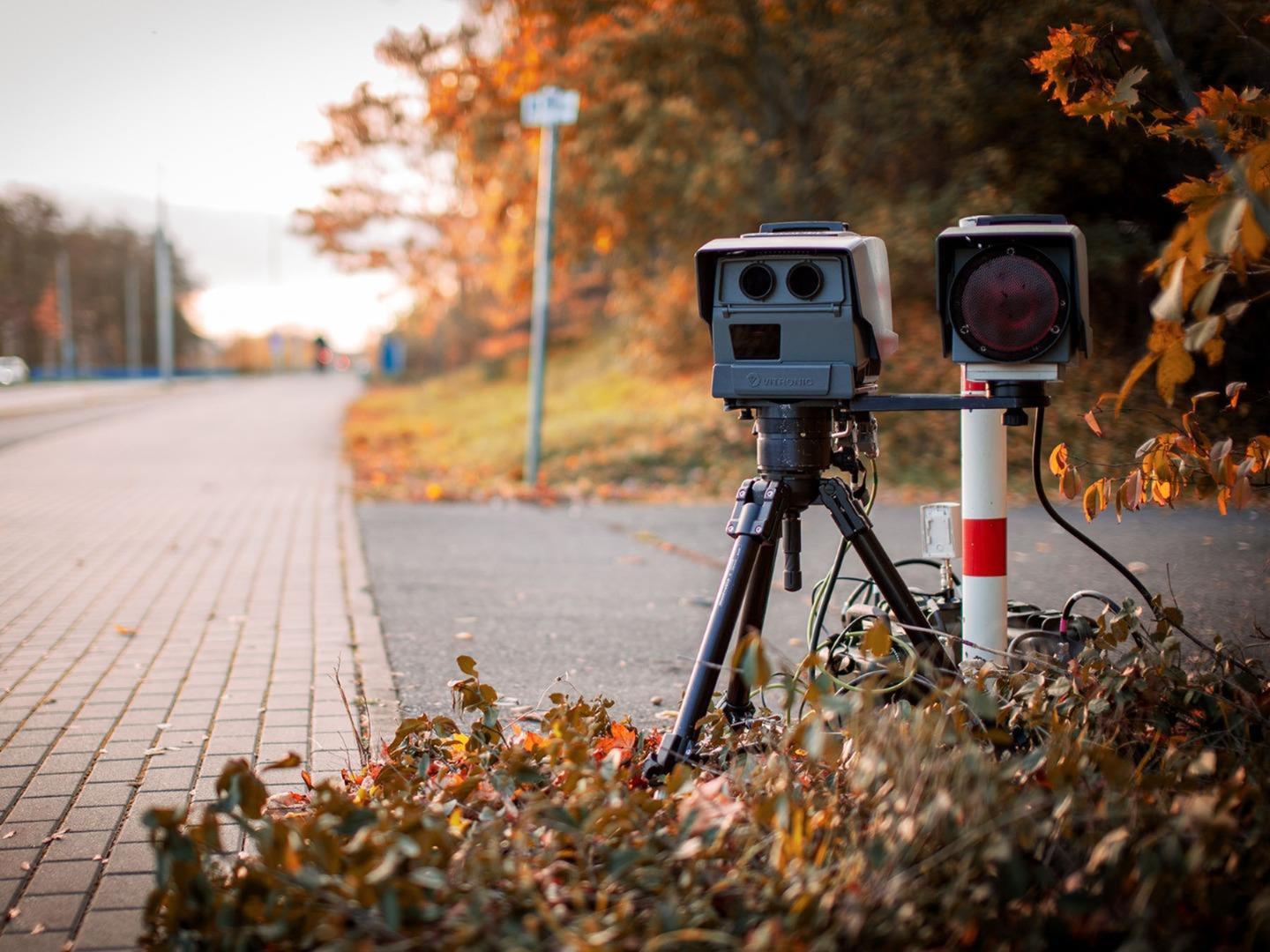
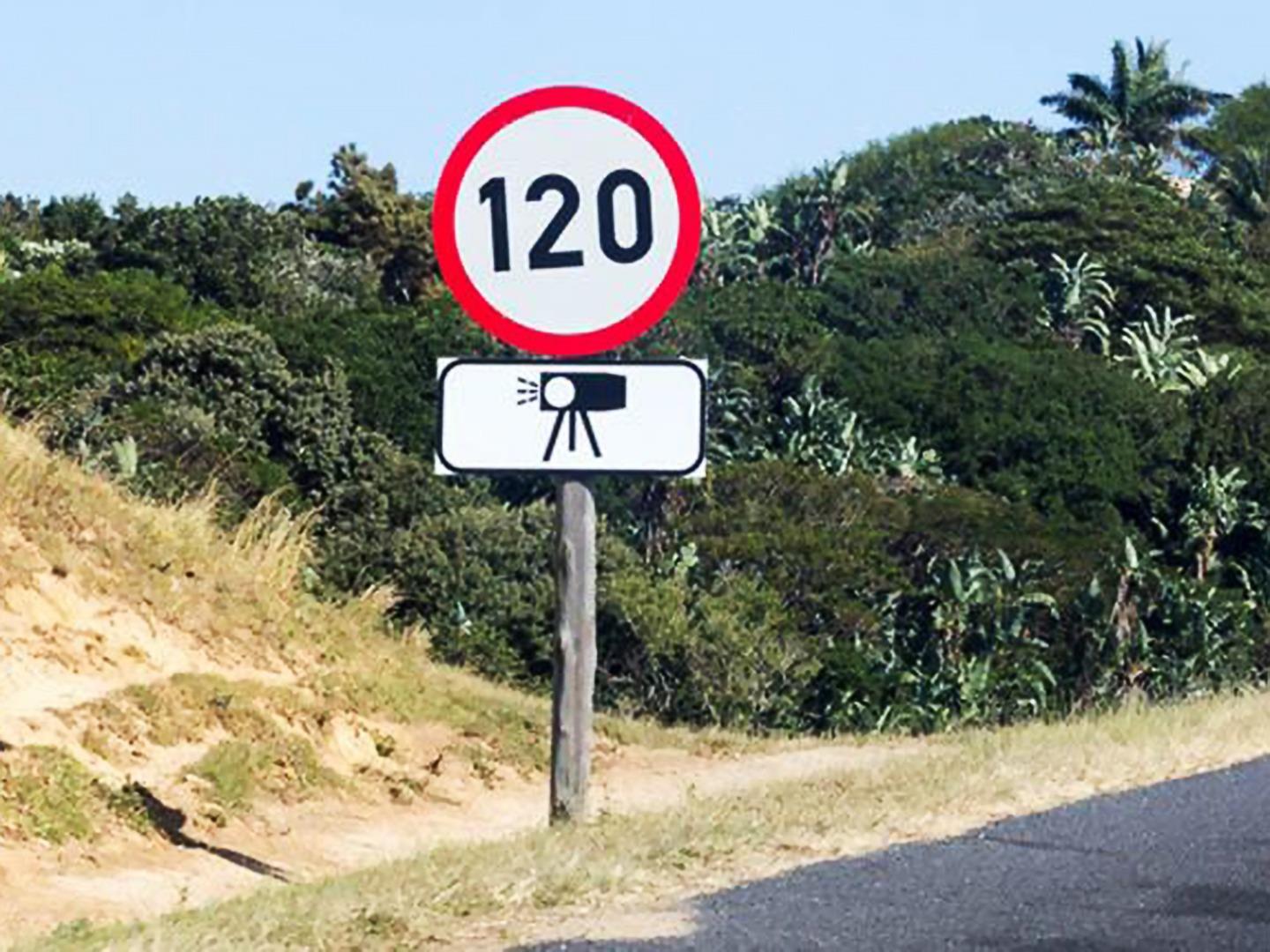
A speed limit tolerance is a grace given by the enforcing authority when fining or prosecuting for going over the speed limit. In other words, it's “wiggle room”. If prosecuting authorities were to fine us each and every time we go 2 or 3km/h over the speed limit, they would be inundated with paperwork, making money unnecessarily, and we would, understandably, be quite upset.
Related: What is the speed limit in the absence of any signs?
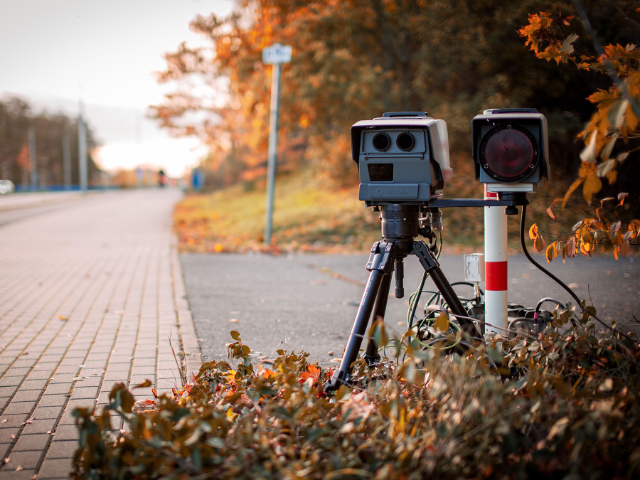
But why does it exist?
The speed limit tolerance is there to account for irregularities. This can be anything from an incorrectly calibrated speedometer to a slight downhill that sees the car's speed naturally creep up. Of course, we are supposed to be attentive enough not to let the speed get away from us, even on a downhill, but these things happen. In the name of keeping traffic flowing and the road user content, there is a little bit of leeway in the system.
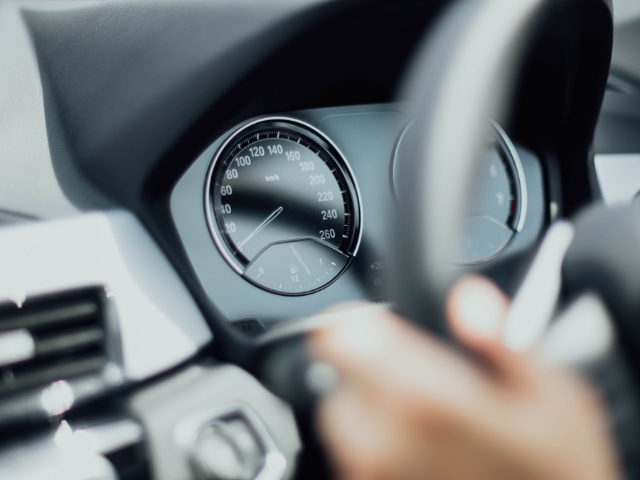
Your speedometer may not be as accurate as you think. Even from the factory, the speedometer can be out by as much as 7%, often under-reading, but in many cases over-reading. This could mean that you are doing 127km/h even when your speedo says you're doing 120km/h on the dot. Tyres wear down, too, which can cause a variation in the readout.
Related: What is the speed limit around schools?
What does the South African law say about tolerance?
The speed limit tolerance in South Africa is 10km/h. While it used to be 10% of the speed, it was simplified to allow for a smoother and more efficient system to be used.
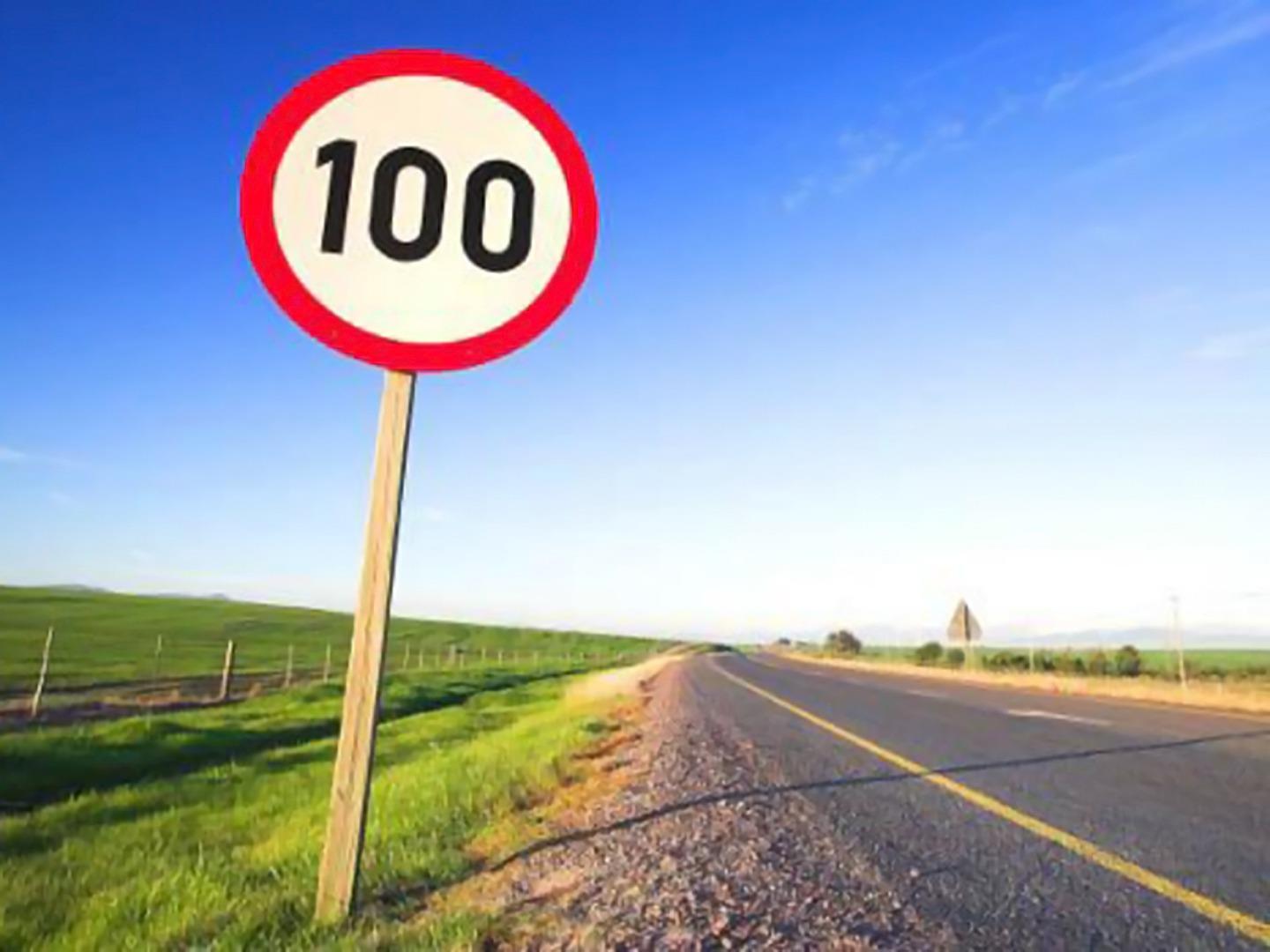
This means that you will only be fined if you are caught going over 10km/h faster than the posted speed limit. In a residential or urban area where the speed limit is 60km/h, you will be fined for anything over 70km/h. On a public road outside of an urban or residential area, you will be fined from 110km/h as the speed, unless otherwise stated, is 100km/h. This means that you are breaking the law on the 120km/h highways by travelling faster than 130km/h.
Related: What is the speed limit when towing a caravan?
This doesn't mean that you can actually do 70, 110 and 130km/h respectively. Speed is a major cause of accidents and fatalities, and it is always best to stick as close to the posted speed limit as possible to avoid being too fast or too slow for the surroundings.
You will be arrested and criminally prosecuted should you exceed the speed limit by 30km/h in an urban area and if you exceed the speed limit by 40km/h outside of an urban area or on a freeway. This can lead to serious fines without the option of admission of guilt; your license can be suspended and will be suspended if you are a repeat offender.
Therefore, it is not worth the risk to speed. The chance of ending up with a criminal record is not worth the few seconds it may save you. Rather, don't risk your life and that of others by speeding and gauge your surroundings, adjusting your speed accordingly and in conjunction with the posted speed limit and the laws of the road.