Cruise control, it's a feature that you would only find in luxury vehicles long ago, and the history stretches back to the early 1900s. The primary function of cruise control is merely controlling speed automatically by using a servomechanism to take over the car's throttle to keep a steady speed. The exact speed is set by the driver, and you can take your foot off your car's accelerator once engaged. Over time, cruise control has evolved thanks to the advancement of car technology.
Related: Which car battery charger is the best?
Cruise control is an invaluable feature for highway and open-road driving. It can even help with your fuel economy, resulting in fewer speeding tickets thanks to speed regulation, and you can focus more on the road.
The History of Cruise Control
Cruise control appeared in vehicles like the Wilson-Pilcher, an English car company, back in the early 1900s. As expected, the system was rudimentary, using a lever on the steering column to set your desired speed. American car company Peerless improved on this system by using a governor to maintain speed in uphill and downhill scenarios. Fast forward to the mid-1900s, and modern cruise control began to to show itself with much credit to Ralph Teetor. The inspiration behind modern cruise control for Ralph was due to him being irritated with his driver's habit of erratically speeding up and slowing down while he was talking, which resulted in a jerky drive. Ralph was a mechanical engineer, and since he was already experienced with mechanisms, thanks to being a big player in the automatic transmission, he looked for a solution to fix his driver's jerky driving.
After much work over several years, Ralph secured a patent for a "Speed control device for resisting operation of the accelerator" in 1950. It went under a few names, with the most popular being 'Controlmatic' and 'Speedostat', to name a few. The Chrysler Imperial was the first car to use Ralph Teetor's cruise control invention under the name 'Auto-pilot', but then the name 'Cruise Control' was soon adopted. Since then, it has been a mainstay in automotive technology and features. Today, we see the evolution of this in the form of adaptive cruise control, which makes use of radars, cameras, and numerous pieces of computer technology.
Cruise Control Operation
To explain it simply, modern cruise control systems dictate that the driver must bring the vehicle up to the desired speed, use a button to activate and set the cruise control to the current speed. Basically, a cruise control system works by the system taking a speed signal from a drive mechanism, be it a wheel speed sensor from the engine's revs, speedometer cable or even a rotating driveshaft. Some speed signals can even be obtained from internal electronic speed pulses. Once the signal is obtained, you can set a steady speed. The next advancement in modern-day systems, at least, uses electronic systems like 'drive by wire' throttle to maintain the vehicle's speed. In the 1980s, at least, cruise control systems would maintain the desired speed by pulling the throttle cable using a solenoid or a vacuum-driven servomechanism. In some cars, when the cruise control system was active, you could physically see the accelerator pedal adjust to maintain speed. Nowadays, cruise control systems are usually integrated into the car's computer.
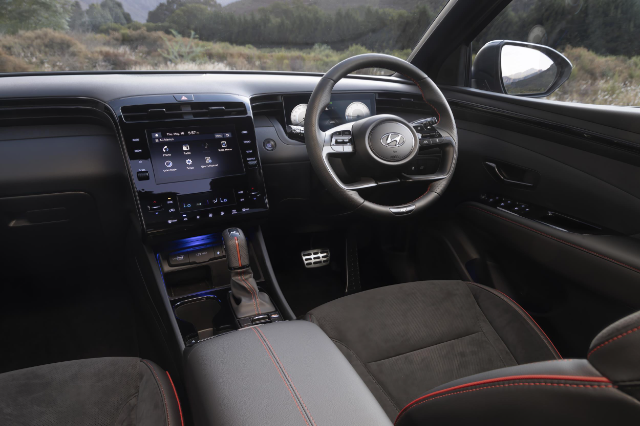
At some point, you'd need to turn off your cruise control, so naturally, all systems are capable of being turned off when the driver presses the brake or, even in the case of a manual transmission car, press the clutch. That or you can deactivate the system via the controls in the cabin. Also, many systems include a memory feature where if you press the brake and the system disengages, you can press the 'Resume' button on the cruise control system controls to return to the previously set speed. While the system is active, you can still accelerate your car, but when you let off the pedal, the vehicle will slow down to the set speed.
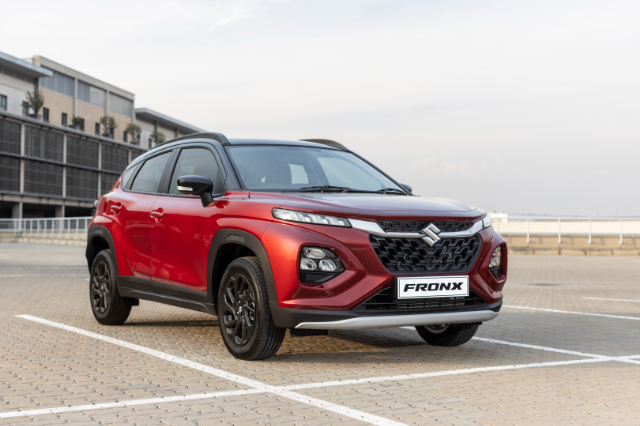
The basic controls are as follows:
- Upon pressing the 'Cruise Control Icon' button, the system will now turn on.
- 'Set' - In some cars, this can simultaneously turn on the system and set your desired speed to be maintained.
- 'Cancel' - This cancels the set speed but doesn't turn off the system. Pressing the brake pedal has the same effect.
- 'Res' - Short for resume, this reactivates the system and returns to the previously set speed.
- '+-' - Used to adjust your cruise control speed in increments.
Modern-day Cruise Control
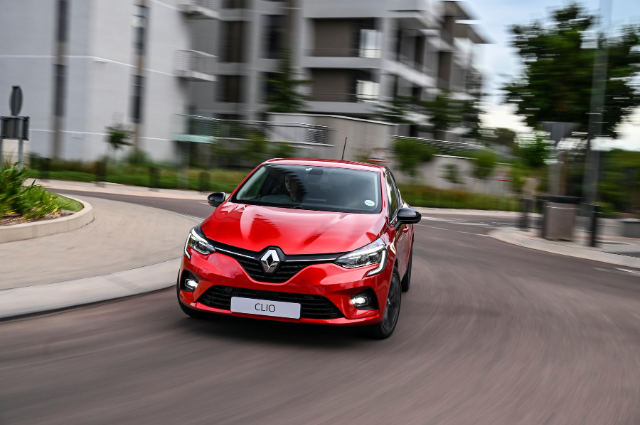
Today, the latest advancements in cruise control include radar, laser and camera-based solutions introducing 'Adaptive Cruise Control' as part of advanced driver assistance systems. This new advancement uses the solutions mentioned earlier to sense other vehicles to determine and adjust speed, adjust following distance and work in conjunction with collision avoidance systems to maintain lanes and avoid a collision. Adaptive cruise control can even brake automatically if there's a vehicle in front that is slowing down and maintains a suitable following distance. You can even adjust your following distance. This nifty system can even come equipped with Traffic jam assist, which can help in bumper-to-bumper traffic. Your vehicle can come to a stop if traffic decides to halt. However, you may need to use your accelerator to get your car moving again and reactivate the system. Thanks to the integration of cruise control into car computers and drive-by-wire throttles, cruise control, mostly in rudimentary form, is a lot more ubiquitous in new cars today, like in many more budget cars. The system certainly makes life easier and open-road driving more comfortable.
When should Cruise Control be used?
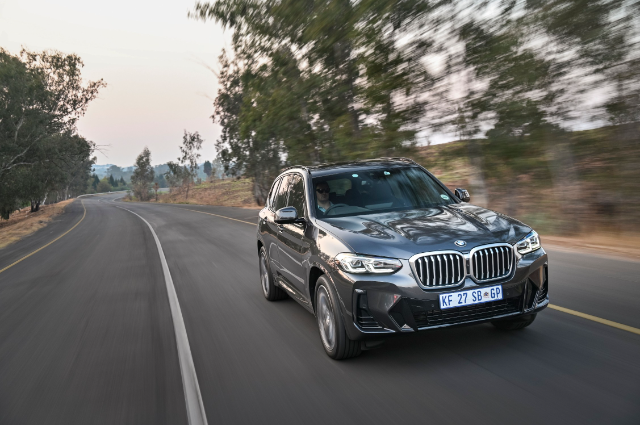
Cruise control is best used on open roads or in free-flowing traffic situations. With basic cruise control, you'll find yourself pausing and sometimes turning off the system as traffic conditions change, whereas with Adaptive cruise control will, as its name states, adapt to the changing traffic conditions. It's ill-advised to use cruise control in situations like bad weather such as rain, for example, where you need to control your speed frequently to drive safely as loss of traction can happen, which results in loss of control. Winding roads, urban roads and heavy traffic as well aren't suited for cruise control usage. Using the system while towing isn't advised either due to the additional weight from towing a load that can increase braking distances.
Let us know if you'd like us to cover other car components and features.