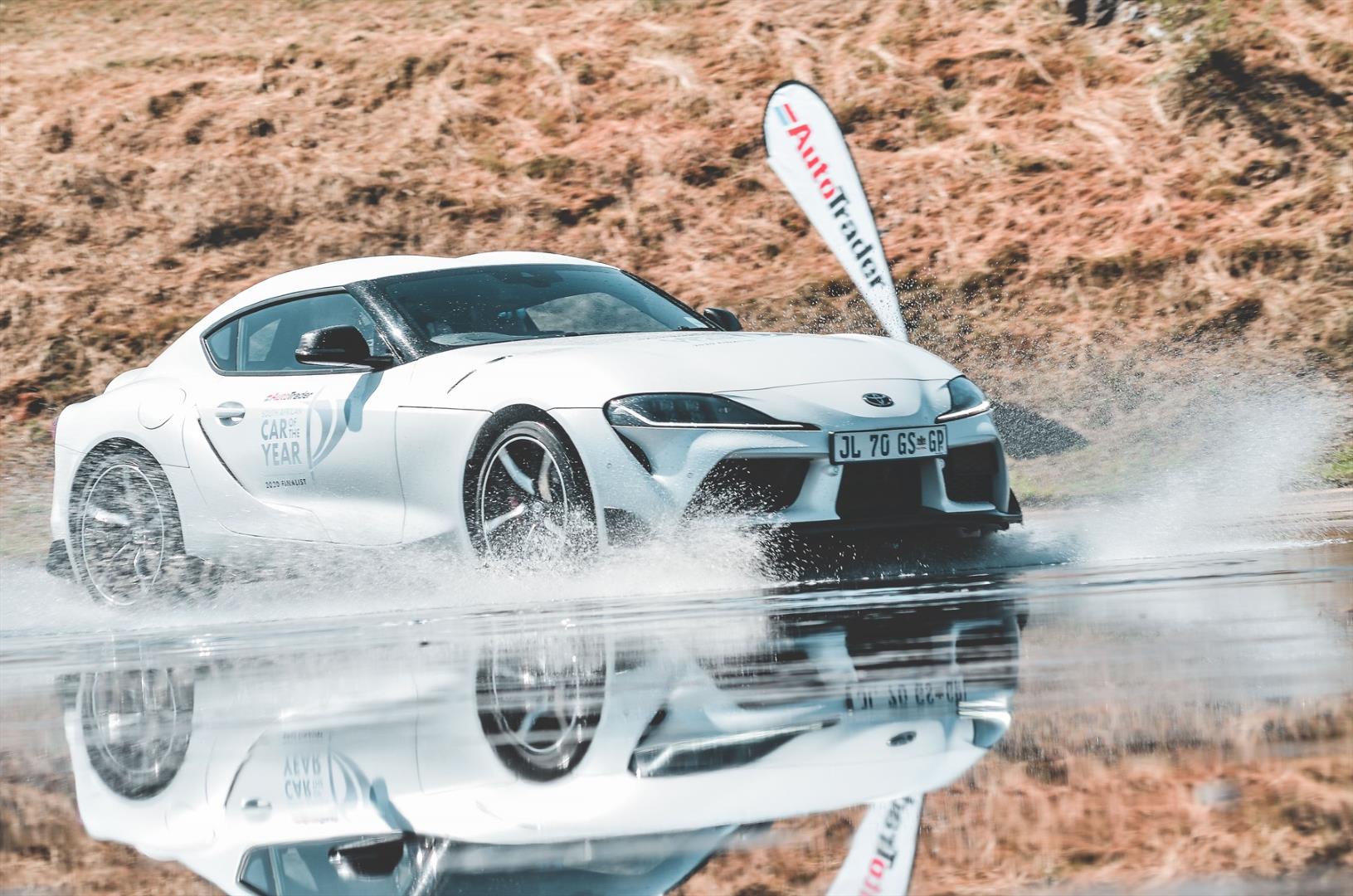
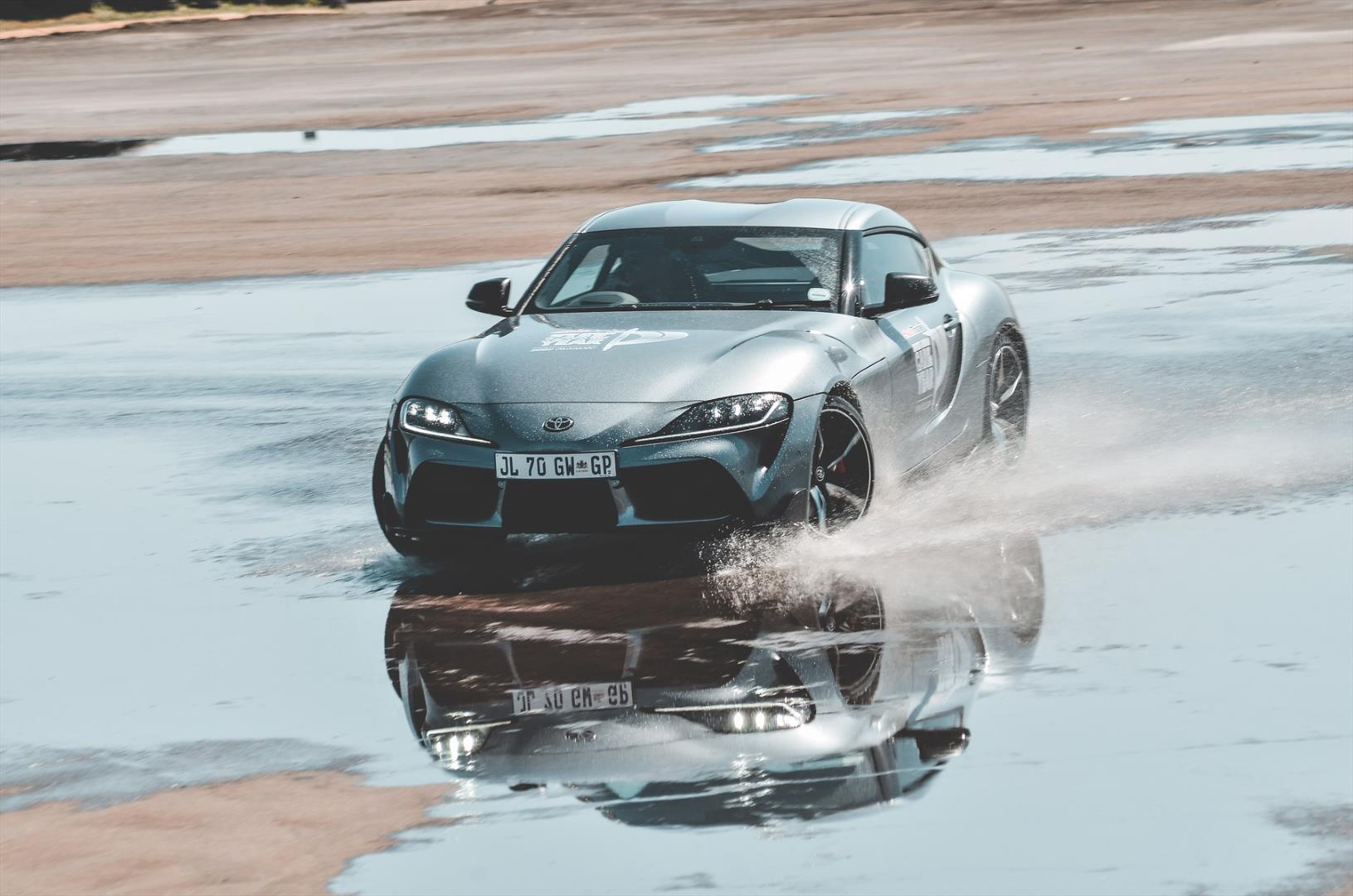
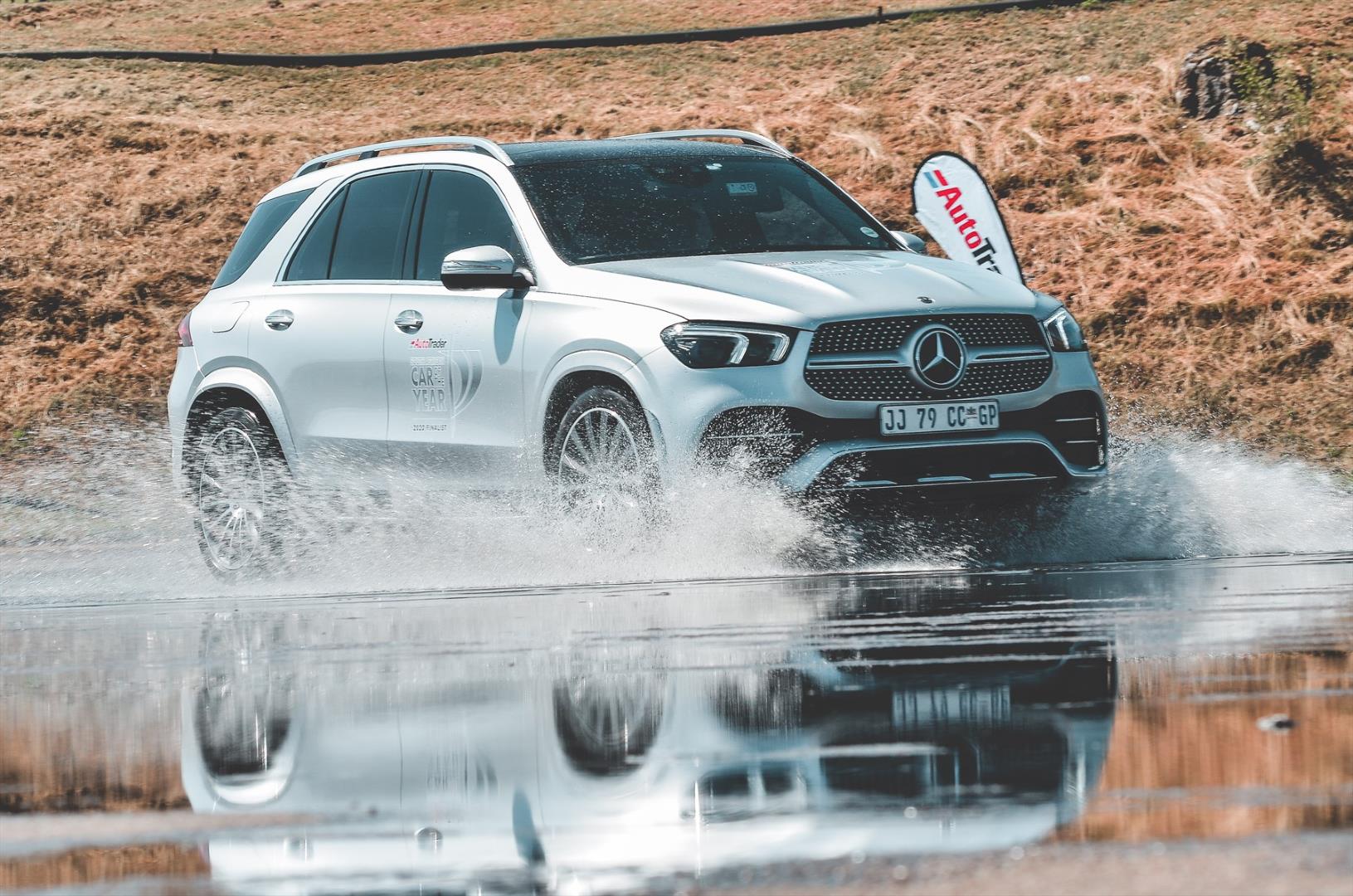
As the rain pours down and the roads glisten, there's a hidden danger that even the most experienced drivers must contend with: aquaplaning. For those new to the road, this phenomenon can be particularly daunting. But fear not, as we delve into what aquaplaning is and provide essential tips on how to avoid it, ensuring safer journeys for all.
Related: Understanding a car's tyres
What is Aquaplaning?
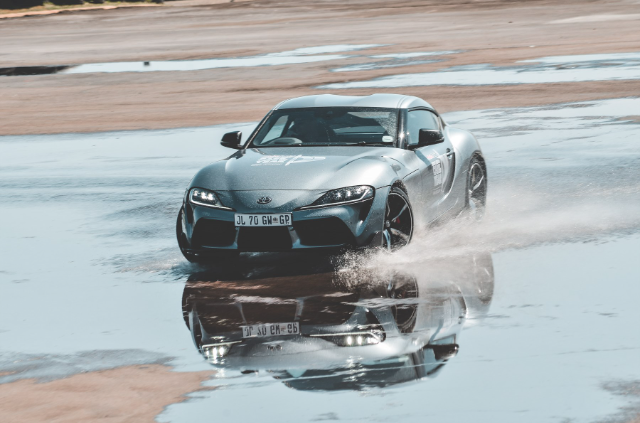
Aquaplaning, also known as hydroplaning, occurs when a layer of water builds up between the tyres of a vehicle and the road surface, leading to loss of traction and control. This happens when the tread of the tyres cannot channel water away quickly enough, causing the tyres to ride on top of the water rather than gripping the road. When this happens, you can lose control of the vehicle, feeling like you are sliding on ice.
Understanding the Risks
For inexperienced drivers, aquaplaning poses a significant risk, as it can result in loss of control over the vehicle, leading to accidents and injuries. Factors such as speed, tyre condition, and road surface contribute to the likelihood of aquaplaning.
Tips to Avoid Aquaplaning
Reduce Speed
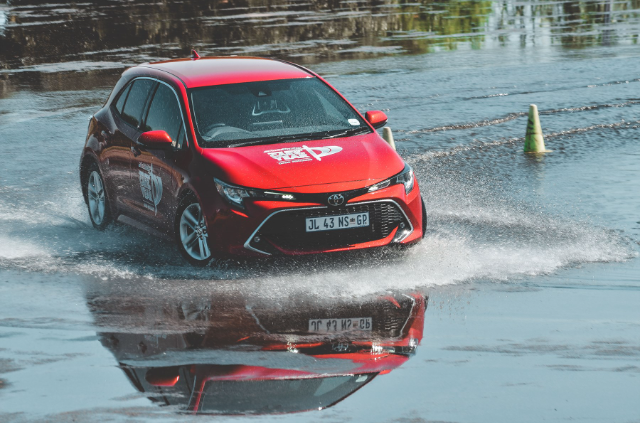
Slow down when driving in wet conditions. Reduced speed allows the tyres more time to channel water away, improving traction and control.
Maintain Tire Tread
Ensure your tyres are in good condition with adequate tread depth. Worn tyres are more prone to aquaplaning as they struggle to disperse water effectively.
Check Tire Pressure
Properly inflated tyres provide better contact with the road surface, reducing the risk of aquaplaning.
Avoid Sudden Movements
Make smooth and gradual movements when steering, accelerating, and braking. Abrupt actions can lead to loss of control, especially in wet conditions.
Stay in the Tracks
Drive in the tyre tracks left by vehicles ahead, as they have already displaced some of the water, reducing the risk of aquaplaning.
Use Quality Tyres
Invest in high-quality tyres designed to perform well in wet conditions. Quality tyres with effective tread patterns can significantly reduce the likelihood of aquaplaning.
Conclusion
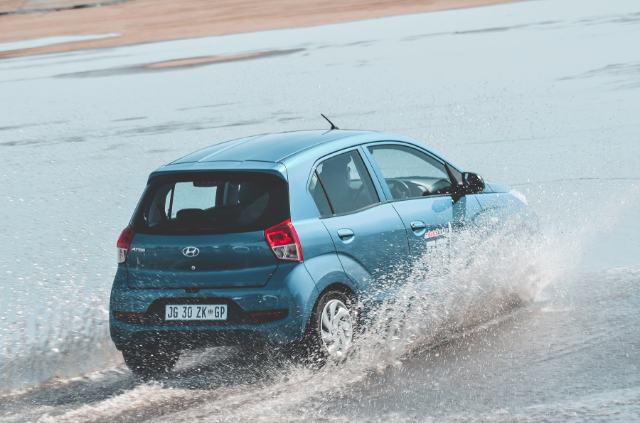
Aquaplaning is a hazard that all drivers, especially inexperienced ones, should be aware of when driving in wet conditions. By understanding what causes aquaplaning and implementing these tips to avoid it, you can stay safe on the roads even when the rain is pouring down. Remember, it's better to arrive late than not to arrive at all.