As a car owner, you might have heard the term "VIN number" thrown around when discussing vehicle details or paperwork. But what exactly is a VIN number, and why is it so important? Let's delve into this essential aspect of car ownership to shed some light on its significance.
Related: Can you check how many owners a car has?

What is a VIN Number?
First things first, what does VIN stand for? VIN stands for Vehicle Identification Number. Essentially, it's a unique code assigned to every motor vehicle when it's manufactured. Think of it as your car's fingerprint—it holds crucial information about its make, model, year of production, engine size and even the specification.
Why is a VIN Number Important?
The VIN number serves as a vehicle's digital DNA, providing a wealth of information that can be invaluable to both car owners and authorities. Here's why it's crucial:
Identification:
The VIN number uniquely identifies your vehicle, making it easier to track in case of theft or accident.
History Check:
It allows you to access the vehicle's history, including any vehicle code status or recalls, through the manufacturer's records.
Registration:
When buying or selling a car, the VIN number is used to transfer ownership and ensure the legality of the transaction.
Safety Recall Notices:
Manufacturers use VIN numbers to notify owners of safety recalls or issues specific to their vehicles.

What Does a VIN Number Look Like?
A VIN number typically consists of 17 characters, including both letters and numbers. It's often divided into sections that represent different aspects of the vehicle's identity and specifications.
Where is the VIN Number on a Car?
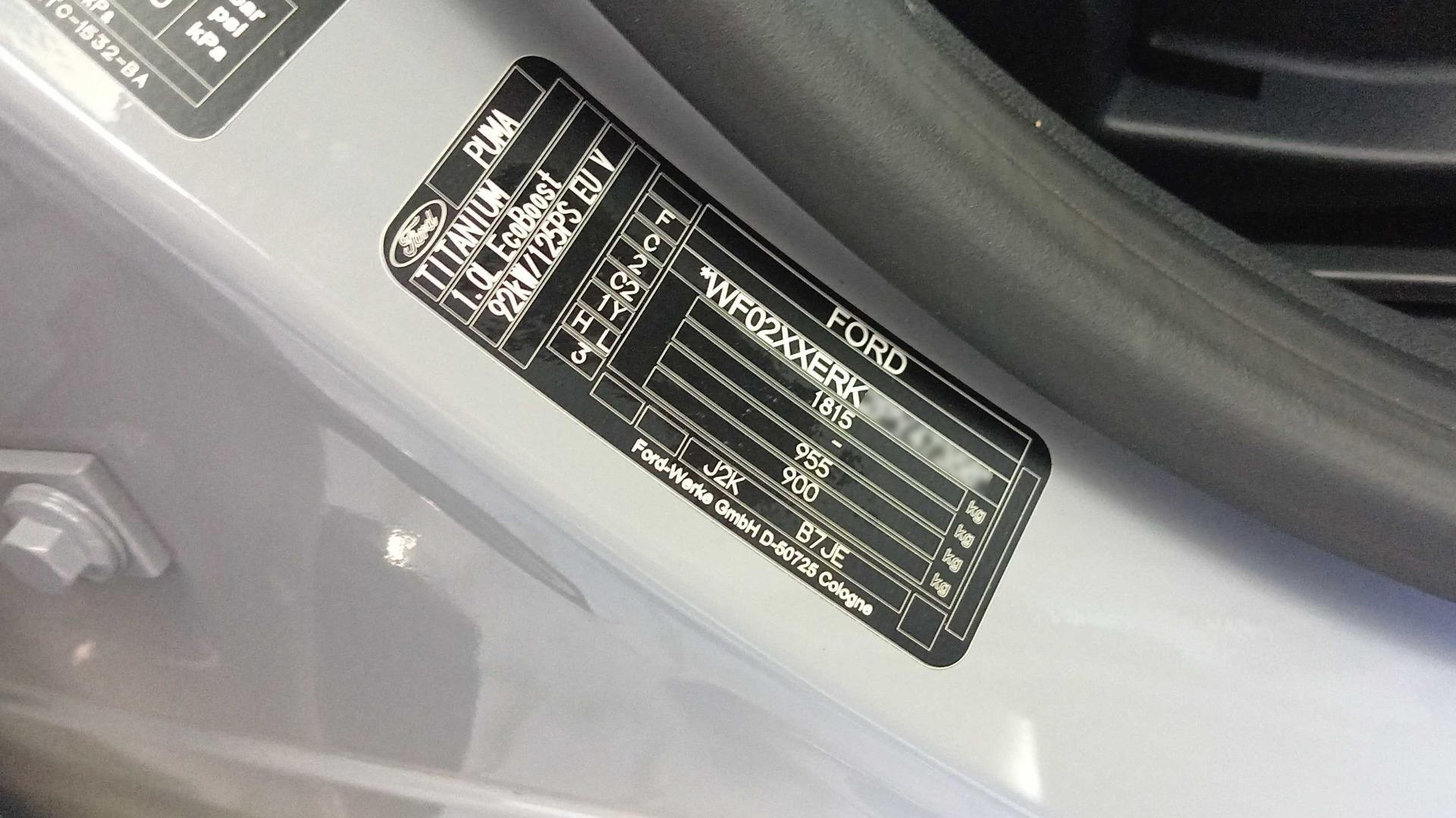
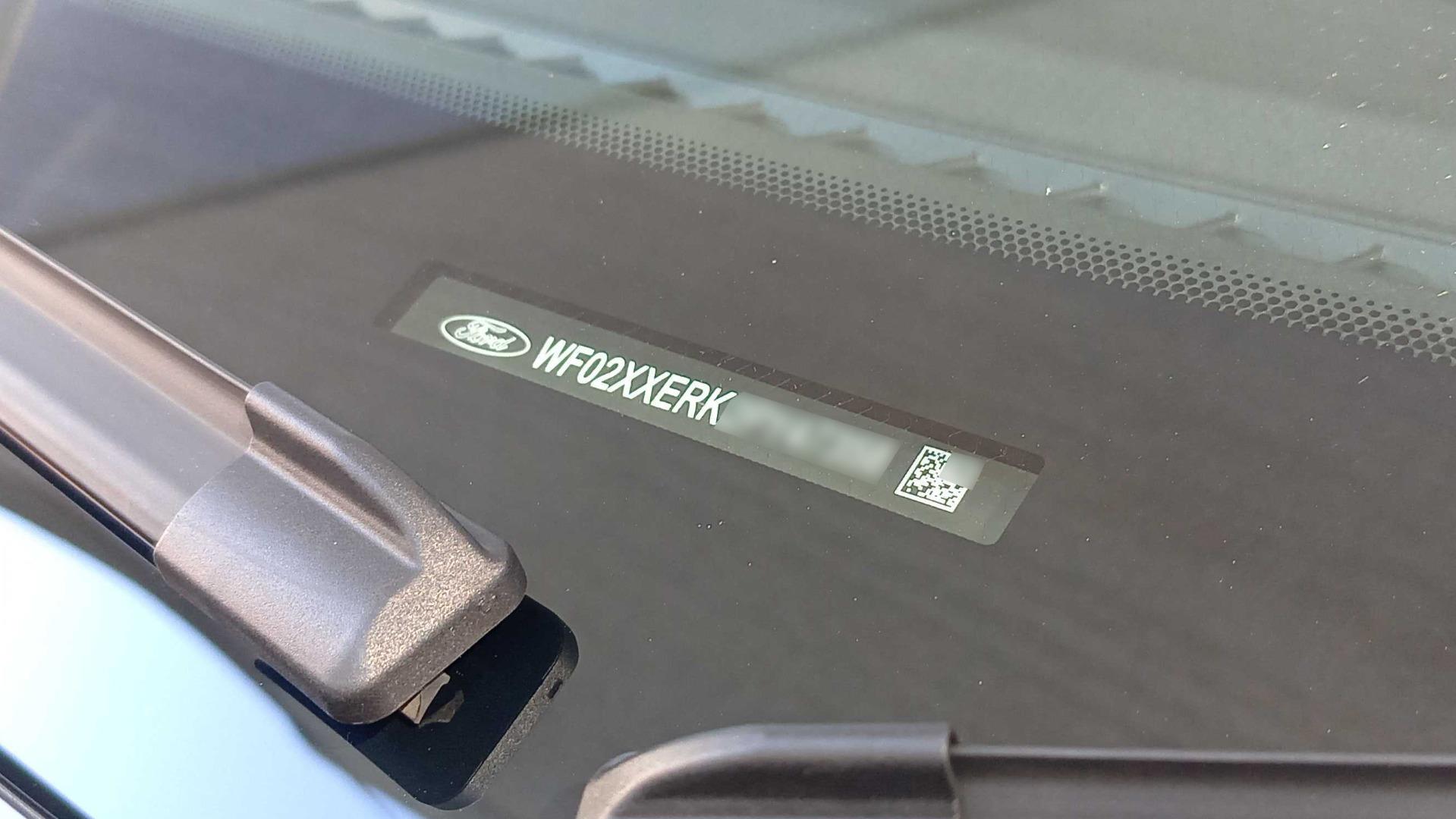
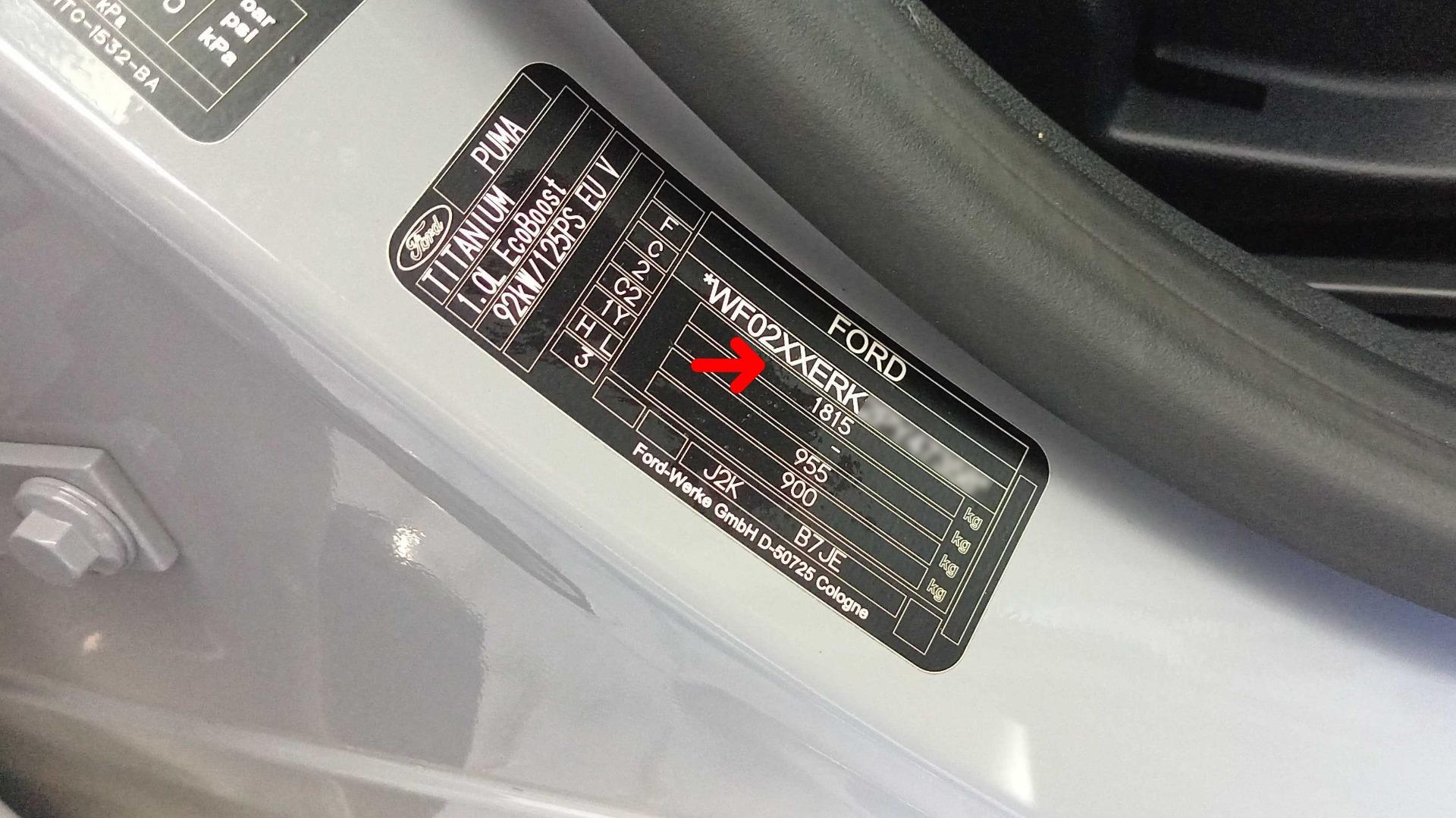
Finding your car's VIN number is relatively easy, as it's standardised across vehicles. You can typically locate it in the following places: on the dashboard, visible through the windshield; on the driver's side door jamb, often found on a sticker or metal plate when you open the driver's side door; and in some vehicles, the VIN may also be stamped onto the engine block.

When Should I Check a Car’s VIN Number?
It's wise to check your car's VIN number in several situations:
Before Buying a Used Car:
Always run a VIN check before purchasing a used vehicle to ensure you're getting accurate information about its history and condition.
After an Accident:
After an accident, your insurance company or mechanic may require the VIN number to process claims or repairs.
For Recall Information:
Regularly check for any recall notices related to your vehicle's VIN number to ensure your safety on the road.
Is the Chassis Number the Same as the VIN Number?
While the terms are often used interchangeably, the chassis number and VIN number are not exactly the same. The VIN encompasses more information about the vehicle's make, model, and manufacturing details, whereas the chassis number may refer specifically to the frame or body of the vehicle.
Is the Engine Number the Same as the VIN Number?
No, the engine number is different from the VIN number. The engine number specifically identifies the engine installed in the vehicle, whereas the VIN number provides a broader range of information about the entire vehicle.