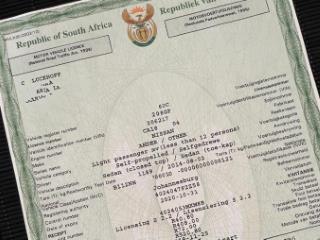
A Vehicle Registration Certificate (officially known as form RC1) is essentially the Identity Document or Title Deed for your car. It is the official document issued by the National Traffic Information System (NaTIS) that verifies a vehicle's legal registration in the national database.
Related: How do I get a copy of my vehicle registration certificate?
This is a very important legal document that you should keep on hand. If you don't own your car outright and it's still under finance, you won't have this paperwork. Once your finance agreement is completed, you should absolutely get it from the bank.
Everything you need to know about the ownership certificate

What’s on the Certificate?
The RC1 contains all the critical data that identifies your vehicle, including:
Registering Authority: Where the vehicle is registered (e.g., Johannesburg, Cape Town).
Chassis Number (VIN): The unique 17-digit code stamped on the car.
Engine Number: The unique ID of the engine.
Vehicle Status: Whether the car is "New" (Code 1), "Used" (Code 2), or "Rebuilt" (Code 3).
Tare Weight: The weight of the empty vehicle, which determines your annual license fee.

Titleholder vs. Owner
This is the most important distinction on the document:
Titleholder: The person or entity that has the legal right to sell the vehicle.
If your car is financed: The Bank is the Titleholder and they keep the original certificate until you finish paying off the loan.
If the car is paid off: You are both the Owner and the Titleholder
Owner: The person who uses the vehicle and is responsible for its day-to-day licensing.

When do you need it?
You don't need to carry this document in your car (in fact, you shouldn't—keep it safe at home). You only need it for:
Selling the vehicle: You cannot transfer ownership to a buyer without the original certificate.
Taking the car across borders: Customs will often ask for a copy of the registration papers and a letter of authority.
Applying for new number plates: If yours are stolen or damaged.
Insurance claims: Specifically, in the event of a total write-off or theft.

The logbook
In South Africa (particularly in KwaZulu-Natal), you might hear people refer to the registration certificate as the "Logbook." This is old terminology from many years ago, but in modern South African law, the "Logbook" and the "RC1 Registration Certificate" are the exact same thing.
Pro Tip: If you have just finished paying off your car finance, don't forget to request the original RC1 from your bank. You then need to go to the licensing department to have yourself officially changed from "Owner" to "Titleholder."