

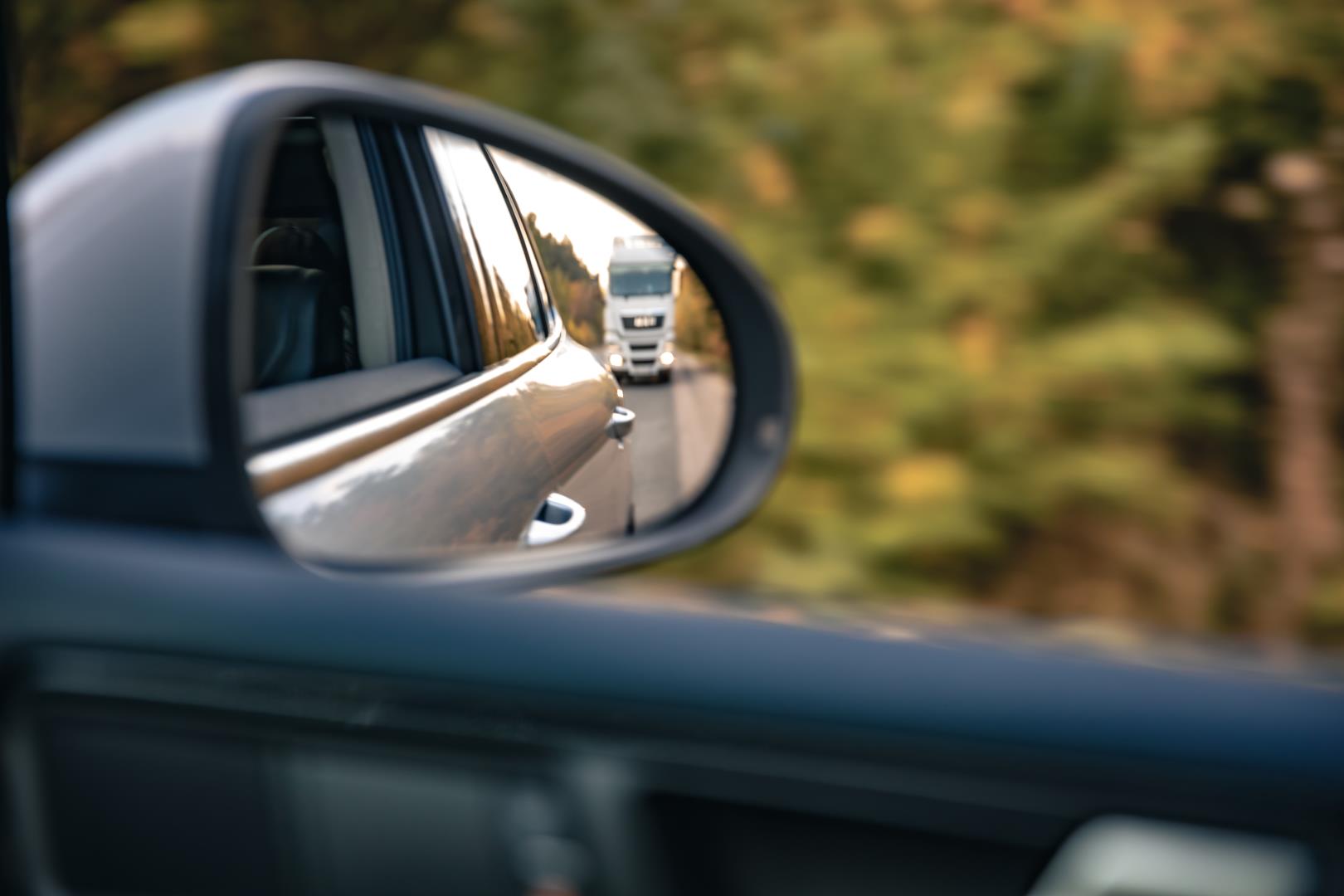
Ever felt like a motorcycle or car magically appeared next to you while you were driving? Those might be unwelcome visitors from your blind spots.
Related: Top 10 bad driving habits that can damage your car
What is a blind spot?
Blind spots are areas around your vehicle that you can't see directly with your mirrors or by looking out the windows. They pose a safety risk if you're not aware of them and how to check them properly.
Top 10 deadly driving habits that put motorcyclists at risk

What creates blind spots?
There are two main culprits for blind spots:
- A-pillars: These are the vertical support beams on either side of your windscreen. Their width can obscure the view of vehicles and pedestrians, especially when turning corners or merging into traffic.
- Rear blind spots: These are areas directly behind your car, typically around the rear corner panels, that are not visible in your rearview mirror. Motorcycles and smaller vehicles are particularly vulnerable to disappearing into this blind spot.
Related: Driving habits that kill
How to minimise the dangers of blind spots
While you can't eliminate blind spots entirely, there are ways to significantly reduce their risk:
- Mirror Adjustments: Ensure your mirrors are properly adjusted to provide the maximum view of the lanes beside and behind you. You shouldn't be able to see your own car in the side mirrors, but just a sliver of it along with the passing lane traffic.
- Shoulder Checks: Before changing lanes or turning, perform a shoulder check by glancing quickly over your shoulder to confirm it's clear. This complements your mirror checks and helps you detect vehicles in your blind spot.
- Blind Spot Monitoring Systems: Some modern cars offer blind spot monitoring systems that use sensors to detect vehicles in your blind spot and provide an alert (usually a light on your side mirror) to warn you. While a helpful feature, these systems shouldn't replace the importance of manual mirror checks and shoulder checks.
Related: Good driving habits for first-time drivers

Checking your blind spots helps create safer driving habits
By consistently practicing these tips, you'll become more aware of your blind spots and develop safer driving habits. Remember:
- Always check your mirrors and perform shoulder checks before changing lanes or turning.
- Don't rely solely on your mirrors; they can't show you everything.
- Stay vigilant while driving and be mindful of your surroundings.

Cruise with confidence!
By understanding blind spots and implementing these safety measures, you'll be a more confident and vigilant driver. So, next time you hit the road, remember to check those blind spots regularly so that you and other road users stay out of harm's way.