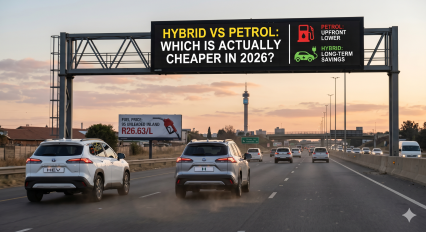


Fuel prices are fluctuating, but mostly rising. While a more frugal car might indeed save you money at the pumps, there are ways in which you can ensure that you achieve as close to or even better than the claimed fuel consumption figure of your car.
Related: South African fuel price update: Should we brace for July 2026?

Here's how to fight back at the pump
South Africa's latest fuel price hike isn't just a number on a forecourt board; it's a monthly budget shock for millions of drivers. But here's a practical truth: a rise in fuel costs can be offset by a gain in efficiency. And that gain is closer than you think.
Drive smarter, not harder
Change gears
The biggest leverage you have is your right foot. If you drive a car with a manual gearbox or have an automatic transmission that allows you to change gears, make a habit of changing up before reaching 2,500 r/min, your engine will thank you with fewer litres burned.
Smooth inputs
Then you need to rethink how you apply the throttle. Smooth, deliberate acceleration, especially in stop-start city traffic, makes a measurable difference. So don't stomp on the accelerator pedal.
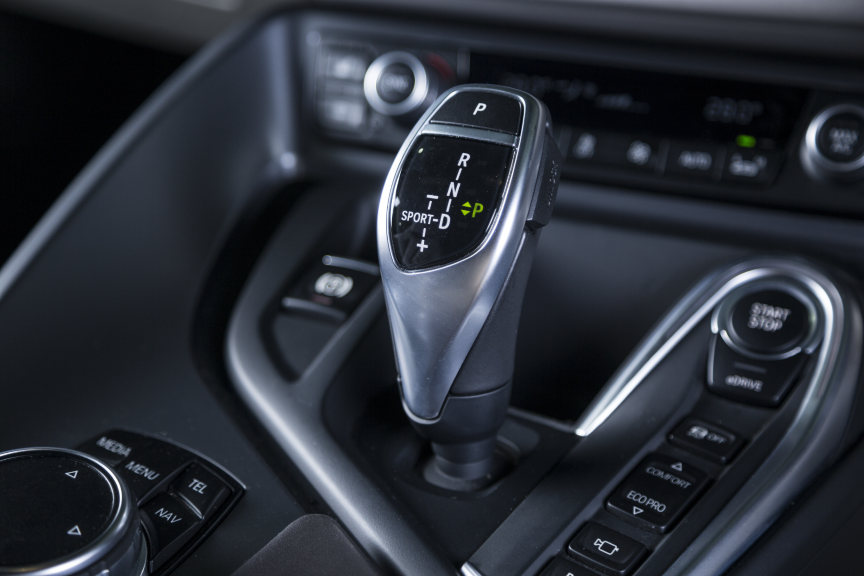
Eco mode
If your vehicle has an Eco drive mode, use it consistently. Real-world testing has shown gains of around 8% per tank, that's tens of kilometres of free range per fill-up, simply by selecting a different drive mode.
Read the traffic
Anticipating traffic is equally powerful. South African drivers have a habit of accelerating toward red robots and then braking hard. Instead, ease off early and coast in gear. Momentum is essentially free energy; don't waste it.
Slow is efficient
On open highways, the physics are simple: aerodynamic drag rises sharply with speed. Cruising at 100 km/h instead of 120 km/h can noticeably reduce highway fuel consumption.
Take control
Use cruise control on flat stretches of roads like the N1 or N3, but switch it off on hilly terrain. On inclines, cruise control will aggressively downshift to hold your set speed. A driver who allows a slight speed drop up a hill will almost always use less fuel.

Maintenance is not optional
Every neglected service item costs you at the pump. Tyres that are just 0.5 bar under-inflated increase fuel use by 3–5%. Check them weekly using the recommended pressure on the sticker inside your driver's door. A clogged air filter on an older engine can increase consumption by 10%. A R1,500 service could realistically pay for itself in fuel savings within a few months.
Plan your routes like a CFO
A longer route holding a steady 80–100 km/h is often cheaper than a shorter one riddled with traffic lights and speed bumps. Also, combine errands into a single trip; your engine consumes significantly more fuel during the first 5 km of a cold start, so multiple short trips are quietly draining your wallet.

Consider the long gain
The classifieds tell a clear story: South Africans are shifting toward hybrids. Swapping a 2.0 L SUV averaging 9.0 L/100km for a modern hybrid at 4.5 L/100km effectively halves your fuel bill. Demo models currently represent some of the best value in the local market. Perhaps it is time to sell your car quickly and easily on our website here, and start your search for new or used hybrid models on AutoTrader here.
For diesel drivers, the situation is particularly tough, with prices around R30/litre reflecting global supply pressures that individual driving habits can't fully counter. Carpooling, remote work flexibility, or public transport, where available, deserve serious consideration until the market stabilises. The pump price is out of your control. Your response to it isn't.