
Suzuki Baleno Dashboard Warning Lights
Suzuki has become a South African favourite, taking second place in manufacturer standings for vehicles sold, away from competitor VW for consecutive months. Like VW, Suzuki makes use of ISO standard iconography for its dashboard warning lights, and this is what they mean when illuminated.



Baleno warning lights
The Suzuki Baleno has become one of the Japanese manufacturer's best-selling cars locally, indicating that there is still an appetite for a compact hatchback in South Africa. The Baleno is a great family car and almost perfect for first-time drivers with its roomy interior and punchy 1.5-litre 4-cylinder petrol engine that delivers 77kW and 138Nm and sips fuel at 6.0 L/100km.
Related: How does the Suzuki Baleno compare to the Hyundai i20?
Suzuki has built a name for itself on dependability and reliability, and the Baleno is no exception. If something should go wrong, the car will tell you using a warning light on the dashboard. Below, we've collated the most common warning lights you may come across and what they mean.
How often should a Suzuki Baleno be serviced?

Yellow triangle with an exclamation point
This is the main warning light that lets you know that an alert error has been logged and will be illuminated until you acknowledge that you have seen it. It logs every alert and stores them in the vehicle's ECU.
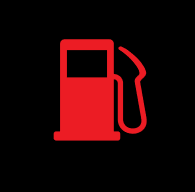
Petrol pump
This alert lets you know that you are running low on fuel or the vehicle's fuel delivery system is malfunctioning.
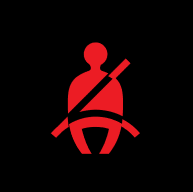
Crossed out person
This alert lets you know the driver or passengers have not buckled their seatbelts. It may come as a single indicator, or the vehicle may have a layout that shows which seatbelt is unbuckled.

Floating key
This floating key indicates a thermometer and alerts you if the vehicle's coolant level is too hot. Some vehicles will have colour-changing versions indicating if the coolant is below freezing. This often warns you that the car is overheating or the cooling system is malfunctioning.
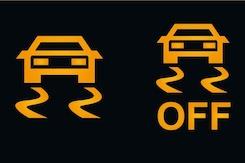
Wheel spinning car
If the traction control system is deactivated or actively functioning, this alert will go off. It prevents the car from losing traction or allows the driver to actively break traction.

ABS circle
This alert will go off if the anti-lock braking system malfunctions or will flash rapidly if it actively prevents the brakes from locking up under heavy braking.

Circle with an exclamation point or P
This alert will illuminate if the handbrake is activated or if there is a problem with the brakes. If you release the handbrake, electrical or manual, this alert should disappear. If it does not, there is a problem with the braking system, and you should not drive the car at all.
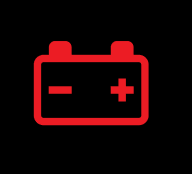
Battery
This warning light will come on if there is a problem with the car's battery or if there is a problem with the car's charging system.

Engine
This warning light will illuminate if there is a problem with the car's sensor array that controls the engine (ECU). If it stays illuminated, the sensor malfunctions, and the engine will not run properly.

Oil Can
Sadly, it is too late if this warning light comes on and stays on. It means the engine's oil level is below operating levels, and you are running low on oil. You risk serious engine damage if you continue operating without checking and refilling oil.

U-shape with an exclamation point
This warning light points toward the TPMS, or Tyre Pressure Monitoring System. This alert will come if one or more of your car's tyres run below operating pressure. It could indicate a puncture or an underinflated wheel.


