Compact hatch Comparison
The compact hatchback will soon be going the way of the DoDo, but before budget crossovers and faux SUVs take over, the market for compact hatchbacks, which was once the cornerstone of the auto industry in SA, still remains a popular purchase point for SA drivers. Two of the biggest competitors in the segment at the moment are the Suzuki Baleno and Hyundai i20.
Related: Suzuki Baleno pricing vs Volkswagen Polo Vivo vs Renault Clio
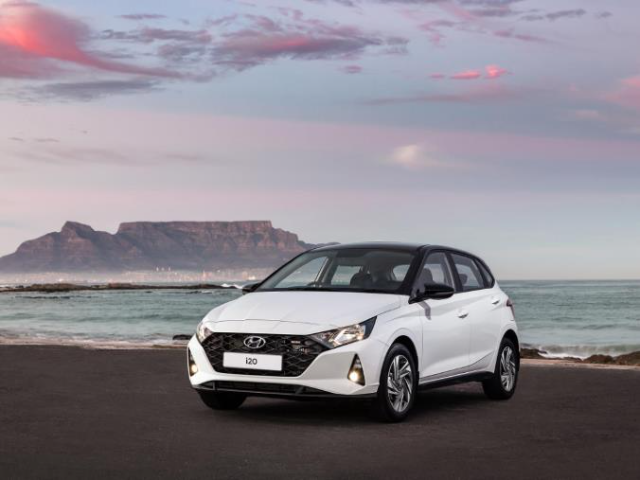
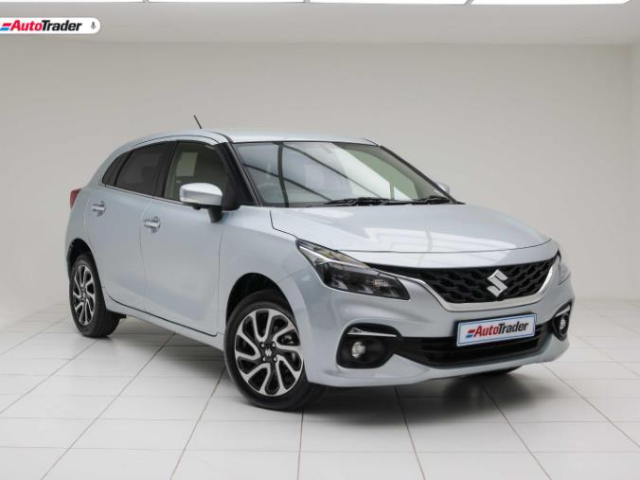
These two powerhouse manufacturers have been trading blows in this arena for years, and each has its unique buyer offerings. We pitted the latest derivative of the GLX-spec Baleno against the similar-spec Hyundai i20 to see which one deserves your car payment.
Which Hyundai i20 trim depreciates the fastest?

Drivetrain
| Suzuki Baleno 1.5 GLX auto | Hyundai i20 1.4 Executive | |
| Engine | 1.5-litre 4-cylinder petrol | 1.4-litre 4-cylinder petrol |
| Transmission | 4-speed auto | 6-speed auto |
| Power Figures | 77kW / 138Nm | 73kW / 133Nm |
| Top Speed | 175km/h | 173km/h |
The Baleno may only have a 4-speed auto transmission, but when coupled to the brilliant K15B engine, it is a peach to drive. The Hyundai is also very fun to drive, but the Baleno does seem to have the slightest of edges in power and speed, and as you will see, it also has an edge when it comes to fuel economy.

Fuel Consumption
| Suzuki Baleno 1.5 GLX auto | Hyundai i20 1.4 Executive | |
| Claimed fuel consumption | 5.7L/100km | 6.9L/100km |
| Actual consumption (combined cycle) | 6.0L/100km | 7.1L/100km |
| Tank Size | 37-litres | 37-litres |
| Distance on a full tank | 649km | 536km |
Both these compact hatches have 37-litre fuel tanks, but you will get almost 100km more from the Baleno even though it has a bigger engine. Suzuki's frugal nature wins out every time.
Safety
| Suzuki Baleno 1.5 GLX auto | Hyundai i20 1.4 Executive | |
| ABS | Yes | Yes |
| Stability Control | Yes | No |
| Hill hold assist | Yes | No |
| Tyre Pressure Monitoring | No | No |
| Camera | 360 surround view | rear camera only |
| PDC (Park Distance Control) | rear | rear |
| Airbags | 6 | 2 |
| Cruise control | Yes | No |
| Lane Keep Assist | No | No |
| HUD (Heads Up Display) | Yes | No |
| Keyless Entry | Yes | No |
| LED Lighting | Yes | No |
When comparing standard equipment levels, the Baleno comes out on top with more tech and features. The Baleno is as yet untested by Global NCAP with the latest Hyundai i20 scoring 3 stars.

The Drive
| Suzuki Baleno 1.5 GLX auto | Hyundai i20 1.4 Executive | |
| Boot Space (litres) | 314l | 311l |
| Towing capacity braked and unbraked | 400kg unbraked / 1000kg braked | 750kg unbraked / 800kg braked |
| Tow bar | Aftermarket fitment | Aftermarket fitment |
| Seating | Cloth | partial cloth and leather |
| Sunroof | None | None |
Under driving aesthetics, the Baleno and i20 come out even. Both cars offer negligible differences in features and driving dynamics. The Hyundai does have a slightly better touch and feel, while the Baleno seems more suited to family life.

Pricing
| Suzuki Baleno 1.5 GL Manual | R 260 900 | Hyundai i20 1.2 Premium | R 309 900 |
| Suzuki Baleno 1.5 GL Auto | R 284 900 | Hyundai i20 1.4 Premium | R 329 900 |
| Suzuki Baleno 1.5 GLX Manual | R 316 900 | Hyundai i20 1.2 Executive | R 329 900 |
| Suzuki Baleno 1.5 GLX auto | R 336 900 | Hyundai i20 1.4 Executive | R 349 900 |
| Hyundai i20 1.0T N Line | R 467 500 |
Suzuki offers a 5-year / 200 000 km warranty and 4-year / 60 000km service plan, while Hyundai has a 5-year / 150 000km vehicle warranty + an extra 2 years and 50 000 km on the drivetrain. They also have a 4-year 60 000km service plan.
Verdict
It is difficult to make a case for the Hyundai when the Baleno trumps it in almost every category. The Suzuki Baleno has better spec levels, more power, better drive and fuel economy and is cheaper. The Hyundai is in no way a lesser vehicle, its just hard to argue for it when the Baleno is just that much better.