
Is your car costing you too much?
The sticker price on the window is not what you will eventually pay for your car. This is what your vehicle is going to cost you.





For many South African drivers, the actual cost of a vehicle extends far beyond the initial purchase price. It’s a common mistake to consider only the price tag and forget about the ongoing expenses of car ownership. So, is your car costing you too much?
To truly understand the financial impact of your vehicle, you need to consider the Total Cost of Ownership (TCO). This includes:
Monthly repayments and depreciation: The most significant hidden cost of car ownership.
Fuel: A significant and variable expense, especially with fluctuating fuel prices in South Africa.
Maintenance and repairs: From routine servicing to unexpected breakdowns.
Insurance: A legal requirement that can vary widely.
Other fees: Licensing, registration, and roadworthy certificates.
Related: What it really costs to own a Polo Vivo, in South Africa

When searching for the most affordable cars to own in Mzansi, you’ll find that the top models share a few key characteristics tailored to local conditions:
Low Depreciation & Strong Resale Value: In South Africa, cars that hold their value well are a smart investment. Models with high demand on the second-hand market, like the Volkswagen Polo Vivo or Toyota Corolla, minimise your losses when selling or trading them in.
Excellent Fuel Economy: With high fuel costs impacting every household budget, a fuel-efficient car is a must. South African drivers prioritise vehicles that can handle daily commutes and long-distance road trips without breaking the bank at the pump.
Affordable Maintenance and Repairs: The availability of inexpensive and widely-accessible parts is crucial. Reliable cars with a large service network and competitive labour costs (like those from Toyota and Suzuki) will cost less to service and fix over their lifespan.
Reasonable Insurance Premiums: Insurance costs are determined by many factors, but vehicles with good safety ratings, lower theft risk, and affordable repair costs often have lower premiums.
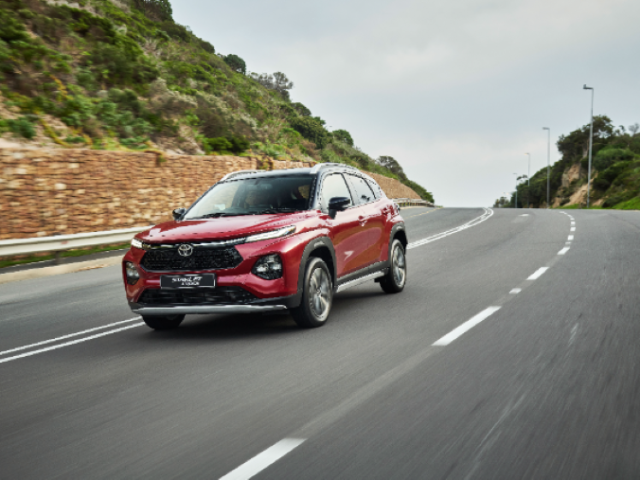
Top Models to Consider
Based on recent analyses of the South African market, a few brands and models consistently stand out for their low TCO. These are typically budget-friendly hatchbacks and sedans known for their reliability, efficiency, and strong local support.
Table: Comparison of Top Low-TCO Cars in South Africa
| Model | Key Features | Fuel Consumption (Claimed) | Why it’s a good choice |
| Suzuki Celerio & Toyota Vitz | Ultra-efficient, compact, and affordable price tag. | 4.2 L/100km | Best-in-class fuel economy, low purchase and maintenance costs. Perfect for city driving. |
| Suzuki S-Presso | High ground clearance, compact SUV styling, and budget-friendly. | 4.4 L/100km | Excellent fuel efficiency with the practicality of a small SUV, making it ideal for varying road conditions. |
| VW Polo Vivo | Legendary resale value, popular and well-supported locally. | 4.8 L/100km (GT model) | It has the strongest resale value in its class, and parts are widely available, making repairs affordable. It is a South African favourite for a reason. |
| Hyundai Grand i10 | Great value for money, modern features, decent fuel economy. | 5.4 L/100km) | Known for reliability and low running costs. Hyundai's warranty adds peace of mind. |
| Toyota Corolla | Legendary reliability, long-term durability, excellent resale value. | 3.9 L/100km (Hybrid) | While it has a higher upfront cost, its minimal maintenance needs and exceptional hybrid fuel economy make it a long-term winner. |

How to analyse your own car's cost
To determine if your own car is costing you too much, consider these factors:
Depreciation: Research the current market value of your vehicle and compare it to what you paid. This is a "hidden" cost that significantly impacts your finances.
Fuel Consumption: Track your fuel purchases and mileage to calculate your real-world fuel economy. Compare it to the manufacturer's claimed figures.
Maintenance and Repairs: Record all servicing, part replacements, and unexpected repairs. Compare these costs to the average for your car's make and model.
Insurance and Other Fees: Add up your annual insurance premiums, license renewal fees, and any other recurring costs.

Verdict
By doing this, you can get a clearer picture of your car's true financial impact and decide whether it's time to find a more cost-effective model.


